Transform any space with the logic of Feng Shui
Enjoy an engaging interactive course that unpacks 3,000 years of Chinese spatial philosophy into evidence-based principles you can map, diagnose, and apply — room by room, starting this week.
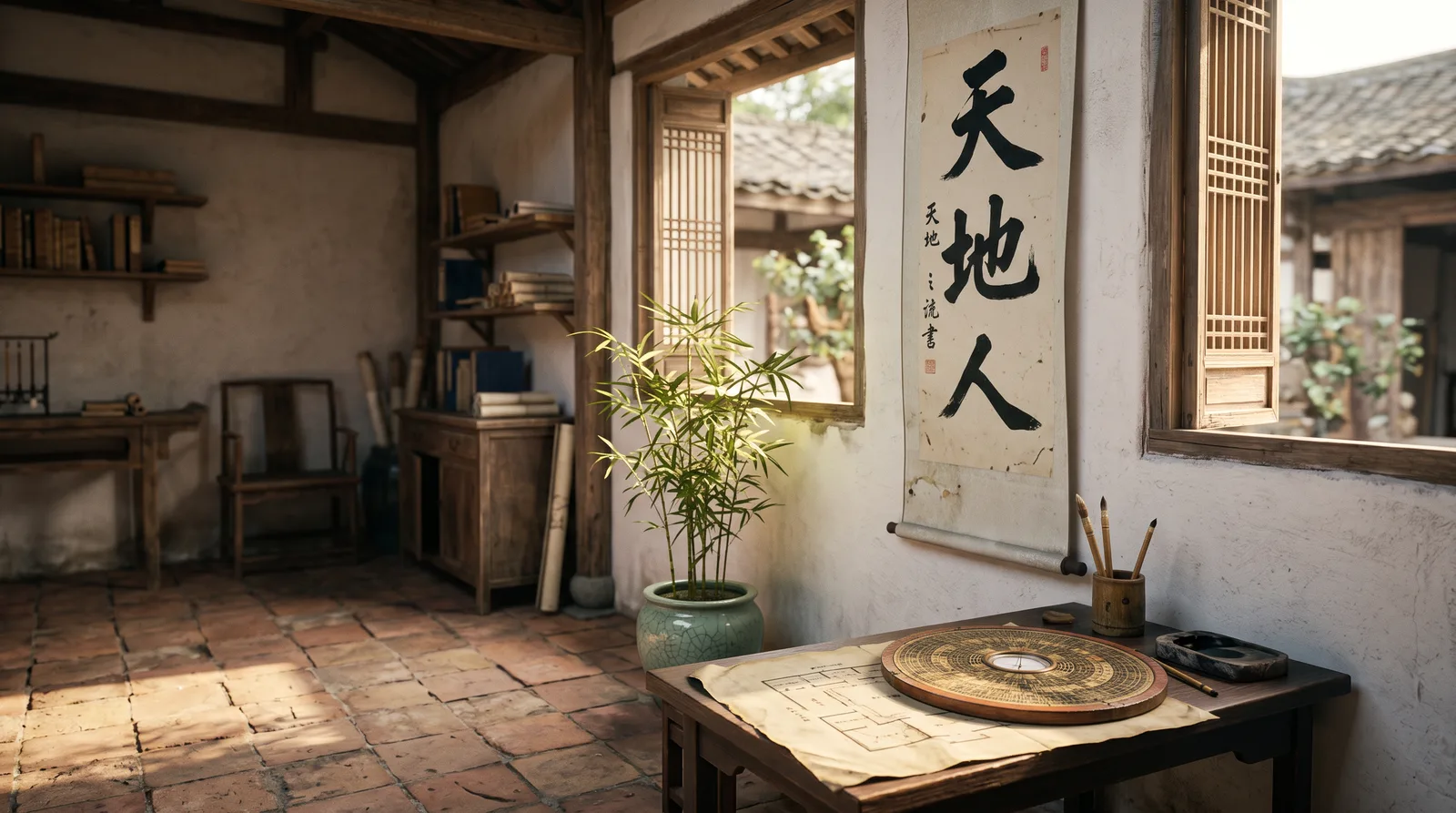
"Feng Shui isn't magic — it's one of humanity's most sophisticated conversations about how space shapes human life, and I believe everyone deserves access to it in its full depth."
— AI Professor Courses
What you'll learn
What you'll be able to do
- Identify and apply the five Feng Shui elements (Wood, Fire, Earth, Metal, Water) to balance any room
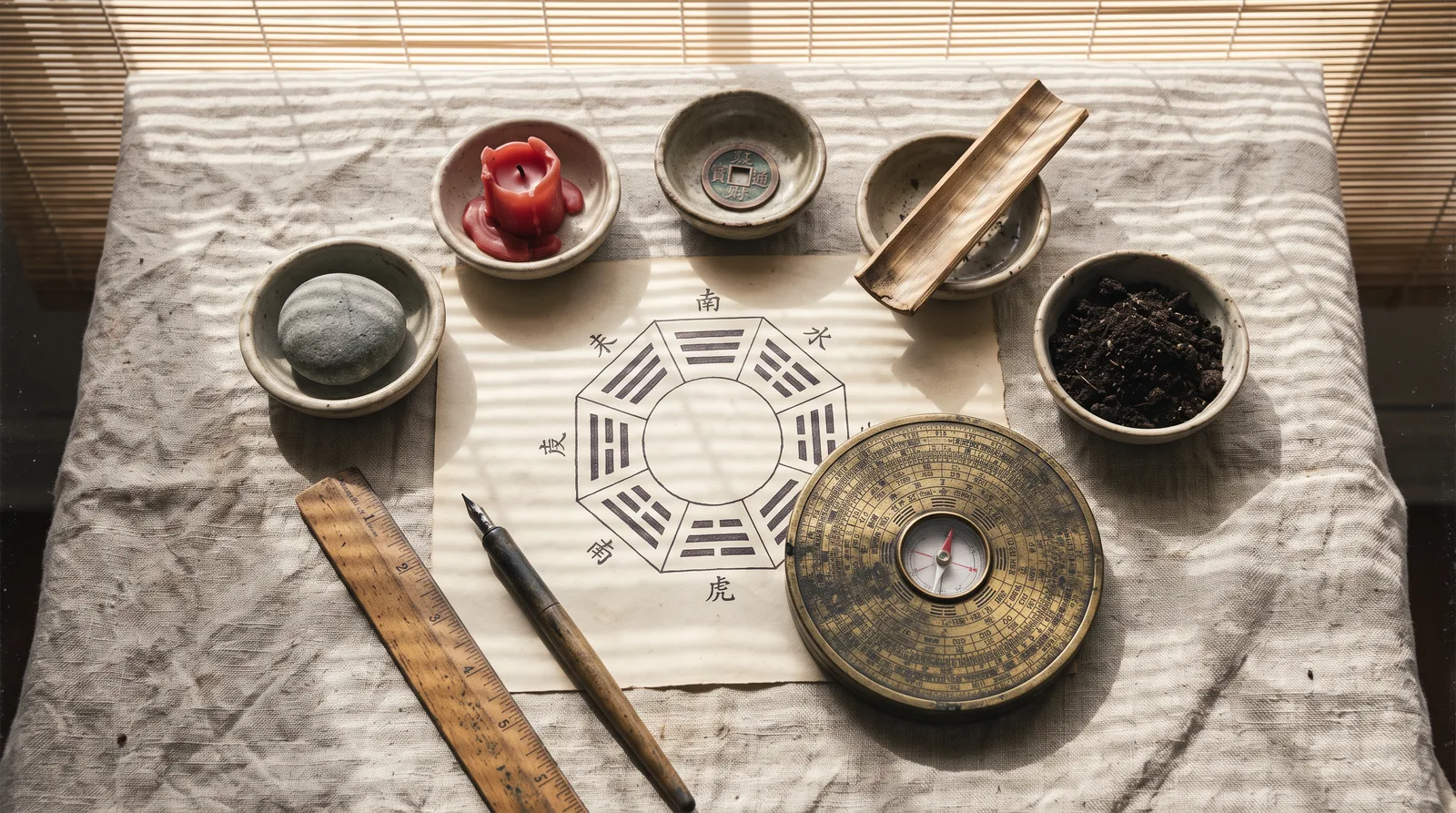
- Read and draw a Bagua map overlay for a home or office floor plan
- Diagnose common energy flow (Chi) blockages in furniture layout and circulation paths
- Redesign an entryway, bedroom, or workspace using classical Feng Shui placement rules
- Select colors, materials, and décor objects that reinforce the intended energy of each life area
- Develop a room-by-room Feng Shui audit checklist tailored to a client's or your own specific goals
How it works
A school that adapts to you
This isn't a set of static videos. Every lesson is generated live and tuned to where you actually are.
We learn your level
A quick placement check tailors your starting point so you're never bored or lost.
Lessons adapt as you go
Each lesson is written for your pace and your goal, adjusting as your skills grow.
Your AI coach keeps you moving
Checkpoints, feedback, and gentle nudges turn progress into a real result.
The curriculum
What's inside your school
6 modules · 28 lessons

Foundations of Feng Shui
Establishes the historical roots, core philosophy, and key vocabulary students need before touching a floor plan.
- 1.1What Feng Shui Actually Is — And Isn'tIncluded
- 1.2A Brief History of Chinese Spatial PhilosophyIncluded
- 1.3Chi, Form, and Compass: The Three PillarsIncluded
- 1.4Essential Vocabulary for the PractitionerIncluded
The Five Elements System
Teaches students to identify, balance, and intentionally apply the five elemental energies in any space.
- 2.1Meet the Five Elements: Wood, Fire, Earth, Metal, WaterIncluded
- 2.2The Productive and Destructive CyclesIncluded
- 2.3Diagnosing Elemental Imbalance in a RoomIncluded
- 2.4Correcting Imbalance with Element RemediesIncluded
The Bagua Map: Reading and Applying the Energy Grid
Gives students hands-on skill in overlaying, reading, and using the Bagua map on real floor plans.
- 3.1Anatomy of the Bagua: Nine Areas, Nine Life DomainsIncluded
- 3.2Aligning the Bagua to a Floor PlanIncluded
- 3.3Drawing Your Own Bagua OverlayIncluded
- 3.4Identifying Missing Areas and ExtensionsIncluded
- 3.5Activating and Protecting Key Life AreasIncluded
Chi Flow: Diagnosing and Improving Energy Circulation
Trains students to trace how Chi moves through a space and to identify and resolve the blockages that disrupt it.
- 4.1How Chi Moves: Pathways, Speed, and StagnationIncluded
- 4.2Common Chi Blockages in Furniture LayoutIncluded
- 4.3Sha Chi and Poison Arrows: Recognizing Harmful Energy LinesIncluded
- 4.4Remedies for Blocked and Rushing ChiIncluded
- 4.5Conducting a Chi-Flow WalkthroughIncluded
Room-by-Room Application: Classical Placement Rules
Applies Feng Shui placement principles to the specific rooms where students live and work every day.
- 5.1The Commanding Position: Beds, Desks, and StovesIncluded
- 5.2Designing the Entryway: Your Home's Mouth of ChiIncluded
- 5.3Bedroom Feng Shui for Rest and RelationshipsIncluded
- 5.4Workspace Feng Shui for Focus and ProsperityIncluded
- 5.5Kitchen, Bathroom, and Other Supporting RoomsIncluded
Color, Materials, Décor, and the Full Feng Shui Audit
Brings every prior skill together as students select intentional design elements and build a complete, client-ready audit checklist.
- 6.1Color Psychology Through a Feng Shui LensIncluded
- 6.2Choosing Materials and Textures for Elemental ReinforcementIncluded
- 6.3Décor Objects, Art, and SymbolismIncluded
- 6.4Building a Room-by-Room Feng Shui Audit ChecklistIncluded
- 6.5Capstone: Auditing and Redesigning a Real SpaceIncluded
Who it's for
Is this you?

Interior design enthusiasts
She's fluent in aesthetics but wants a principled spatial framework — not just style, but a system for why a room truly works.

Working professionals
He suspects his home office layout is undermining his focus and wants evidence-based placement rules he can act on this weekend.

Wellness seekers
She's invested in how her environment affects her energy and wellbeing, and wants a grounded tradition — not generic self-help advice.

Culturally curious learners
He wants to understand Chinese spatial philosophy at its source, with the history and vocabulary to engage with it seriously.

New homeowners
She just moved in and wants to set her space up intentionally from the start — room by room, with logic behind every decision.

Aspiring consultants
He's exploring Feng Shui as a professional offering and needs a rigorous conceptual and audit-ready foundation to build on.
Questions
Frequently asked
Your teacher
A note from your teacher

AI Professor Courses
If you've ever sensed that a room felt 'off' without being able to explain why — or rearranged furniture on instinct and noticed the whole space breathed easier — you already have an intuition for what Feng Shui is about. What you may not have is the framework to articulate it, build on it, and apply it with intention. That's exactly the gap this school is designed to close.
I came to Feng Shui the same way I came to everything I teach: through research, skepticism, and a refusal to accept surface-level explanations. When I started studying Chinese spatial philosophy seriously, I was struck by how systematically it had been misrepresented in the Western mainstream — reduced to lucky bamboo and color-coded bagua mats sold at home goods stores. The actual tradition is something far more rigorous: a centuries-old synthesis of directional theory, elemental cycles, and spatial ergonomics that deserves to be taught with the same care we'd bring to any field of design or philosophy.
So that's what I built here. Every unit in this school is grounded in the historical and conceptual roots of Feng Shui before asking you to apply anything. You'll understand why the Commanding Position matters before you move a single piece of furniture. You'll understand the Productive and Destructive cycles of the Five Elements before you choose a paint color. That grounding isn't just academic — it's what makes the difference between following a checklist and actually being able to think through any space, anywhere, on your own.
What I want for you by the end of this school is genuine fluency. Not a list of rules to memorize, but a spatial vocabulary and analytical lens you can bring to your bedroom, your office, your client's dining room — and know what you're looking at. The capstone audit is where that fluency gets tested and, I think, where most students feel the real shift: the moment you walk through a space and can diagnose what's working, what isn't, and exactly what to do about it.
Whether you're here to improve your own home, deepen your design practice, explore a potential consulting path, or simply satisfy a long-held curiosity about an ancient tradition — you're in the right place. Come in with your questions, bring your floor plan, and let's get to work.
— AI Professor Courses
Start your journey today
Get instant access — learn at your own pace with an AI coach in your corner.
$5/mo
Recurring billing · cancel anytime
Secure checkout · Instant access
- 6 modules, 28 lessons
- AI-adaptive lessons tuned to your level
- Quizzes & checkpoints to lock in progress
- Your own AI learning coach
- Learn on any device, at your pace
- Full access for as long as you're subscribed