Answer Blackfish with Evidence
This school arms marine zoological professionals, students, and advocates with the peer-reviewed science, documented facts, and debate skills to dismantle the documentary's narrative — calmly, credibly, and citation by citation.
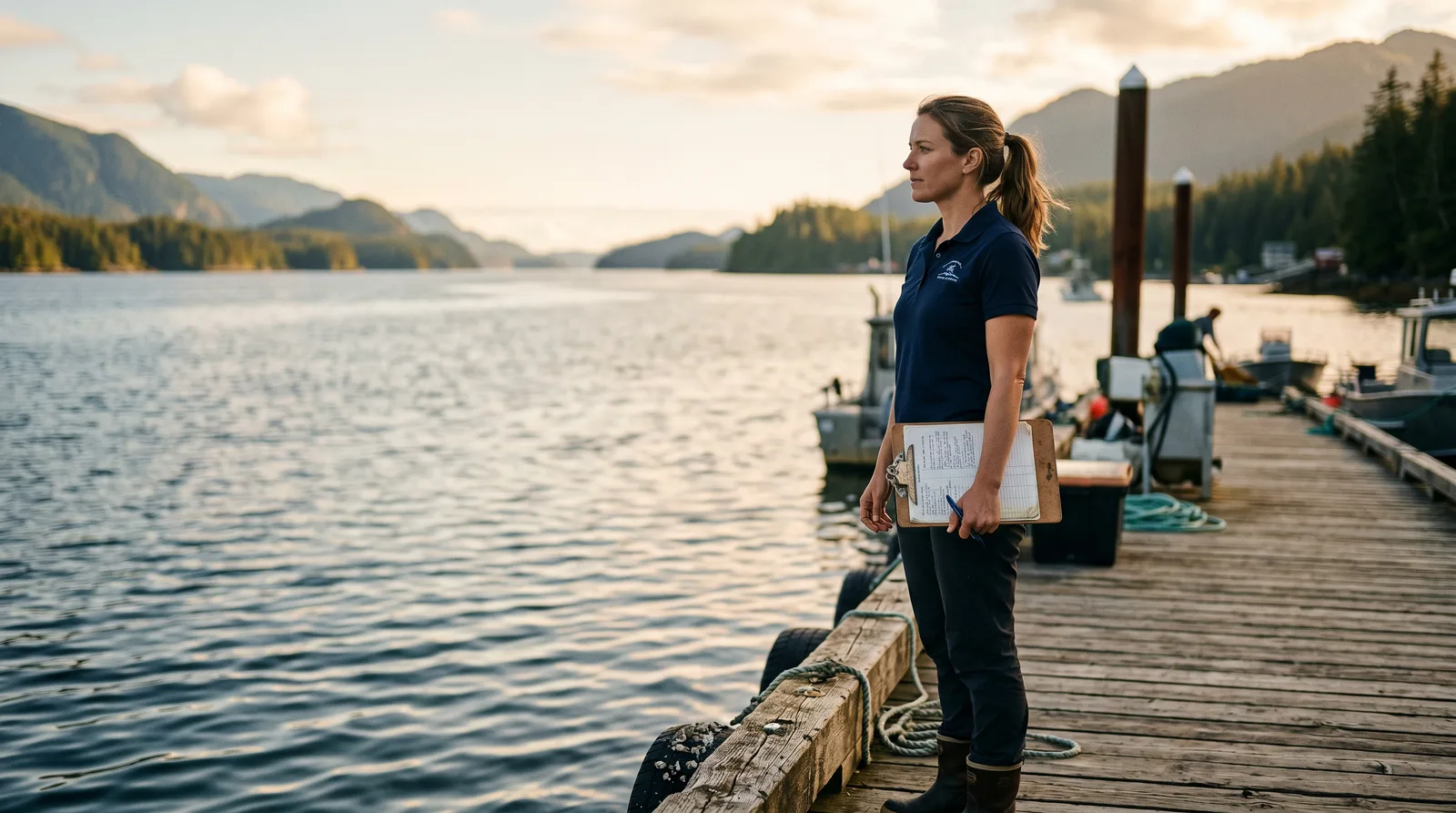
"The science was always on our side — this school just teaches you how to use it."— Dora Edney
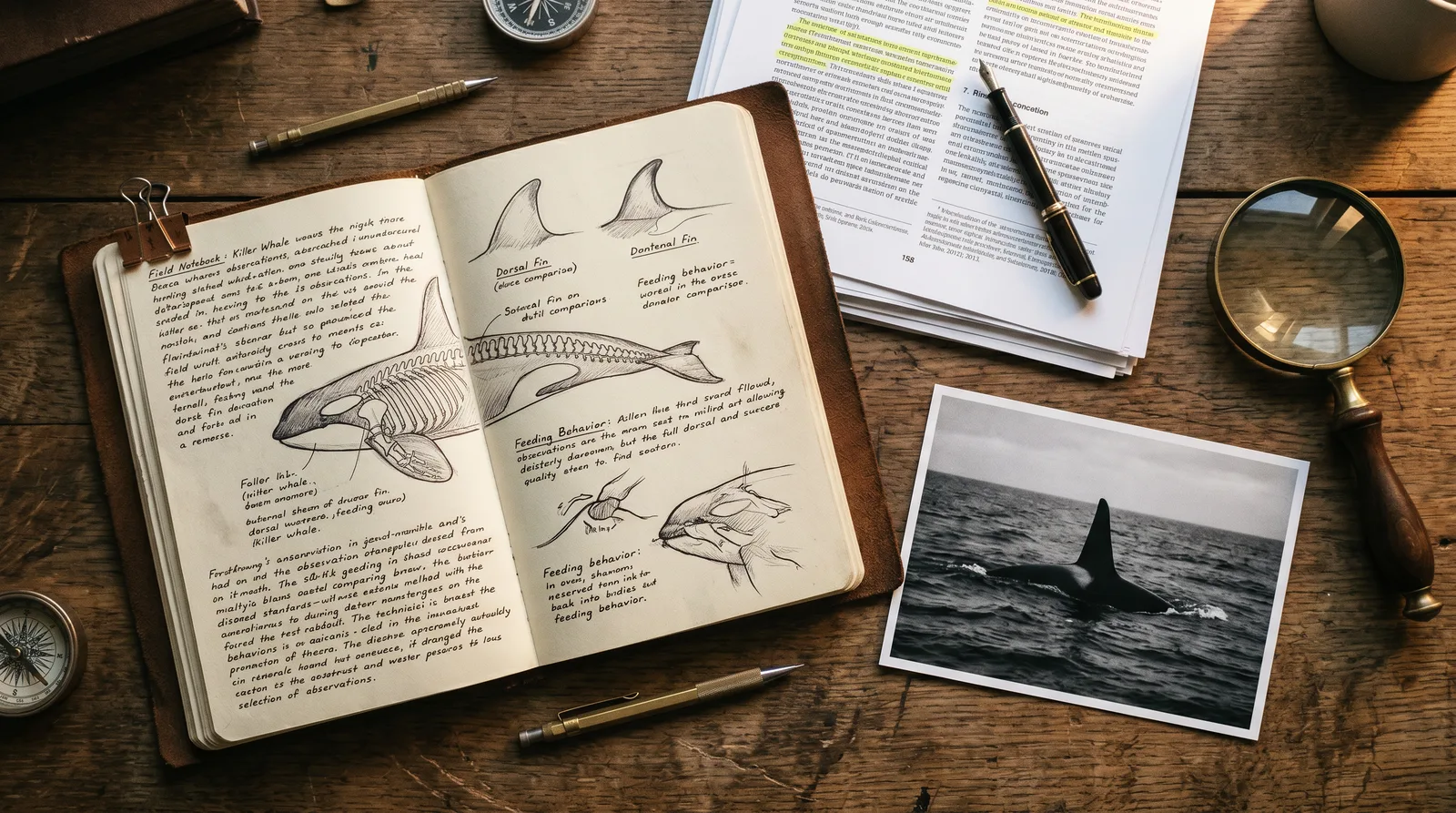
What you'll learn
What you'll be able to do
- Identify and name the specific factual errors, omissions, and misleading edits used in Blackfish
- Explain the peer-reviewed science behind orca cognition, social behavior, and welfare in zoological settings
- Articulate SeaWorld's concrete contributions to marine conservation, rescue, and research with verifiable statistics
- Respond calmly and credibly to the most common Blackfish-inspired talking points in face-to-face or online debates
- Apply media-literacy frameworks to analyze documentary filmmaking techniques used to manipulate audience emotion
- Build a structured, citation-backed written or verbal argument defending accredited marine zoological institutions
How it works
A school that adapts to you
This isn't a set of static videos. Every lesson is generated live and tuned to where you actually are.
We learn your level
A quick placement check tailors your starting point so you're never bored or lost.
Lessons adapt as you go
Each lesson is written for your pace and your goal, adjusting as your skills grow.
Your AI coach keeps you moving
Checkpoints, feedback, and gentle nudges turn progress into a real result.
The curriculum
What's inside your school
6 modules · 26 lessons

Deconstructing Blackfish: Errors, Omissions, and Manipulations
Systematically examines the documentary's specific factual inaccuracies, selective editing, and misleading framing scene by scene.
- 1.1The Blackfish Timeline: What the Film Claims vs. What the Record ShowsIncluded
- 1.2Key Factual Errors: Misrepresented Statistics and Cherry-Picked DataIncluded
- 1.3Voices Left Out: Experts and Employees the Film IgnoredIncluded
- 1.4Editing for Emotion: How Footage Was DecontextualizedIncluded
- 1.5The Tillicum Narrative: Separating Story from FactIncluded
Media Literacy and Documentary Manipulation Techniques
Equips learners with analytical frameworks to critically evaluate documentary filmmaking as a persuasion tool, not an objective record.
- 2.1How Documentaries Construct Narrative: An Honest Look at the GenreIncluded
- 2.2Emotional Priming: Music, Pacing, and Visual Framing in BlackfishIncluded
- 2.3Logical Fallacies on Screen: Identifying Rhetorical Tricks in the FilmIncluded
- 2.4Applying a Media-Literacy Checklist to Any Animal Advocacy FilmIncluded
The Science of Orca Cognition, Behavior, and Zoological Welfare
Presents peer-reviewed research on orca biology and welfare to build a science-first foundation for defending zoological care.
- 3.1Orca Cognition and Social Behavior: What the Peer-Reviewed Literature Actually SaysIncluded
- 3.2Dorsal Fin Collapse: Biology, Not AbuseIncluded
- 3.3Lifespan in Zoological Settings: Correcting the Wild-vs.-Captive MythIncluded
- 3.4Welfare Science in Accredited Marine Parks: Standards, Enrichment, and Veterinary CareIncluded
- 3.5Aggression in Wild vs. Managed Orcas: Putting Incidents in ContextIncluded
SeaWorld's Verified Record: Conservation, Rescue, and Research
Provides verifiable statistics and case studies documenting SeaWorld's concrete contributions to marine science and animal welfare.
- 4.1The Rescue and Rehabilitation Numbers SeaWorld Doesn't Brag About EnoughIncluded
- 4.2SeaWorld-Funded Research: Published Studies and Scientific PartnershipsIncluded
- 4.3Conservation Funding: Where the Money Goes and What It AchievesIncluded
- 4.4Accreditation, Regulation, and Oversight: What AZA and USDA Standards Actually RequireIncluded
Responding to Blackfish Supporters: Debate, Dialogue, and De-escalation
Builds practical communication skills for calmly and credibly engaging critics in real-world conversations and online environments.
- 5.1The Twelve Most Common Blackfish Talking Points — and How to Answer EachIncluded
- 5.2Engaging Online Critics: Social Media Tactics That Work Without InflamingIncluded
- 5.3Face-to-Face Conversations: Staying Calm, Credible, and Citation-ReadyIncluded
- 5.4Finding Common Ground: Acknowledging Legitimate Welfare Concerns While Correcting MisinformationIncluded
Building Your Evidence-Based Argument: Writing, Speaking, and Citing
Develops learners' ability to construct structured, citation-backed written and verbal defenses of accredited zoological institutions.
- 6.1Structuring a Compelling Counter-Argument: The Claim-Evidence-Reasoning FrameworkIncluded
- 6.2Finding and Vetting Credible Sources: Peer Review, Government Data, and Institutional ReportsIncluded
- 6.3Writing a Polished Op-Ed or Public Response to Blackfish ClaimsIncluded
- 6.4Delivering a Verbal Defense: Presentations, Panels, and Media InterviewsIncluded
Who it's for
Is this you?

SeaWorld Employees
You've lived the reality the documentary distorted — now get the precise, citation-backed language to defend your work with confidence.

Marine Biology Students
Ground your career in the peer-reviewed orca science that Blackfish ignored, and learn to communicate it clearly to a skeptical public.

Zoological Professionals
AZA-accredited institutions are held to rigorous standards — this school gives you the language and evidence to explain exactly what those standards mean.

Marine Park Advocates
Move beyond frustration and into structured, source-backed arguments that hold up in op-eds, panels, and comment sections alike.

Animal-Care Supporters
You know accredited marine parks do vital rescue and conservation work — learn to prove it, point by verifiable point.

Communications & PR Professionals
Represent zoological institutions more effectively by mastering the media-literacy frameworks that reveal exactly how Blackfish's emotional manipulation was engineered.
Questions
Frequently asked
Your teacher
A note from your teacher
Dora Edney
If you've ever sat across from someone reciting Blackfish talking points and felt the words drain out of you — not because you didn't know the truth, but because you didn't know how to say it fast enough, calmly enough, credibly enough — this school was built for that moment.
I know that feeling well. The frustration isn't with the people asking hard questions about animal welfare. Those questions are worth taking seriously. The frustration is with a documentary that presented a prosecution as a documentary, that left out experts, misrepresented data, and used editing techniques specifically designed to make careful, science-guided zoological care look indistinguishable from cruelty. And then watched that narrative calcify into accepted fact.
What I've built here isn't a rebuttal fueled by defensiveness. It's a curriculum fueled by evidence. We go through Blackfish methodically — the specific statistics that were misrepresented, the footage that was decontextualized, the voices that were deliberately excluded — and we match every claim to what the documented record actually shows. Then we move into the science: orca cognition, welfare standards, lifespan data, the biology behind dorsal fin collapse. Not talking points. Peer-reviewed literature.
The section I'm most proud of is the debate and dialogue module. Because knowing the evidence is only half the job. The other half is delivering it — to a skeptical Twitter reply, a colleague at a conference, a journalist with a mic, or your own family at Thanksgiving. You'll leave with twelve practiced responses to the most common Blackfish arguments, a media-literacy framework you can use forever, and a finished written argument you could submit to a publication tomorrow.
I built this school because the people working hardest in marine zoological care — the trainers, the veterinarians, the rescue teams, the researchers, the students who chose this field out of genuine love for these animals — deserve better than to be silenced by a documentary. You deserve a well-prepared case. Come build it.
— Dora Edney
Start your journey today
Join get instant access — learn at your own pace with an AI coach in your corner.
$29/mo
Recurring billing · cancel anytime
Secure checkout · Instant access
- 6 modules, 26 lessons
- AI-adaptive lessons tuned to your level
- Quizzes & checkpoints to lock in progress
- Your own AI learning coach
- Learn on any device, at your pace
- Full access for as long as you're subscribed