Be Consecrated to Lead, Not Just Elevated to Title
The Bishop's Formation is a rigorous, spirit-rooted school built exclusively for those called to the episcopacy in the African American church — forging leaders who carry theological depth, governance authority, prophetic fire, and pastoral wisdom into one of the most sacred offices in Christendom.
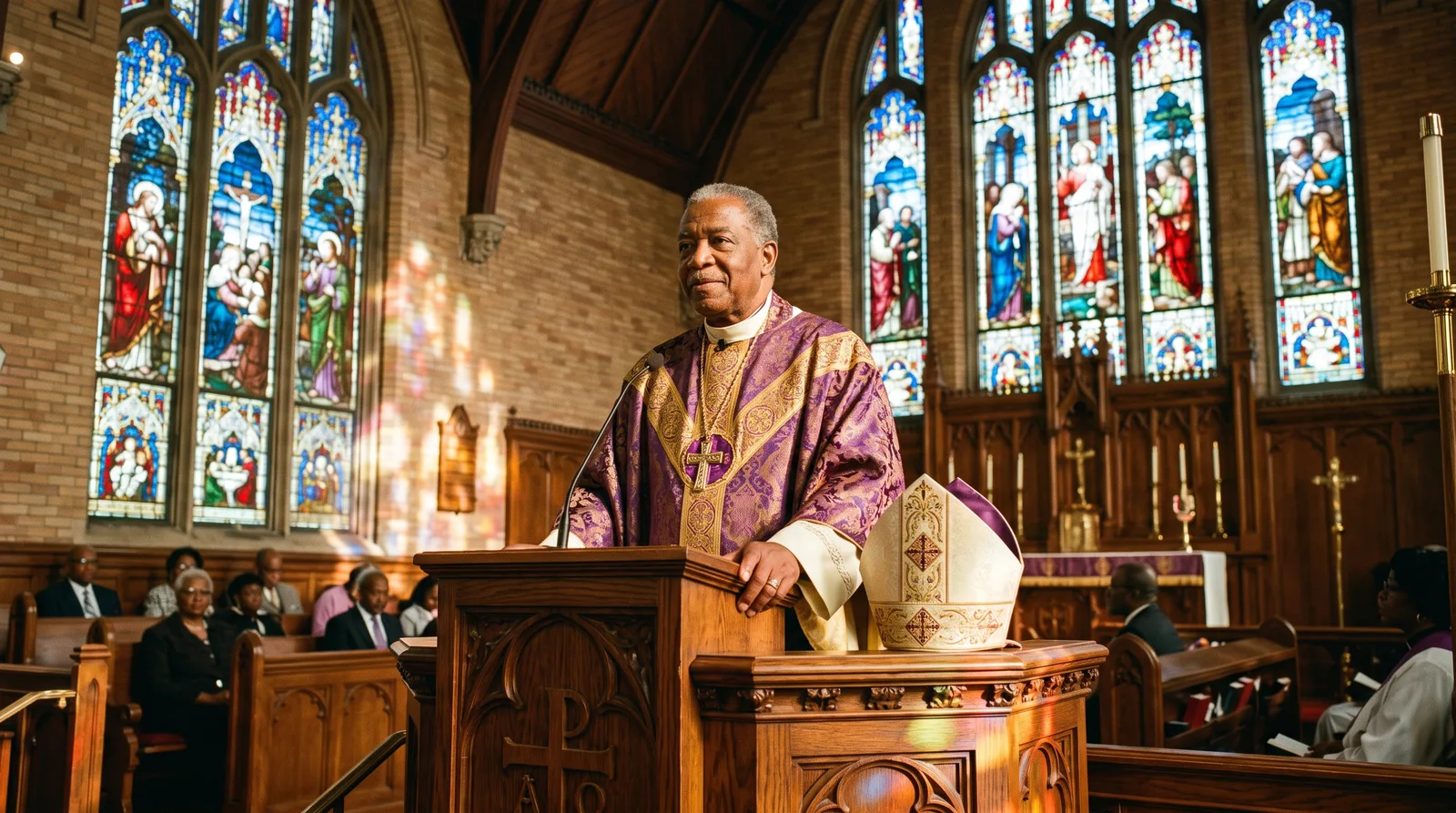
"I built this school because the office of bishop demands more than elevation — it demands formation, and our tradition deserves nothing less."— Bishop Andy Lewter
What you'll learn
What you'll be able to do
- Articulate a theologically sound and culturally grounded doctrine of the episcopate within the African American church tradition
- Lead a diocese, district, or jurisdiction with sound administrative, financial, and canonical governance principles
- Develop and execute a prophetic vision for a region or body of churches that addresses both spiritual and social community needs
- Counsel, shepherd, and provide crisis care for clergy and their families under episcopal oversight
- Conduct and preside over the full range of episcopal liturgical functions — ordinations, consecrations, confirmations, and presiding worship — with authority and excellence
- Navigate denominational politics, ecumenical relationships, and public moral leadership with wisdom, integrity, and resilience
How it works
A school that adapts to you
This isn't a set of static videos. Every lesson is generated live and tuned to where you actually are.
We learn your level
A quick placement check tailors your starting point so you're never bored or lost.
Lessons adapt as you go
Each lesson is written for your pace and your goal, adjusting as your skills grow.
Your AI coach keeps you moving
Checkpoints, feedback, and gentle nudges turn progress into a real result.
The curriculum
What's inside your school
10 modules · 48 lessons

The Theology and History of the Episcopate
Establishes the biblical, historical, and cultural-theological foundations of the office of bishop, with deep roots in the African American church tradition.
- 1.1Biblical Foundations of Episcopal AuthorityIncluded
- 1.2The Episcopate in Church HistoryIncluded
- 1.3The African American Episcopal TraditionIncluded
- 1.4Theology of Holy Orders and ConsecrationIncluded
- 1.5The Bishop as Servant-Leader: A Womanist and Black Liberation PerspectiveIncluded
Episcopal Governance, Administration, and Canon Law
Equips bishops-in-formation with practical and principled skills to lead a diocese, district, or jurisdiction with integrity and order.
- 2.1Structures of Episcopal JurisdictionIncluded
- 2.2Canon Law, Church Polity, and DisciplineIncluded
- 2.3Financial Stewardship and Fiduciary ResponsibilityIncluded
- 2.4Strategic Planning for a Region of ChurchesIncluded
- 2.5Human Resources, Staff Relations, and Clergy AppointmentsIncluded
Prophetic Vision and Community Leadership
Develops the bishop's capacity to discern, articulate, and execute a prophetic vision that addresses both the spiritual and social needs of a region.
- 3.1The Prophetic Office of the BishopIncluded
- 3.2Visioning and Strategic Mission for a JurisdictionIncluded
- 3.3Social Justice, Civic Engagement, and Community DevelopmentIncluded
- 3.4Preaching with Episcopal AuthorityIncluded
- 3.5Building Coalitions: Partnerships with Institutions and GovernmentIncluded
Pastoral Care, Clergy Wellness, and Episcopal Shepherding
Trains bishops to be effective shepherds of shepherds — counseling, supporting, and providing crisis care for clergy and their families.
- 4.1The Bishop as Chief ShepherdIncluded
- 4.2Providing Pastoral Care to Clergy and Their FamiliesIncluded
- 4.3Clergy Misconduct, Restoration, and AccountabilityIncluded
- 4.4Crisis Intervention and Trauma-Informed Episcopal CareIncluded
- 4.5The Bishop's Own Soul: Spiritual Formation and Self-CareIncluded
Episcopal Liturgy, Worship, and Sacred Rites
Prepares bishops to preside with authority, excellence, and cultural authenticity over the full range of episcopal liturgical functions.
- 5.1The Theology and Order of Episcopal WorshipIncluded
- 5.2Presiding at Ordinations and ConsecrationsIncluded
- 5.3Confirmations, Baptisms, and Rites of InitiationIncluded
- 5.4Episcopal Presence in Funerals, Memorials, and Holy ConvocationsIncluded
- 5.5Vestments, Protocol, and the Symbolism of Episcopal OfficeIncluded
Denominational Politics, Ecumenism, and Public Moral Leadership
Equips bishops to navigate the complex relational, political, and public dimensions of episcopal leadership with wisdom, integrity, and resilience.
- 6.1Navigating Denominational Power and PoliticsIncluded
- 6.2Ecumenical and Interfaith RelationshipsIncluded
- 6.3The Bishop as Public Moral VoiceIncluded
- 6.4Media, Communications, and Managing the Episcopal PlatformIncluded
- 6.5Succession, Legacy, and the Long Arc of Episcopal LeadershipIncluded
From Apostles to Bishops
How did the informal, charismatic leadership of Jesus and the Twelve Apostles become the structured office of the bishop we know today? This course traces that transformation across the pivotal 70 years of early Christianity (30–100 CE), moving from Jesus' original commissioning of the Twelve through the Jerusalem church, Paul's missionary expansion, the upheaval of the Jewish Revolt, and the theological controversies that ultimately crystallized into the Pastoral Epistles' vision of episcopal office. Drawing on Scripture, historical scholarship, and the reflections of a sitting bishop, this course is designed for clergy and lay leaders across denominational traditions — Methodist, Pentecostal, Baptist, Episcopal, Lutheran, AME, COGIC, and beyond — who want to understand where their authority comes from and how to exercise it with both confidence and humility. Through 4 modules of teaching, discussion, and applied reflection, learners will trace the historical evidence for this development and consider what it means for church leadership in the twenty-first century.
- 7.1Why This History Matters — Framing the Episcopal QuestionIncluded
- 7.2The Jewish Matrix and the Apostolic FoundationIncluded
- 7.3Jerusalem, Paul, and the Architecture of Apostolic GovernanceIncluded
- 7.4Crisis, Controversy, and Consolidation — From 70 CE to the Episcopal OfficeIncluded
The Role of the Bishop Between the Second Century and the Sixth Century
This module helps the student to understand the changing paradigm of the office of the episcopacy once the original apostles died, through the era of heresies, monastic living, the relocation of the capital of the empire to the eastern city of Constantinople, and the eventual fall of the city of Rome in the fifth century.
- 8.1After the Apostles: Filling the Vacancy of Apostolic AuthorityIncluded
- 8.2Persecution, Martyrdom, and the Bishop as Keeper of the FlockIncluded
- 8.3Constantine, the Council of Nicaea, and the Imperializing of the EpiscopateIncluded
- 8.4Heresy, Orthodoxy, and the Bishop as Doctrinal GuardianIncluded
- 8.5The Fall of Rome, the Rise of Constantinople, and the Fracturing Episcopal WorldIncluded
The Episcopacy in the Middle Ages
How did the bishop's office evolve from a local pastoral role in a collapsing Roman world into one of the most powerful institutions in medieval civilization — spiritual, political, military, and intellectual all at once? This course picks up where the early church's apostolic-to-episcopal story leaves off and traces a thousand years of change, from Gregory the Great's bishops governing in the ruins of Rome, through the fusion of church and empire under Charlemagne and the Ottonians, the clash between popes and emperors in the Investiture Controversy, the bishop's role in launching and sustaining the Crusades, the crisis of the Great Schism, and John Wycliffe's early challenge to episcopal wealth and authority — arriving finally at the eve of the Protestant Reformation, without crossing into it. Designed for clergy and lay leaders across Catholic, Orthodox, Anglican, and Protestant traditions, this course invites learners to grapple honestly with both the achievements and the abuses of medieval episcopal power, and to ask what safeguards and structures their own tradition has built in response. Through 12 chronological modules of teaching, discussion, and applied reflection, learners will trace how spiritual office became political power — and why that history still shapes questions of church governance today.
- 9.1Bishops in a World Without RomeIncluded
- 9.2Carolingian Power and the Bishop as Royal AdministratorIncluded
- 9.3The Investiture Controversy: Who Owns the Bishop?Included
- 9.4The High Medieval Bishop: Canon Law, Cathedrals, and Intellectual AuthorityIncluded
- 9.5Crisis, Schism, and the Call for Reform: From Avignon to the Eve of 1517Included
Bishops in the Modern Era
When Martin Luther broke with Rome in 1517, he set off four centuries of debate over who has the right to lead Christ's church. This course traces the episcopacy's turbulent journey through that debate — from the Reformation's outright rejection or radical reinvention of the bishop's office, through the Church of England's retention of episcopacy and the Catholic Church's reassertion of it at Trent, into the Wesleyan movement's creation of a distinctly American Methodist episcopate, the revivalist tensions of the Great Awakenings, the Holiness Movement's critique of institutional formalism, and the rise of independent African American episcopal traditions born out of both faith and resistance to exclusion. The story culminates at Azusa Street in 1906, where a revival that began by rejecting inherited hierarchy would, within a generation, begin building new forms of episcopal oversight of its own. Designed for clergy and lay leaders across Protestant, Anglican, Methodist, Holiness, and Pentecostal traditions, this course asks what four centuries of rebellion against — and reinvention of — episcopal authority still have to teach church leaders navigating questions of authority and renewal today.
- 10.1The Reformation's Reckoning with Episcopal AuthorityIncluded
- 10.2Colonial Episcopacy, Slavery, and the Seeds of an African American ChurchIncluded
- 10.3Methodist Episcopacy and the Great Denominational RupturesIncluded
- 10.4Holiness, Fire, and the Reimagining of Episcopal Authority on the Eve of Azusa StreetIncluded
Who it's for
Is this you?

The Newly Consecrated Bishop
Just elevated to the episcopacy, they want the theological grounding and governance tools the installation service didn't provide.

The Nominated Elder
Formally nominated by their denomination, they are determined to enter the office fully prepared — not just prayerful, but formed.

The Senior Pastor Discerning the Call
A seasoned congregation leader sensing a broader call, they need a rigorous school to test and sharpen that discernment.

The Women in Episcopal Leadership
A clergywoman navigating a tradition that is still making room for her voice, seeking formation that honors both her calling and her particular vantage point.

The District Superintendent
Already overseeing multiple churches, they want to close the gap between what they're doing administratively and what the episcopal office fully demands.

The Denominational Leader
Serving in denominational structure, they want theological and political formation to lead with integrity through the complexity of institutional church life.
Questions
Frequently asked
Your teacher
A note from your teacher
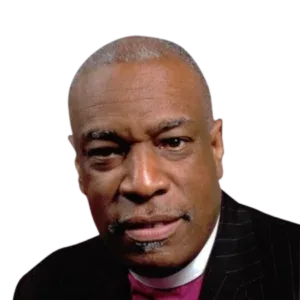
Bishop Andy Lewter
You have carried a congregation through grief, controversy, rapid growth, and seasons of drought. You have preached through pain you didn't show in your face. You have counseled ministers who were falling apart while holding your own assignment together. And somewhere along the way — whether it came through a tap on the shoulder, a formal nomination, or a quiet stirring you've been wrestling with for years — the question of the episcopacy has found you.
Maybe you've been consecrated already and you feel the weight of what you've inherited. Maybe you're being nominated and you're asking God whether you're truly ready. Maybe you've been discerning this call for a long time and you want to be formed — not just installed. Wherever you are, I want to say this plainly: the desire to be prepared is itself a mark of good character. The bishop who wants to be thoroughly equipped before they govern is the bishop the church actually needs.
What I've put together in The Bishop's Formation is not a ceremonial overview or a crash course in church administration. It is a full-bodied formation experience — rooted in Scripture, shaped by the particular genius and history of the African American church, and rigorous enough to honor the gravity of the office. We will move together through the theology and history of the episcopate, through governance and canon law, through the prophetic demands of leading a jurisdiction in this social moment, through the pastoral complexity of shepherding clergy and their families, through the liturgical functions that mark episcopal presence, and through the long, patient wisdom required to lead with integrity in denominational and public life. Nothing essential to the office has been left out.
I also want to say what too few people say about this call: it will cost you. Not just time — it will cost you certainty, comfort, and sometimes the illusion that you can protect everyone you love from the weight you carry. Which is why this school does not skip the interior work. We will talk about your soul. We will talk about what it means to be a shepherd who is also a sheep. We will talk about sustainability, legacy, and what it means to lead well all the way to the end.
If God has placed the episcopacy before you, come. Let us prepare together — not for the title, but for the transformation the office requires and the people entrusted to your care deserve.
— Bishop Andy Lewter
Start your journey today
Join get instant access — learn at your own pace with an AI coach in your corner.
$97/mo
Recurring billing · cancel anytime
Secure checkout · Instant access
- 10 modules, 48 lessons
- AI-adaptive lessons tuned to your level
- Quizzes & checkpoints to lock in progress
- Your own AI learning coach
- Learn on any device, at your pace
- Full access for as long as you're subscribed