Social emotional learning built for homeschool families — so your kids don't miss a thing.
Chill Champs Academy is a warm, faith-friendly academy built exclusively for homeschool families — guiding learners ages 9–16 through real emotional regulation, executive functioning, and resilience skills, organized into three developmental tracks so every child grows at exactly the right level.

I believe every young person deserves a safe place to understand their own inner world — not when they're in crisis, but long before they get there.
— Terri McColl, PSC, LCPC, NBCC, NCSC
What you'll learn
What you'll be able to do
- Identify and name emotions as they arise in the body, using practical somatic and grounding tools to self-regulate in the moment
- Build and sustain personal executive functioning habits — organization, time management, and task follow-through — tailored to a homeschool schedule
- Distinguish between facts and feelings when worry or overwhelm strikes, and apply a concrete reset strategy independently
- Articulate personal values and boundaries confidently, practicing self-advocacy and proactive communication in real-life situations
- Develop a resilient inner voice that quiets self-criticism and replaces it with honest, compassionate self-monitoring and growth tracking
- Create a personalized toolkit of emotional wellness artifacts — journals, strategy cards, planner entries, and reflection routines — for lifelong self-directed wellbeing
How it works
A school that adapts to you
This isn't a set of static videos. Every lesson is generated live and tuned to where you actually are.
We learn your level
A quick placement check tailors your starting point so you're never bored or lost.
Lessons adapt as you go
Each lesson is written for your pace and your goal, adjusting as your skills grow.
Your AI coach keeps you moving
Checkpoints, feedback, and gentle nudges turn progress into a real result.
The curriculum
What's inside your school
21 modules · 109 lessons
Explorers: Understanding Your Emotions (Ages 9–11)
Introduces young learners to emotional vocabulary, body signals, and the difference between facts and fears.
- 1.1What Anxiety Feels LikeIncluded
- 1.2Catching Worry ThoughtsIncluded
- 1.3Separating Facts From FeelingsIncluded
- 1.4Calm-Down Strategies That Actually WorkIncluded
- 1.5Handling 'What-If' ThoughtsIncluded
- 1.6Building Confidence With Action StepsIncluded
Explorers: Feelings, Friendships & Getting Along (Ages 9–11)
Builds emotional literacy and early social skills so learners can navigate peer dynamics with kindness and clarity.
- 2.1Naming the Feeling WheelIncluded
- 2.2Big Feelings vs. Small FeelingsIncluded
- 2.3When Friendships Feel HardIncluded
- 2.4Saying How I Feel Without FightingIncluded
- 2.5Empathy: Seeing From Someone Else's ShoesIncluded
Explorers: Focus, Organization & Goal-Setting (Ages 9–11)
Lays the foundation for executive functioning through simple planning, organization, and goal-setting habits.
- 3.1Why Organization Helps Your BrainIncluded
- 3.2Building a Homeschool Daily RoutineIncluded
- 3.3Breaking Big Tasks Into Small StepsIncluded
- 3.4Setting a Goal I Actually Care AboutIncluded
- 3.5Tracking Progress and Celebrating WinsIncluded
Time Management, Planning and Prioritizing
Ever feel like there's never enough time — or like you're not sure where to even start? In this module, you'll build real, practical skills to take control of your day with confidence. You'll discover how to estimate how long tasks actually take (no more surprise crunches!), put together a simple plan that works for your life, and break big, overwhelming assignments into smaller, totally doable steps. You'll also learn how to figure out what needs your attention first — so you can stop spinning your wheels and start moving forward. Whether you're juggling schoolwork, hobbies, or everything in between, these tools will help you feel calmer, more organized, and ready to tackle whatever comes your way.
- 4.1How Long Will That Take?Included
- 4.2Chunking It DownIncluded
- 4.3First Things First — How to PrioritizeIncluded
- 4.4Building Your Simple PlanIncluded
Flexible Thinking, Problem- Solving, and Self Monitoring
In this module, learners build the mental flexibility to adapt when plans change, shift strategies when something isn't working, and tune into their own progress with curiosity rather than frustration. Through relatable scenarios and guided practice, students develop the habit of asking, "What can I try differently?" — a powerful self-monitoring skill that fuels resilience, independence, and confident problem-solving in everyday life.
- 5.1When Plans Change: Bending Without BreakingIncluded
- 5.2Reading the Signs: Noticing When Something Isn't WorkingIncluded
- 5.3The Pivot Playbook: Swapping Strategies Without Giving UpIncluded
- 5.4Progress Check: Asking 'What Can I Do Differently?'Included
Working Memory, Following Directions and Task Completion
In this module, learners build the working memory and task-completion skills that make everyday learning feel less overwhelming. Through guided practice, they explore how to hold multi-step directions in mind, use checklists and visual tools to stay organized, and develop the follow-through needed to see a task all the way to the finish line — one manageable step at a time.
- 6.1How Your Working Memory WorksIncluded
- 6.2Mastering Multi-Step DirectionsIncluded
- 6.3Building Checklists That Actually Work for YouIncluded
- 6.4Staying With a Task Until It's DoneIncluded
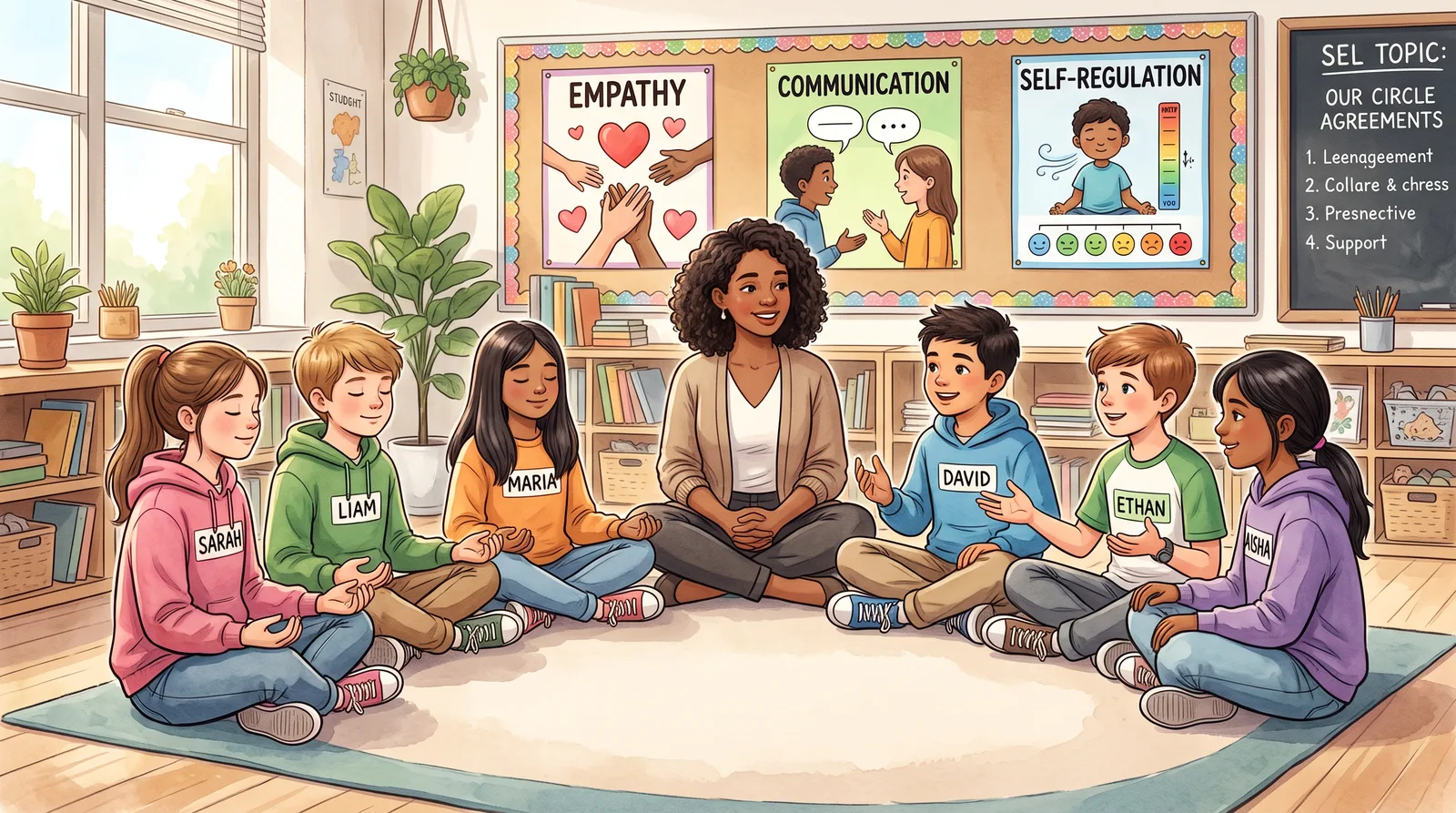
Explorers: Self-Care, Body Wisdom & Inner Strength (Ages 9–11)
Teaches learners to listen to their body's signals and build everyday self-care habits that support emotional wellness.
- 7.1What Is Self-Care (Really)?Included
- 7.2Sleep, Food, and FeelingsIncluded
- 7.3Movement as a Mood ToolIncluded
- 7.4My Personal Calm KitIncluded
- 7.5Finding My Inner StrengthIncluded
- 7.6Gratitude and a Growth MindsetIncluded
Navigators: Identity, Values & Peer Pressure (Ages 12–13)
Guides emerging adolescents through self-discovery, personal values, and standing firm in social situations.
- 8.1Who Am I? Exploring My IdentityIncluded
- 8.2My Values CompassIncluded
- 8.3Understanding Peer PressureIncluded
- 8.4Standing Firm Without Losing FriendsIncluded
- 8.5Social Media, Comparison, and Self-WorthIncluded
- 8.6Building a Circle of TrustIncluded
Navigators: Managing Big Emotions & Overwhelm (Ages 12–13)
Equips middle-school learners with regulation tools for frustration, anxiety, and the overwhelm of growing responsibilities.
- 9.1The Overwhelm Spiral (And How to Exit It)Included
- 9.2Anger Is Information, Not the EnemyIncluded
- 9.3When Sadness LingersIncluded
- 9.4Stress vs. Burnout: Knowing the DifferenceIncluded
- 9.5Advanced Calming Strategies for Bigger BrainsIncluded
- 9.6Creating My Emotional First-Aid PlanIncluded
Navigators: Time Management & Executive Functioning (Ages 12–13)
Develops practical time management, planning, and task-completion skills suited to a growing homeschool workload.
- 10.1How My Brain Manages Time (And Why It's Hard)Included
- 10.2Weekly Planning for HomeschoolersIncluded
- 10.3Tackling Procrastination Head-OnIncluded
- 10.4Prioritizing: Urgent vs. ImportantIncluded
- 10.5Staying Focused When No One Is WatchingIncluded
- 10.6Proactive Communication With Parents and Co-op PeersIncluded
Navigators: Flexible Thinking, Problem- Solving, and Self Monitoring
In this module, learners build the mental flexibility to adapt when plans change, shift strategies when something isn't working, and tune into their own progress with curiosity rather than frustration. Through relatable scenarios and guided practice, students develop the habit of asking, "What can I try differently?" — a powerful self-monitoring skill that fuels resilience, independence, and confident problem-solving in everyday life.
- 11.1When Plans Change: Building Your Flexibility MuscleIncluded
- 11.2Stuck or Just Not There Yet? Shifting Strategies That Aren't WorkingIncluded
- 11.3Tuning In: Self-Monitoring with CuriosityIncluded
- 11.4What Can I Try Differently? Putting It All TogetherIncluded
Navigators: Working Memory, Following Directions and Task Completion
In this module, learners build the working memory and task-completion skills that make everyday learning feel less overwhelming. Through guided practice, they explore how to hold multi-step directions in mind, use checklists and visual tools to stay organized, and develop the follow-through needed to see a task all the way to the finish line — one manageable step at a time.
- 12.1How Your Working Memory WorksIncluded
- 12.2Following Multi-Step Directions Without Losing Your PlaceIncluded
- 12.3Checklists, Visual Tools & Your Organization SystemIncluded
- 12.4Follow-Through: Getting to the Finish LineIncluded
Navigators: Resilience, Grit & Self-Compassion (Ages 12–13)
Strengthens middle-school learners' ability to bounce back from setbacks with honesty, grit, and self-compassion.
- 13.1What Resilience Really MeansIncluded
- 13.2Failing Forward: Learning From MistakesIncluded
- 13.3Silencing the Inner Critic (Intro)Included
- 13.4Grit: Keeping Going When It Gets HardIncluded
- 13.5My Resilience PortfolioIncluded
Trailblazers: Self-Awareness & Inner Critic Work (Ages 14–16)
Deepens high-school learners' self-awareness and teaches advanced tools to quiet self-criticism and build honest self-compassion.
- 14.1Mapping Your Emotional LandscapeIncluded
- 14.2The Inner Critic vs. The Inner CoachIncluded
- 14.3Cognitive Distortions: Lies Your Brain Tells YouIncluded
- 14.4Rewriting the NarrativeIncluded
- 14.5Self-Compassion as a Daily PracticeIncluded
- 14.6Values-Based Decision Making Under PressureIncluded
Trailblazers: Boundaries, Self-Advocacy & Communication (Ages 14–16)
Trains high-school learners to set healthy boundaries, communicate assertively, and advocate for their own needs.
- 15.1What Healthy Boundaries Actually Look LikeIncluded
- 15.2Setting Limits Without GuiltIncluded
- 15.3Assertive vs. Aggressive vs. Passive CommunicationIncluded
- 15.4Self-Advocacy in Learning EnvironmentsIncluded
- 15.5Conflict Resolution Without Losing YourselfIncluded
- 15.6Digital Boundaries in a Connected WorldIncluded
Trailblazers: Advanced Executive Functioning & Productivity (Ages 14–16)
Builds sophisticated planning, focus, and self-management systems that support high-school independence and future readiness.
- 16.1Designing Your Personal Productivity SystemIncluded
- 16.2Long-Range Planning and Backward DesignIncluded
- 16.3Managing Cognitive LoadIncluded
- 16.4Cognitive Flexibility: Adapting When Plans ChangeIncluded
- 16.5Building Habits That StickIncluded
- 16.6Preparing for Life Beyond HomeschoolIncluded
Trailblazers: Resilience, Purpose & Lifelong Wellness (Ages 14–16)
Integrates all tracks into a lasting personal wellness framework rooted in purpose, resilience, and self-directed growth.
- 17.1Advanced Emotional Regulation Under PressureIncluded
- 17.2Finding Your 'Why': Purpose and MotivationIncluded
- 17.3Stress Inoculation: Building Tolerance for Hard ThingsIncluded
- 17.4Sustainable Self-Care SystemsIncluded
- 17.5Building Your Personal Wellness ToolkitIncluded
- 17.6Celebrating Growth: My SEL JourneyIncluded
Trailblazers: Career Exploration
In this module, learners dive into the exciting world of career exploration by connecting their unique strengths, personal interests, and core values to real-world possibilities. Through engaging, self-paced activities, students discover a wide range of career pathways — learning what different roles actually look like day to day, what education or training is typically required, and how their individual gifts can shape a fulfilling future. Designed with the whole learner in mind, Trailblazers helps young people build confidence and clarity as they begin mapping out their own one-of-a-kind path forward.
- 18.1What You Bring to the WorldIncluded
- 18.2What Matters Most — Connecting Values to WorkIncluded
- 18.3Exploring the Career LandscapeIncluded
- 18.4Pathways In — Education, Training & Real-World Entry PointsIncluded
- 18.5My Career Compass — Pulling It All TogetherIncluded
Explorers: Career Exploration (Ages 9–11)
An age-appropriate introduction to the world of work for younger learners — helping Explorers connect their strengths, interests, and values to real-world possibilities through hands-on activities and family conversations.
- 19.1What Do People Do All Day? Exploring Jobs Around UsIncluded
- 19.2What Am I Good At? Finding My StrengthsIncluded
- 19.3What Do I Love? Connecting Interests to WorkIncluded
- 19.4Jobs That Help People, Make Things, and Explore IdeasIncluded
- 19.5My Career Curiosity Map — What I Wonder AboutIncluded
Trailblazers: Working Memory, Following Directions & Task Completion (Ages 14–16)
Teens build advanced working memory strategies, master complex multi-step directions, and develop the self-discipline to follow through on tasks from start to finish — applied to real homeschool and life contexts.
- 20.1How Working Memory Actually Works (And Why Teens Lose It)Included
- 20.2Holding More in Mind: Advanced Memory StrategiesIncluded
- 20.3Decoding Complex, Multi-Step DirectionsIncluded
- 20.4Building Personal Systems for Task CompletionIncluded
- 20.5Follow-Through Under Pressure: Finishing What You StartIncluded
Trailblazers: Flexible Thinking, Problem-Solving & Self-Monitoring (Ages 14–16)
Older teens develop sophisticated cognitive flexibility, structured problem-solving frameworks, and honest self-monitoring habits — moving beyond reaction to intentional, strategic thinking in complex situations.
- 21.1Cognitive Flexibility: Why Your Brain Resists Change (And How to Train It)Included
- 21.2Advanced Problem-Solving FrameworksIncluded
- 21.3Thinking in Systems: Seeing the Bigger PictureIncluded
- 21.4Self-Monitoring as a Superpower: Catching Yourself in Real TimeIncluded
- 21.5Putting It Together: My Strategic Thinking PlaybookIncluded
Who it's for
Is this you?

The dedicated homeschool mom
She covers every academic base but knows her 10-year-old's big emotions and worry spirals need a real, structured approach — not just patience and prayer.

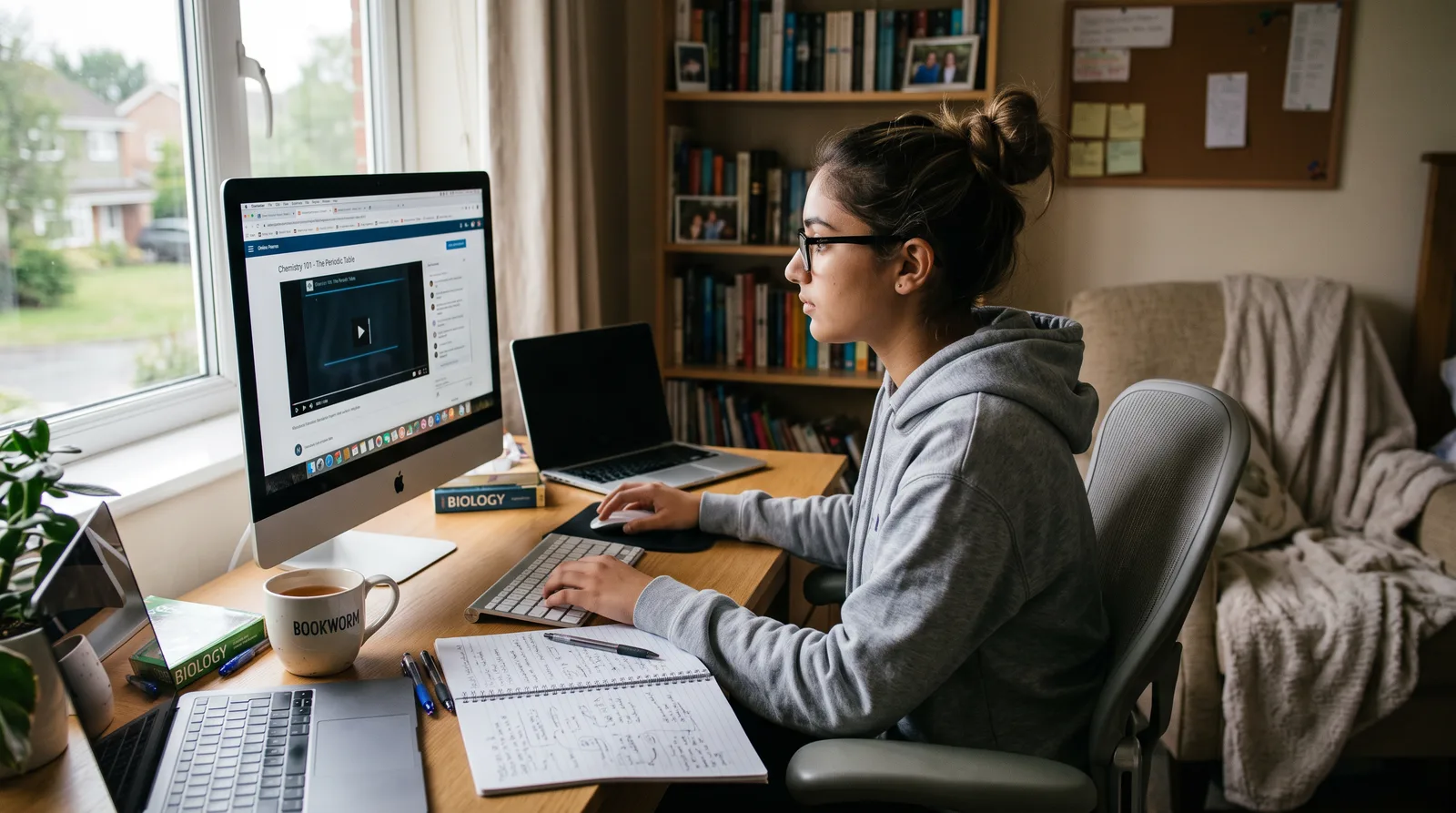
The self-directed teen
A 15-year-old Trailblazer ready to tackle his inner critic, design his own productivity system, and figure out who he actually is — on his own terms.

The faith-forward homeschooling family
They want SEL that aligns with their values and worldview — warm, human, and free of ideology that conflicts with how they're raising their kids.
The overwhelmed middle schooler
A 12-year-old Navigator who shuts down under pressure, struggles to manage her homeschool day, and desperately needs tools for the overwhelm spiral she can't yet name.

The homeschool dad who wants to help
He's deeply involved in his kids' education but feels out of his depth when emotions run high — and wants a curriculum that does the emotional heavy lifting alongside him.
The sensitive, socially thoughtful learner
A 10-year-old Explorer who feels everything deeply, struggles with friendships and empathy, and needs a gentle, judgment-free space to understand her big inner world.
Questions
Frequently asked
Your teacher
A note from your teacher
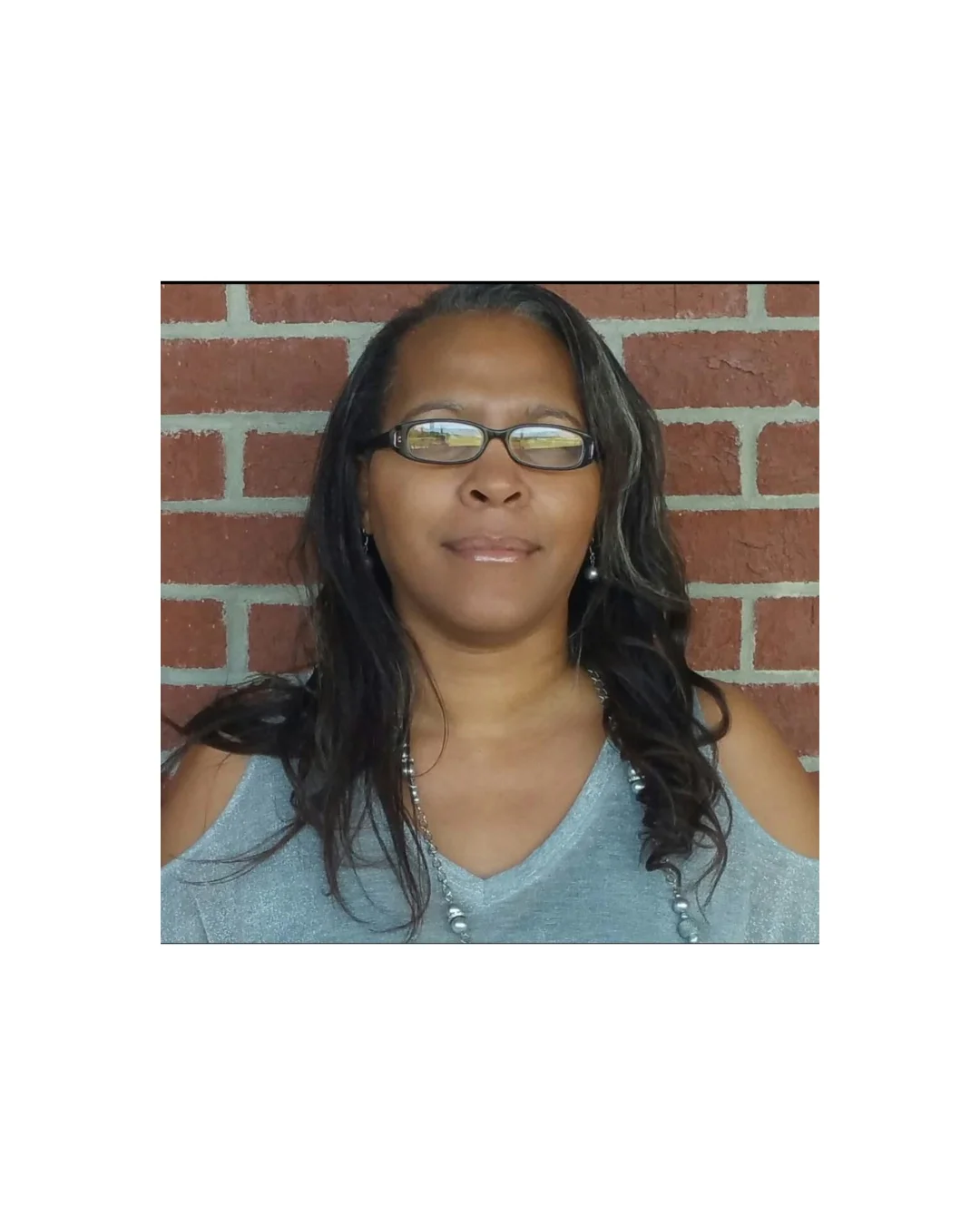
Terri McColl, PSC, LCPC, NBCC, NCSC
If you're reading this, I'm guessing you've had at least one moment — maybe many — where your child was overwhelmed, shut down, or spinning in worry, and you weren't sure what to say or do. You love them deeply. You've chosen to walk alongside their education every single day. And yet this piece — the emotional piece — can feel like uncharted territory, especially when there's no school counselor down the hall and no curriculum mapped out for it.
I built Chill Champs Academy because I believe that emotional skills aren't a luxury or a "nice to have." They are the foundation everything else is built on. When a child doesn't know how to name what they feel, manage overwhelm, or quiet that harsh inner voice, it doesn't matter how good the math curriculum is. The learning can't land. The relationships strain. The confidence erodes quietly, day by day.
What I wanted to create was something that speaks directly to the learner — not at them, not about them, but with them. Every lesson inside Chill Champs Academy is written in the same warm, honest, "we're figuring this out together" tone because that's what actually works with young people. Not clinical worksheets. Not lecture-style instruction. Real conversations about real feelings, grounded in practical tools they can use the same afternoon. Explorers learn to catch a worry thought before it spirals. Navigators learn to exit the overwhelm cycle and build weekly routines that actually fit a homeschool life. Trailblazers go deep — challenging the inner critic, designing their own productivity system, setting values-based boundaries, and preparing for the world beyond the homeschool years.
I also hear you if you've been cautious about SEL programs that feel ideologically loaded or that seem to conflict with your family's faith and values. Chill Champs Academy isn't that. The skills we teach — empathy, gratitude, resilience, honest self-reflection, compassionate self-talk — are human skills, rooted in values most families already hold dear. You won't need to edit, filter, or explain away anything here.
What I hope most is that your child finishes each track with something tangible in their hands — a calm kit, a resilience portfolio, a personal wellness toolkit — and something even more important in their chest: the honest, quiet confidence that comes from knowing themselves a little better, and trusting that they can handle what's coming.
That's the promise of Chill Champs Academy. Come join us.
— Terri McColl, PSC, LCPC, NBCC, NCSC
Start your journey today
Get instant access — learn at your own pace with an AI coach in your corner.
$35/mo
Recurring billing · cancel anytime
Secure checkout · Instant access
- 21 modules, 109 lessons
- AI-adaptive lessons tuned to your level
- Quizzes & checkpoints to lock in progress
- Your own AI learning coach
- Learn on any device, at your pace
- Full access for as long as you're subscribed