Turn your degree into a force for change
Civic Degree gives university students and recent graduates the knowledge, tools, and plan to lead real community change — and shows you exactly how service-linked education can free you from the debt that's supposed to define your twenties.
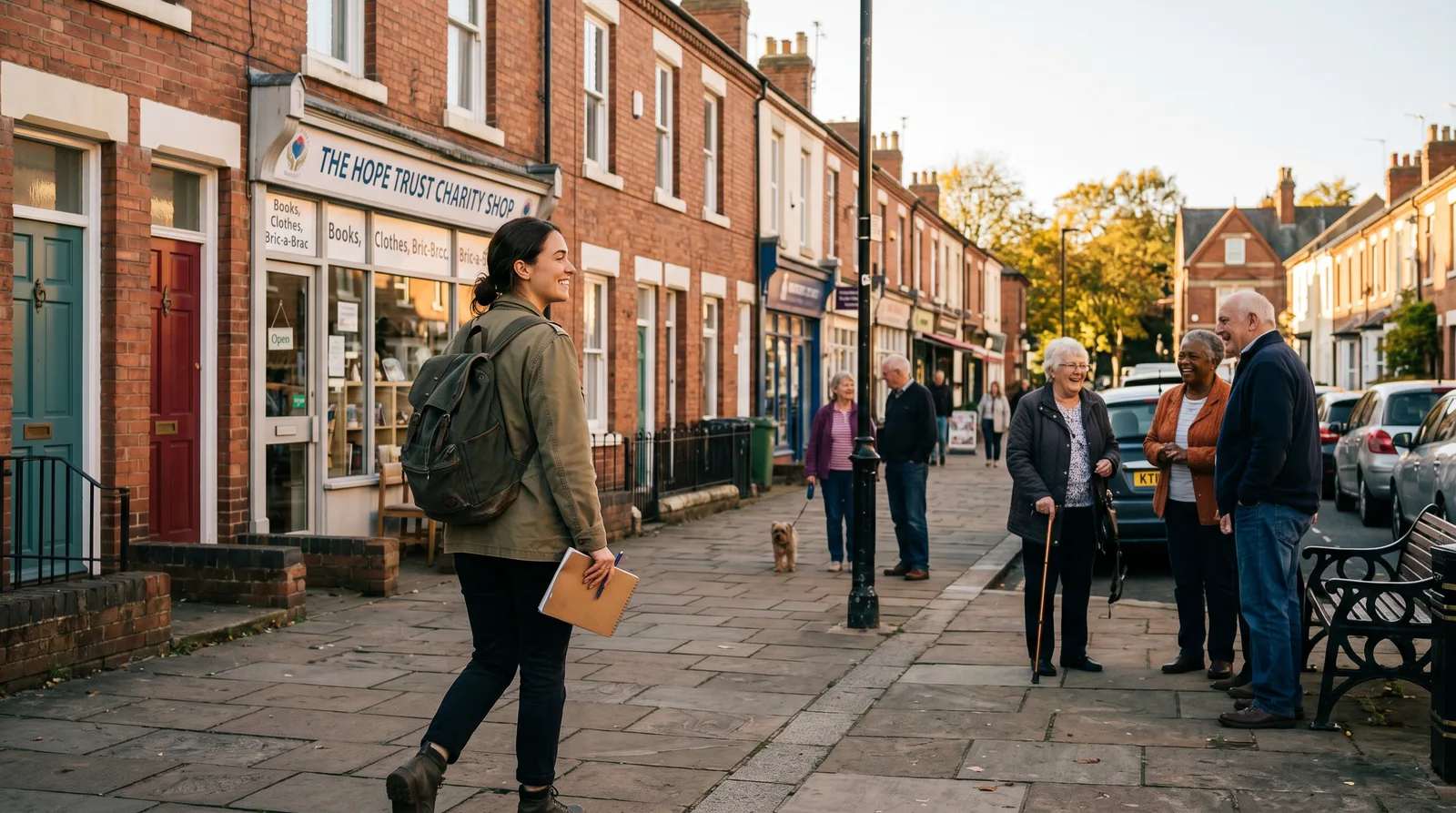
I built this school because young people aren't the future of civic life — they're the present, and it's time the system caught up.— David Clilverd

What you'll learn
What you'll be able to do
- Understand how service-for-tuition models work internationally and how to advocate for their adoption in England
- Map real local social care, environmental, and community volunteering opportunities available to graduates in their area
- Build a personal civic leadership plan for a year-long placement with measurable community goals
- Communicate confidently with local councils, charities, and social services as a young graduate volunteer
- Develop the skills — empathy, project management, community listening — needed to lead grassroots reform initiatives
- Make a compelling evidence-based case for youth representation in politics and policy-making to peers, employers, and elected officials
How it works
A school that adapts to you
This isn't a set of static videos. Every lesson is generated live and tuned to where you actually are.
We learn your level
A quick placement check tailors your starting point so you're never bored or lost.
Lessons adapt as you go
Each lesson is written for your pace and your goal, adjusting as your skills grow.
Your AI coach keeps you moving
Checkpoints, feedback, and gentle nudges turn progress into a real result.
The curriculum
What's inside your school
6 modules · 20 lessons

Why Service-for-Tuition? The Case for Linking Education to Community
This foundational module establishes the intellectual and policy case for the service-for-tuition model before students do any practical work. Students examine the real weight of English student debt, survey how other nations have already solved this problem, and stress-test what an English version might concretely look like. Completing this module first ensures every later module — mapping, planning, communicating, leading — is grounded in a shared, evidence-rich understanding of why the programme exists at all.
- 1.1The English Student Debt Crisis in Plain NumbersIncluded
- 1.2International Blueprints — Service-Linked Education Around the WorldIncluded
- 1.3Designing the English Model — What Would It Actually Look Like?Included
Mapping Your Local Landscape — Social Care, Community Need, and Where You Fit
Before students can build a civic year plan, they must understand the actual terrain of need and opportunity in their own locality. This module builds the research, observation, and listening skills needed to map real social care, environmental, and community volunteering opportunities — turning abstract policy enthusiasm into grounded local knowledge. It also introduces community listening as a foundational leadership skill, preparing students for the personal-plan building of Module 3.
- 2.1Reading a Community — Needs, Assets, and Invisible GapsIncluded
- 2.2Placement Types — Understanding the Range of Civic Year RolesIncluded
- 2.3Talking to Real People — Community Listening as a Leadership SkillIncluded
Building Your Civic Leadership Plan — Goals, Skills, and a Year That Counts
With policy context established and local landscape mapped, students now turn inward and forward simultaneously: who are they as leaders, what do they want to achieve, and how do they construct a credible, measurable civic year plan? This module bridges self-knowledge and community knowledge into a practical, personalised document that students will refine and defend. It also introduces reflective practice as an ongoing habit — essential for sustained civic leadership — and explicitly addresses the cultural shift from university social norms to civic responsibility.
- 3.1Who Are You as a Leader? Strengths, Blindspots, and Civic IdentityIncluded
- 3.2Setting Goals That Actually Mean Something — Measuring Community ImpactIncluded
- 3.3Your Civic Year Plan — Pulling It All TogetherIncluded
Communicating With Councils, Charities, and Communities — The Young Graduate's Toolkit
A civic year plan is only as good as the student's ability to communicate it to — and within — real institutions. This module builds the practical communication toolkit graduates need: understanding how local government actually works, navigating the voluntary sector, and having honest, empathetic, boundaried conversations in care and community settings. A new prerequisite lesson on professional and digital presence has been added to ensure students can represent themselves credibly before they knock on any door.
- 4.1Your Professional and Digital Presence as a Graduate VolunteerIncluded
- 4.2Understanding Local Government — How Councils Actually WorkIncluded
- 4.3Working With Charities and Voluntary Organisations as a GraduateIncluded
- 4.4Having Hard Conversations — Empathy, Boundaries, and Honest Communication in Care SettingsIncluded
Leading Grassroots Reform — Project Management, Community Power, and Making Change Stick
This module moves students from participant to initiator: having mapped need, built a plan, and learned to communicate, they now lead. Students learn how to conceive, plan, deliver, and evaluate a community project; how to build coalitions across generations, institutions, and interests; and how to embed change so it outlasts their placement year. A new lesson on ethics and safeguarding in community leadership has been added — a critical gap in the original draft — because leading reform with vulnerable populations without ethical grounding risks harm however good the intentions.
- 5.1Ethics and Safeguarding in Community LeadershipIncluded
- 5.2From Volunteer to Changemaker — Initiating a Community ProjectIncluded
- 5.3Project Management for People Who Care — Planning, Adapting, and FinishingIncluded
- 5.4Building Coalitions — Bringing Others Along for Lasting ReformIncluded
Youth, Politics, and the Case for a Younger Parliament — Making the Argument That Changes Minds
The course culminates in the broadest claim of the original policy vision: that the model of linking service to citizenship should extend into politics itself, with a much larger proportion of young people in Parliament and in public decision-making. Students learn to make this case rigorously and persuasively — to peers, employers, and elected officials — and to connect it back to everything they have experienced and built across the course. The module closes with a public commitment: a personal manifesto and a revised version of the letter written in Module 1, now informed by everything that followed.
- 6.1Young People and Power — The Democratic Deficit in NumbersIncluded
- 6.2Advocacy Skills — Making the Case to People Who Don't Already Agree With YouIncluded
- 6.3Your Manifesto — Committing Publicly to Civic LeadershipIncluded
Who it's for
Is this you?

The debt-anxious finalist
Approaching graduation with a growing loan and a nagging sense there should be a better deal — and wants to understand service-linked education well enough to demand it.

The recent graduate adrift
Has a degree but no clear next step, and suspects a civic year might be exactly the purposeful reset they're looking for before a conventional career.

The aspiring councillor
Already curious about local politics and wants to understand how councils work, how to advocate for youth representation, and how to start building a public civic identity.

The community-minded volunteer
Already giving time locally but wants to lead — not just help — and needs the project management and coalition-building skills to make grassroots ideas stick.

The policy-curious idealist
Passionate about social care or environmental reform and wants to learn how to make an evidence-based case that actually changes minds, not just preaches to the converted.

The first-gen student
The first in their family to go to university, deeply aware of what community support meant growing up, and determined to give something back in a structured, impactful way.
Questions
Frequently asked
Your teacher
A note from your teacher
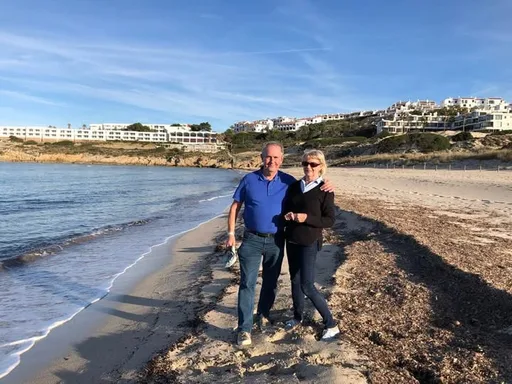
David Clilverd
If you're reading this, I'd guess you're somewhere between inspired and exhausted. You've done what you were supposed to do — or you're nearly there — and the reward is a loan statement that'll follow you for decades and a job market that doesn't exactly have a queue for "person who wants to help." That tension is real, and I don't want to dress it up.
Civic Degree started from a simple frustration: there's no shortage of young people who want to contribute something meaningful to their communities, and there's no shortage of communities that need exactly what those young people can offer. What's missing is the bridge. The practical knowledge. The plan. The confidence to walk into a council meeting or a charity partnership and know what you're doing and why.
That's what this school is. It's not a pep talk and it's not a policy seminar. It's a structured, honest, practical education in civic leadership — built specifically for the years between graduating and finding your footing. We go through the student debt picture with clear eyes, study the international models that have already linked education to service, and then we get to work: mapping your local landscape, building your civic year plan, learning how local government actually functions, and developing the project management and communication skills that turn good intentions into real outcomes.
I built this because I believe that young people are not a problem to be managed or a demographic to be consulted. You're the most important resource a community has, and the system — as it stands — is not doing nearly enough to connect your energy and intelligence to the places that need it. Every module in this school is designed to close that gap, a little at a time, starting with you.
If you finish Civic Degree with a concrete civic leadership plan, a clearer sense of your own strengths and blindspots as a leader, and the vocabulary and confidence to argue for meaningful change — that's the transformation I'm after. Not a certificate on a wall. A contribution that actually lands. Come and make it.
— David Clilverd
Start your journey today
Join get instant access — learn at your own pace with an AI coach in your corner.
$19/mo
Recurring billing · cancel anytime
Secure checkout · Instant access
- 6 modules, 20 lessons
- AI-adaptive lessons tuned to your level
- Quizzes & checkpoints to lock in progress
- Your own AI learning coach
- Learn on any device, at your pace
- Full access for as long as you're subscribed