Service Menu vs. Treatment Plan: What's the Difference and Why It Matters for Your Esthetics Business
AMAnne Marie Badour · October 22, 2026 · 4 min read
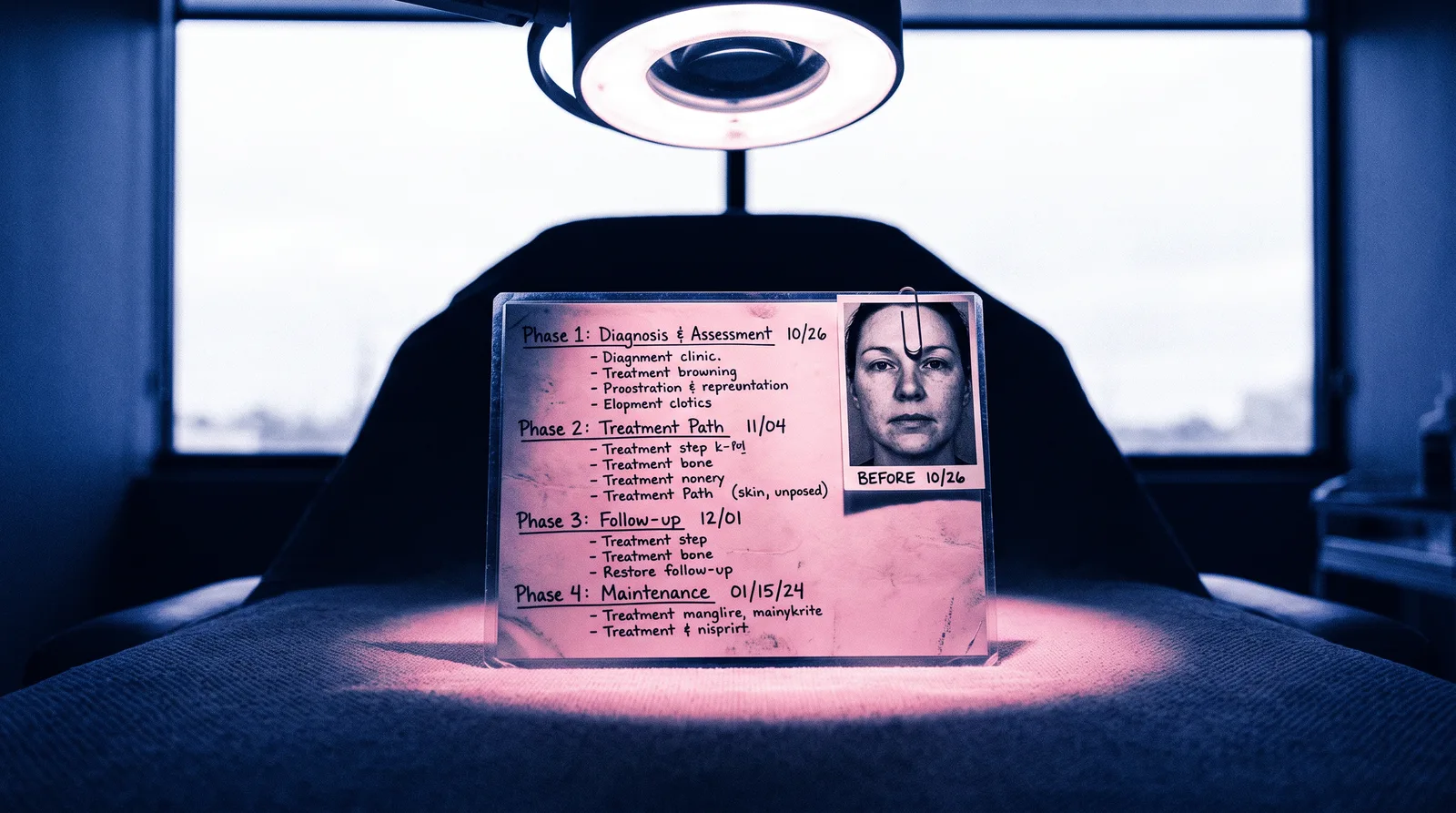
There's a moment most estheticians recognize. A client books a facial, has a genuinely wonderful experience, tips generously, and says, "I'll definitely be back!" — and then you don't see them for five months. No loyalty. No momentum. Just a one-and-done transaction you have to replace with a brand-new booking.
If that cycle feels familiar, the problem often isn't your skill or your marketing. It's the structure you're selling from.
What a Service Menu Actually Is
A service menu is a list of what your business offers — a 60-minute hydrating facial, a chemical peel, a lash tint. It's organized by category, priced individually, and designed to help a new client understand their options quickly.
There's nothing wrong with having one. Every business needs one. But a service menu is a catalog, not a prescription. It puts the client in the position of deciding what they need based on names and price points, without the context to make an informed choice. That means most clients default to whatever sounds familiar, whatever is cheapest, or whatever their friend got.
The menu is a starting point. It should never be the endpoint of your client relationship.
What a Treatment Plan Is
A treatment plan is a personalized, time-specific roadmap built around one client's skin goals, concerns, lifestyle, and budget. It answers a different question entirely: not "what do we offer?" but "what does this person need, in what order, and how often?"
A solid treatment plan typically includes:
- A primary goal — the specific concern you're targeting together (hyperpigmentation, breakouts, pre-event prep, aging concerns, etc.)
- A recommended series — the number and frequency of professional treatments needed to move the needle on that goal
- A home-care protocol — the at-home steps that support and extend the in-clinic work
- A timeline — a realistic window for when the client can expect to see meaningful results
- A re-evaluation point — a built-in check-in where you assess progress and adjust
That structure does something a menu can never do: it gives the client a reason to come back. Not because you asked them to, but because their plan says so.
Why This Distinction Changes Your Revenue Model
When a client books off a menu, every appointment is essentially a new decision. They weigh the cost, their schedule, how their skin looks that week — and the bar to rebook is surprisingly high.
When a client is on a treatment plan, the next appointment is already assumed. It's part of the process they've committed to. The decision was made at the consultation, not at checkout.
That shift — from reactive booking to proactive planning — is what drives recurring revenue. A client on a four-treatment series books four appointments. A client on an ongoing maintenance plan books indefinitely, because there's always a next step in their skin health journey. Their lifetime value isn't capped by a single visit; it grows with their results.
It also changes the conversation at checkout. Instead of asking, "Would you like to book again?" — a question the client can easily say no to — you're confirming: "Your next session is in four weeks, which puts us right on track for what we mapped out. I have Tuesday the 14th or Thursday the 16th — which works better for you?" That's not a sales pitch. That's a plan in motion.
How to Start Making the Shift
You don't need to overhaul your entire business overnight. Here's a practical place to start:
1. Identify your top three skin concerns. Choose the concerns you treat most often — breakouts, uneven tone, dehydration, whatever fits your clientele. For each one, map out a realistic professional treatment series: how many sessions, how far apart, and what modalities you'd use.
2. Build a simple "phase one" plan. A beginner treatment plan doesn't need to be elaborate. Phase one might be as simple as: two treatments four weeks apart, a basic home-care routine, and a reassessment at week eight. That's a plan.
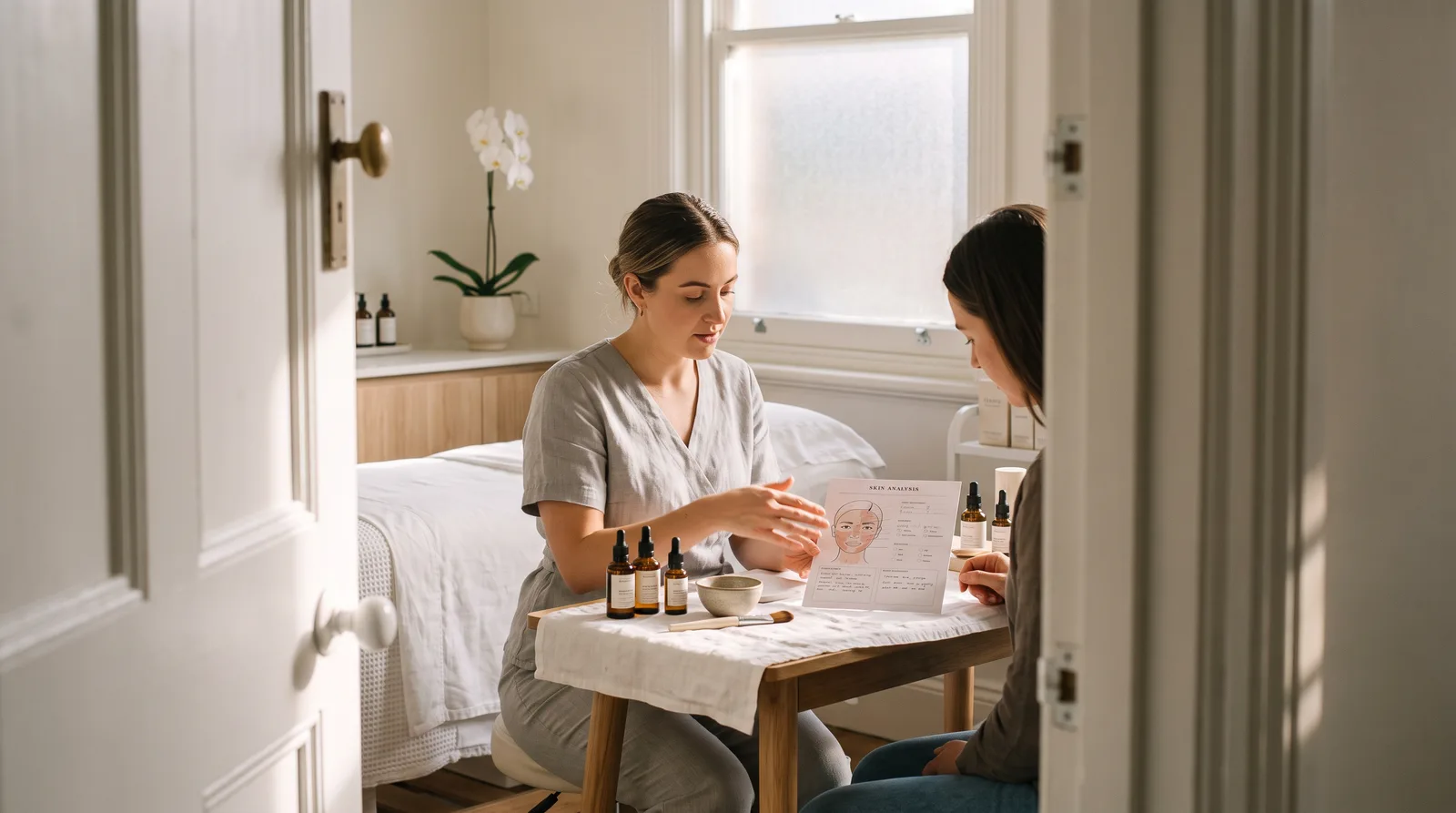
3. Present it at the consultation — before you start. The plan only works if the client understands the why behind it. Walk them through what you're seeing in their skin, what the goal is, and how the series gets them there. When clients understand the logic, they opt in.
4. Frame the menu as a resource, not a decision tool. Your service menu can still live on your website and booking platform — but in the treatment room, you're not handing someone a list and asking them to choose. You're presenting a strategy.
The Bigger Picture
A service menu is what you sell. A treatment plan is how you serve.
Clients who feel genuinely seen — whose esthetician understands their skin and has a real plan for it — don't shop around. They don't book based on whoever has a Groupon running. They stay, they refer, and they trust your recommendations when it comes time to add a new treatment or upgrade their home-care routine.
That's the business you're building when you move from menu-based selling to plan-based practice. And it starts with one consultation done differently.
Want to go deeper than a blog post?
The Skin Strategist
A professional development program for aestheticians who want to design customised treatment plans, build strategic service packages, and grow a loyal, high-value clientele — without the hard sell.
Start learning — $67/mo