
Read every skin condition with confidence
A clinically rigorous, case-driven program that takes you from shaky first impressions to systematic, evidence-based dermatological diagnosis and management — built for doctors who need more than a textbook.
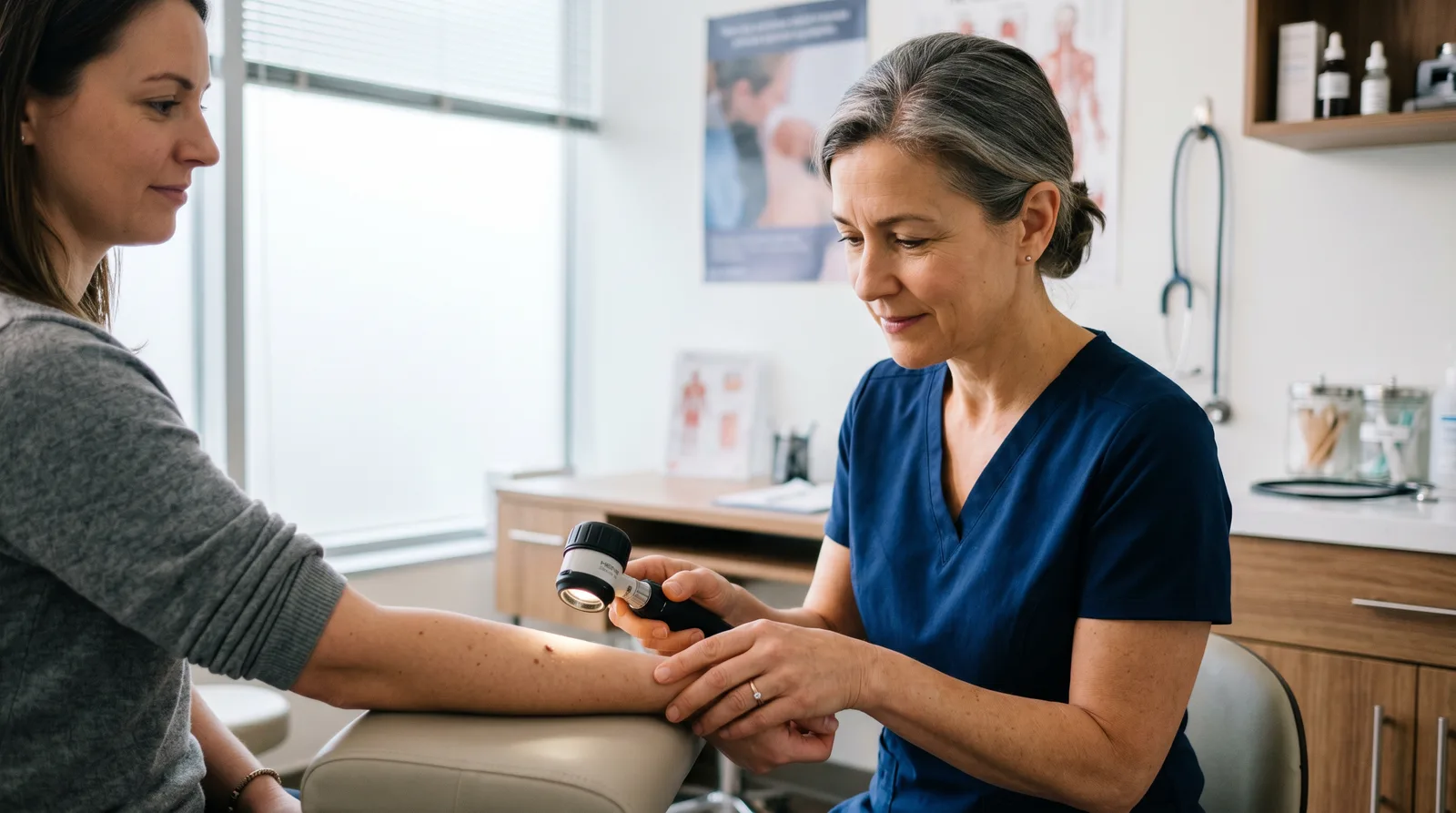
Pattern recognition isn't a gift — it's what happens when disciplined clinical reasoning becomes second nature, and that's exactly what we're going to build.— Dr. J Raymond ABK
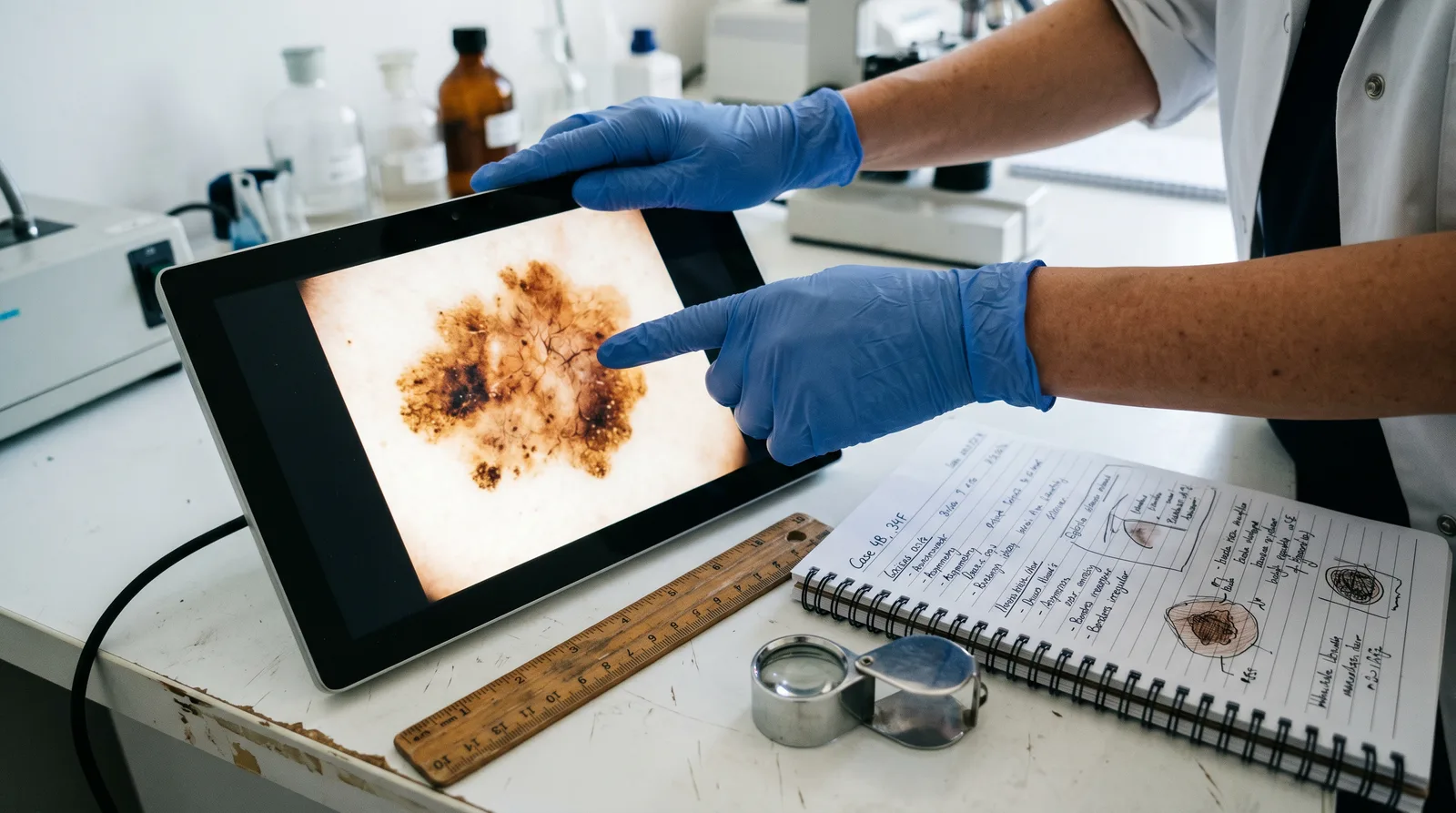
What you'll learn
What you'll be able to do
- Accurately identify and describe primary and secondary skin lesions using correct dermatological terminology
- Construct a structured differential diagnosis for common and high-stakes skin presentations
- Recognize the classic clinical patterns of inflammatory, infectious, and neoplastic skin diseases
- Interpret dermoscopic findings to distinguish benign lesions from malignant melanoma and non-melanoma skin cancers
- Select and justify first-line pharmacological and procedural treatment plans for the most prevalent dermatological conditions
- Apply a systematic skin examination technique suitable for both outpatient consultations and inpatient ward rounds
How it works
A school that adapts to you
This isn't a set of static videos. Every lesson is generated live and tuned to where you actually are.
We learn your level
A quick placement check tailors your starting point so you're never bored or lost.
Lessons adapt as you go
Each lesson is written for your pace and your goal, adjusting as your skills grow.
Your AI coach keeps you moving
Checkpoints, feedback, and gentle nudges turn progress into a real result.
The curriculum
What's inside your school
6 modules · 26 lessons

Foundations of Dermatological Assessment
Builds the core vocabulary and systematic examination skills every clinician needs before approaching any skin condition.
- 1.1The Language of Skin: Primary LesionsIncluded
- 1.2Secondary Lesions, Configurations, and Distribution PatternsIncluded
- 1.3The Systematic Skin ExaminationIncluded
- 1.4Describing and Documenting Skin FindingsIncluded
Building a Dermatological Differential Diagnosis
Trains a disciplined clinical reasoning framework for generating and prioritising differentials from skin presentations.
- 2.1A Framework for Dermatological Differential DiagnosisIncluded
- 2.2High-Stakes Presentations You Cannot MissIncluded
- 2.3History-Taking in Dermatology: What to Ask and WhyIncluded
- 2.4Putting It Together: Case-Based Differential ReasoningIncluded
Inflammatory Skin Diseases
Covers the recognition, clinical patterns, and evidence-based management of the most prevalent inflammatory dermatoses.
- 3.1Eczema and Atopic Dermatitis: Patterns and ManagementIncluded
- 3.2Psoriasis: Clinical Variants and Treatment LadderIncluded
- 3.3Urticaria, Angioedema, and Drug ReactionsIncluded
- 3.4Acne Vulgaris and RosaceaIncluded
- 3.5Autoimmune Blistering Disorders and Connective Tissue Disease Skin SignsIncluded
Infectious and Parasitic Skin Diseases
Equips clinicians to identify and treat bacterial, viral, fungal, and parasitic skin infections with confidence.
- 4.1Bacterial Skin Infections: Impetigo to Necrotising FasciitisIncluded
- 4.2Viral Exanthems and Cutaneous Viral InfectionsIncluded
- 4.3Fungal Infections: Dermatophytes, Candida, and Tinea VersicolorIncluded
- 4.4Scabies, Pediculosis, and Other InfestationsIncluded
Skin Cancer and Dermoscopy
Develops the clinical and dermoscopic skills to detect, differentiate, and manage benign and malignant skin neoplasms.
- 5.1Benign Melanocytic and Non-Melanocytic LesionsIncluded
- 5.2Introduction to Dermoscopy: Principles and TechniqueIncluded
- 5.3Dermoscopic Diagnosis of MelanomaIncluded
- 5.4Non-Melanoma Skin Cancer: BCC and SCCIncluded
- 5.5The Full-Body Skin Check: Screening and Risk StratificationIncluded
Dermatological Treatment and Procedural Essentials
Translates diagnostic skills into confident, justified first-line treatment decisions for the most common skin conditions.
- 6.1Topical Therapy: Steroids, Calcineurin Inhibitors, and EmollientsIncluded
- 6.2Systemic Agents in Dermatology: Antibiotics, Antihistamines, and ImmunosuppressantsIncluded
- 6.3Practical Procedures: Skin Biopsy, Cryotherapy, and CurettageIncluded
- 6.4Patient Communication and Treatment Adherence in DermatologyIncluded
Who it's for
Is this you?

Medical students
Build the systematic dermatological reasoning and precise descriptive language that sets you apart in OSCEs, clinical rotations, and beyond.

Intern doctors
Transition from knowing disease names to confidently examining, diagnosing, and managing skin conditions on the ward without reaching for a colleague.

General practitioners
Handle the full spectrum of skin presentations in primary care — from inflammatory flares to suspicious lesions — with clinical authority and a solid referral rationale.

Early-career residents
Sharpen your differential diagnosis, close the gaps in your dermatology training, and perform at the level your supervising consultants expect.

Rural and remote clinicians
When specialist backup is hours away, a systematic approach to dermoscopy, skin cancer screening, and treatment decisions becomes essential — not optional.

Non-dermatology specialists
Physicians, paediatricians, rheumatologists, and other specialists who encounter cutaneous manifestations of systemic disease and need the language and framework to manage them.
Questions
Frequently asked
Your teacher
A note from your teacher
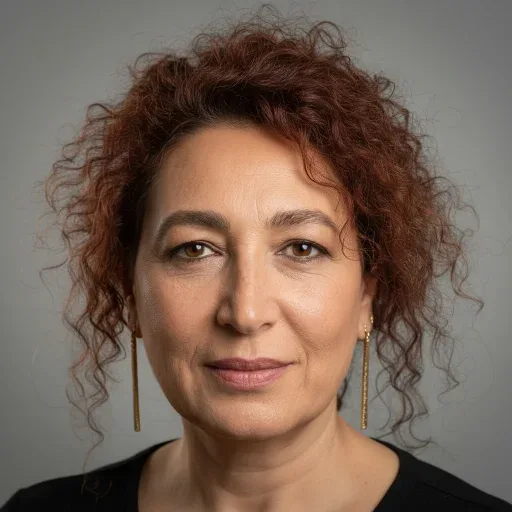
Dr. J Raymond ABK
If you've ever stood at the bedside looking at a rash and felt a quiet, uncomfortable uncertainty — not knowing whether to call it eczema, a drug reaction, or something you genuinely cannot afford to miss — then I want to be honest with you: that feeling doesn't go away on its own. It doesn't resolve with more time on the ward, and it doesn't disappear after another night reading an atlas. It goes away when you have a system.
That's what this school is built around. Not more facts. A system. A way of looking at skin, describing what you see with precision, generating a differential that holds up to scrutiny, and then managing what you find with evidence behind every decision. Dermatology has a reputation as a specialty that rewards pattern recognition — and it does. But pattern recognition isn't magic. It's the result of training your clinical eye to move in the right sequence, ask the right questions, and know which findings change everything.
I designed this curriculum because I kept watching capable, intelligent clinicians under-serve their patients with skin disease — not from lack of effort, but from lack of structured training. Medical school gives you a week on dermatology if you're lucky. Ward rounds move past rashes quickly. Textbooks show you the classic presentation under ideal lighting. None of that prepares you for the patient in front of you. So we start at the absolute foundation — the correct language of skin lesions — and build upward, module by module, until you're interpreting dermoscopic structures, stratifying skin cancer risk, and selecting a systemic immunosuppressant with a clinical rationale you could defend in a consultant meeting.
I want to be direct about what this school is. It is rigorous. It expects you to engage with the reasoning, not just the conclusions. The cases won't always be straightforward, because your patients won't be either. But every concept is taught with clinical context, not in a vacuum — and by the time you work through inflammatory disease, infectious presentations, and malignant lesions, you will have a framework that transfers to any skin condition you encounter, including ones we haven't specifically covered.
Dermatology is learnable. The systematic approach is teachable. And confident, precise skin assessment is a skill that will serve your patients — and your clinical career — for decades. This is where you build it. I'm glad you're here.
— Dr. J Raymond ABK
Start your journey today
Join get instant access — learn at your own pace with an AI coach in your corner.
$9.99/mo
Recurring billing · cancel anytime
Secure checkout · Instant access
- 6 modules, 26 lessons
- AI-adaptive lessons tuned to your level
- Quizzes & checkpoints to lock in progress
- Your own AI learning coach
- Learn on any device, at your pace
- Full access for as long as you're subscribed