See every learner's brilliance — and teach to it
Different, Not Deficient™ Academy gives educators, parents, coaches, and leaders a complete strengths-based toolkit — from reframing how you observe learners to redesigning lessons, environments, and the very language you use to measure progress.

"The moment you stop asking what's wrong and start asking how someone learns best, you stop being an obstacle and start being the adult who changes everything."
— Evelyn R Brown, PhD
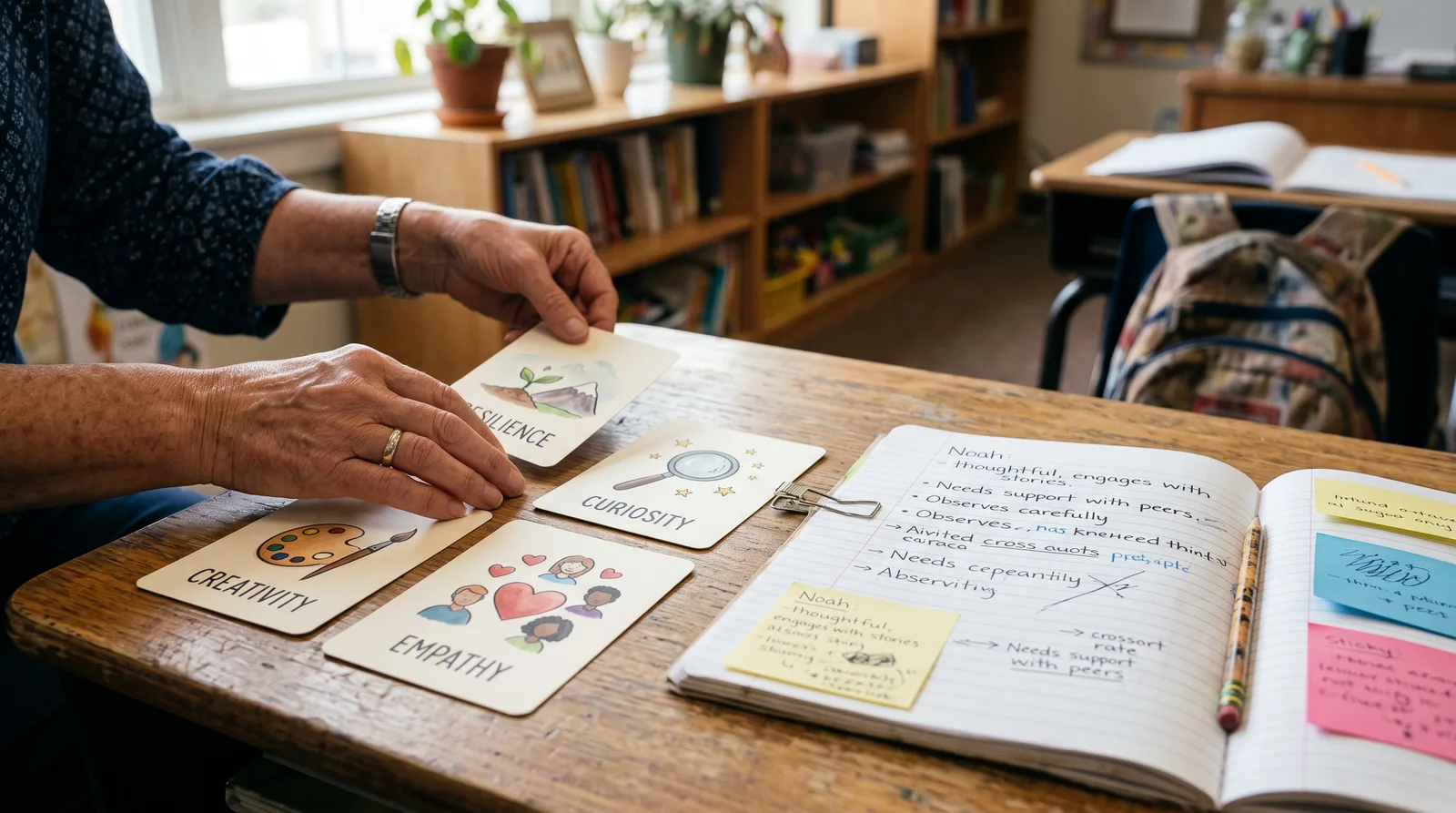
What you'll learn
What you'll be able to do
- Identify and articulate the core principles of strengths-based, deficit-free teaching and apply them in real classroom or coaching contexts.
- Recognize diverse learning styles, cultural backgrounds, and lived experiences as assets rather than obstacles to learning.
- Design and adapt lessons, coaching sessions, or training programs using practical frameworks that honor every learner's unique profile.
- Replace evaluative deficit thinking with structured observation and inquiry tools that reveal how each learner learns best.
- Build inclusive learning environments — physical or virtual — where every participant feels seen, valued, and capable of growth.
- Measure and communicate learner progress using strengths-based language that builds confidence and sustains long-term achievement.
How it works
A school that adapts to you
This isn't a set of static videos. Every lesson is generated live and tuned to where you actually are.
We learn your level
A quick placement check tailors your starting point so you're never bored or lost.
Lessons adapt as you go
Each lesson is written for your pace and your goal, adjusting as your skills grow.
Your AI coach keeps you moving
Checkpoints, feedback, and gentle nudges turn progress into a real result.
The curriculum
What's inside your school
6 modules · 27 lessons

From Deficit to Strengths: Shifting the Lens
Establishes the foundational mindset shift from deficit thinking to strengths-based education, grounding participants in core principles and research.
- 1.1The Deficit Trap: How It Starts and Why It SticksIncluded
- 1.2The Strengths-Based Framework: Core PrinciplesIncluded
- 1.3Pioneering Voices: Scholars Who Changed the ConversationIncluded
- 1.4From "What's Wrong?" to "How Do You Learn Best?"Included
Understanding the Diverse Learner
Builds deep awareness of the many dimensions of learner difference — cognitive, cultural, experiential, and linguistic — as assets rather than deficits.
- 2.1Learning Styles, Strengths, and Profiles: A Practical OverviewIncluded
- 2.2Culture as a Learning AssetIncluded
- 2.3Lived Experience and Identity in the Learning SpaceIncluded
- 2.4Neurodiversity: Recognizing Different Brilliant MindsIncluded
- 2.5English Learners and Multilingual StrengthsIncluded
Seeing Clearly: Observation and Inquiry Tools
Replaces evaluative deficit assessment with structured observation and strengths-based inquiry tools that reveal how each learner learns best.
- 3.1The Art of Strengths-Based ObservationIncluded
- 3.2Inquiry Conversations: Asking Better QuestionsIncluded
- 3.3Learner Profile Tools and Interest InventoriesIncluded
- 3.4Distinguishing Difference from DisorderIncluded
Designing for Every Learner
Translates strengths-based principles into practical lesson, session, and program design using proven inclusive frameworks.
- 4.1Universal Design for Learning (UDL): The BlueprintIncluded
- 4.2Differentiated Instruction in PracticeIncluded
- 4.3Culturally Responsive Teaching StrategiesIncluded
- 4.4Adapting for Coaches, Trainers, and Organizational LeadersIncluded
- 4.5Lesson Redesign Workshop: Putting It All TogetherIncluded
Building Inclusive Learning Environments
Guides participants in constructing physical and virtual spaces where every learner feels seen, valued, and capable.
- 5.1What Belonging Looks Like: The Inclusive Environment DefinedIncluded
- 5.2Designing the Physical Space for Diverse LearnersIncluded
- 5.3Creating Inclusive Virtual and Hybrid SpacesIncluded
- 5.4Family and Community as Learning PartnersIncluded
Communicating Progress with Strengths-Based Language
Equips participants to measure, report, and discuss learner progress in language that builds confidence and sustains long-term achievement.
- 6.1Rethinking Assessment: From Grading Gaps to Naming GainsIncluded
- 6.2Strengths-Based Feedback: Words That Build ConfidenceIncluded
- 6.3Writing Strengths-Based Reports and Progress NotesIncluded
- 6.4Conversations with Families: Sharing Progress PowerfullyIncluded
- 6.5Sustaining the Strengths-Based Culture Long-TermIncluded
Who it's for
Is this you?

General education teachers
She has 25 students with 25 different ways of learning and needs practical frameworks — UDL, differentiated instruction, strengths-based feedback — that she can use on Monday morning.

Special education teachers
He knows his students' IEP goals inside out but wants a research-grounded strengths lens and better language for progress notes, family meetings, and advocating for his learners.

Parents of diverse learners
Her daughter learns differently, and she's done accepting deficit-heavy school reports — she wants the tools and language to partner with educators and advocate powerfully.

Instructional coaches
He supports teachers across multiple classrooms and needs a shared strengths-based framework he can model, coach to, and use to reshape school-wide observation culture.

School counselors
She works daily with students who've internalized deficit messages about themselves and needs structured inquiry tools and affirming language to help them rewrite that story.
Organizational & team leaders
He leads a diverse workforce and recognizes the same patterns — labels, assumptions, missed strengths — that show up in classrooms, wanting a framework that works for adult learners too.
Questions
Frequently asked
Your teacher
A note from your teacher
Evelyn R Brown, PhD
If you've ever sat across from a learner — or a child you love — and felt the quiet ache of knowing they were more than the label in their file, you already understand why this academy exists.
I've spent my career in learning spaces where the first question too often asked about a struggling student is "What's wrong with them?" And I understand how that question takes root — it comes from real frustration, from under-resourced classrooms, from systems that were built to sort rather than to serve. I'm not here to judge anyone for where they've started. I'm here because I know there's a far better question — and once you learn to ask it, everything changes.
"How does this learner learn best?" Those six words are the foundation of everything inside Different, Not Deficient™ Academy. The curriculum I've built will take you from that question all the way through to the practical answers: how to observe with precision and warmth, how to design learning experiences that genuinely work for diverse minds, how to build environments — physical or virtual — where belonging isn't a buzzword but a felt experience, and how to speak and write about learners in ways that build their confidence rather than quietly chip it away.
This isn't a collection of feel-good ideas. It's a structured, research-informed curriculum grounded in Universal Design for Learning, culturally responsive teaching, strengths-based assessment, and the pioneering scholarship that has fundamentally changed how we understand human learning. You'll finish with real tools in your hands: observation frameworks, lesson redesign templates, inquiry conversation guides, strengths-based language models for reports and family meetings, and a mindset that will shape your practice for the rest of your career.
I built this academy for the teacher who is tired of the deficit model but doesn't yet have a full alternative. For the special educator who knows their students are brilliant but needs a vocabulary and a system to prove it. For the parent who wants to walk into an IEP meeting and advocate powerfully. For the instructional coach or organizational leader who sees the same patterns in adult learners that their colleagues see in kids. For anyone who has ever looked at a learner and thought: there is more here than anyone is measuring.
There is. Let's go find it — together.
— Evelyn R Brown, PhD
Start your journey today
Get instant access — learn at your own pace with an AI coach in your corner.
$49/mo
Recurring billing · cancel anytime
Secure checkout · Instant access
- 6 modules, 27 lessons
- AI-adaptive lessons tuned to your level
- Quizzes & checkpoints to lock in progress
- Your own AI learning coach
- Learn on any device, at your pace
- Full access for as long as you're subscribed