Learn to read the runes as they actually were
A rigorous yet accessible deep-dive into the world's oldest runic alphabet — its archaeology, linguistics, mythology, and living symbolic practice. Learn the runes the way scholars understand them, and carry that knowledge into thoughtful personal use.
"I'll always tell you what we know, what we infer, and what we're imagining — and I think that honesty makes the runes more fascinating, not less."
— Carla Paton
What you'll learn
What you'll be able to do
- Identify and name all 24 Elder Futhark runes, their historical sound values, and their reconstructed Proto-Germanic meanings
- Trace the runes' origins from Italic and Latin alphabets through the earliest archaeological inscriptions and the Migration Period
- Read and interpret surviving runic inscriptions using transliteration conventions and scholarly formulae
- Critically distinguish between historical evidence, later literary tradition (the Rune Poems, the Hávamál), and modern invention in rune lore
- Explain the development of runic magic — amulets, bind runes, saga references — and assess modern claims against the archaeological record
- Build a grounded personal rune practice — journaling, casting, and creative work — rooted in Jungian symbolic reflection and historical literacy
How it works
A school that adapts to you
This isn't a set of static videos. Every lesson is generated live and tuned to where you actually are.
We learn your level
A quick placement check tailors your starting point so you're never bored or lost.
Lessons adapt as you go
Each lesson is written for your pace and your goal, adjusting as your skills grow.
Your AI coach keeps you moving
Checkpoints, feedback, and gentle nudges turn progress into a real result.
The curriculum
What's inside your school
11 modules · 42 lessons
What Are the Runes?
Establishes foundational literacy before any history or myth is introduced. Students learn what the Elder Futhark is, who used it, across what time period, and why modern rune divination is a very different tradition from the historical alphabet. This module prevents misconceptions that would otherwise distort every lesson that follows.
- 1.1Introduction to the Elder FutharkIncluded
- 1.2Who Used the Runes?Included
- 1.3Runes vs. Modern Rune DivinationIncluded
The Origins of the Runes
Traces the runes back to their probable alphabetic ancestors — Italic, Latin, and possibly Greek scripts — and then walks students through the earliest physical evidence for runic writing. Students learn how archaeologists and linguists date, contextualise, and transliterate inscriptions, building the analytical toolkit needed for Module 6's hands-on inscription work.
- 2.1Where Did the Alphabet Come From?Included
- 2.2The Earliest Runic InscriptionsIncluded
- 2.3How Archaeologists Read RunesIncluded
Norse Myth and the Story of Odin
Introduces the most influential literary tradition surrounding the runes — Odin's sacrifice on Yggdrasil and the Hávamál — situating these texts in their proper historical context as Old Norse literary compositions of the Viking Age, centuries after the Elder Futhark's peak use. Students develop the critical habit of distinguishing mythology as a cultural artifact from archaeology as evidence, a skill the course returns to repeatedly.
- 3.1The Myth of Odin on YggdrasilIncluded
- 3.2The Hávamál as a Wisdom TextIncluded
- 3.3History vs. MythIncluded
Understanding Rune Meanings
Explains how scholars reconstruct what the Elder Futhark runes meant to the people who used them, given that no contemporary glossary survives. Students study the three medieval Rune Poems — the primary sources for rune names and meanings — understand why the Elder Futhark itself has no such poem, and learn to distinguish between scholarly reconstruction, poetic elaboration, and modern invention. This module is the essential prerequisite for Module 5.
- 4.1How Scholars Reconstruct MeaningsIncluded
- 4.2The Rune PoemsIncluded
- 4.3Why the Elder Futhark Has No Original Rune PoemIncluded
The Twenty-Four Runes
The experiential heart of the course. Each of the 24 Elder Futhark runes is studied in a dedicated lesson covering its historical name, Proto-Germanic reconstruction, pronunciation, sound value, archaeological evidence, mythological and literary associations, and symbolic themes. Modern interpretive frameworks are explicitly labelled as such. Each lesson closes with a journal prompt, a contemplative prompt, and a creative exercise, making this module the bridge between scholarship and personal practice. Runes are studied in aett order to honour the traditional groupings.
- 5.1Freyr's Aett: Fehu, Uruz, Thurisaz, Ansuz, Raidho, Kenaz, Gebo, WunjoIncluded
- 5.2Heimdall's Aett: Hagalaz, Nauthiz, Isa, Jera, Eihwaz, Perthro, Algiz, SowiloIncluded
- 5.3Tyr's Aett: Tiwaz, Berkano, Ehwaz, Mannaz, Laguz, Ingwaz, Dagaz, OthalaIncluded
Reading Rune Inscriptions
Applies the transliteration and archaeological skills from Module 2 to real inscriptions, organised by inscription type: grammatical formulae, memorial stones, ownership markers, and protective texts. Students move from passive reading to active analysis, developing the ability to interpret surviving runic texts with scholarly rigour. This module directly addresses the third target outcome.
- 6.1Grammar and FormulaeIncluded
- 6.2Memorial StonesIncluded
- 6.3Ownership InscriptionsIncluded
- 6.4Protective FormulaeIncluded
Rune Magic Through History
Surveys the evidence for runic magic across three source types — the Old Norse sagas, physical amulets and bracteates, and the bind rune tradition — then critically evaluates modern claims about runic magic against the weight of the actual record. Students develop a nuanced position: magic use is plausible and partly evidenced, but its nature and extent are frequently exaggerated in modern popular tradition.
- 7.1Magic in the SagasIncluded
- 7.2Amulets and BracteatesIncluded
- 7.3Bind RunesIncluded
- 7.4Modern Claims vs. Historical EvidenceIncluded
Runes as a Symbolic Practice
Transitions from historical study to intentional personal practice by providing a rigorous intellectual framework for working with the runes as symbols for reflection and meaning-making. Grounded in Jungian depth psychology — archetypes, the collective unconscious, and symbolic amplification — this module ensures that students who choose to work with runes reflectively do so with psychological sophistication, not superstition.
- 8.1Jung and SymbolsIncluded
- 8.2Archetypes and the RunesIncluded
- 8.3Working Reflectively with RunesIncluded
- 8.4Rune JournalingIncluded
Modern Rune Reading
Provides a comprehensive, critically-grounded introduction to contemporary rune reading practices — casting methods, layout structures, and the ethics of reading for oneself and others. Builds directly on the reflective framework of Module 8, ensuring that practical technique is always in service of genuine inquiry rather than prediction or performance.
- 9.1Casting MethodsIncluded
- 9.2Layouts and SpreadsIncluded
- 9.3Questions Worth AskingIncluded
- 9.4Ethics of Rune ReadingIncluded
Living With the Runes
The integration module. Students bring together everything from historical scholarship, symbolic practice, and rune reading into a sustainable personal practice that is honest, grounded, and continuously deepening. This module is explicitly about the long game: how to keep learning, stay critically alert, and make the runes genuinely alive in your everyday creative and intellectual life.
- 10.1Creating a Personal Rune PracticeIncluded
- 10.2Runes and CreativityIncluded
- 10.3Runes in Writing and LanguageIncluded
- 10.4Continuing Your StudyIncluded
Beyond the Elder Futhark
A collection of enrichment lessons for students who want to extend their study beyond the Elder Futhark into related alphabets, literary traditions, and cultural afterlives. These lessons are fully realised modules, not afterthoughts — each is a genuine scholarly topic that illuminates the Elder Futhark from a new angle. The Old English Rune Poem lesson (previously missing from the draft) has been added as an essential complement to the Module 4 Rune Poem survey.
- 11.1The Anglo-Saxon FuthorcIncluded
- 11.2The Younger FutharkIncluded
- 11.3The Rune Poems: A Close ReadingIncluded
- 11.4The Old English Rune Poem: Language, Literature, and Christian InfluenceIncluded
- 11.5Runes in TolkienIncluded
- 11.6Runes in Modern Popular CultureIncluded
- 11.7Make Your Own Rune SetIncluded
Who it's for
Is this you?

History enthusiasts
You're drawn to the Migration Period and early Germanic world and want to engage with the primary evidence — inscriptions, archaeology, and all — rather than pop-history summaries.

Spiritual practitioners
You've been using runes for reflection or divination and are tired of lore with no sourcing — you want the historical grounding that makes your practice feel genuinely trustworthy.

Writers & worldbuilders
You're crafting fiction rooted in Norse or Germanic settings and need accurate, nuanced rune knowledge that goes well beyond the clichés — including how inscriptions actually looked and worked.

Linguistics students
Proto-Germanic sound values, transliteration conventions, and the comparative study of early alphabets are exactly your kind of puzzle, and the runes are a rich place to explore them.

Norse mythology lovers
You know the myths but want to understand how texts like the Hávamál actually function as wisdom literature — and where Odin's runes end and Iron Age archaeology begins.

Curious lifelong learners
You've always been intrigued by runes but never found a course that treated you as an intelligent adult — this one meets you with warmth, precision, and zero condescension.
Questions
Frequently asked
Your teacher
A note from your teacher
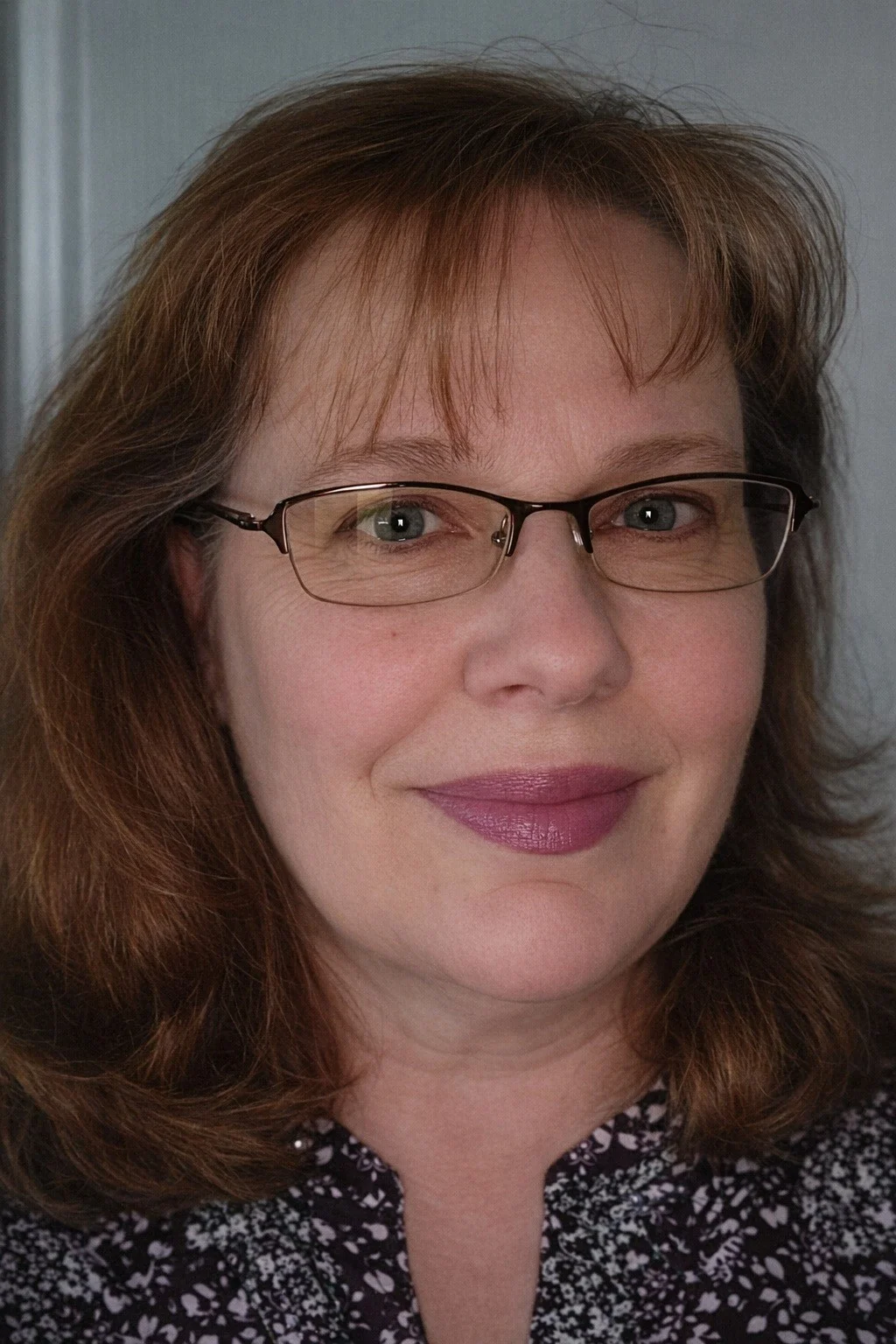
Carla Paton
If you've spent any time looking into the runes, you've probably felt a specific kind of frustration. You pick up a book or find a website, and within a few pages you're being given confident meanings, correspondences, and magical instructions with no indication of where any of it comes from. You sense that something older and stranger and more interesting is buried underneath — but you can't find a way through to it that doesn't ask you to just take someone's word for it.
That frustration is exactly what this course was built to resolve. I designed it for people who want to understand the runes on their own terms: what the archaeology actually shows, how scholars reconstruct the Proto-Germanic names and meanings, what the Rune Poems really are and when they were written, and why the Elder Futhark — the oldest runic alphabet — has no original rune poem at all. These are the things that change how you see everything else.
We'll go through all 24 runes — all three aetts, Fehu through Othala — with their attested sound values, their reconstructed names, and the honest range of meanings the evidence supports. We'll read real inscriptions together: the memorial stones, the ownership marks, the protective formulae. We'll look at runic magic as it actually appears in the archaeological record — amulets, bracteates, bind runes — and compare that squarely with what the sagas say and what modern practitioners claim. I'll never pretend those three things are the same thing.
And then, with all of that in hand, we'll build something practical and personal. The second half of the course uses Jungian symbolic thinking as a framework for reflective rune work — journaling, casting, creative practice — not as a shortcut around the history, but as a way of taking the history seriously as a living symbolic system. I think that's a more interesting and more honest approach than either pure scholarship or pure mysticism offers on its own.
This isn't a course that asks you to believe anything in particular about the runes. It's a course that gives you the knowledge and the tools to work with them thoughtfully — and to keep learning long after the final module. I'm glad you're here. Let's begin.
— Carla Paton
Start your journey today
Get instant access — learn at your own pace with an AI coach in your corner.
$19/mo
Recurring billing · cancel anytime
Secure checkout · Instant access
- 11 modules, 42 lessons
- AI-adaptive lessons tuned to your level
- Quizzes & checkpoints to lock in progress
- Your own AI learning coach
- Learn on any device, at your pace
- Full access for as long as you're subscribed