Know the truth. Save a life.
Fight Back Against Fentanyl is the prevention curriculum that actually works — because it leads with real stories, not scare tactics, and gives students, parents, and educators the exact knowledge and skills to recognize danger, respond to an overdose, and lead change in their communities.
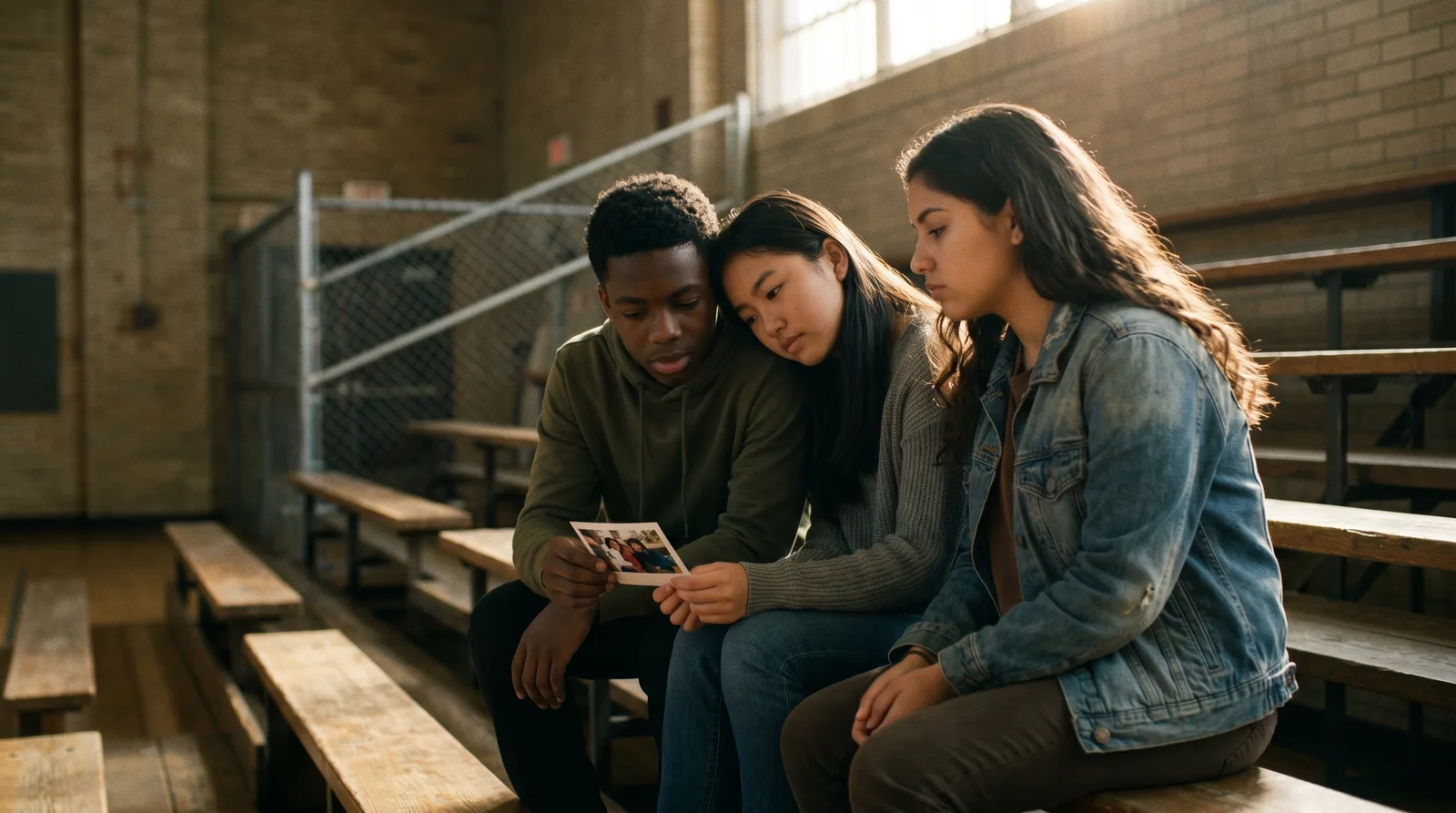
Knowledge is power. When danger knocks, the choices you make can save your life—or someone else's.
— Your Knowledge Team
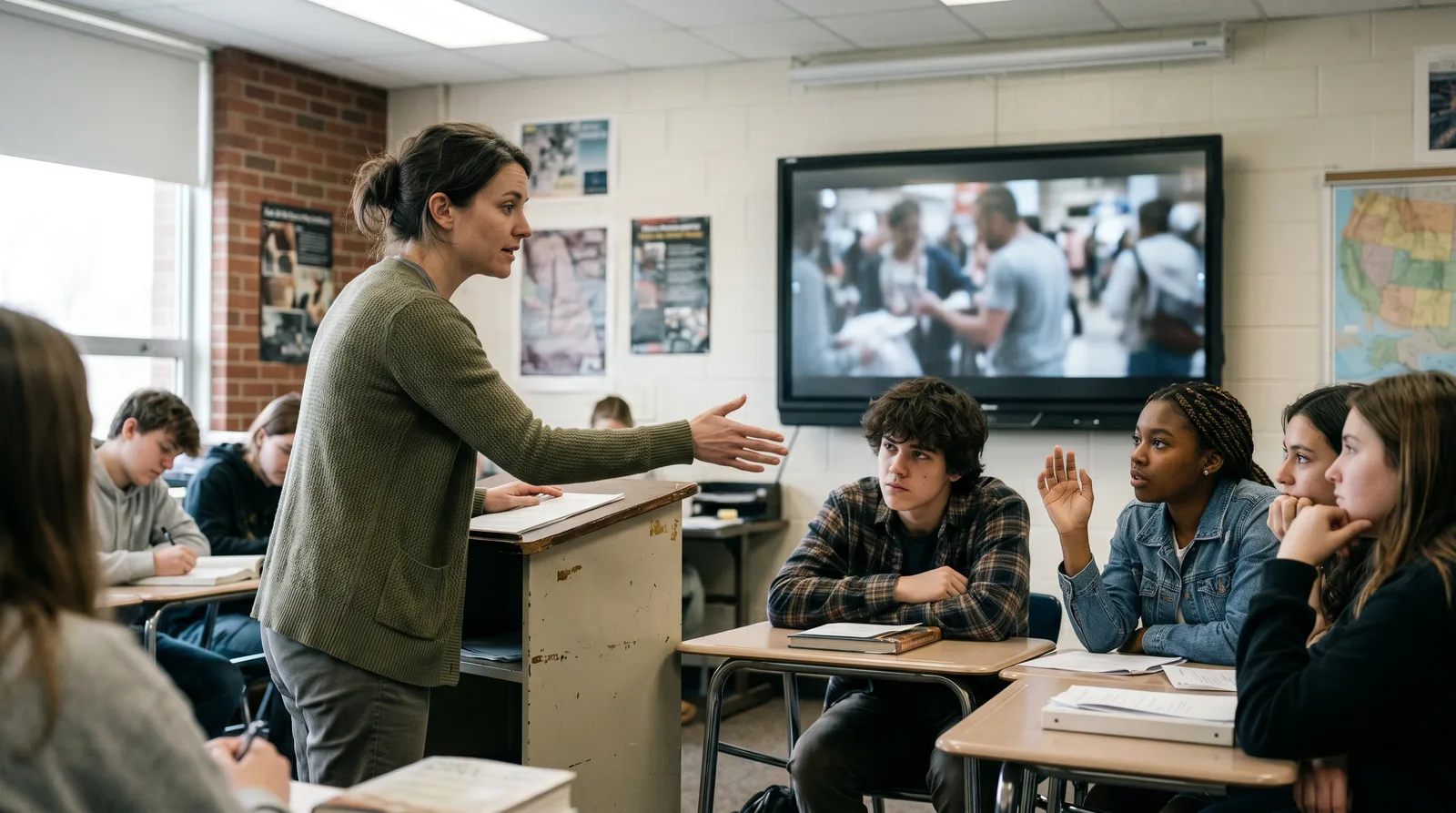
What you'll learn
What you'll be able to do
- Explain exactly what fentanyl is, how counterfeit pills are made, and why even a single pill can be lethal — replacing myths with medically accurate facts.
- Identify the specific social-media platforms, messaging apps, and online tactics drug traffickers use to target teenagers.
- Apply a repeatable critical-thinking framework to high-pressure peer situations and make autonomous, life-protecting decisions in real time — including the ability to confidently refuse any pill, tablet, or capsule that was not prescribed by a licensed medical professional specifically for you, and provided by a licensed pharmacy under any circumstance, without exception.
- Recognize the physical signs of an opioid overdose and execute a step-by-step response — including naloxone use — before emergency services arrive.
- Connect a peer, family member, or student to the right trusted adult, school resource, or community lifeline without stigma or hesitation.
- Design and lead a student-driven or community awareness campaign that extends the curriculum's reach beyond the classroom.
How it works
A school that adapts to you
This isn't a set of static videos. Every lesson is generated live and tuned to where you actually are.
We learn your level
A quick placement check tailors your starting point so you're never bored or lost.
Lessons adapt as you go
Each lesson is written for your pace and your goal, adjusting as your skills grow.
Your AI coach keeps you moving
Checkpoints, feedback, and gentle nudges turn progress into a real result.
The curriculum
What's inside your school
8 modules · 25 lessons

What Is Fentanyl? Facts, Myths & Why One Pill Can Kill
Builds medically accurate, myth-busting foundational knowledge about fentanyl's origins, potency, and lethal risk.
- 1.1Fentanyl 101: What It Is and Where It Comes FromIncluded
- 1.2Myths vs. Medical FactsIncluded
- 1.3Why One Pill Can Be LethalComing soon
Counterfeit Pills & the Illicit Drug Supply
Exposes how fake pills are manufactured, disguised, and distributed so students can never trust an unmarked pill.
- 2.1How Counterfeit Pills Are Made and PressedComing soon
- 2.2Why Appearance Is Dangerously MisleadingComing soon
- 2.3Real-World Scenarios: Could You Tell the Difference?Coming soon
Social Media, Online Tactics & Peer Pressure
Identifies the specific digital platforms, coded language, and peer-pressure tactics traffickers use to reach teenagers.
- 3.1How Drug Traffickers Use Social Media to Target TeensComing soon
- 3.2Coded Language, Emojis & Red Flags to RecognizeComing soon
- 3.3Peer Pressure in the Digital AgeComing soon
Decision-Making Under Pressure
Equips students with a repeatable critical-thinking framework so they can make autonomous, life-protecting choices in real time.
- 4.1The STOP Framework: A Repeatable Decision-Making ToolComing soon
- 4.2Situational Awareness: Reading the Room Before It's Too LateComing soon
- 4.3Personal Responsibility and the Courage to Walk AwayComing soon
Real Voices: Survivor and Family Stories
Uses documentary-style storytelling and first-person narratives to make the consequences of fentanyl real, human, and unforgettable.
- 5.1Survivor Stories: Living Through a Fentanyl PoisoningComing soon
- 5.2Family Stories: The Ripple Effect of One PillComing soon
- 5.3Producing Your Own Story: Giving Your Voice PowerComing soon
Recognizing an Overdose & Emergency Response
Trains students to identify opioid overdose symptoms and execute a confident, step-by-step response before help arrives.
- 6.1Physical Signs of an Opioid OverdoseComing soon
- 6.2The Life-Saving Response: Call, Rescue Breathe, NaloxoneComing soon
- 6.3What Happens After: Safety, Stigma & RecoveryComing soon
Helping a Friend: Resources, Referrals & Removing Stigma
Builds the confidence and knowledge to connect any peer, family member, or classmate to the right support without shame or hesitation.
- 7.1Who Are Trusted Adults — and How to Reach ThemComing soon
- 7.2School and Community Resources You Need to KnowComing soon
- 7.3Breaking the Stigma: How to Help Without JudgingComing soon
Becoming an Advocate: Lead the Movement
Empowers students to design and launch a peer-led or community awareness campaign that extends the curriculum's impact far beyond the classroom.
- 8.1What Student Advocacy Looks Like in Real SchoolsComing soon
- 8.2Designing Your Awareness CampaignComing soon
- 8.3Community Service Projects and Peer Leadership RolesComing soon
- 8.4Launching and Measuring Your ImpactComing soon
Who it's for
Is this you?
Middle schoolers
Gets the real facts about counterfeit pills and online drug tactics — delivered through stories that respect their intelligence, not scare tactics that tune them out.
High school students
Builds the STOP Framework, overdose response skills, and peer advocacy tools they can actually use — and turns them into community leaders who extend this message beyond the classroom.

Parents of teens
Learns exactly how traffickers target kids on social media and gains the language and confidence to have real, open conversations with their child before a crisis happens.

K–12 educators
Gets a Rain's Law–aligned, story-first curriculum that holds a room, meets state mandates, and doesn't require a medical background to teach effectively.
School counselors
Equips every student to recognize warning signs, connect peers to trusted adults, and navigate school and community resources without shame or hesitation.

Student advocates
Moves from learner to leader — designing and launching real awareness campaigns that carry the One Pill Can Kill message into their school community and beyond.
Questions
Frequently asked
Your teacher
A note from your teacher
Your Knowledge Team
If you're a parent, you already know the fear I'm talking about. It lives in the back of your mind every time your kid picks up their phone, every time they go to a friend's house, every time they come home quiet. You want to talk to them about fentanyl — but you're not sure you have the right words, or the right facts, or if they'll just tune you out like every other "drug talk" they've ever sat through. I understand that feeling. It's exactly why this curriculum exists.
If you're a student reading this: I'm not here to lecture you. I'm not going to show you a scary statistic and tell you to "just say no." You're smarter than that, and frankly, you deserve better than that. What I'm going to do is show you exactly what's happening out there — through real stories from people your age who survived, and families who didn't get that chance. I'm going to show you how traffickers are using Snapchat and Instagram to reach teenagers right now, and I'm going to give you a set of tools you can actually use when pressure hits in real life. Not hypothetical pressure. Real pressure.
If you're an educator or counselor, I know what your classroom looks like. You have students who are already affected by this crisis — maybe they just don't know it yet. You need something that holds their attention, meets your state's mandate, and doesn't talk down to them. Fight Back Against Fentanyl was built for exactly that room. Every lesson is story-first, scenario-driven, and grounded in medically accurate information. You don't need to be a pharmacologist to teach it — you just need to care about your students, and you already do.
I've spent decades as a journalist and news manager, and in that time I've sat across from some of the most heartbroken people you'll ever encounter — parents who buried a child lost to a long battle with addiction, and parents who buried a child who simply took one pill for the first time and never woke up.
My goal is to help people make informed decisions by separating fact from fiction. I created this course to give students a practical, repeatable critical-thinking framework they can use in high-pressure situations to make independent, life-protecting decisions in real time.
Here's what I know after years of working at the intersection of storytelling and drug prevention: facts alone don't save lives. Connection does. When a student hears a survivor describe the moment everything almost ended — in their own words, with their own voice — something shifts. The risk stops being abstract. And that shift is what this curriculum is engineered to create. We pair those stories with the STOP Framework, overdose response training, naloxone instruction, and a full unit on becoming a peer advocate — because knowing the truth is only valuable if you know what to do with it.
I built Fight Back Against Fentanyl because I believe every young person has the right to accurate information and the skills to act on it. Not fear. Not guilt. Just knowledge, practice, and the courage to use both. I'm glad you're here — and I genuinely believe what you're about to learn could change someone's life, including your own. Let's get started.
— Your Knowledge Team
Start your journey today
Get instant access — learn at your own pace with an AI coach in your corner.
$97 · 30 days access
One-time payment · no subscription
This school isn't accepting enrollments just yet. Check back shortly!
Secure checkout · Instant access
- 8 modules, 25 lessons
- AI-adaptive lessons tuned to your level
- Quizzes & checkpoints to lock in progress
- Your own AI learning coach
- Learn on any device, at your pace
- 30 days of full access
23 more lessons coming soon at no extra cost.