Know the system. Protect your family.
The GBB CPS & Family Advocacy Training gives parents, caregivers, kinship families, and community advocates a clear, honest, jurisdiction-aware education on every stage of the U.S. child welfare system — so you can show up prepared, documented, and confident, no matter what state you're in.
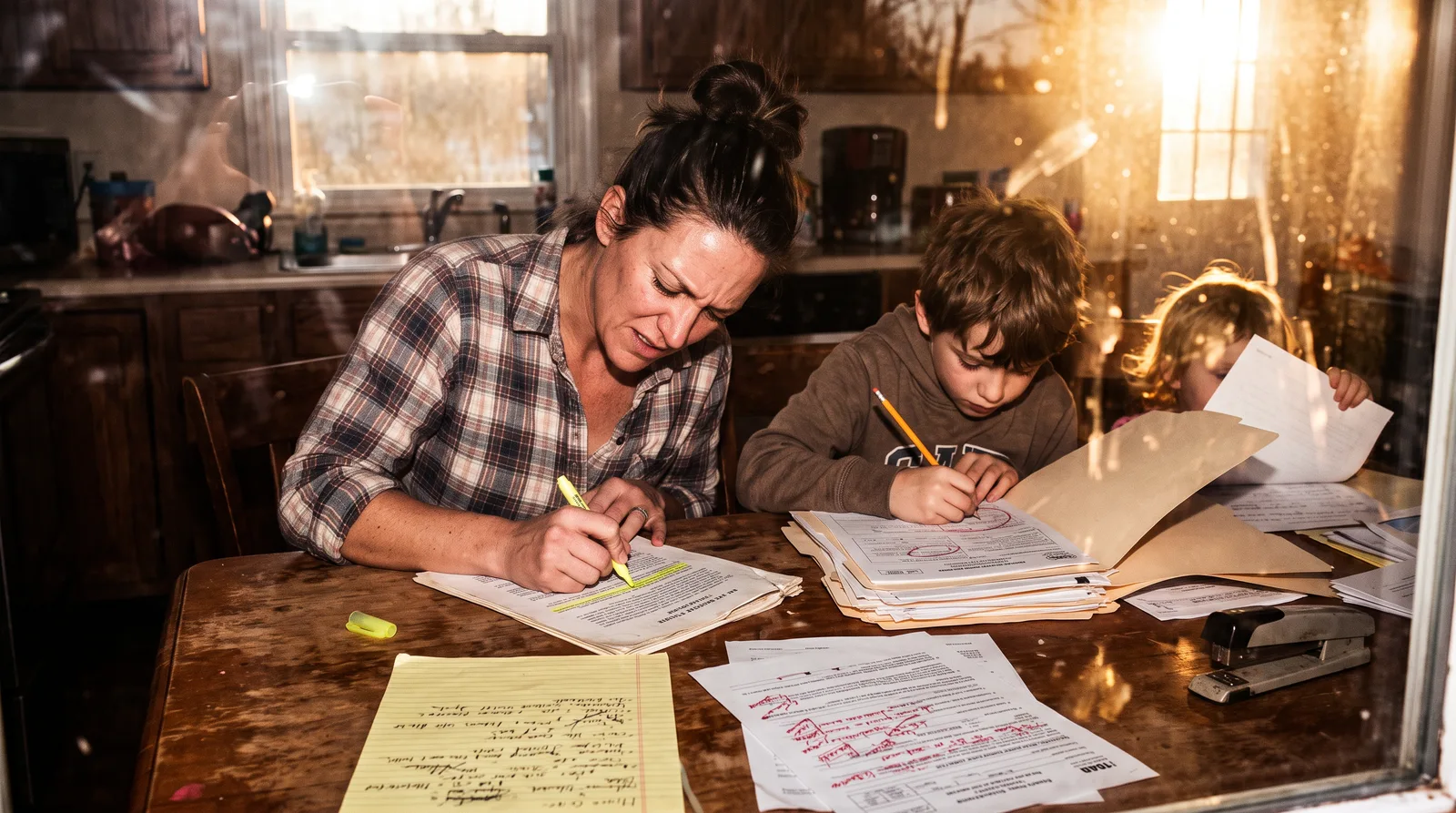
"The information in here shouldn't be a secret — and I'm not going to keep it one."
— CEO Jae
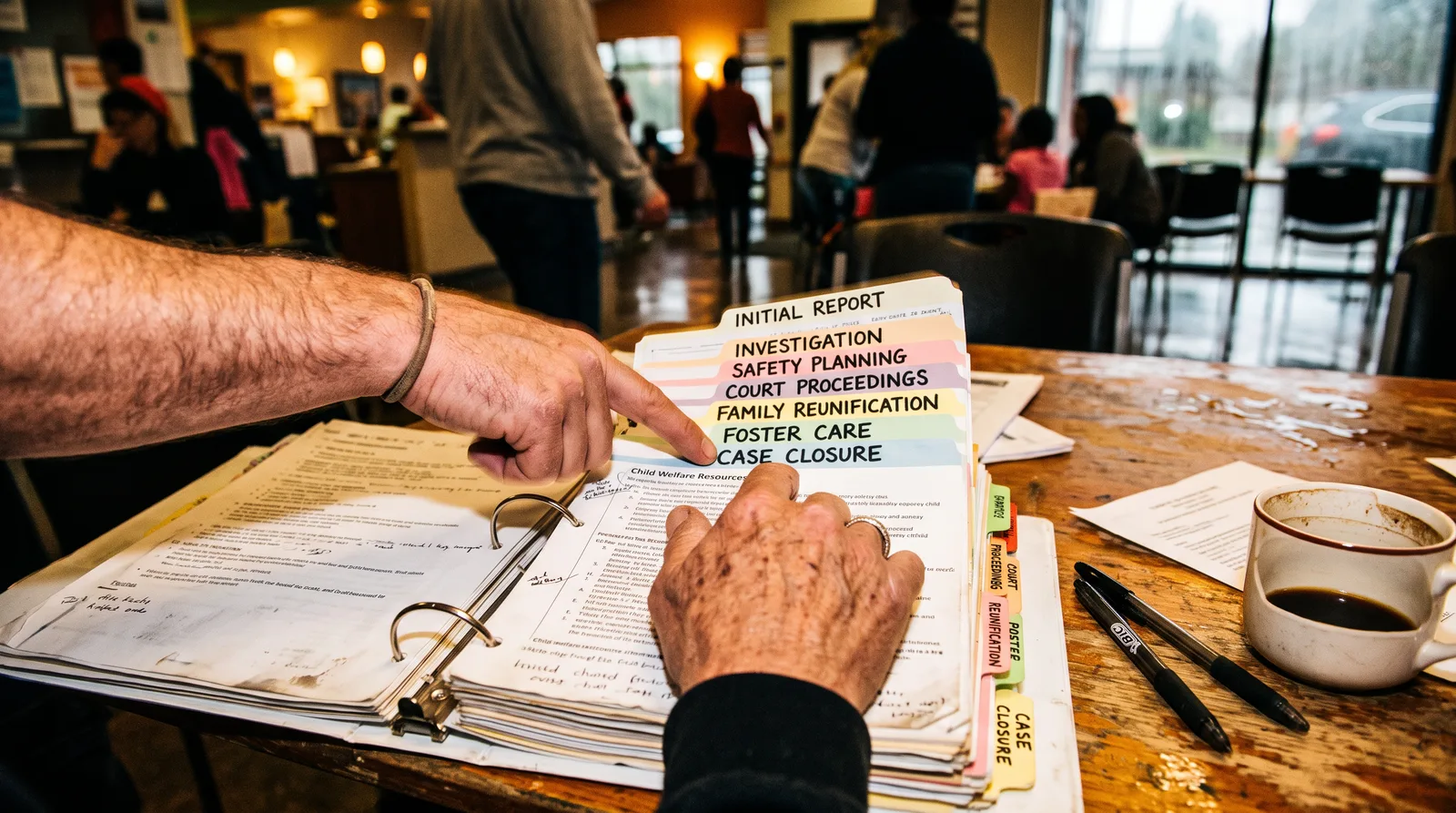
What you'll learn
What you'll be able to do
- Explain the federal child welfare framework and accurately identify how CPS laws, policies, and procedures differ by state, county, tribe, and jurisdiction — and know how to verify current rules through official sources.
- Recognize family rights at every stage of a CPS case — from the initial investigation through case planning, court hearings, and reunification — and understand corresponding family responsibilities.
- Build and maintain a organized case file with timelines, documentation, correspondence logs, and evidence that supports a family's participation and credibility throughout the child welfare process.
- Navigate the court and legal system with confidence: understand hearing types, court timelines, attorney roles, and how to communicate effectively with legal counsel and the judge.
- Identify visitation rights, kinship placement options, family-finding strategies, and reunification requirements, and apply that knowledge to maintain family connection and work toward safe, stable outcomes.
- Complete the GBB Certified Family & CPS Resource Advocate credential — an organizational training certificate that prepares graduates to provide informed peer support, community advocacy, and resource navigation for families in the child welfare system.
How it works
A school that adapts to you
This isn't a set of static videos. Every lesson is generated live and tuned to where you actually are.
We learn your level
A quick placement check tailors your starting point so you're never bored or lost.
Lessons adapt as you go
Each lesson is written for your pace and your goal, adjusting as your skills grow.
Your AI coach keeps you moving
Checkpoints, feedback, and gentle nudges turn progress into a real result.
The curriculum
What's inside your school
10 modules · 50 lessons

Track 1 — Understanding CPS & the Child Welfare System
Builds a clear foundation on how the U.S. child welfare system is structured, who runs it, and why laws and practices differ across every state, county, and tribe.
- 1.1What Is CPS and Who Does It Serve?Included
- 1.2The Federal Framework: Key Laws Every Family Should KnowIncluded
- 1.3How States, Counties, and Tribes Run Their Own SystemsIncluded
- 1.4How to Find and Verify Your State's Laws, Rules, and PoliciesIncluded
- 1.5The Child Welfare System's Core Goals — and Its LimitationsIncluded
Track 2 — Know Your Family Rights
Equips families with a clear understanding of their constitutional, federal, and state-level rights at every stage of child welfare involvement, and the responsibilities that accompany those rights.
- 2.1Constitutional Protections for Families in the Child Welfare SystemIncluded
- 2.2Your Right to Notice, Participation, and Due ProcessIncluded
- 2.3Parents' Rights vs. State Authority — Where the Line IsIncluded
- 2.4Family Rights and Responsibilities: Two Sides of the Same CoinIncluded
- 2.5How to Look Up Family Rights in Your Specific StateIncluded
Track 3 — CPS Investigation Navigation
Walks families through every stage of a CPS investigation — from the first report and home visit to findings and case decisions — and teaches them how to respond strategically and safely.
- 3.1How a CPS Investigation Starts: Reports, Hotlines, and ScreeningIncluded
- 3.2The CPS Home Visit: What to Expect and How to PrepareIncluded
- 3.3What Families Should Do — and Avoid — During an InvestigationIncluded
- 3.4CPS Investigation Timelines, Findings, and OutcomesIncluded
- 3.5How Investigation Procedures Differ by State and CountyIncluded
Track 4 — Case Plans & Services
Teaches families how to read, respond to, and actively participate in the case planning process, and how to access and document services that demonstrate progress.
- 4.1What Is a Case Plan and Why It MattersIncluded
- 4.2How to Read and Challenge Your Case PlanIncluded
- 4.3Completing Services: Documentation, Deadlines, and CommunicationIncluded
- 4.4When Services Aren't Available or AccessibleIncluded
- 4.5Case Plan Reviews, Court Reports, and Family ConferencesIncluded
Track 5 — Court & Attorney Navigation
Builds practical knowledge of child welfare court proceedings, hearing types, timelines, and the roles of every person in the courtroom so families can participate with confidence.
- 5.1The Child Welfare Court System: How It WorksIncluded
- 5.2Hearing Types: From Shelter Care to Termination of Parental RightsIncluded
- 5.3Everyone in the Courtroom: Roles and ResponsibilitiesIncluded
- 5.4Working Effectively with Your AttorneyIncluded
- 5.5How Court Procedures Vary by State and JurisdictionIncluded
Track 6 — Visitation, Kinship Care & Family Connection
Covers visitation rights, kinship and foster placement options, and family-finding strategies that help families maintain meaningful connection during child welfare involvement.
- 6.1Visitation Rights: What Families Are Entitled to and How to Protect ThemIncluded
- 6.2Making the Most of Visits: Practical and Emotional GuidanceIncluded
- 6.3Kinship Care: Placement with Relatives and Trusted AdultsIncluded
- 6.4Family Finding: Identifying and Engaging Kin Across the CountryIncluded
- 6.5Maintaining Family Connection Across Distance, Incarceration, and Other BarriersIncluded
Track 7 — Family Reunification
Prepares families to understand reunification requirements, demonstrate readiness, navigate the transition home, and build the stability needed for lasting safe outcomes.
- 7.1What Reunification Requires: Legal Standards and Agency ExpectationsIncluded
- 7.2Demonstrating Change: Evidence That Matters to Courts and CaseworkersIncluded
- 7.3The Transition Home: Safety Planning and Ongoing ServicesIncluded
- 7.4When Reunification Is Delayed or Denied — and What to DoIncluded
- 7.5Permanency Alternatives: Guardianship, Adoption, and Other Legal OutcomesIncluded
Track 8 — Family Resources & Documentation
Teaches students to build and maintain an organized case file, locate community resources, and use documentation as a powerful tool throughout every stage of child welfare involvement.
- 8.1Building Your Family Case File: Documents Every Family NeedsIncluded
- 8.2Timelines, Logs, and Correspondence TrackingIncluded
- 8.3Using Documentation to Support Your Case in Court and ReviewsIncluded
- 8.4Finding Community Resources: Services, Benefits, and Peer SupportIncluded
- 8.5Special Circumstances: Domestic Violence, Substance Use, Mental Health, Housing, and Re-EntryIncluded
Track 9 — 50-State CPS Resource Navigator
Trains students to independently research, verify, and apply state-specific CPS laws, agency contacts, court rules, and family rights across all 50 states and tribal jurisdictions.
- 9.1How to Use the GBB State Resource NavigatorIncluded
- 9.2Federal Law vs. State Law vs. County Policy — Knowing the DifferenceIncluded
- 9.3Researching Your State: Statutes, Regulations, Agency Manuals, and Court RulesIncluded
- 9.4Tribal Child Welfare: ICWA and Tribal JurisdictionIncluded
- 9.5How to Verify That Information Is Current and AuthoritativeIncluded
Track 10 — GBB Family Advocate Certification
Prepares students to function as informed, ethical, and effective GBB Certified Family & CPS Resource Advocates through trauma-informed practice, advocacy skills, scope clarity, and a capstone practicum.
- 10.1Trauma-Informed and Family-Centered AdvocacyIncluded
- 10.2What GBB Advocates Can and Cannot Do: Scope of PracticeIncluded
- 10.3Working with CPS Caseworkers as an AdvocateIncluded
- 10.4CPS Advocacy Practicum: Applying Knowledge to Real ScenariosIncluded
- 10.5GBB Certified Family & CPS Resource Advocate — Certification CompletionIncluded
Who it's for
Is this you?

Parents in active CPS cases
She needs to understand her rights, her case plan, and what the court actually needs to see — right now, while it still matters.
Kinship & grandparent caregivers
She stepped up when her grandchild needed her and needs to know how placement, family-finding, and her legal standing actually work.

Re-entry professionals
He supports people leaving incarceration who are also navigating family court, and needs the full picture of how CPS and re-entry intersect.

Peer support specialists
She has lived experience with the child welfare system and wants the structured knowledge to back her advocacy with accuracy and confidence.

Social-service & nonprofit workers
He works with families in crisis and needs a jurisdiction-aware, legally grounded foundation to give better guidance and referrals.

Community & family advocates
He shows up for families in his community and wants the GBB credential to formalize the knowledge and skills he brings to that work.
Questions
Frequently asked
Your teacher
A note from your teacher
CEO Jae
If you've ever sat across from a caseworker and felt like you were the only person in the room who didn't know the rules — this is for you.
I've spent years working at the intersection of family, incarceration, and the child welfare system. I've seen what happens when families walk into CPS investigations, case plan conferences, and courtrooms without knowing their rights, without documentation, without anyone in their corner who could explain what was actually happening. Not because they didn't care. Because nobody told them. The system is complicated by design, and the information gap falls hardest on the families who can least afford it.
That's why the Growing Beyond Bars Institute exists. Not to tell you what to feel about the child welfare system — but to hand you the map. The full one. The one that includes the federal framework and the fact that every state, county, and tribe runs its own version of it. The one that walks you through a CPS home visit, explains every hearing type you might face in court, shows you how to build a case file that works for you, and tells you plainly what reunification requires — legally and practically — and what to do when the system throws up walls.
I want to be honest with you about something: this curriculum does not make promises about outcomes. The child welfare system is complicated, and results depend on your specific situation, jurisdiction, and circumstances that are beyond anyone's control. What I can tell you is that families who understand the system — who can read their case plan, who show up to court knowing the players and the process, who have organized documentation of their engagement — are in a fundamentally different position than families who don't. Knowledge is not a guarantee, but it is real leverage.
This institute was built for parents fighting to bring their children home, for grandparents and aunts and uncles who stepped up as kinship caregivers, for peer support specialists and re-entry professionals who walk alongside families every day, and for community advocates who need the whole picture to do their work well. Whatever brought you here, you belong here.
When you finish, you'll hold the GBB Certified Family & CPS Resource Advocate credential — a mark of completion that says you did the work, you learned the system, and you're ready to use that knowledge to support yourself, your family, or your community. I hope you'll join us. The information in here shouldn't be a secret, and I'm not going to keep it one.
— CEO Jae
Start your journey today
Join 3 others and get instant access — learn at your own pace with an AI coach in your corner.
$47 · 30 days access
One-time payment · no subscription
Secure checkout · Instant access
- 10 modules, 50 lessons
- AI-adaptive lessons tuned to your level
- Quizzes & checkpoints to lock in progress
- Your own AI learning coach
- Learn on any device, at your pace
- 30 days of full access