
Master the economy-planet relationship — and act on it
Geonomics gives you the integrated intellectual framework that mainstream economics leaves out: how energy, materials, and planetary boundaries shape every economic decision — and what rigorous strategy looks like in the Anthropocene.
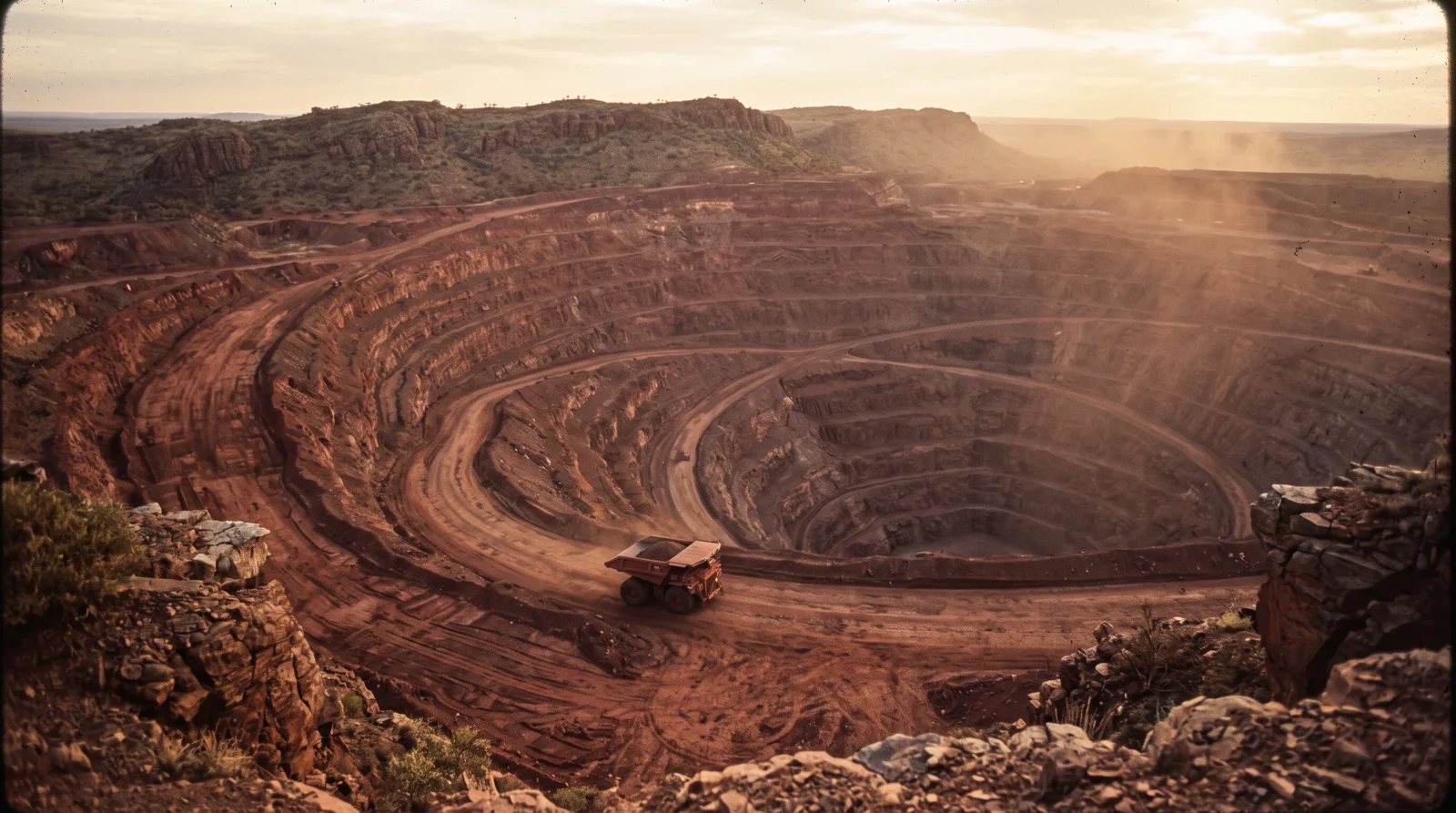
"The moment you understand the economy as a subsystem of the Earth — not separate from it — every question about policy, strategy, and the future becomes both harder and more answerable."
— Val (Valdas) Samonis

What you'll learn
What you'll be able to do
- Explain the economy as a physical subsystem of the Earth system and map the flows of energy and materials that connect them
- Interpret key planetary boundary metrics — from atmospheric CO₂ concentrations to biodiversity intactness indices — and assess where humanity stands against each
- Analyze the drivers of the Great Acceleration — population, consumption, technology, globalized production — and quantify their environmental consequences
- Evaluate the major decarbonization pathways for energy, food, cities, and industry and compare their feasibility, cost, and co-benefits
- Apply policy instruments — carbon pricing, natural capital accounting, trade reform — to real governance challenges at national and international scales
- Develop strategic recommendations for firms, governments, or civil society organizations navigating the transition to a sustainable economy
How it works
A school that adapts to you
This isn't a set of static videos. Every lesson is generated live and tuned to where you actually are.
We learn your level
A quick placement check tailors your starting point so you're never bored or lost.
Lessons adapt as you go
Each lesson is written for your pace and your goal, adjusting as your skills grow.
Your AI coach keeps you moving
Checkpoints, feedback, and gentle nudges turn progress into a real result.
The curriculum
What's inside your school
5 modules · 25 lessons
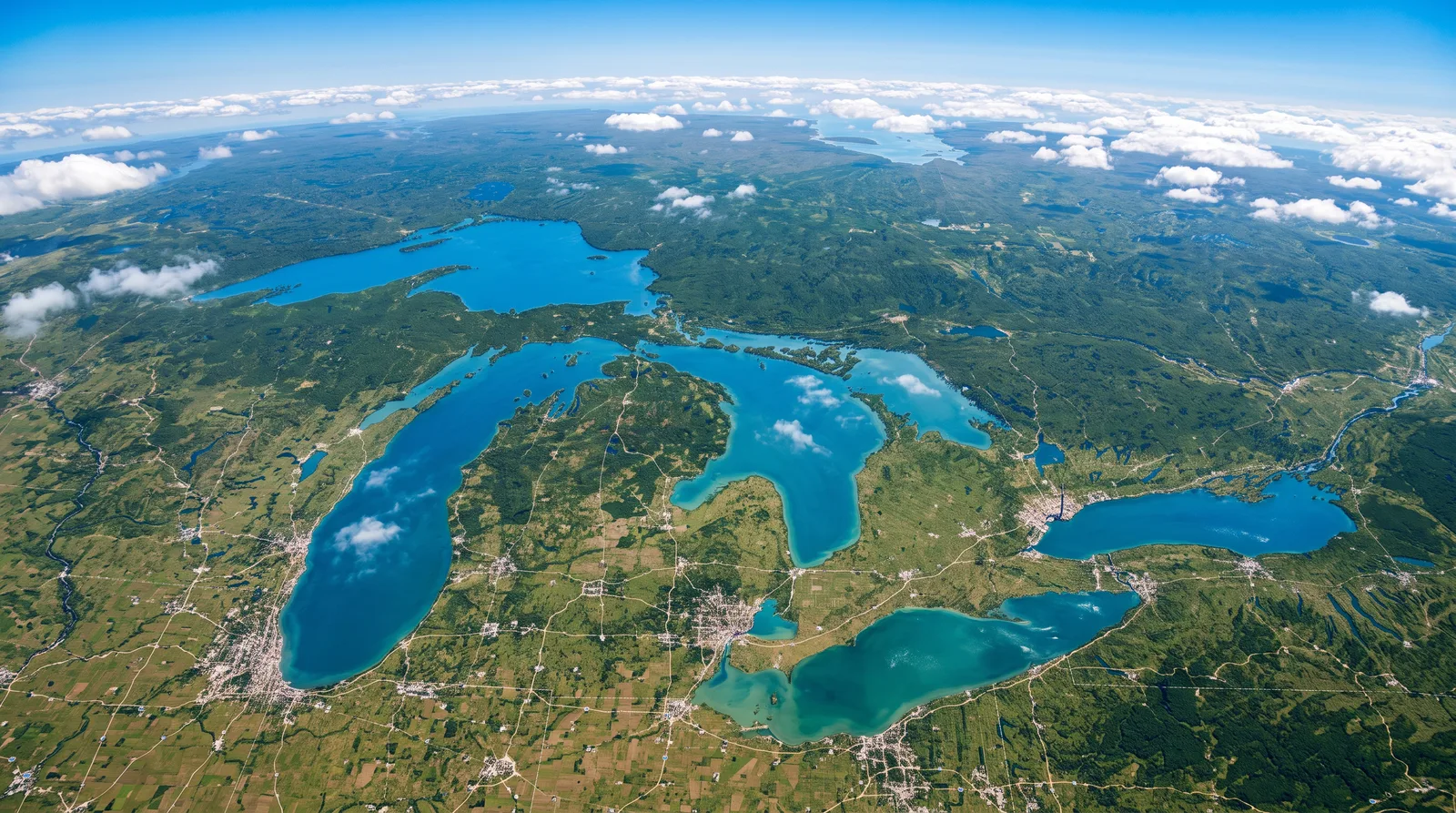
Foundations: The Economy Within the Earth System
Establishes the core conceptual framework — the economy as a physical subsystem of the biosphere, governed by thermodynamic laws and biogeochemical cycles.
- 1.1Rethinking the Economy: From Machine to SubsystemIncluded
- 1.2Energy, Materials, and the Physical EconomyIncluded
- 1.3Thermodynamics and Economic LimitsIncluded
- 1.4Planetary Boundaries: Defining the Safe Operating SpaceIncluded
- 1.5Measuring Where We Stand: Key Metrics of Planetary HealthIncluded
The Great Acceleration: Drivers and Consequences
Examines the interacting forces — population, consumption, technology, and globalized production — that have elevated the human economy to geological magnitude.
- 2.1Population, Affluence, and the IPAT FrameworkIncluded
- 2.2The Globalization of Production and Environmental DisplacementIncluded
- 2.3Consumption Cultures and Material FootprintsIncluded
- 2.4Technology as Amplifier and Potential SaviorIncluded
- 2.5Accounting for the Anthropocene: Evidence and Tipping PointsIncluded
The Great Transformation: Decarbonization Pathways
Analyzes the system-level transitions required across energy, food, cities, industry, and material flows to bring the economy within planetary boundaries.
- 3.1Decarbonizing the Energy SystemIncluded
- 3.2Transforming Food and AgricultureIncluded
- 3.3Cities, Infrastructure, and the Built EnvironmentIncluded
- 3.4Industrial Decarbonization and Hard-to-Abate SectorsIncluded
- 3.5The Circular Economy: Closing Material LoopsIncluded
Governance and Policy Instruments
Evaluates the policy tools — pricing, accounting, regulation, and international agreements — that can align economic incentives with planetary boundaries.
- 4.1Carbon Pricing: Taxes, Cap-and-Trade, and Border AdjustmentsIncluded
- 4.2Natural Capital Accounting: Putting Nature on the Balance SheetIncluded
- 4.3Trade, Investment, and Environmental StandardsIncluded
- 4.4The Geopolitics of the Energy TransitionIncluded
- 4.5International Institutions and Global Environmental GovernanceIncluded
Strategy and Action: Firms, Governments, and Civil Society
Translates the geonomics framework into actionable strategies for the organizations and actors driving — and navigating — the sustainability transition.
- 5.1Corporate Strategy in the Age of Planetary BoundariesIncluded
- 5.2Government Strategy and the Policy MixIncluded
- 5.3Civil Society, Social Movements, and System ChangeIncluded
- 5.4Finance, Investment, and the Green TransitionIncluded
- 5.5Integrated Capstone: Designing a Geonomic StrategyIncluded
Who it's for
Is this you?

Graduate researchers
Provides the integrative biophysical-economic framework that bridges disciplinary silos and grounds dissertation-level thinking in planetary-scale evidence.

Policy professionals
Builds the analytical depth to design, evaluate, and defend real governance instruments — from carbon pricing to natural capital accounting — at national and international scales.

Sustainability strategists
Moves beyond frameworks and buzzwords to a rigorous, evidence-based foundation for advising organizations navigating the transition to a sustainable economy.

Business leaders
Equips executives and senior managers to understand planetary boundaries as material strategic risks and to develop credible, science-grounded corporate responses.

Finance & investment professionals
Delivers the conceptual infrastructure to evaluate green investment theses, assess transition risk, and align capital allocation with a rigorous understanding of decarbonization pathways.

Serious independent learners
Offers intellectually ambitious readers who've outgrown popular-science takes a genuinely rigorous, evidence-grounded framework for the economy-planet relationship.
Questions
Frequently asked
Your teacher
A note from your teacher

Val (Valdas) Samonis
If you've found your way here, I suspect you share a particular kind of frustration — the feeling that most conversations about the economy and the environment are happening at the wrong level of depth. The headlines about net-zero targets and carbon markets and green growth are everywhere, but the underlying framework that would let you evaluate those claims rigorously, connect them to each other, and act on them with confidence? That's much harder to find.
That gap is exactly what Geonomics is designed to close.
I built this school because I believe the Anthropocene demands a new way of thinking about economic life — not a tweak to the models we already have, but a genuine reorientation. The economy is not a machine that occasionally bumps up against environmental constraints. It is a physical subsystem of the Earth system, dependent on energy and material flows, operating within boundaries that are non-negotiable. Once you see the economy that way, you cannot unsee it. And once you can't unsee it, you start asking much sharper questions: Which planetary boundaries are we closest to breaching, and what does the evidence actually show? What are the real trade-offs in decarbonizing steel or cement or food systems — not the talking-points version, but the hard version? What does a well-designed carbon price actually do, and where does it fall short? What does a genuinely strategic response look like for a firm, a government, or a civil society coalition?
Those are the questions this school answers — carefully, rigorously, and without pretending the answers are simpler than they are. We move from thermodynamics and planetary boundary science through the drivers of the Great Acceleration, into the full portfolio of decarbonization pathways, through the governance instruments that matter most, and finally into the strategic thinking that firms, governments, and civil society organizations actually need. The capstone asks you to put all of it together into a coherent geonomic strategy.
I won't pretend this is easy material. But I will promise you this: the intellectual investment pays compound interest. The framework you build here will change how you read every policy proposal, every corporate sustainability report, every headline about the energy transition — for the rest of your career. You will have a way of thinking that most people in these conversations simply don't have.
If you're a graduate student wanting an integrative framework that connects your disciplinary training to the biggest challenges of the century — welcome. If you're a policy professional or sustainability strategist who needs more than surface-level fluency — welcome. If you're a business leader who understands that planetary boundaries are now a material business risk and wants to think about it seriously — welcome. And if you're simply a thoughtful person who refuses to be satisfied with shallow takes on the most consequential questions of our time — you are exactly who I built this for.
Let's begin.
— Val (Valdas) Samonis
Start your journey today
Get instant access — learn at your own pace with an AI coach in your corner.
$50/mo
Recurring billing · cancel anytime
Secure checkout · Instant access
- 5 modules, 25 lessons
- AI-adaptive lessons tuned to your level
- Quizzes & checkpoints to lock in progress
- Your own AI learning coach
- Learn on any device, at your pace
- Full access for as long as you're subscribed