
Architect Germany's economic future — before the window closes!
A rigorous, data-dense strategy school/seminar that takes the “shock-therapy” logic of Balcerowicz's Polish transformation and applies it — systematically, for the first time — to the structural fault lines of the German economic model, producing a sequenced, politically viable reform blueprint through 2050.
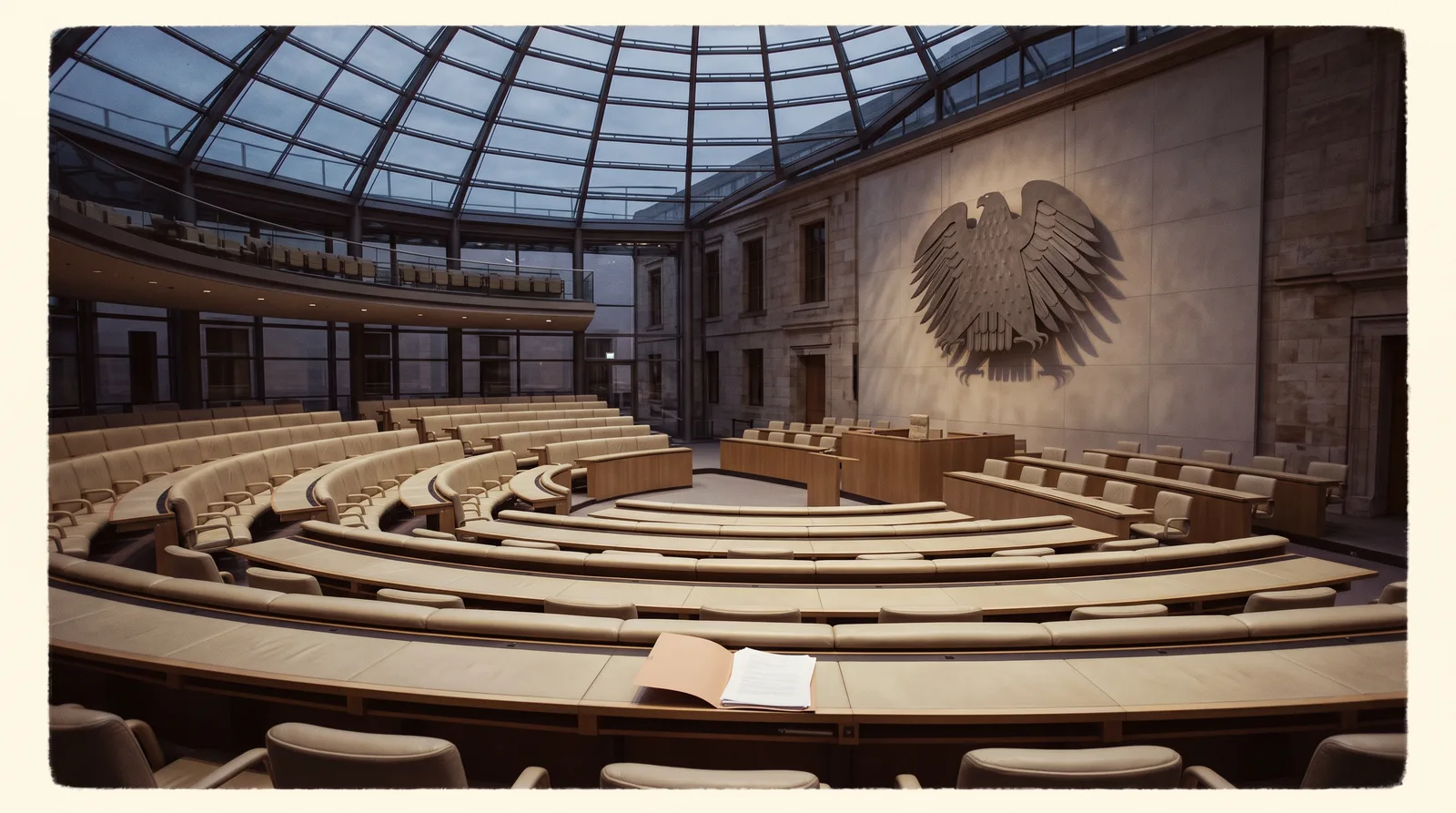
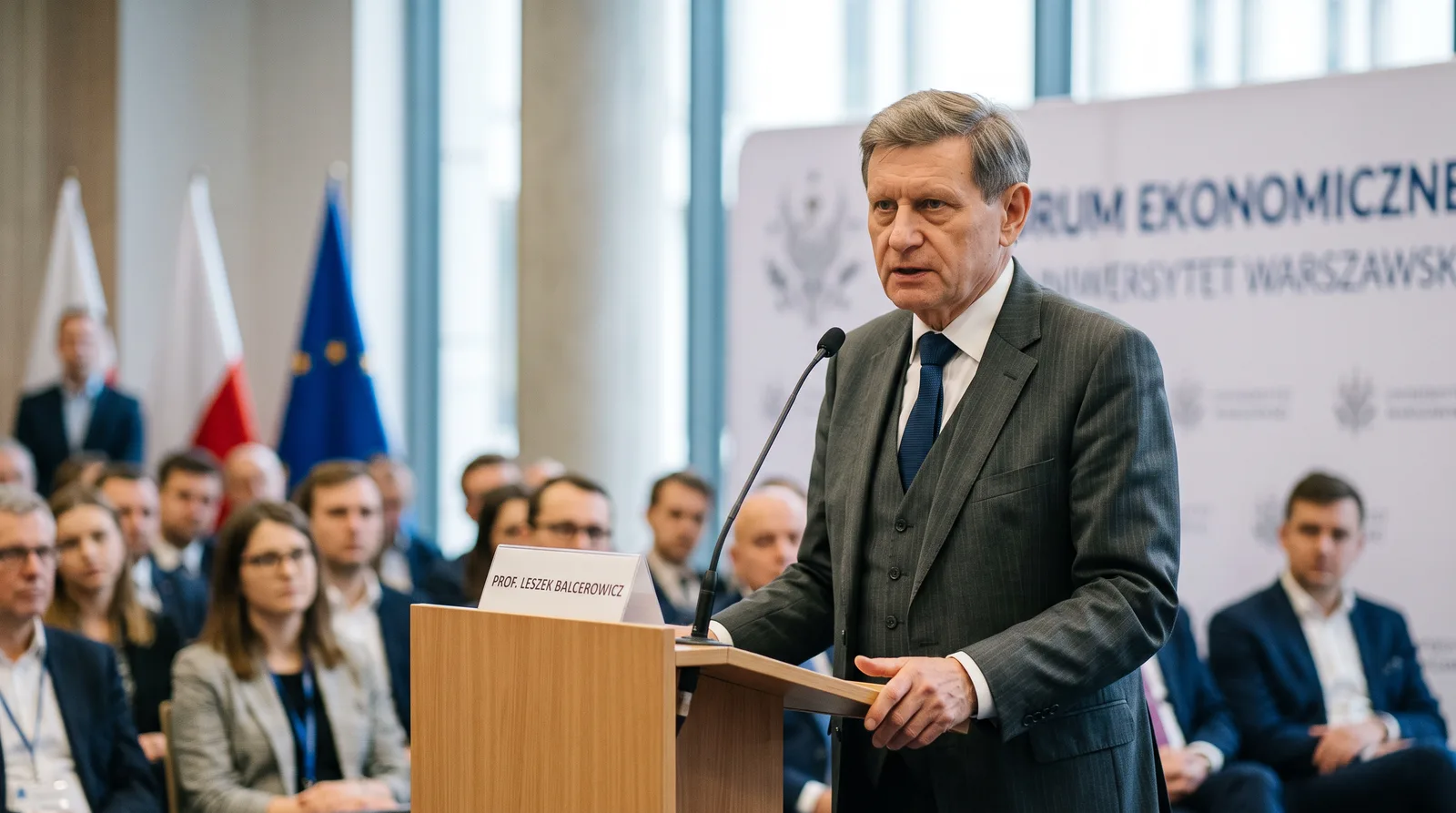
"The diagnosis has been done — this seminar is built to creatively use the proven Balcerowicz Plan architecture to badly needed German economic reforms”
— Val (Valdas) Samonis
What you'll learn
What you'll be able to do
- Diagnose the structural fault lines of the German economic model — energy policy, demographics, industrial subsidies, and debt brake orthodoxy — with the precision of a working economist.
- Apply the analytical framework of the Balcerowicz Plan (sequencing, speed, political economy of reform windows) to a large, mature Western economy for the first time.
- Design a sequenced, politically viable shock-therapy roadmap for German fiscal, labour-market, and industrial-policy reform through 2050.
- Evaluate comparative reform cases — Poland 1990, Sweden 1994, Canada 1995 — and extract transferable institutional mechanisms for the German context.
- Anticipate and counter the principal political and social resistance coalitions (unions, Mittelstand lobbies, Länder veto players) with evidence-based negotiation strategies.
- Construct a credible 2050 scenario model integrating productivity growth, green-transition costs, demographic decline, and export-market shifts into a coherent long-run strategy.
How it works
A school that adapts to you
This isn't a set of static videos. Every lesson is generated live and tuned to where you actually are.
We learn your level
A quick placement check tailors your starting point so you're never bored or lost.
Lessons adapt as you go
Each lesson is written for your pace and your goal, adjusting as your skills grow.
Your AI coach keeps you moving
Checkpoints, feedback, and gentle nudges turn progress into a real result.
The curriculum
What's inside your school
6 modules · 29 lessons

The German Economic Model: Anatomy of Stagnation
Diagnoses the structural fault lines of the German economic model with working-economist precision across energy, demographics, industry, and fiscal orthodoxy.
- 1.1The Modell Deutschland Myth: Rise, Peak, and PlateauIncluded
- 1.2Energy Policy as Strategic Liability: From Energiewende to DependenceIncluded
- 1.3The Demographic Time Bomb: Labour Supply, Pension Arithmetic, and Fiscal DragIncluded
- 1.4Industrial Subsidies and the Mittelstand Dependency TrapIncluded
- 1.5The Debt Brake Orthodoxy: Fiscal Anchor or Structural Straitjacket?Included
The Balcerowicz Framework: Shock Therapy as Strategic Science
Builds a rigorous analytical toolkit from the Balcerowicz Plan — covering sequencing logic, speed doctrine, and the political economy of reform windows.
- 2.1Shock Therapy Reconsidered: Doctrine, Debate, and EvidenceIncluded
- 2.2The Balcerowicz Plan: Design Principles and Operational ArchitectureIncluded
- 2.3Speed vs. Gradualism: When Sequencing Determines Success or FailureIncluded
- 2.4Exploiting the Reform Window: Crisis, Mandate, and IrreversibilityIncluded
- 2.5Applying the Framework to a Mature Western Economy: Conceptual ChallengesIncluded
Comparative Reform Cases: Extracting Transferable Mechanisms
Evaluates the Polish, Swedish, and Canadian reform experiences to isolate institutional mechanisms transferable to the German context.
- 3.1Poland 1990: Speed, Stabilisation, and the Political CovenantIncluded
- 3.2Sweden 1994: Fiscal Consolidation and Welfare-State ReinventionIncluded
- 3.3Canada 1995: Intergovernmental Fiscal Reform Under Federal ConstraintsIncluded
- 3.4Cross-Case Synthesis: What Makes Structural Reform Stick?Included
Resistance Coalitions and the Political Economy of Reform
Maps Germany's principal veto players and resistance coalitions and equips analysts with evidence-based strategies to neutralise or negotiate with each.
- 4.1Mapping the Resistance Architecture: Unions, Mittelstand, and LänderIncluded
- 4.2Union Power and Labour-Market Reform: Lessons from Hartz and BeyondIncluded
- 4.3Mittelstand Lobbies and the Subsidy Dependency CoalitionIncluded
- 4.4Länder as Veto Players: Federalism, the Bundesrat, and Fiscal ReformIncluded
- 4.5Evidence-Based Negotiation: Compensation Design and Coalition BuildingIncluded
Designing the German Shock-Therapy Roadmap: 2025–2035
Translates the analytical framework into a concrete, sequenced reform programme covering fiscal rules, labour markets, and industrial policy for the first decade.
- 5.1Fiscal Reform: Redesigning the Debt Brake for a Investment-Capable StateIncluded
- 5.2Labour-Market Reform: Skills, Flexibility, and Demographic AdaptationIncluded
- 5.3Industrial Policy Reform: From Subsidy Defence to Innovation OffenceIncluded
- 5.4Energy Transition Sequencing: Costs, Competitiveness, and Credible CommitmentIncluded
- 5.5Shock or Sequence? Calibrating Speed for the German Political EconomyIncluded
Germany 2050: Scenario Architecture and the Long-Run Strategy
Constructs an integrated 2050 scenario model combining productivity, demographics, green transition, and export-market dynamics into a coherent long-run strategic blueprint.
- 6.1Scenario Modelling Methodology: Building Credible Long-Run FrameworksIncluded
- 6.2Productivity Growth Pathways: Technology, Investment, and Reform DividendsIncluded
- 6.3Green Transition Costs and the Competitiveness EquationIncluded
- 6.4Demographic Decline and Labour-Force Scenarios: Immigration, Automation, LongevityIncluded
- 6.5Germany 2050: Assembling the Strategic BlueprintIncluded
Who it's for
Is this you?

Senior civil servants
They brief ministers and need a coherent, defensible reform logic — not commentary — to structure institutional proposals and anticipate Bundesrat veto points.

Policy analysts
They track German and European economic affairs professionally and want a structured analytical framework that elevates their work from synthesis to strategic architecture.

Academic economists
They research comparative political economy or fiscal institutions and need a rigorous, case-anchored framework that connects theory to operational reform design.

Political advisors
They work inside or alongside parties and coalitions and need to understand resistance coalitions, reform windows, and compensation design well enough to build viable political strategies.

Think-tank researchers
They produce institutional analysis for public and private clients and want a comparative, scenario-driven methodology they can apply directly to their own research outputs.

Engaged senior executives
They run businesses exposed to German industrial policy, energy costs, or labour-market regulation and need a long-run strategic framework — not headlines — to inform investment and advocacy decisions.
Questions
Frequently asked
Your teacher
A note from your teacher

Val (Valdas) Samonis
If you have spent serious time on the German economic problems, you already know what the challenge is. The Energiewende's structural costs, the pension arithmetic that compounds every year without a legislative response, the debt brake that now functions as a veto on public investment rather than a guarantee of fiscal discipline, the Mittelstand subsidy architecture that has drifted from dynamism into dependency — the diagnosis is not in short supply. What the debate has chronically failed to produce is the reform architecture: a framework for how transformation actually happens, at what speed, in what sequence, and against what political/economic resistance.
That gap is why I built this school on how to creatively use the lessons of the Balcerowicz Plan.
The Balcerowicz Plan is the most instructive precedent available for anyone serious about structural economic reform at scale. Not because Poland in 1990 is Germany in 2026 — it is not, and the school treats that difference with the analytical care it deserves — but because the framework that Balcerowicz and his team operationalised contains principles that no serious reformer should work without: the theory of the reform window, the logic of sequencing and irreversibility, the political economy/institutional economics of compensation design. These are not academic artefacts. They are the mechanisms that determined whether Sweden's 1994 fiscal consolidation held, whether Canada's 1995 intergovernmental reform worked, and whether Germany's own Hartz reforms ultimately produced the political backlash that constrained the next generation of reform. Understanding them analytically is the prerequisite for applying them strategically.
I want to be direct about what this school is and is not. It is not a survey of opinions about Germany's future. It is not a policy podcast. It is a structured, rigorous analytical programme — the equivalent of a graduate policy seminar run at full intensity — and it assumes you are coming to it as a professional who needs tools, not reassurance. The theory cum praxis frameworks are dense. The comparative cases demand careful reading. The political economy mapping requires that you sit with institutional economics complexity rather than simplify it away.
What you will leave with is this: the ability to diagnose Germany's structural fault lines with the precision of a highly experienced economist; a command of the Balcerowicz Plan and its comparative evidence base; a sequenced, politically viable reform roadmap for 2025–2035; and a scenario-modelled long-run strategy for 2050 that you can defend in a ministerial brief, a board presentation, or a think-tank publication. That is the transformation this school delivers — from informed observer to strategic architect.
If you are ready to move from diagnosis to design in this extremely important German reform, this is where that work begins.
— Val (Valdas) Samonis
Start your journey today
Get instant access — learn at your own pace with an AI coach in your corner.
$50/mo
Recurring billing · cancel anytime
Secure checkout · Instant access
- 6 modules, 29 lessons
- AI-adaptive lessons tuned to your level
- Quizzes & checkpoints to lock in progress
- Your own AI learning coach
- Learn on any device, at your pace
- Full access for as long as you're subscribed