What Does a Chief of Staff Actually Do? (And How to Become One)
IAIconic Academies · August 3, 2026 · 4 min read
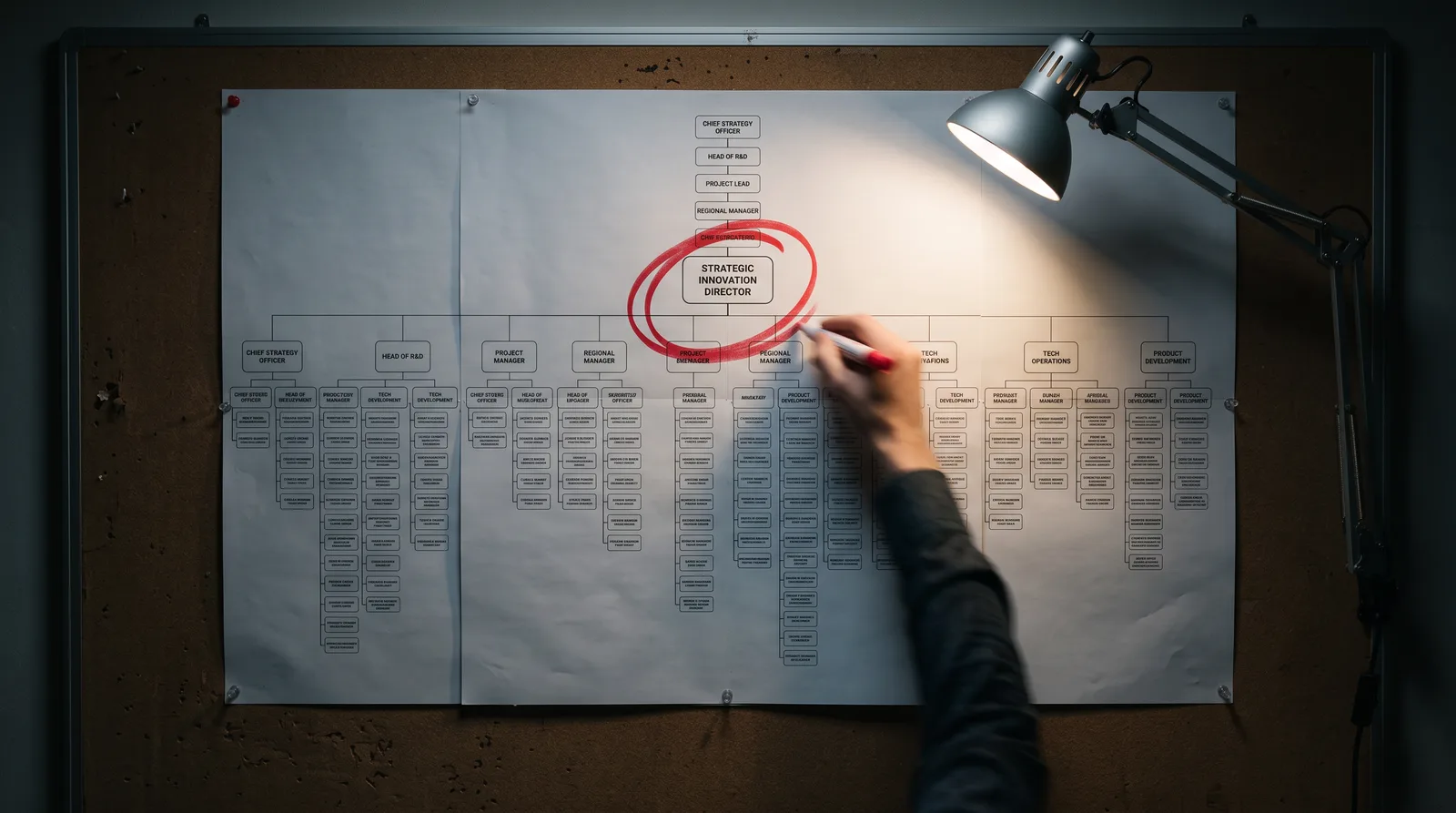
If I had a dollar for every time someone called a Chief of Staff "basically a fancy executive assistant," I could fund my own org chart redesign.
I get it. From the outside, the roles can look similar — both sit close to the executive, both keep things moving, both know things nobody else knows. But the work is fundamentally different. And if you're an admin professional with your eye on that CoS title, you need to understand that difference before you can close the gap.
Let me break it down.
What a Chief of Staff Actually Does
A Chief of Staff is an organizational force multiplier. Their job is to make the executive — and the entire organization around them — operate more effectively.
Where an executive assistant owns the execution of the executive's priorities (calendar, communications, logistics, travel), a Chief of Staff owns the translation of those priorities into organizational action. Think of it this way:
- The EA makes sure the right people are in the room at the right time.
- The CoS makes sure those people walk out of the room aligned, accountable, and moving.
In practice, a Chief of Staff typically:
- Drives cross-functional initiatives that don't cleanly belong to any one department
- Prepares the executive for high-stakes decisions by synthesizing information, flagging risks, and pressure-testing assumptions
- Owns the operating rhythm — quarterly planning, leadership offsites, goal tracking (OKRs, KPIs), and follow-through
- Acts as a proxy for the executive in meetings, conversations, and projects where their presence isn't necessary but their perspective must be represented
- Manages strategic communications — internal memos, all-hands prep, Board materials
- Identifies organizational gaps before they become crises
None of that is administrative in the traditional sense. It's strategic. It's analytical. It's leadership.
Where the Confusion Comes From
The confusion is understandable — and honestly, it's not the admin community's fault. For years, organizations used "Chief of Staff" as a title upgrade without a role redesign. They gave a seasoned EA the new title, kept the same job description, and called it a day.
That's changing fast. As organizations grow more complex and executives get pulled in more directions, the genuine CoS function is becoming a serious business need. Companies are now hiring specifically for strategic CoS roles — and they want candidates who can think like operators, not just support like coordinators.
The distinction matters because it changes how you prepare.
The Skills Gap (And How to Close It)
Here's the honest truth: strong execution skills are the foundation, not the finish line. If you're an EA or senior admin who wants to move into a Chief of Staff role, you're likely already excellent at managing up, reading a room, and getting things done with incomplete information.
What you need to build on top of that:
Business acumen. You need to understand how the business makes money, where it's losing it, and what the competitive landscape looks like. You should be able to read a P&L and ask smart questions about it.
Strategic communication. CoS-level writing isn't scheduling emails. It's executive memos, board prep, and framing decisions for people who have thirty seconds to absorb them. Clear, structured, no fluff.
Project and program management. Not just tracking tasks — owning outcomes across teams you don't manage. That means influence without authority, which is one of the hardest professional skills to develop.
AI fluency. I'll say this plainly: in 2025 and beyond, a CoS who can't use AI tools to synthesize information faster, draft materials better, and identify patterns in organizational data is leaving capacity on the table. This isn't optional anymore.
Leadership presence. The CoS often speaks for the executive. That means you need to carry authority into rooms where you aren't the most senior person — and do it without ego.
The Path from Admin to CoS
The most direct route isn't always a job change. It's a role expansion.
Start by mapping what your current executive actually needs that isn't getting done. Then volunteer to own one piece of it — a recurring report, a planning cycle, a cross-departmental project that keeps falling through the cracks. Do that well, and you've started building a Chief of Staff portfolio inside your current role.
Document what you do and the impact it creates. Not just "managed X" but "restructured X, which reduced Y." Language matters when it's time to advocate for yourself.
Then get intentional about the skills gaps. Seek out business acumen training. Practice writing executive-style communications. Learn to run a structured meeting that produces decisions, not just discussion.
The title follows the track record — but only if you're building the right one.
This is exactly the progression we build inside the Administrative Leadership Institute at Iconic Academies. If you're ready to stop waiting for someone to hand you a seat at the table and start engineering the path yourself, that's where we do the work.

Want to go deeper than a blog post?
Administrative Leadership Institute (ALI)
ALI is the premier online school where executive assistants, Chiefs of Staff, and admin professionals transform into high-impact strategic partners — mastering exec ops, AI productivity, business acumen, and leadership skills that command a seat at the table. This course prepares students to command their Pioneer Premium in the AI era. Remove the fear of being replaced and embrace your inner leader.
Start learning — $49/mo