
Master the fall of two kingdoms
From Solomon's fractured legacy to the fires of Babylon — trace every political crisis, religious rupture, and imperial campaign that destroyed ancient Israel and Judah, armed with the archaeology and primary texts that let you think like a historian.
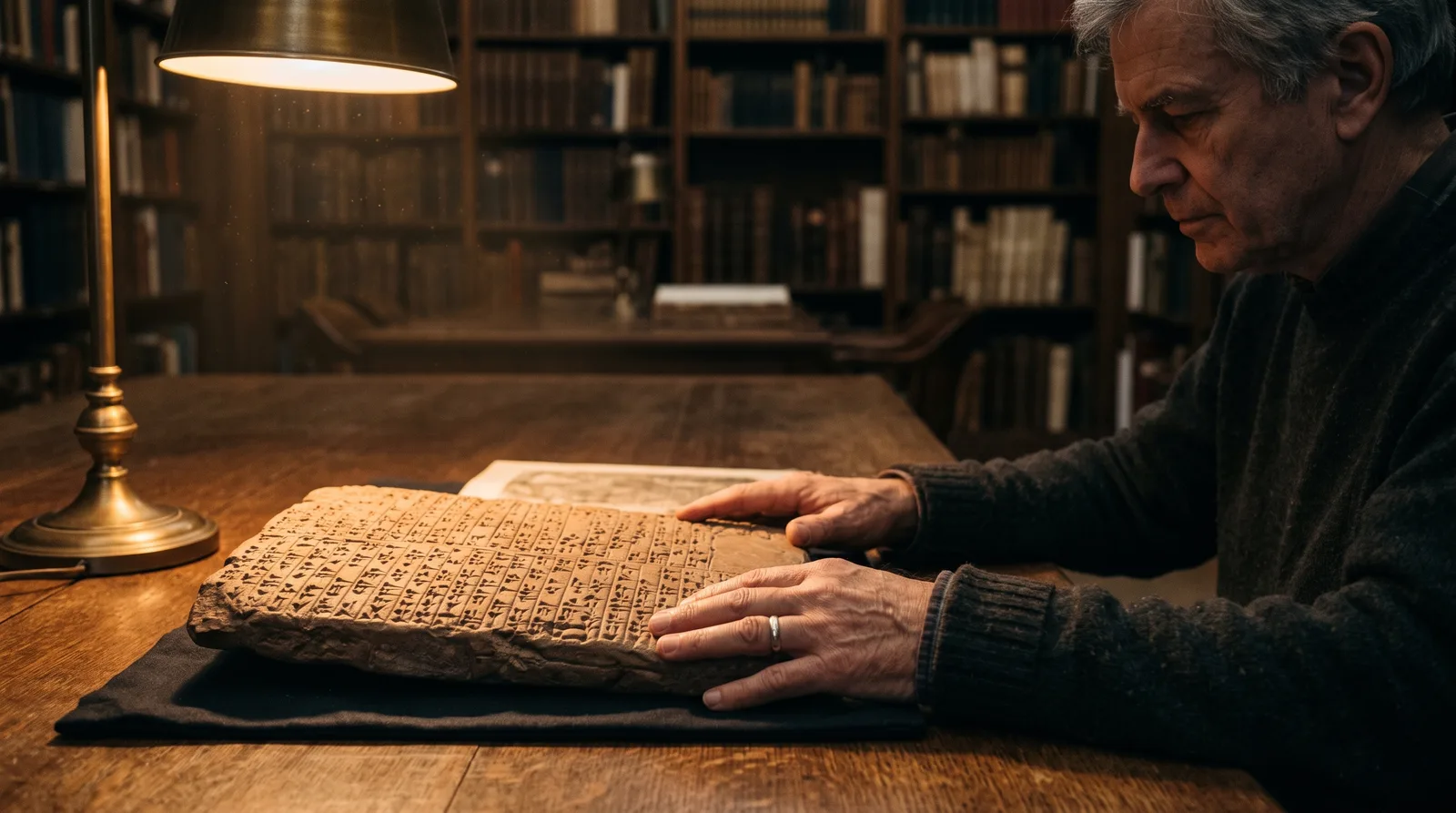
The ancient sources don't just record what happened — they argue for an interpretation, and learning to read that argument is where real historical understanding begins.— Carla Paton
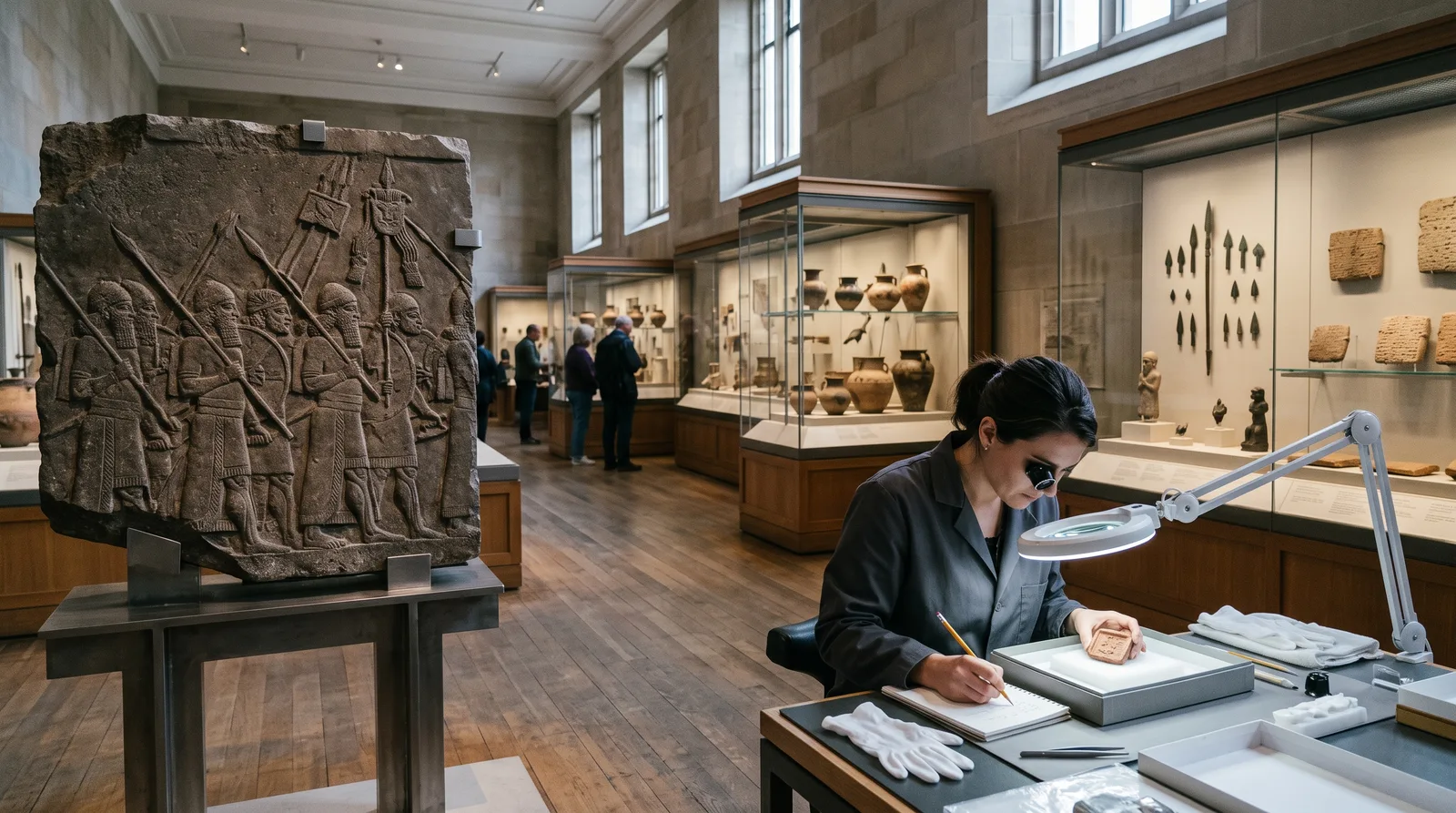
What you'll learn
What you'll be able to do
- Trace the political and religious causes of the kingdom's division after Solomon and explain how northern Israel and southern Judah diverged in governance and cult
- Analyze Assyrian imperial strategy and explain how Tiglath-Pileser III and Sargon II dismantled the northern kingdom, culminating in the fall of Samaria in 722 BCE
- Evaluate the Deuteronomic reforms of Hezekiah and Josiah against their geopolitical contexts, assessing why reform ultimately could not prevent Judah's collapse
- Reconstruct the Babylonian campaigns of Nebuchadnezzar II, the sieges of Jerusalem, and the mechanics of elite deportation that produced the Babylonian exile
- Interpret key primary sources — including Assyrian annals, the Lachish Letters, and biblical texts — as historical evidence, weighing their biases and limitations
- Place both kingdoms within the broader ancient Near Eastern world, connecting internal Israelite history to Egyptian, Aramean, Phoenician, and Mesopotamian power dynamics
How it works
A school that adapts to you
This isn't a set of static videos. Every lesson is generated live and tuned to where you actually are.
We learn your level
A quick placement check tailors your starting point so you're never bored or lost.
Lessons adapt as you go
Each lesson is written for your pace and your goal, adjusting as your skills grow.
Your AI coach keeps you moving
Checkpoints, feedback, and gentle nudges turn progress into a real result.
The curriculum
What's inside your school
6 modules · 26 lessons

The Fracture of Solomon's Kingdom
Examines the political, economic, and religious tensions that split the united monarchy into Israel and Judah after Solomon's death.
- 1.1Solomon's Legacy: Wealth, Forced Labor, and DiscontentIncluded
- 1.2The Secession of the North: Rehoboam, Jeroboam, and 931 BCEIncluded
- 1.3Two Kingdoms, Two Cults: Diverging Religious IdentitiesIncluded
- 1.4Neighbors and Rivals: The Regional Map After DivisionIncluded
Israel and Judah in the Ninth Century: Dynasty, Alliance, and Conflict
Surveys the Omride dynasty's power, Aramaean pressure, and the competing trajectories of both kingdoms before Assyria's rise.
- 2.1The House of Omri: A Dynasty the Bible UnderratesIncluded
- 2.2Ahab, Jezebel, and the Prophetic OppositionIncluded
- 2.3Aram-Damascus and the Wars of the NorthIncluded
- 2.4Jehoshaphat to Athaliah: Judah in Israel's ShadowIncluded
The Assyrian Juggernaut: From Tribute to Annexation
Analyzes Assyrian imperial strategy under Tiglath-Pileser III and Sargon II and their systematic dismantling of the northern kingdom.
- 3.1Assyrian Imperial Strategy: How the Empire Absorbed Its NeighborsIncluded
- 3.2Tiglath-Pileser III and the Beginning of the End for IsraelIncluded
- 3.3The Syro-Ephraimite War and Judah's Fateful ChoiceIncluded
- 3.4Sargon II and the Fall of Samaria, 722 BCEIncluded
- 3.5Reading the Assyrian Annals: Evidence, Propaganda, and Historical MethodIncluded
Judah Alone: Hezekiah, Reform, and Survival
Evaluates Hezekiah's religious reforms and his high-stakes confrontation with Sennacherib's Assyrian invasion.
- 4.1Hezekiah's Religious Reforms: Centralization and Political TheologyIncluded
- 4.2Sennacherib's Invasion and the Siege of Jerusalem, 701 BCEIncluded
- 4.3Lachish: Archaeology and the Reality of Assyrian ConquestIncluded
- 4.4After Sennacherib: Manasseh's Long Reign and the Cost of VassalageIncluded
The Deuteronomic Reform and the Last Kings of Judah
Examines Josiah's sweeping reform movement, its theological foundations, and why it ultimately could not save Judah from collapse.
- 5.1The Discovery of the Law Book: Josiah's Reform and DeuteronomyIncluded
- 5.2Centralization, Passover, and the Purge of the High PlacesIncluded
- 5.3The Death of Josiah and the Collapse of ReformIncluded
- 5.4The Last Kings: Jehoiakim, Jehoiachin, and ZedekiahIncluded
Babylon, Exile, and the Making of Biblical Memory
Reconstructs Nebuchadnezzar's campaigns, the destruction of Jerusalem, and the theological and literary responses that shaped the Bible.
- 6.1Nebuchadnezzar II and the Rise of the Neo-Babylonian EmpireIncluded
- 6.2The Two Sieges of Jerusalem: 597 and 586 BCEIncluded
- 6.3The Lachish Letters and the Voice of the CrisisIncluded
- 6.4Who Was Exiled and Who Remained: The Mechanics and Myth of DeportationIncluded
- 6.5Making Meaning from Catastrophe: Exile and the Formation of the BibleIncluded
Who it's for
Is this you?

Serious Bible readers
You want to read Kings and Chronicles as history, not just theology — and you need the political, archaeological, and imperial context to do that honestly.

Theology students
The Deuteronomic reform, the prophetic tradition, and the formation of the Hebrew Bible in exile are live questions in your studies, and you need the historical ground they stand on.

Ancient history enthusiasts
Assyrian annals, Babylonian campaigns, and the geopolitics of the ancient Near East fascinate you — and you want to place the Israelite kingdoms squarely inside that world.

Archaeology followers
From the Lachish reliefs to the material evidence of Samaria's destruction, you want to know what the ground actually tells us — and where it agrees or argues with the texts.

Lifelong learners
You have always suspected the Sunday-school version of this history left out most of what was interesting, and you are finally ready to find out what actually happened.

Historical-method students
Learning to read royal propaganda, assess source bias, and triangulate between competing ancient accounts is exactly the kind of intellectual skill you came here to sharpen.
Questions
Frequently asked
Your teacher
A note from your teacher

Carla Paton
If you have spent any time reading the Hebrew Bible, or working through a history of the ancient Near East, you have probably encountered this period and felt a familiar frustration: the sources give you names, dates, and verdicts, but they do not quite give you understanding. You know that the kingdom split, that Israel fell to Assyria, that Judah lasted a little longer before Babylon finished the job. But the why — the mechanism, the contingency, the web of political pressures and religious choices and imperial logistics that made these outcomes happen — tends to remain just out of reach.
That gap is exactly what this course is built to close.
I have spent years working at the intersection of ancient Near Eastern history, biblical studies, and archaeology, and what I keep finding is that students do not need to be protected from complexity — they need to be equipped to handle it. The Omride dynasty is a perfect example. The biblical account of Ahab and Jezebel is vivid and memorable and theologically purposeful, and it is also a portrait drawn by writers with a very specific argument to make. The Assyrian and archaeological record gives us a different Omri — a king powerful enough that Assyria was still calling Israel "the house of Omri" decades after his dynasty was gone. Both pictures are evidence. Learning to hold them together, to ask what each source is doing and why, is the core intellectual skill this course teaches.
We will move through the full arc: the fracture of Solomon's kingdom and the diverging political and religious identities of Israel and Judah; the wars of the ninth century and the regional power dynamics that shaped them; the Assyrian imperial machine and the specific campaigns of Tiglath-Pileser III and Sargon II that dismantled the northern kingdom piece by piece; Hezekiah's reforms and Sennacherib's siege; Josiah's extraordinary and ultimately tragic attempt to rebuild Judah around a newly discovered law book; and finally the two Babylonian sieges, the deportations, and the long, generative shadow of exile. At each stage, we will read the primary sources — Assyrian annals, the Lachish Letters, the biblical text itself — not as neutral transcripts but as arguments made by specific people in specific circumstances.
I want to be direct about what this course is not. It is not a survey that skims the surface and hands you a timeline. It is not a devotional study, though students of faith will find that serious historical engagement deepens rather than diminishes their reading of scripture. And it is not an exercise in academic credentialism — you do not need a degree to follow the argument; you need curiosity and the willingness to sit with a difficult question long enough to think it through.
If that sounds like the kind of study you have been looking for, I would genuinely like to work through this history with you. The ancient world rewards attention, and this particular stretch of it — four centuries of two small kingdoms navigating a world of empires — rewards it more than most.
— Carla Paton
Start your journey today
Join get instant access — learn at your own pace with an AI coach in your corner.
$19/mo
Recurring billing · cancel anytime
Secure checkout · Instant access
- 6 modules, 26 lessons
- AI-adaptive lessons tuned to your level
- Quizzes & checkpoints to lock in progress
- Your own AI learning coach
- Learn on any device, at your pace
- Full access for as long as you're subscribed