Learn to read any sheet music, on any instrument
Finally decode the dots and lines on the page — and play music the way it was meant to be heard. No prior theory knowledge required.
"Reading music isn't a talent you're born with — it's a skill I can teach you, and it changes everything."— Cassi Gardei
What you'll learn
What you'll be able to do
- Identify every note on the treble and bass clef staff instantly and without counting
- Read and clap back rhythms confidently, including half notes, eighth notes, dotted values, and ties
- Understand time signatures and know how to count any bar correctly
- Decode dynamics, articulation, and expression markings to play with feeling, not just accuracy
- Sight-read simple to intermediate pieces on your own instrument from the first lesson to the last
- Use sheet music as a practical, everyday tool — finding scores, following along, and learning new pieces independently
How it works
A school that adapts to you
This isn't a set of static videos. Every lesson is generated live and tuned to where you actually are.
We learn your level
A quick placement check tailors your starting point so you're never bored or lost.
Lessons adapt as you go
Each lesson is written for your pace and your goal, adjusting as your skills grow.
Your AI coach keeps you moving
Checkpoints, feedback, and gentle nudges turn progress into a real result.
The curriculum
What's inside your school
6 modules · 21 lessons
The Staff, Clefs, and Your First Notes
Lay the foundation by learning how standard notation is structured. Students get comfortable with the staff, clefs, and the note names in each, building the instant recognition they'll rely on for everything that follows.
- 1.1Anatomy of the StaffIncluded
- 1.2Treble Clef Note Names — Lines and SpacesIncluded
- 1.3Bass Clef Note Names — Lines and SpacesIncluded
- 1.4Ledger Lines and the Full Range of the InstrumentIncluded
Rhythm, Note Values, and the Beat
Rhythm is half of reading music. This module builds a solid, felt sense of beat and teaches students to read, count, and clap back every core note value and rest confidently.
- 2.1The Beat and Note ValuesIncluded
- 2.2Eighth Notes, Sixteenth Notes, and BeamingIncluded
- 2.3Dotted Notes and TiesIncluded
- 2.4Rests — Silence as RhythmIncluded
Time Signatures and Musical Structure
With note names and rhythms in hand, students now learn how music is organised into measures and how time signatures tell you exactly how to count every bar.
- 3.1Understanding Time SignaturesIncluded
- 3.2Compound Time — 6/8 and BeyondIncluded
- 3.3Tempo Markings and How They Shape the MusicIncluded
Dynamics, Articulation, and Expression Markings
Accurate notes and rhythms are just the skeleton. This module teaches students to read and respond to all the markings that turn dots on a page into expressive music.
- 4.1Dynamic Markings — Loud, Soft, and Everything BetweenIncluded
- 4.2Articulation — How Notes Begin and EndIncluded
- 4.3Expression Markings, Repeats, and NavigationIncluded
Putting It Together — Sight-Reading Skills
Combine everything learned so far into the real-world skill of sight-reading: looking at a piece of music for the first time and playing it with accuracy, confidence, and expression.
- 5.1The Sight-Reading Routine — Before You Play a Single NoteIncluded
- 5.2Reading Ahead and Keeping the BeatIncluded
- 5.3Key Signatures and Accidentals in Real ScoresIncluded
- 5.4Sight-Reading Graded RepertoireIncluded
Sheet Music in Real Life — Finding, Following, and Growing Independently
Graduate from the course by using sheet music as an everyday, self-directed tool. Students learn where to find scores, how to assess their difficulty, how to study them efficiently, and how to keep improving on their own.
- 6.1Finding and Evaluating Sheet MusicIncluded
- 6.2Score Study and Efficient Practice from Sheet MusicIncluded
- 6.3Following Along — Ensemble, Recordings, and Lead SheetsIncluded
Who it's for
Is this you?

The Ear-Only Player
You've played guitar or piano by ear for years and want to finally unlock the written music world everyone else seems to live in.

The Adult Beginner
You're starting an instrument as a grown-up and want to learn it the right way — notation and all — from the very beginning.

The Returning Student
You had lessons as a kid, let it lapse, and now can barely remember a note on the staff — this is your fresh, confident restart.

The Music Parent
Your child is learning an instrument and you want to understand sheet music well enough to actually help them practise at home.

The Choir Singer
You've been singing by matching pitch for years and want to read choral parts independently, without relying on someone else to teach you your line.

The Theory Gap Fixer
You've done some lessons and know bits and pieces, but rhythm, rests, and clefs still trip you up — you want the foundations solid once and for all.
Questions
Frequently asked
Your teacher
A note from your teacher
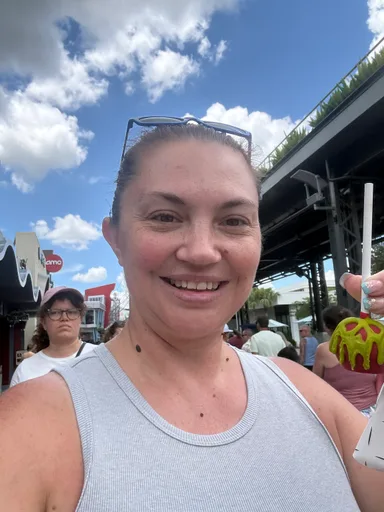
Cassi Gardei
If you've ever stared at a page of sheet music and felt like everyone else got the instruction manual and you didn't — I want you to know that feeling is incredibly common, and it has nothing to do with your ability.
I've taught music reading to students of every background — teenagers picking up their first instrument, adults who've played guitar by ear for twenty years, retirees who always wished they'd learned properly. The one thing they all had in common when they came to me? They thought they were somehow behind, or that it was too late, or that they just weren't "wired" for it.
Every single one of them was wrong.
Music notation is a language, and like any language, it has rules that — once explained clearly — make total sense. The problem isn't that it's hard. The problem is that most people were never taught it properly in the first place. Schools rush it. YouTube videos assume too much. Method books skip the why.
What I've built here is the course I wish had existed when I was first trying to make sense of the staff myself. Every concept is introduced in the order it needs to be, explained without jargon, and immediately applied to real music — because theory that stays on a worksheet is useless.
By the end of this school, you won't just know music notation. You'll be fluent in it. You'll pick up a piece of sheet music, look at it, and understand it — the way a reader picks up a book. That moment, the first time it happens, is one of the best feelings in music. I can't wait for you to have it.
Come and learn to read.
— Cassi Gardei
Start your journey today
Join get instant access — learn at your own pace with an AI coach in your corner.
- 6 modules, 21 lessons
- AI-adaptive lessons tuned to your level
- Quizzes & checkpoints to lock in progress
- Your own AI learning coach
- Learn on any device, at your pace
- Full access for as long as you're subscribed