Understand life from the inside out
From the machinery inside a single cell to the dynamics of entire ecosystems, Living Biology gives you a clear, concept-first path through the science of life — built for curious minds who want to genuinely get it, not just memorize it.
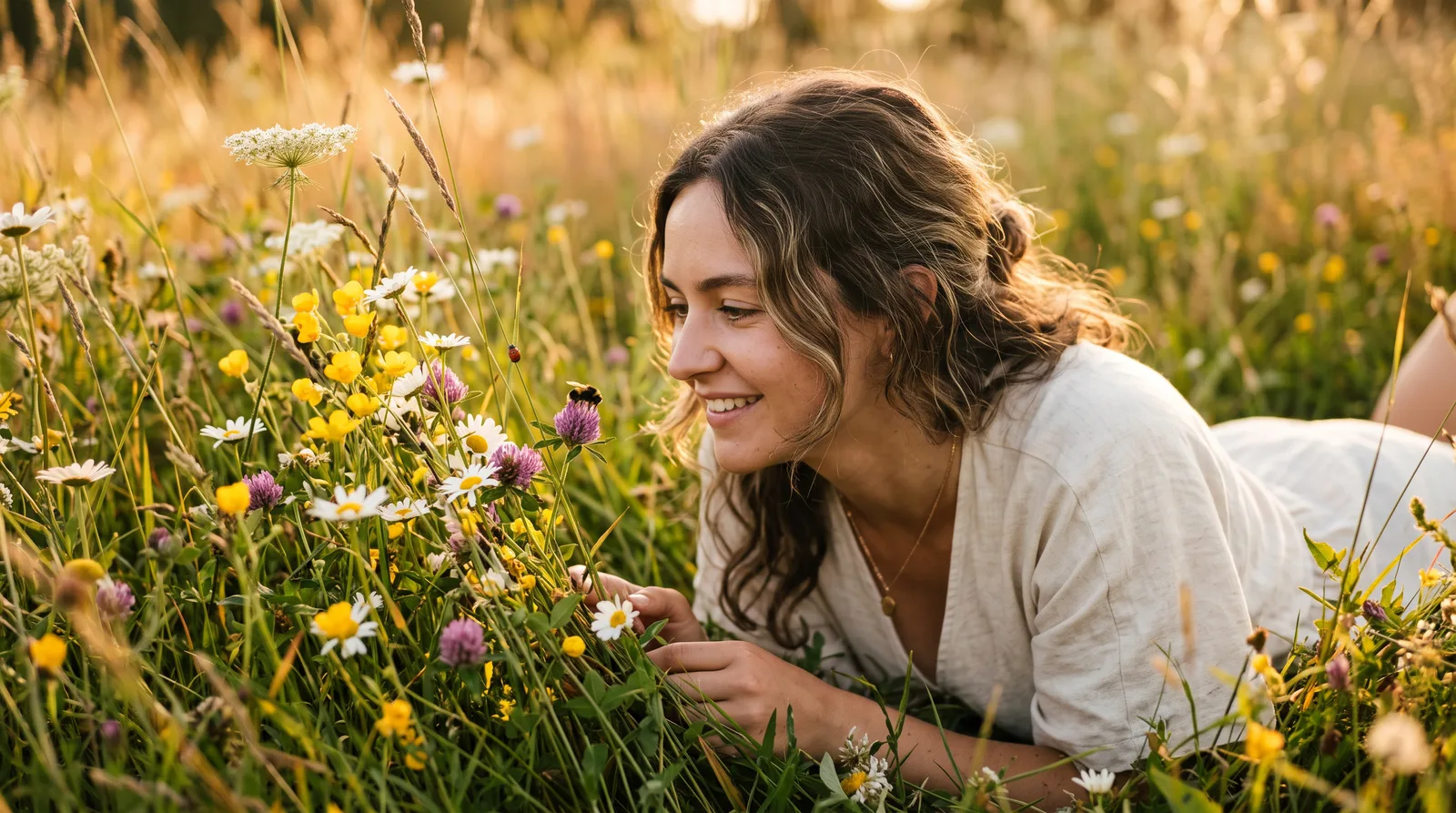
"I don't want you to memorize biology — I want you to see it everywhere you look."
— biologyteachermae
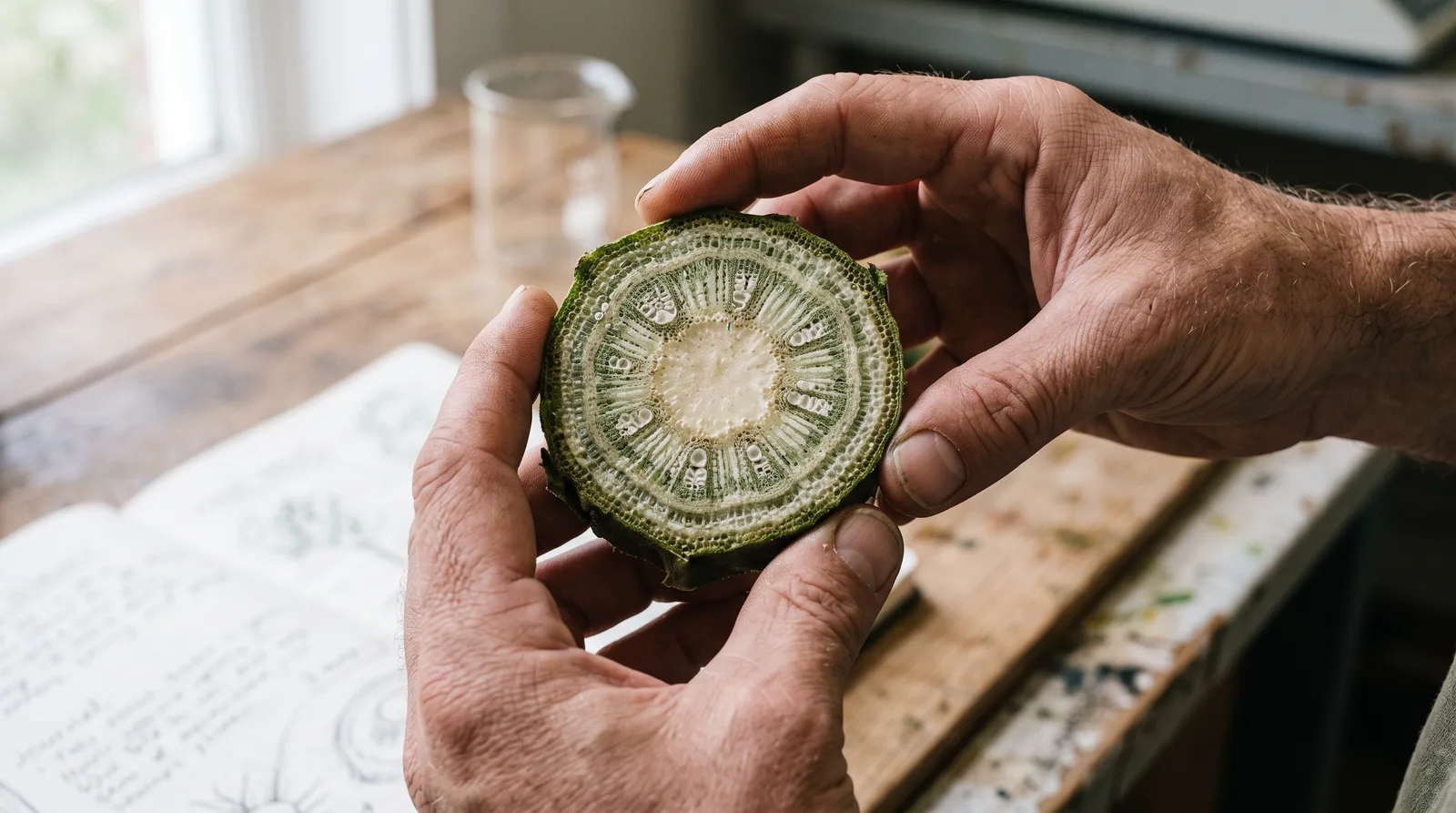
What you'll learn
What you'll be able to do
- Explain the structure and function of cells, organelles, and biological membranes with confidence
- Decode how DNA is replicated, transcribed, and translated into proteins
- Trace energy flow through living systems — from photosynthesis and respiration to food webs
- Understand the mechanisms of evolution, natural selection, and genetic inheritance
- Describe how organ systems work together to maintain homeostasis in the human body
- Analyze real ecological relationships, population dynamics, and conservation challenges
How it works
A school that adapts to you
This isn't a set of static videos. Every lesson is generated live and tuned to where you actually are.
We learn your level
A quick placement check tailors your starting point so you're never bored or lost.
Lessons adapt as you go
Each lesson is written for your pace and your goal, adjusting as your skills grow.
Your AI coach keeps you moving
Checkpoints, feedback, and gentle nudges turn progress into a real result.
The curriculum
What's inside your school
6 modules · 29 lessons

The Cell: Life's Fundamental Unit
Explores cell structure, organelle function, and how biological membranes control what enters and exits living cells.
- 1.1Prokaryotes vs. EukaryotesIncluded
- 1.2Tour of the Eukaryotic CellIncluded
- 1.3The Cell Membrane: Structure and FunctionIncluded
- 1.4Moving Across MembranesIncluded
- 1.5The Cell Cycle and MitosisIncluded
DNA, Genes, and Protein Synthesis
Decodes the molecular story of heredity — from DNA's double helix through replication, transcription, and translation.
- 2.1DNA Structure and the Double HelixIncluded
- 2.2DNA ReplicationIncluded
- 2.3Transcription: DNA to RNAIncluded
- 2.4Translation: RNA to ProteinIncluded
- 2.5Gene Expression and RegulationIncluded
Energy in Living Systems
Traces how organisms capture, convert, and use energy — from sunlight absorbed by chloroplasts to ATP released in mitochondria.
- 3.1Introduction to Biological EnergyIncluded
- 3.2Photosynthesis: Capturing the SunIncluded
- 3.3Cellular Respiration: Releasing EnergyIncluded
- 3.4Fermentation and Anaerobic PathwaysIncluded
Genetics, Heredity, and Evolution
Links Mendelian inheritance patterns to population-level evolution driven by natural selection and genetic variation.
- 4.1Meiosis and Sexual ReproductionIncluded
- 4.2Mendelian Genetics and Inheritance PatternsIncluded
- 4.3Beyond Mendel: Complex InheritanceIncluded
- 4.4Darwin, Natural Selection, and Evidence for EvolutionIncluded
- 4.5Population Genetics and SpeciationIncluded
Human Body Systems and Homeostasis
Examines how the body's major organ systems coordinate to maintain a stable internal environment.
- 5.1Principles of HomeostasisIncluded
- 5.2The Nervous and Endocrine SystemsIncluded
- 5.3Circulation and RespirationIncluded
- 5.4Digestion, Nutrition, and ExcretionIncluded
- 5.5Immune Defense and DiseaseIncluded
Ecology, Populations, and Conservation
Analyzes how organisms interact within ecosystems, how populations change over time, and how humans threaten and protect biodiversity.
- 6.1Ecosystem Structure and Energy FlowIncluded
- 6.2Nutrient Cycles and Ecosystem ServicesIncluded
- 6.3Population Dynamics and Growth ModelsIncluded
- 6.4Species Interactions and Community EcologyIncluded
- 6.5Biodiversity, Threats, and Conservation StrategiesIncluded
Who it's for
Is this you?
AP Bio students
She needs more than flashcards — she needs the conceptual foundation that makes every AP topic actually make sense under exam pressure.

First-year college students
He's in intro biology and the lecture pace is brutal — this course gives him the clear, unhurried explanations that help everything finally click.
Lifelong learners
She studied biology decades ago and wants to revisit it with the curiosity and patience she didn't have at 17.

Pre-med preppers
He knows a rock-solid grasp of cell biology, genetics, and human physiology is non-negotiable before the MCAT shows up.

Self-taught science lovers
She reads science news obsessively and wants the foundational knowledge to understand it at a deeper level than headlines allow.
Homeschool learners
He needs a rigorous, engaging biology curriculum that doesn't require a classroom — just a curious mind and the drive to explore.
Questions
Frequently asked
Your teacher
A note from your teacher
biologyteachermae
If you've ever sat in a biology class and thought, "I know I'm supposed to understand this, but I genuinely have no idea what's actually happening" — I made this course for you.
Biology has a reputation for being a subject you either love or endure. And honestly? I think that reputation is almost entirely the fault of how it gets taught. When you lead with vocabulary lists and diagrams to label before the why is ever established, of course it feels like memorization. Of course it doesn't stick. But biology isn't a dictionary. It's a story — one that runs from the molecular machinery inside a single cell all the way up to the population dynamics of species competing across entire continents. When you see it as a story, it becomes almost impossible to forget.
That's the approach I've taken throughout Living Biology. Before I ever ask you to remember the steps of DNA replication, I want you to understand why replication has to happen at all — and why getting it right matters so much that your cells have built-in proofreading enzymes. Before we talk about ecosystems, I want you to feel the logic of energy flow, so that a food web isn't just a diagram but a picture of where the sun's energy has been. Every section of this course is built that way: concept first, mechanism second, detail third.
I also want to be honest with you about something. I know some of you are here because you have an exam coming up and you're a little (or a lot) stressed. I know some of you drifted away from science years ago and aren't sure you can get it back. And I know some of you are just deeply, genuinely curious about how life works and want a place to explore that curiosity seriously. All of those are good reasons to be here. This course is built to serve all of them — because real understanding is the best exam prep, the best re-entry point, and the best fuel for curiosity there is.
So whether you're diving into the cell for the first time or finally making sense of natural selection after years of vague familiarity, I'm genuinely glad you're here. Let's make biology feel alive — because it is.
— biologyteachermae
Start your journey today
Get instant access — learn at your own pace with an AI coach in your corner.
$29/mo
Recurring billing · cancel anytime
Secure checkout · Instant access
- 6 modules, 29 lessons
- AI-adaptive lessons tuned to your level
- Quizzes & checkpoints to lock in progress
- Your own AI learning coach
- Learn on any device, at your pace
- Full access for as long as you're subscribed