
Build the skills to work on any vehicle — including the ones taking over the road
A comprehensive 3-month certified program that takes you from workshop fundamentals to advanced EV, hybrid, and ADAS diagnostics — everything you need to work confidently on modern vehicles. Build industry-ready skills across every major automotive system, from engine internals to driver-assist technology.
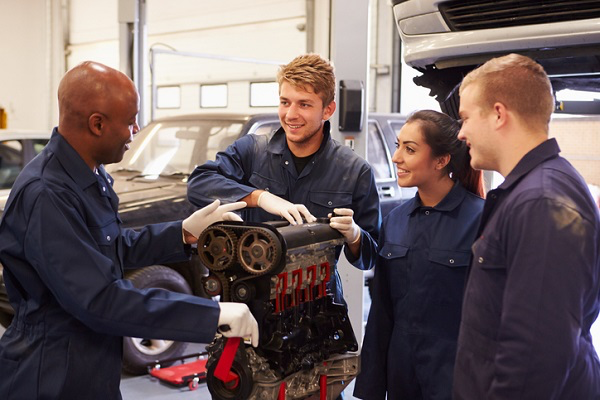
"I teach every 'why' behind the procedure — because a technician who truly understands a system doesn't just fix the fault in front of them, they prevent the next one."— Renstay
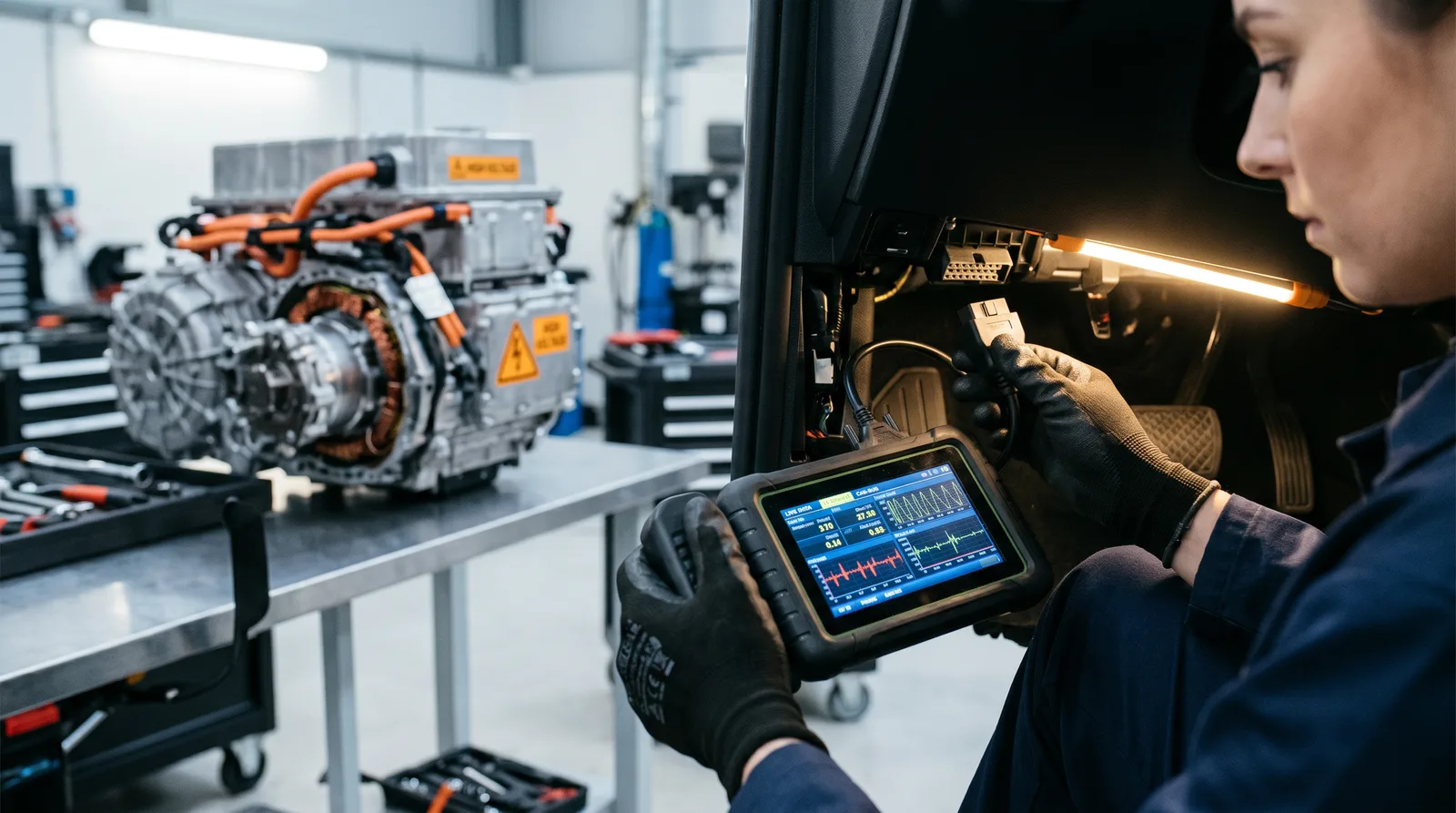
What you'll learn
What you'll be able to do
- Safely manage a professional workshop environment, correctly select and use hand tools, power tools, and diagnostic equipment to industry standards.
- Perform complete vehicle servicing schedules — including fluids, filters, brakes, tyres, and inspections — meeting manufacturer specifications.
- Diagnose and recondition petrol and diesel engines, understanding combustion cycles, valve trains, lubrication, and cooling systems.
- Inspect, maintain, and repair drivetrain and chassis systems including transmissions, differentials, steering, suspension, and wheel alignment.
- Fault-find and repair automotive electrical circuits, HVAC systems, and CAN-bus networks using live wiring diagrams and oscilloscope readings.
- Safely service high-voltage EV and hybrid powertrains and recalibrate Advanced Driver Assistance Systems (ADAS) using OEM-level scan tools.
How it works
A school that adapts to you
This isn't a set of static videos. Every lesson is generated live and tuned to where you actually are.
We learn your level
A quick placement check tailors your starting point so you're never bored or lost.
Lessons adapt as you go
Each lesson is written for your pace and your goal, adjusting as your skills grow.
Your AI coach keeps you moving
Checkpoints, feedback, and gentle nudges turn progress into a real result.
The curriculum
What's inside your school
17 modules · 116 lessons

Workshop Safety and Tool Handling
Establishes the professional foundation every technician must have before touching a vehicle. Students learn to identify hazards, control risk, and correctly select, use, and maintain all categories of workshop tooling — from basic hand tools through to precision measuring and diagnostic instruments. Completing this module first ensures every subsequent practical task is performed safely and to industry standards.
- 1.1Workshop Hazard Identification and Risk ControlIncluded
- 1.2Hand Tools — Selection, Use, and CareIncluded
- 1.3Power Tools and Workshop EquipmentIncluded
- 1.4Precision Measuring and Diagnostic InstrumentsIncluded
Vehicle Servicing
Translates workshop safety skills into structured, real-world service work. Students follow manufacturer service schedules to perform fluid and filter services, brake system servicing, and tyre and wheel work — building the systematic habits and documentation practices required in a professional workshop. This module sits before engine and drivetrain study so students build familiarity with vehicle systems at a service level before reconditioning them.
- 2.1Scheduled Service Procedures — Fluids and FiltersIncluded
- 2.2Brake System ServicingIncluded
- 2.3Tyre and Wheel ServicesIncluded
- 2.4Service Documentation and Customer CommunicationIncluded
Vehicle layouts and some simple vehicle structure
- 3.1Light vehiclesIncluded
- 3.2Vehicle structureIncluded
- 3.3Passenger ProtectionIncluded
- 3.4Vehicle shapeIncluded
- 3.5End-of-life Vehicle DirectiveIncluded
- 3.6Layout of engine and drivelineIncluded
- 3.7Self-assessment questionIncluded
Engine principle
- 4.1Engine detailsIncluded
- 4.2The four-stroke Otto cycleIncluded
- 4.3The two-stroke cycleIncluded
- 4.4Two-stroke engine with valvesIncluded
- 4.5Rotary enginesIncluded
- 4.6The Atkinson engine cycleIncluded
- 4.7Self-assessment questionIncluded
The main moving parts of an engine
- 5.1ValvesIncluded
- 5.2Cam and FollowerIncluded
- 5.3Valve springsIncluded
- 5.4Valve operating mechanismIncluded
- 5.5The camshaft driveIncluded
- 5.6PistonsIncluded
- 5.7The crankshaft and flywheel assemblyIncluded
- 5.8The connecting rodIncluded
- 5.9Self-assessment QuestionsIncluded
Multi-cylinder engines
- 6.1Cylinder arrangementsIncluded
- 6.2Engine structure-the main fixed partsIncluded
- 6.3Self-assessment questionsIncluded
Firing orders and engine balance
- 7.1Firing ordersIncluded
- 7.2Crankshaft layoutIncluded
- 7.3Vibrations and engine balanceIncluded
- 7.4Self-assessment questionsIncluded
Crankshaft, camshaft, and valve operating mechanism
- 8.1CrankshaftIncluded
- 8.2CamshaftIncluded
- 8.3Self-assessment questionsIncluded
A petrol fuel system
- 9.1The fuel tankIncluded
- 9.2Pump detailsIncluded
- 9.3Fuel ReturnIncluded
- 9.4Mechanical fuel pumpIncluded
- 9.5PipesIncluded
- 9.6FiltersIncluded
- 9.7Carbon canisterIncluded
- 9.8Inertia SwitchIncluded
- 9.9Working with petrolIncluded
- 9.10Maintenance and repairIncluded
- 9.11Self-assessment questionsIncluded
Motor Fuels
- 10.1FuelsIncluded
- 10.2Factors affecting exhaust emissionsIncluded
- 10.3Emission and their causesIncluded
- 10.4Methods of controlling exhaust emissionsIncluded
- 10.5Self-assessment questionsIncluded
Carburettors
- 11.1The simple carburettorIncluded
- 11.2Rich or weak mixtureIncluded
- 11.3Keeping the mixture strength constantIncluded
- 11.4Constant-choke carburettorIncluded
- 11.5Cold starts, idling, progression, and accelerationIncluded
- 11.6Constant-vacuum carburettorIncluded
- 11.7Self-assessment questionsIncluded
Petrol injection-introduction
- 12.1Petrol injection systemIncluded
- 12.2Types of petrol injection systemsIncluded
- 12.3Simple-point injection systemIncluded
- 12.4Multi-point injectionIncluded
- 12.5Direct petrol injectionIncluded
- 12.6Fuel system maintenanceIncluded
- 12.7Self-assessment QuestionsIncluded
Air supply and exhaust systems
- 13.1Engine air supply systems (carburettor)Included
- 13.2Fuel-injected engine air intake systemIncluded
- 13.3Variable Length induction tractIncluded
- 13.4TurbochargingIncluded
- 13.5Practical assignment-air supply and exhaust systemIncluded
- 13.6Self-assessment questionIncluded
Lubricants and engine lubrication
- 14.1LubricantsIncluded
- 14.2Boundary lubricationIncluded
- 14.3Hydrodynamic lubricationIncluded
- 14.4Sources of oilIncluded
- 14.5Types of oilIncluded
- 14.6Handling oil and disposal of wasteIncluded
- 14.7Lubrication SystemIncluded
- 14.8Self-assessment questionsIncluded
Cooling Systems
- 15.1Over heatingIncluded
- 15.2Heat TransferIncluded
- 15.3Over-coolingIncluded
- 15.4Types of cooling systemsIncluded
- 15.5Engine air-cooling systemIncluded
- 15.6Liquid coolingIncluded
- 15.7Comparison of air and waterIncluded
- 15.8Radiator and heater matrixIncluded
- 15.9Water pumpIncluded
- 15.10ThermostatIncluded
- 15.11Pressurized cooling systemIncluded
- 15.12Fans and their operationsIncluded
- 15.13Corrosion in the cooling systemIncluded
- 15.14AntifreezeIncluded
- 15.15Engine temperature gaugeIncluded
- 15.16Engine core plugsIncluded
- 15.17Servicing and maintaining the cooling systemIncluded
- 15.18Heating and ventilationIncluded
- 15.19Interior heating and air-conditioningIncluded
- 15.20Heat lossesIncluded
- 15.21Practical assessment-cooling systemIncluded
- 15.22Practical assessment-liquid cooling systemIncluded
- 15.23Self assessment questionsIncluded
Advanced Driver Assistance Systems (ADAS)
Covers the sensor technologies, calibration requirements, and fault diagnosis of modern ADAS features. Positioned after Diagnostics so students can apply scan tool and structured diagnostic skills directly to ADAS systems. Safe work practices around radar, camera, and LiDAR systems are integrated throughout.
- 16.1ADAS Technologies and Sensor ArchitectureIncluded
- 16.2ADAS Calibration — Static and Dynamic ProceduresIncluded
- 16.3ADAS Fault Diagnosis and Safe Work PracticesIncluded
Electric and Hybrid Vehicles
The capstone module of the diploma. Students apply all prior electrical, diagnostic, and safety knowledge to the unique demands of high-voltage EV and hybrid powertrains. The module progresses from HV safety isolation through powertrain architecture, battery systems, motors and power electronics, and ends with charging infrastructure and complete EV servicing — equipping graduates to work safely and competently in the fastest-growing sector of the industry.
- 17.1High-Voltage Safety and Isolation ProceduresIncluded
- 17.2EV and Hybrid Powertrain ArchitectureIncluded
- 17.3High-Voltage Battery Systems and Battery ManagementIncluded
- 17.4Electric Motors, Inverters, and Regenerative BrakingIncluded
- 17.5On-Board Charging, DC Fast Charging, and EV ServicingIncluded
Who it's for
Is this you?

Trade school graduates
You've completed your foundational studies and want a structured, certification-backed program that bridges the gap between classroom theory and real workshop competency.

Garage apprentices
You're learning on the job but want to fill the theoretical gaps, formalise your skills, and accelerate past your peers with advanced EV and ADAS credentials.

Career-changers
You're making a deliberate move into a trade that rewards precision and problem-solving, and you need a complete, ground-up pathway — not a patchwork of short courses.

Automotive service advisors
You work in the workshop environment daily and want deep technical literacy — so you can communicate accurately with technicians and customers, and transition into a hands-on role.

Early-career technicians
You're already working in a workshop but know your EV, hybrid, and ADAS knowledge is a gap that will limit your career growth as vehicle fleets rapidly electrify.

Returning tradespeople
You have a background in mechanical work but have been out of the industry for years — this diploma modernises your existing knowledge and certifies you on today's vehicle technology.
Questions
Frequently asked
Your teacher
A note from your teacher

Renstay
If you're reading this, you're probably at one of a few crossroads. Maybe you've finished trade school and you're wondering what a real, structured pathway forward actually looks like. Maybe you're an apprentice who's learning on the job but suspects there are gaps in your knowledge that could cost you later. Maybe you're switching careers and you want to do this properly — not just pick up fragments of skill, but build genuine, verified competency from the ground up.
I've been on the workshop floor for a long time, and I can tell you exactly what separates the technicians who plateau from the ones who become genuinely indispensable: it's not raw talent. It's systematic knowledge. It's understanding the why behind every procedure — why the combustion cycle behaves the way it does under load, why a specific wiring fault produces that exact symptom on a CAN-bus network, why ADAS calibration has to be performed in a precise sequence. When you understand the why, diagnosis becomes logical. Repairs stick. And you stop second-guessing yourself.
That's what this 12-month diploma is built to do. We go through every major automotive system in the order it matters — starting with workshop safety and precision tool use, because a technician who cuts corners on day one cuts corners everywhere. From there, we work methodically through vehicle servicing, engine internals, drivetrain and chassis, HVAC, electrical systems, and structured diagnostics. Each unit builds directly on the last. Nothing is skipped because it seemed too basic, and nothing is rushed because it seemed too complex.
The final two units — ADAS and Electric & Hybrid Vehicles — are where this program sets you apart. These are the systems that modern workshops are struggling to staff for right now. We cover high-voltage safety and isolation in full, EV and hybrid powertrain architecture, battery management, regenerative braking, and both static and dynamic ADAS calibration using OEM-level scan tools. You won't just have heard of these technologies — you'll be able to work on them, safely and correctly.
I designed this program for the technician I wished I'd had proper structured training to become earlier in my career. Every module is written to treat you as the professional you're working towards being — precise terminology, real diagnostic logic, and the kind of workshop-floor energy that keeps you engaged from the first safety briefing to the final EV servicing assessment. Come in ready to work, and leave ready to work anywhere.
The industry needs technically excellent, adaptable mechanics more than it ever has. This diploma is your pathway to becoming one.
— Renstay
Start your journey today
Join get instant access — learn at your own pace with an AI coach in your corner.
$5/mo
Recurring billing · cancel anytime
Enrolling a child? Sign up as a parent — you'll add your student right here after.
Secure checkout · Instant access
- 17 modules, 116 lessons
- AI-adaptive lessons tuned to your level
- Quizzes & checkpoints to lock in progress
- Your own AI learning coach
- Learn on any device, at your pace
- Full access for as long as you're subscribed