
How to Write a Scholarship Essay That Wins: A Beginner's Step-by-Step Guide
MIKAEL DAVIS ACADEMY · September 10, 2026 · 4 min read
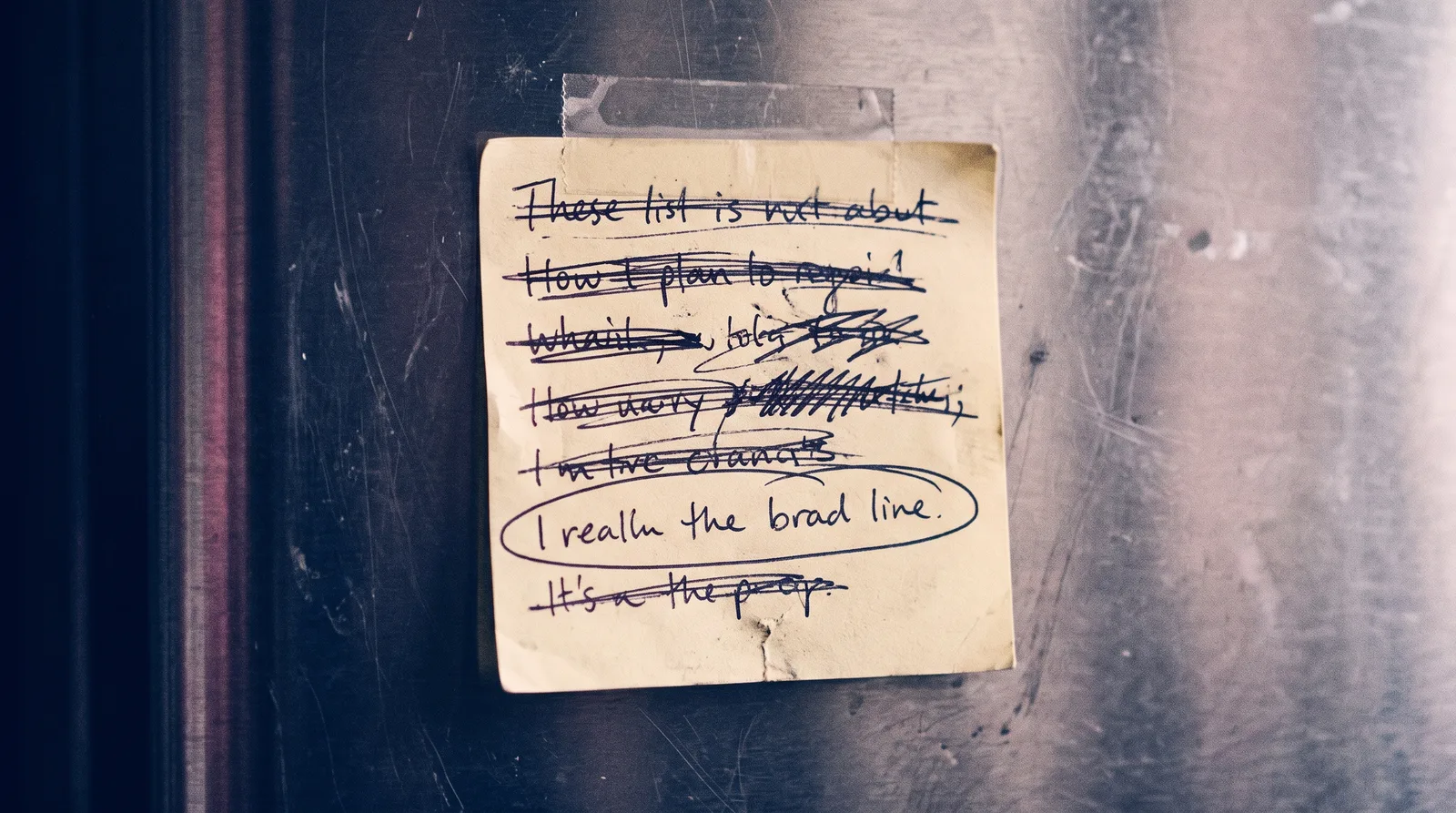
Every year, students sit down to write scholarship essays with genuinely good intentions and genuinely forgettable results. Not because they don't care — they care deeply. But caring isn't a story. And "I've always wanted to help people" isn't an answer. It's a placeholder.
This guide is going to fix that. By the end, you'll know how to find your angle, build your structure, and write an essay that makes a reviewer pause before moving to the next application.
Why Most Scholarship Essays Fail Before the Second Paragraph
Reviewers read hundreds — sometimes thousands — of essays per cycle. They develop a radar for the generic opening almost immediately: the sweeping statement about the state of the world, the vague childhood dream, the list of club memberships dressed up as identity.
The problem isn't that students are boring. The problem is they're leading with the conclusion instead of the story. They tell the reviewer what to think about them before giving the reviewer anything real to think about.
The fix: start with a moment, not a message.
Step 1 — Mine Your Real Life for the Right Angle
Before you write a single sentence, spend 20 minutes answering these questions on paper:
- What's a problem I've actually tried to solve — even a small one?
- When did I change my mind about something I thought I knew?
- What do I do when nobody's watching or grading me?
- Is there a tension in my life — between two cultures, two expectations, two versions of who I'm supposed to be — that I navigate every day?
You're not looking for the most dramatic story. You're looking for a specific, true moment that connects to something larger. A scholarship essay about the summer you reorganized your family's medical billing — because no one else spoke English well enough to — is more powerful than a vague essay about "overcoming adversity."
Specificity is your credibility. Vagueness is your enemy.
Step 2 — Build a Structure That Does the Work for You
Once you have your moment, use this three-part frame:
The Scene → The Shift → The So What
The Scene opens the essay in the moment. You're not summarizing it — you're putting the reader inside it. What did you see, hear, decide, or do? One vivid paragraph. Present tense often works well here because it creates immediacy.
The Shift is where you zoom out. What did that moment reveal, teach, or change? This is where your voice and values come through — but they have to be earned by the scene you just described. The reader should feel like the insight is inevitable, not tacked on.
The So What closes the loop with forward motion. What does this moment have to do with your goals, your field of study, or the specific scholarship you're applying for? This is where you connect your past to your future — and where you quietly demonstrate that this award belongs in that story.
That three-part structure works for 250-word responses and 650-word personal statements. It scales. Once you know it, you'll see it everywhere.
Step 3 — Kill the Clichés Before They Kill Your Application
Here's a short list of phrases that signal to a reviewer that your essay is on autopilot:
- "I've always wanted to help people."
- "From a young age, I knew..."
- "This scholarship would mean the world to me."
- "I am a hard-working, dedicated individual."
- "I want to give back to my community."
None of these are wrong as values. They're just not yours as stated. Any of them can be rescued by making them specific. "I want to give back to my community" becomes real when you describe the exact Saturday morning you spent translating a lease agreement for your neighbor who was about to sign something she didn't understand.
The rule: every claim needs a scene. Every scene needs a claim. When those two things are in balance, your essay breathes.
Step 4 — Revise for Voice, Not Just Grammar
After your first draft, read it aloud. Seriously — out loud. You're listening for two things:
- Does it sound like a human being talking? Or does it sound like a student performing "good essay"?
- Does every sentence earn its place? Cut anything that's just throat-clearing.
Then ask one trusted reader — a teacher, a parent, a mentor — to tell you one thing: What do you know about me after reading this that you didn't know before? If they struggle to answer, your essay isn't specific enough yet.
The Bottom Line
A winning scholarship essay isn't about being the most impressive applicant in the pool. It's about being the most present one — the one whose specific story the reviewer can still picture two hours later. You have that story. The work is learning to trust it enough to tell it plainly.
If you want a full system for turning that story into a complete, competitive scholarship package — including how to find the right awards, build your materials, and track your applications — that's exactly what SHOW ME THE MONEY: Maximizing Scholarships & Financial Aid is built to do. We go deep, step by step, so nothing falls through the cracks.