Give your child the best first step into school
A warm, structured Grade 1 program that walks children ages 6–7 through mathematics, Russian literacy, nature studies, and logical thinking — one small, confident step at a time, starting from what they already know from home.
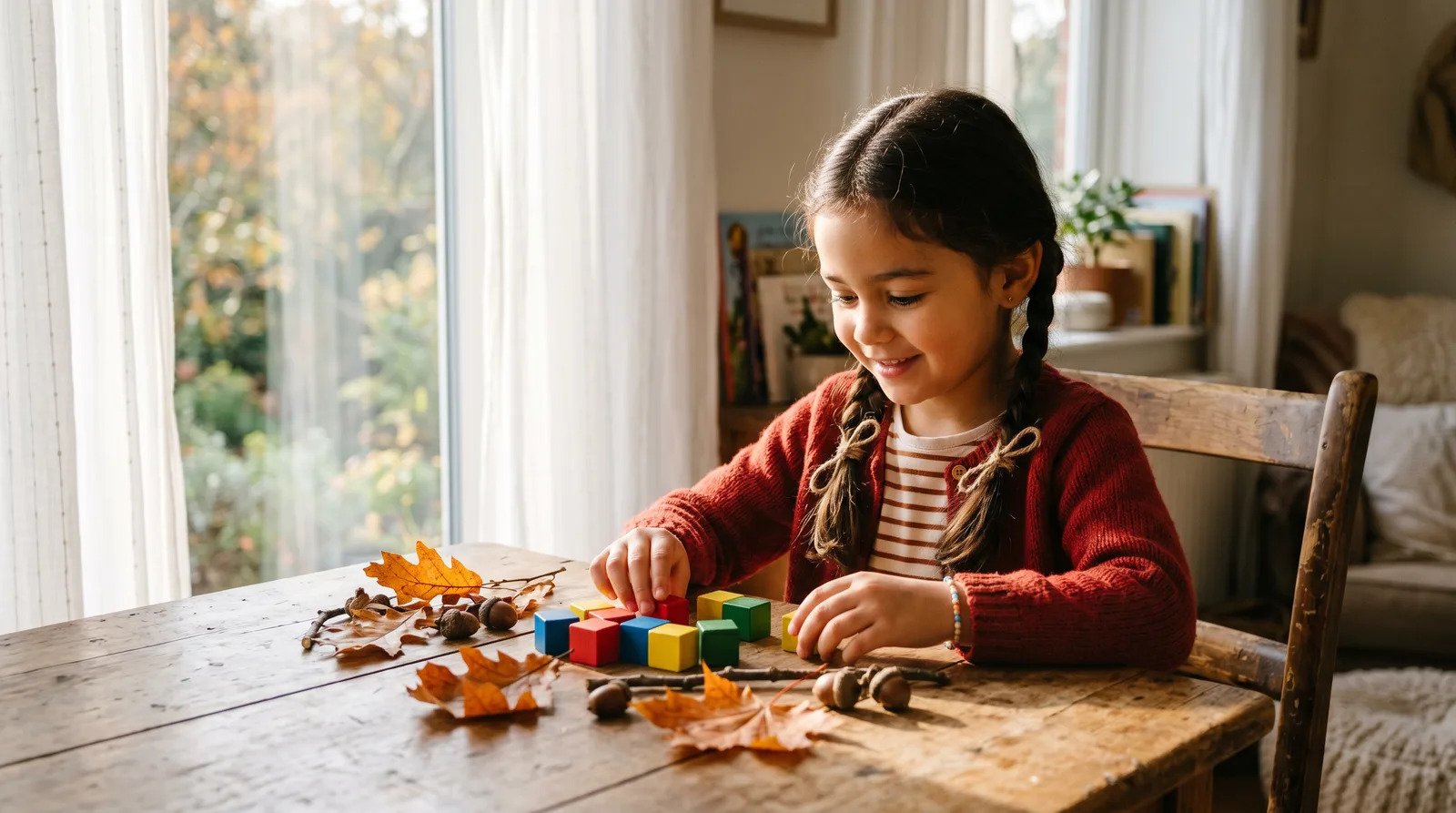
Every child already knows something — my job is simply to help them discover how much.— Roxolana Poitan
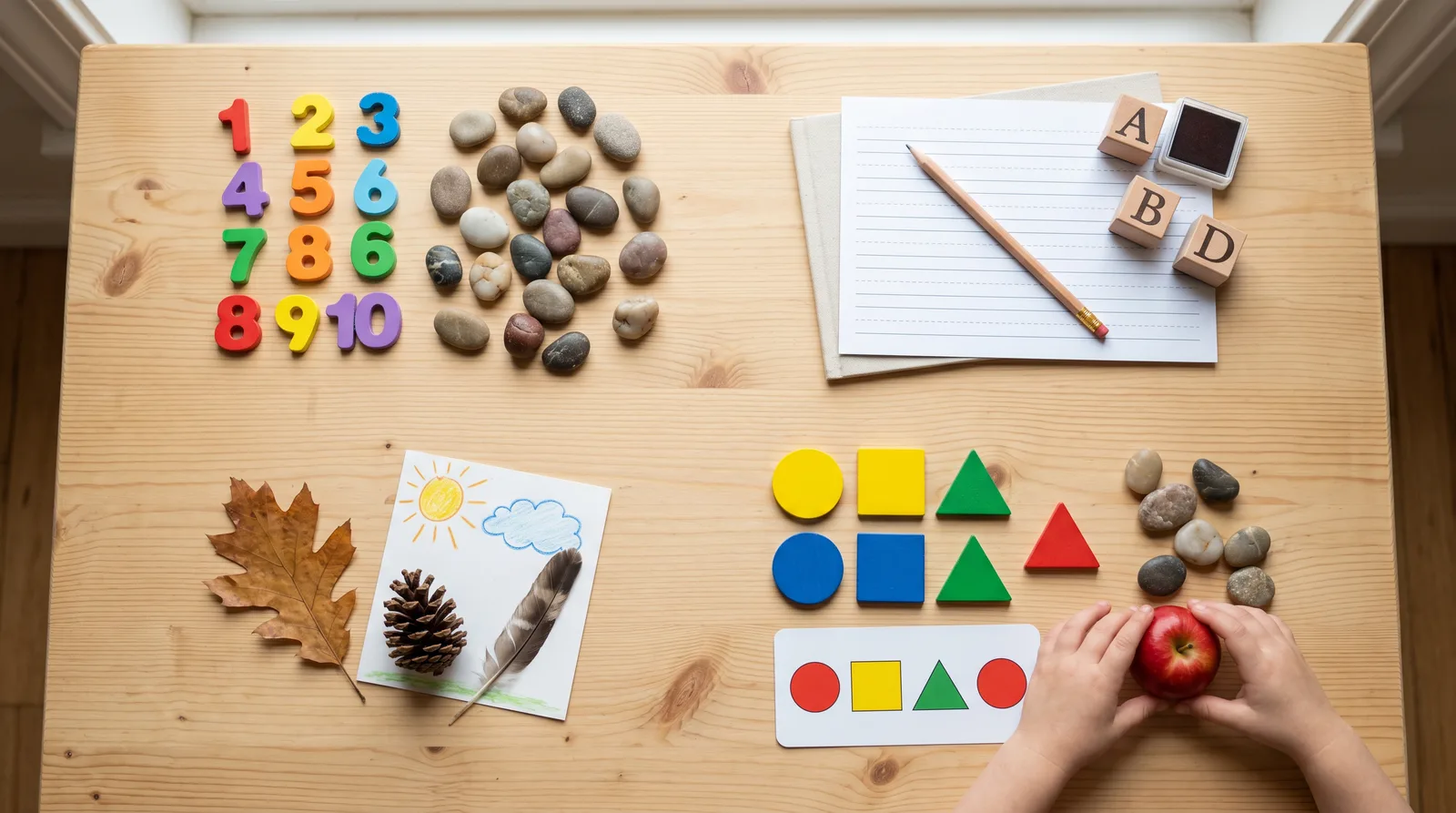
What you'll learn
What you'll be able to do
- Count, compare, and work with numbers 1–20 using real objects and everyday situations, and solve simple addition and subtraction word problems with confidence.
- Recognize all sounds and letters of the Russian alphabet, read simple syllables and words aloud, and write their first sentences with correct, careful handwriting.
- Observe and describe the natural world — seasons, weather, plants, animals, water, and the human body — using their own words and reasoned explanations.
- Sort, group, sequence, and classify objects and ideas, identify patterns and cause-and-effect relationships, and explain their thinking out loud.
- Approach every new topic by connecting it to something they already know from home and daily life, building genuine understanding rather than surface memorization.
- Work independently through a lesson — reading the goal, following examples, completing practice tasks, and reviewing what they learned — developing early study habits and a love of learning.
How it works
A school that adapts to you
This isn't a set of static videos. Every lesson is generated live and tuned to where you actually are.
We learn your level
A quick placement check tailors your starting point so you're never bored or lost.
Lessons adapt as you go
Each lesson is written for your pace and your goal, adjusting as your skills grow.
Your AI coach keeps you moving
Checkpoints, feedback, and gentle nudges turn progress into a real result.
The curriculum
What's inside your school
12 modules · 65 lessons
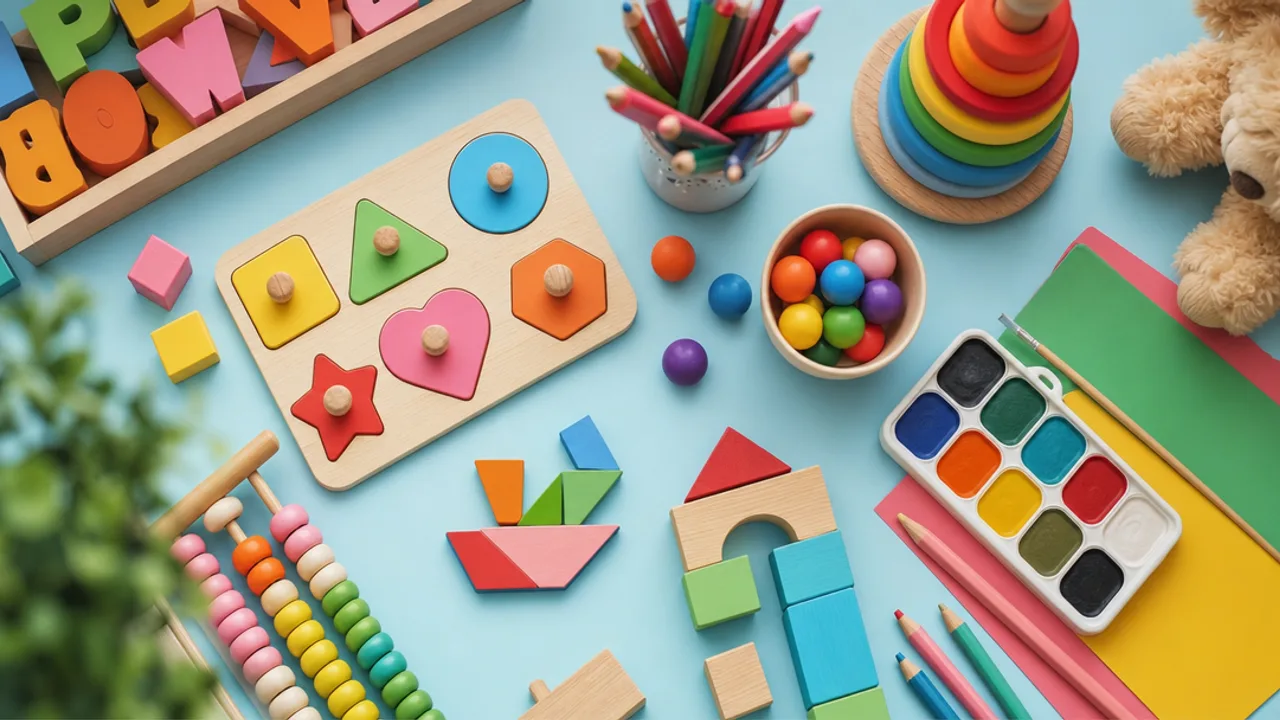
Numbers and Counting: 1–10
Children learn to recognize, count, and write the numbers 1–10 by connecting each number to real, familiar objects from everyday life.
- 1.1What Is a Number? Counting Things We KnowIncluded
- 1.2Numbers 1–5: Meeting the First FiveIncluded
- 1.3Numbers 6–10: The Next Five FriendsIncluded
- 1.4More, Less, or Equal? Comparing GroupsIncluded
- 1.5The Number Line: Putting Numbers in OrderIncluded
Numbers and Counting: 11–20
Children extend their understanding of number and quantity from 10 to 20, exploring teen numbers and early place-value ideas through hands-on grouping.
- 2.1Ten and Some More: Understanding Teen NumbersIncluded
- 2.2Counting On: From 10 to 20Included
- 2.3Writing Numbers 11–20Included
- 2.4Comparing Numbers to 20: Bigger, Smaller, SameIncluded
- 2.5How Many Altogether? Grouping and CountingIncluded
Shapes, Patterns, and Measurement
Children explore the geometry and order hidden in everyday objects — recognizing shapes, spotting patterns, and making simple measurements.
- 3.1Shapes Around Us: Circles, Squares, Triangles, RectanglesIncluded
- 3.2Corners and Sides: How Shapes Are DifferentIncluded
- 3.3Patterns: What Comes Next?Included
- 3.4Big, Small, Long, Short: Comparing SizeIncluded
- 3.5Time and Daily Routines: Morning, Day, Evening, NightIncluded
Addition, Subtraction, and Word Problems
Children build their first understanding of addition and subtraction through real-life stories, objects, and gentle step-by-step reasoning.
- 4.1Putting Together: What Is Addition?Included
- 4.2Adding Numbers to 10: Practice with StoriesIncluded
- 4.3Taking Away: What Is Subtraction?Included
- 4.4Subtracting Numbers to 10: Practice with StoriesIncluded
- 4.5Number Bonds: Breaking Numbers Apart and Back TogetherIncluded
- 4.6Adding and Subtracting to 20: Word ProblemsIncluded
Sounds, Letters, and the Russian Alphabet
Children learn to hear, distinguish, and connect every sound and letter of the Russian alphabet, laying the foundation for reading and writing.
- 5.1Sound and Letter: What Is the Difference?Included
- 5.2Vowel Sounds: A, O, U, E, I, YIncluded
- 5.3Consonant Sounds: How We Make ThemIncluded
- 5.4Hard and Soft Sounds: Hearing the DifferenceIncluded
- 5.5Letters of the Russian Alphabet: A to ЯIncluded
- 5.6My Name in Letters: Recognizing Personal WordsIncluded
Syllables, Reading, and First Words
Children move from individual sounds and letters to blending syllables into words and reading their first simple texts aloud.
- 6.1What Is a Syllable? Clapping Words ApartIncluded
- 6.2Vowel Plus Consonant: Blending Two SoundsIncluded
- 6.3Reading Simple Syllables: МА, ПА, РА and FriendsIncluded
- 6.4My First Words: Reading Two-Syllable WordsIncluded
- 6.5Simple Sentences: Reading and UnderstandingIncluded
- 6.6Listening and Retelling: Understanding What We HearIncluded
Vocabulary, Speaking, and Early Writing
Children grow their Russian vocabulary, learn to express themselves in clear sentences, and develop the hand skills and habits needed for handwriting.
- 7.1Words for the World Around MeIncluded
- 7.2Polite Words: Greetings, Thanks, and RequestsIncluded
- 7.3Telling a Story: Beginning, Middle, EndIncluded
- 7.4Getting Ready to Write: Lines, Curves, and Pencil ControlIncluded
- 7.5Writing My First Letters and WordsIncluded
- 7.6My First Sentence in WritingIncluded
Me, My Family, and My Home
Children begin their study of the world by exploring the closest and most familiar place — themselves, their family, and where they live.
- 8.1This Is Me: My Body and My SensesIncluded
- 8.2My Family: Who Do I Live With?Included
- 8.3My Home: Rooms, Objects, and Their UsesIncluded
- 8.4My School: Rooms, People, and RulesIncluded
- 8.5Taking Care of Myself: Hygiene, Health, and Daily HabitsIncluded
Seasons, Weather, and the Living World
Children observe and describe how the natural world changes through the seasons and discover the living things — plants and animals — that share our world.
- 9.1The Four Seasons: A Year in OrderIncluded
- 9.2Weather: What Do I See Outside Today?Included
- 9.3Plants: Roots, Stem, Leaves, Flower, FruitIncluded
- 9.4Animals: Wild, Domestic, and the Differences Between ThemIncluded
- 9.5Water, Air, Earth, and Sun: What All Living Things NeedIncluded
- 9.6Safety at Home, at School, and OutsideIncluded
Sorting, Grouping, and Classifying
Children learn to organize the world around them by finding what things have in common, how they differ, and how they can be sorted into groups.
- 10.1Same and Different: Spotting What ChangesIncluded
- 10.2Sorting by One Rule: Color, Shape, or SizeIncluded
- 10.3Sorting by Two Rules: Getting More SpecificIncluded
- 10.4Groups and Names: What Do We Call This Collection?Included
- 10.5The Odd One Out: Which One Does Not Belong?Included
Sequences, Patterns, and Cause and Effect
Children develop logical thinking by recognizing order in events, predicting what comes next, and understanding why things happen.
- 11.1What Happened First? Putting Events in OrderIncluded
- 11.2What Comes Next? Continuing a Pattern or SequenceIncluded
- 11.3Because and So: Understanding Cause and EffectIncluded
- 11.4If… Then…: Simple Reasoning and PredictionIncluded
- 11.5Attention and Memory: Noticing and Remembering DetailsIncluded
Spatial Thinking and Early Reasoning
Children develop their ability to think about space, position, and direction, and learn to explain their thinking clearly in words.
- 12.1Where Is It? Above, Below, Left, Right, BetweenIncluded
- 12.2Near and Far, Inside and Outside: More Position WordsIncluded
- 12.3Flipping and Turning: How Shapes Look From Different SidesIncluded
- 12.4Simple Maps: Finding Your Way on PaperIncluded
- 12.5Explain Your Thinking: Saying Why Out LoudIncluded
Who it's for
Is this you?

First-time school starters
Children heading into Grade 1 with little or no preschool experience who need a patient, structured foundation to build on.

Home-learning families
Parents choosing to educate their child at home who want a complete, well-sequenced Grade 1 curriculum they can follow together.
Supportive caregivers
Grandparents, aunts, uncles, or nannies who spend learning time with a child and want a gentle, easy-to-follow program to guide sessions at home.

Parents of anxious beginners
Families whose child feels nervous about school and needs an emotionally safe, unhurried space to build genuine confidence before the pressure begins.

Head-start seekers
Children who are enrolled in school but whose parents want to strengthen their foundations in maths, Russian literacy, and thinking skills before or during the year.
Returning-to-learning parents
Parents who feel uncertain about teaching but want to actively support their child's early education with a clear, warm, step-by-step guide they can trust.
Questions
Frequently asked
Your teacher
A note from your teacher
Roxolana Poitan
Hello, and welcome. I am so glad you found this page — which probably means you are sitting with a big question somewhere in your heart: Is my child ready for school? Do they have what they need? How do I help them without getting it wrong?
I want you to take a quiet breath, because you are already doing the most important thing — looking for something warm, careful, and genuinely built for your child. That is exactly what My First School is.
This program grew out of a simple belief: every six- and seven-year-old already knows more than they think. They know how to count apples in a bowl. They know what their name sounds like. They know when it is winter because the window is cold. My job — our job together — is to take that living, breathing knowledge and give it its proper school name, one small and unhurried step at a time. That is how real understanding grows. Not from drilling, not from rushing ahead, but from connecting each new idea to something a child already holds in their hands.
So in this program, we do not start with abstract rules. We start with things. We count real groups and put them on a number line. We clap words into syllables and listen for the soft and hard sounds hiding inside them. We look out the window at the season and name what we see. We sort a collection of objects by one rule, then two, then notice the one that does not belong — and we say why, out loud, in our own words. Because thinking out loud is a skill, and it is one worth practising from the very first grade.
I also care deeply about what happens after the lesson ends. That is why every lesson in this program follows the same gentle rhythm: here is what we will discover today, here is an example that looks familiar, here is some practice, and here is what we just learned. Children who move through that rhythm again and again start to trust themselves as learners. They stop waiting to be told what to do next, and start reaching for the next page on their own. That confidence — quiet, sturdy, earned — is the real gift of first grade done well.
Whether you are a parent sitting beside your child at the kitchen table, a caregiver looking for something structured to do together on an afternoon, or a family embarking on home learning for the first time: you belong here. This program was made for you, and for the small, curious, completely capable person you are raising. I cannot wait to learn alongside you both.
Come in. Let's begin — one step, one sound, one number at a time.
— Roxolana Poitan
Start your journey today
Join get instant access — learn at your own pace with an AI coach in your corner.
$19/mo
Recurring billing · cancel anytime
Secure checkout · Instant access
- 12 modules, 65 lessons
- AI-adaptive lessons tuned to your level
- Quizzes & checkpoints to lock in progress
- Your own AI learning coach
- Learn on any device, at your pace
- Full access for as long as you're subscribed