Understand the planet's crisis — and choose what comes next
One Small Planet guides thoughtful adults through the real science, human consequences, and humane solutions of global overpopulation — so you can move from helpless concern to grounded, purposeful action.
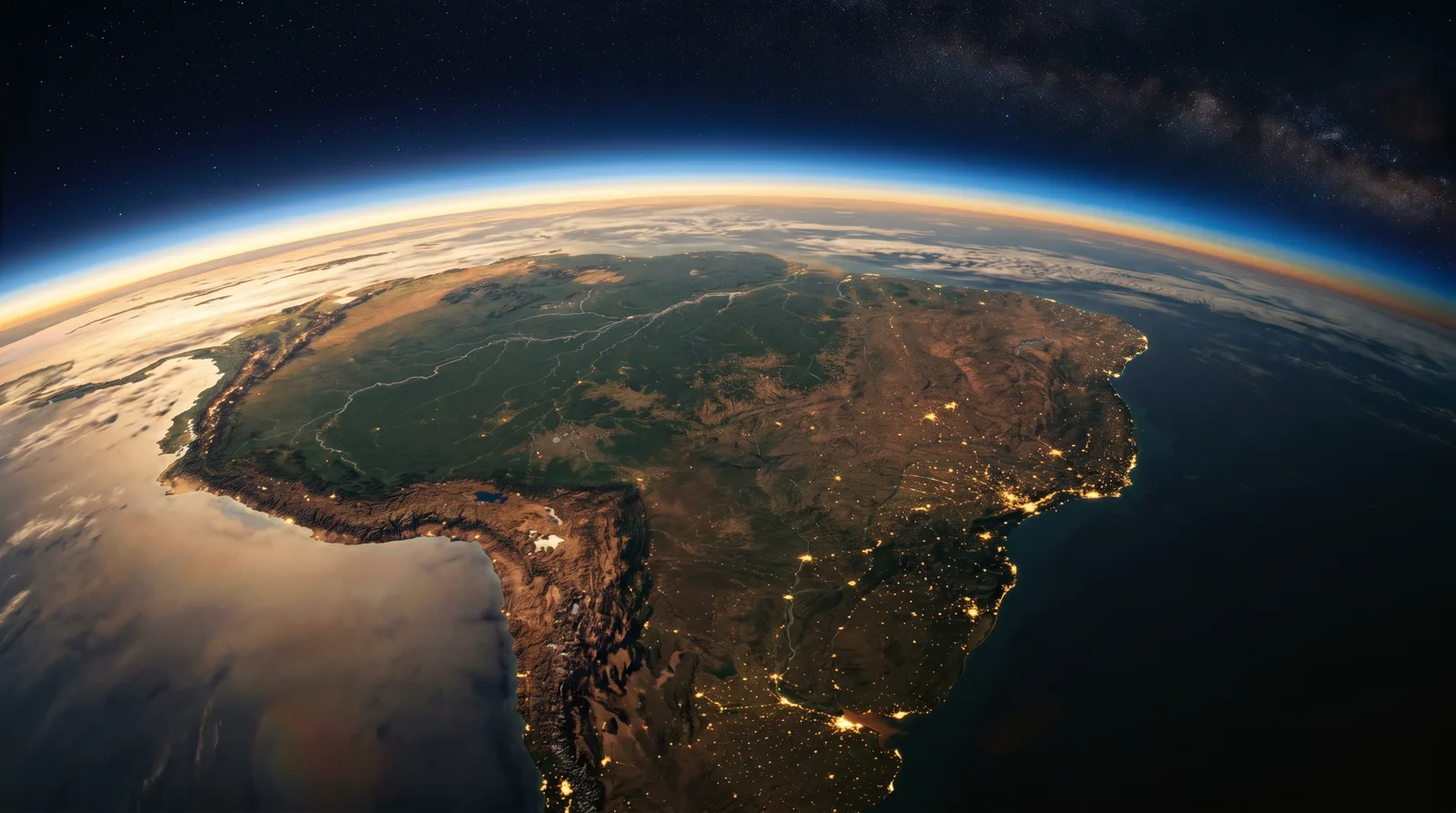
I'd rather give you an honest picture of a hard reality than a comfortable story that leaves you less equipped to face it.— David Clilverd
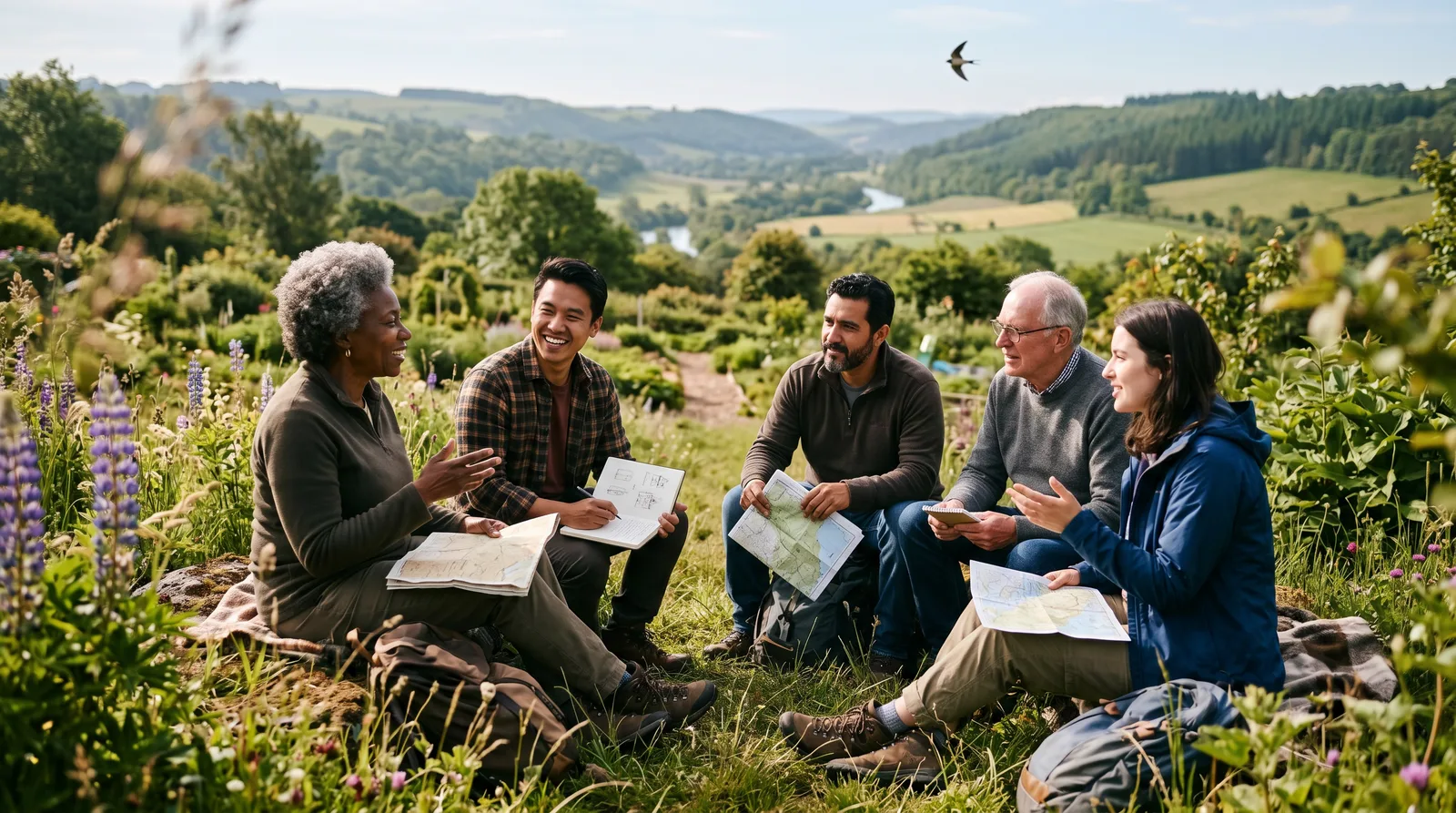
What you'll learn
What you'll be able to do
- Explain the key drivers of global population growth since 1970 and their measurable ecological consequences
- Analyse the links between overpopulation, climate change, mass migration, resource depletion, and geopolitical instability
- Evaluate global economic 'go-for-growth' models critically and articulate evidence-based alternatives centred on reduction and sustainability
- Understand the role of equitable access to free contraception, education, and women's empowerment as humane tools for stabilising population
- Explore how diverse cultural, religious, and spiritual worldviews can be a bridge — rather than a barrier — to compassionate global cooperation
- Identify concrete individual, community, and policy-level actions that reduce ecological footprint and advocate for kinder, peace-oriented leadership
How it works
A school that adapts to you
This isn't a set of static videos. Every lesson is generated live and tuned to where you actually are.
We learn your level
A quick placement check tailors your starting point so you're never bored or lost.
Lessons adapt as you go
Each lesson is written for your pace and your goal, adjusting as your skills grow.
Your AI coach keeps you moving
Checkpoints, feedback, and gentle nudges turn progress into a real result.
The curriculum
What's inside your school
6 modules · 19 lessons

One Small Planet: Seeing Earth as It Really Is
Establishes the foundational perspective of Earth as a finite, shared biosphere in deep space — the essential cognitive and emotional starting point before any analysis of crisis or solutions. Students first need to see the planet clearly before they can understand what is at stake.
- 1.1Earthrise — A Pale Blue Dot in Deep SpaceIncluded
- 1.2From 3.5 Billion to 8.5 Billion — The Population TimelineIncluded
- 1.3All Species, One Biosphere — Our Non-Human NeighboursIncluded
Consequences — The Crisis We Have Made
Having established the foundational picture of a finite, living planet with 8.5 billion human inhabitants, students now rigorously analyse the measurable consequences: ecological, climatic, economic, and geopolitical. This module delivers the second target outcome and ensures students can speak with evidence, not just emotion.
- 2.1Climate Change and the Ecological Footprint of 8.5 BillionIncluded
- 2.2Resource Depletion — Finite Planet, Infinite Growth?Included
- 2.3Mass Migration, Inequality, and the Wealth DivideIncluded
- 2.4Geopolitical Instability — When Resources and Power CollideIncluded
Rethinking Growth — From 'More' to 'Enough'
Having established the crisis, students now critically evaluate the economic systems that underpin it. This module directly addresses the 'go-for-growth' policies critiqued in the source text and equips students to articulate evidence-based alternatives centred on sufficiency, degrowth, and the circular economy — delivering the third target outcome.
- 3.1The Growth Myth — How Did We Get Here?Included
- 3.2Degrowth, Sufficiency, and the Circular EconomyIncluded
- 3.3Reduce, Reduce, Reduce — Reimagining What Progress MeansIncluded
Humane Population Stabilisation — The Kindest Path Forward
This module addresses the most sensitive and most important practical lever identified in the source text: reducing human population numbers through compassionate, rights-based means. It is carefully sequenced after the economic critique module so students understand that population is one of several interlocking factors, never a standalone villain. All lessons are grounded in evidence and human rights frameworks.
- 4.1What Actually Reduces Birth Rates — The EvidenceIncluded
- 4.2Girls' Education and Women's Empowerment as Ecological StrategyIncluded
- 4.3Free Contraception Worldwide — A Global Public GoodIncluded
Faith, Culture, and the Search for Common Ground
This module takes seriously the source text's personal spiritual dimension and its vision of diverse cultures and religions as potential bridges rather than barriers. It is sequenced here — after the analytical modules — so that students arrive with a full grasp of the problems and solutions, and can now explore how human meaning-making, values, and spirituality might accelerate rather than obstruct compassionate action.
- 5.15,000 Religions, One Planet — Diversity as StrengthIncluded
- 5.2Love as a Framework — From Dogma to Shared ValuesIncluded
- 5.3Rethinking Power — Kindness, Leaders, and New Models of AuthorityIncluded
Taking Action — Hope, Agency, and the World We Can Still Choose
The final module converts understanding into agency. It is deliberately sequenced last so that students arrive at action having fully understood the problem, the economic alternatives, the population tools, and the cultural bridges. The module is designed to leave students not with despair but with evidence-based hope, a concrete personal action plan, and the skills to engage at every level — from personal habit to global advocacy.
- 6.1Is It Too Late? — Honest Hope in a Time of CrisisIncluded
- 6.2Individual and Community Action — Every Level MattersIncluded
- 6.3Advocacy, Policy, and the Global StageIncluded
Who it's for
Is this you?

Concerned global citizens
You follow the ecological crisis closely and want a rigorous, values-grounded framework — not just headlines — to understand it and act on it.

Educators & teachers
You want substantive, balanced curriculum material on population, ecology, and sustainability that you can bring into classrooms and conversations with confidence.

Faith community members
You believe your spiritual tradition calls you to care for creation, and you're looking for a school that takes faith seriously rather than sidelining it.

Climate & environmental activists
You're already engaged, but you want a deeper understanding of how population dynamics connect to climate, resource depletion, and geopolitical instability.

Policy-minded advocates
You work in or around public policy and want an evidence base — from degrowth economics to women's empowerment — that you can bring to community advocacy and leadership.

Thoughtful retirees & lifelong learners
You've watched the world change for decades and want an honest, unhurried school to make sense of it all — and to find where your experience and energy can still make a difference.
Questions
Frequently asked
Your teacher
A note from your teacher
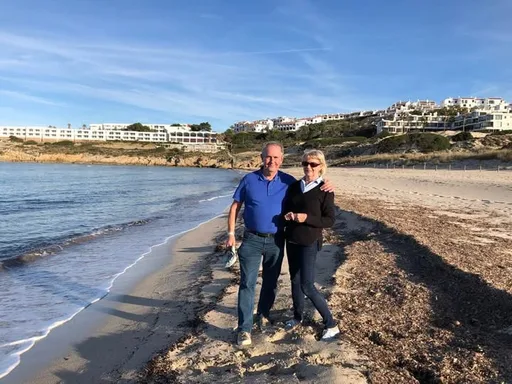
David Clilverd
If you're reading this, I think I know where you are. You follow the news with a growing knot in your chest. You understand, at some level, that the ecological and population crisis is real — that it connects to the climate, to migration, to geopolitical instability, to the quiet disappearance of species we barely had the chance to know. But you may also feel like you're carrying that knowledge without a coherent framework to hold it, or without knowing what on earth one person is supposed to do with it.
I built One Small Planet because that feeling deserves a serious, honest response. Not panic. Not denial. Not a lecture full of guilt and jargon. A clear-eyed, grounded, human conversation about how we got here, what the data actually shows, and — crucially — what pathways forward look genuinely hopeful.
The curriculum moves from the breathtaking overview — Earth as a pale blue dot, a biosphere shared with millions of other species — all the way to the practical: the individual choices, the community strategies, the policy levers that have actually worked. Along the way, we look at the evidence for what really reduces birth rates (it isn't poverty or fear — it's education, empowerment, and access). We examine growth-based economics with honesty and propose alternatives that aren't just idealistic. And we take faith and culture seriously, because five thousand religious traditions share this planet, and if we write them off as obstacles, we lose the very communities we most need to reach.
I want to be clear about what this school is not. It is not a platform for despair, and it is not a pulpit. I will not tell you what to believe. I will share the evidence, trace the connections, and invite you to think alongside me. The tone is warm because these are human questions. It is urgent because the hour is genuinely late. And it ends with hope — not as a consolation prize, but as a conclusion drawn from everything we cover together.
If you are an educator, an activist, a person of faith, a parent, a citizen who simply cannot look away — this school was made for you. I'm glad you're here. Let's look at this thing clearly, together, and choose what comes next.
— David Clilverd
Start your journey today
Join get instant access — learn at your own pace with an AI coach in your corner.
$19/mo
Recurring billing · cancel anytime
Secure checkout · Instant access
- 6 modules, 19 lessons
- AI-adaptive lessons tuned to your level
- Quizzes & checkpoints to lock in progress
- Your own AI learning coach
- Learn on any device, at your pace
- Full access for as long as you're subscribed