Recover the history of the children history forgot
A rigorous, archive-grounded journey through two centuries of institutional child care — tracing the rise and fall of the orphanage and what it still tells us about family, power, and the state's duty to its most vulnerable.
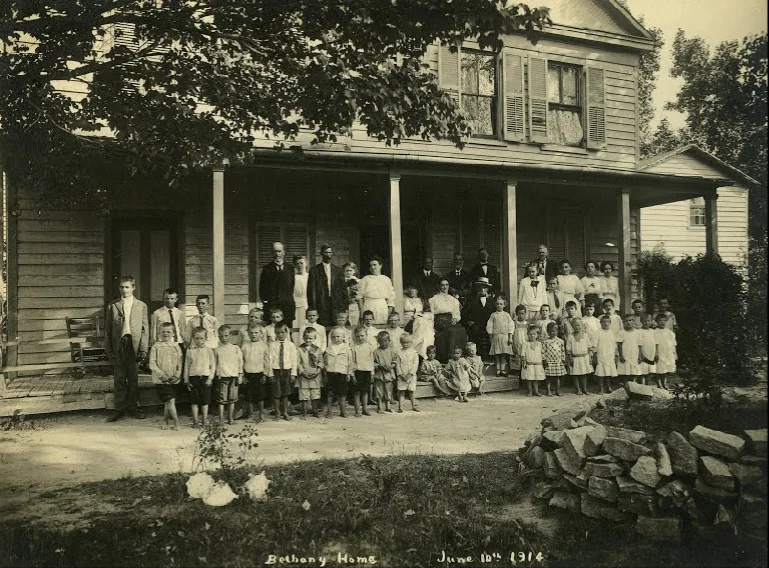
"The children in these records had names, and learning to read the archives carefully enough to hear them is both a historical discipline and a moral obligation."— Robert J. Day
What you'll learn
What you'll be able to do
- Trace the full arc of the orphanage movement from early modern almshouses through Victorian philanthropy to 20th-century deinstitutionalisation
- Analyse the political, religious, and economic forces that drove the founding — and eventual closure — of large-scale child institutions across the US, UK, and Europe
- Identify key reformers, legislators, and survivors whose testimony reshaped child-welfare policy
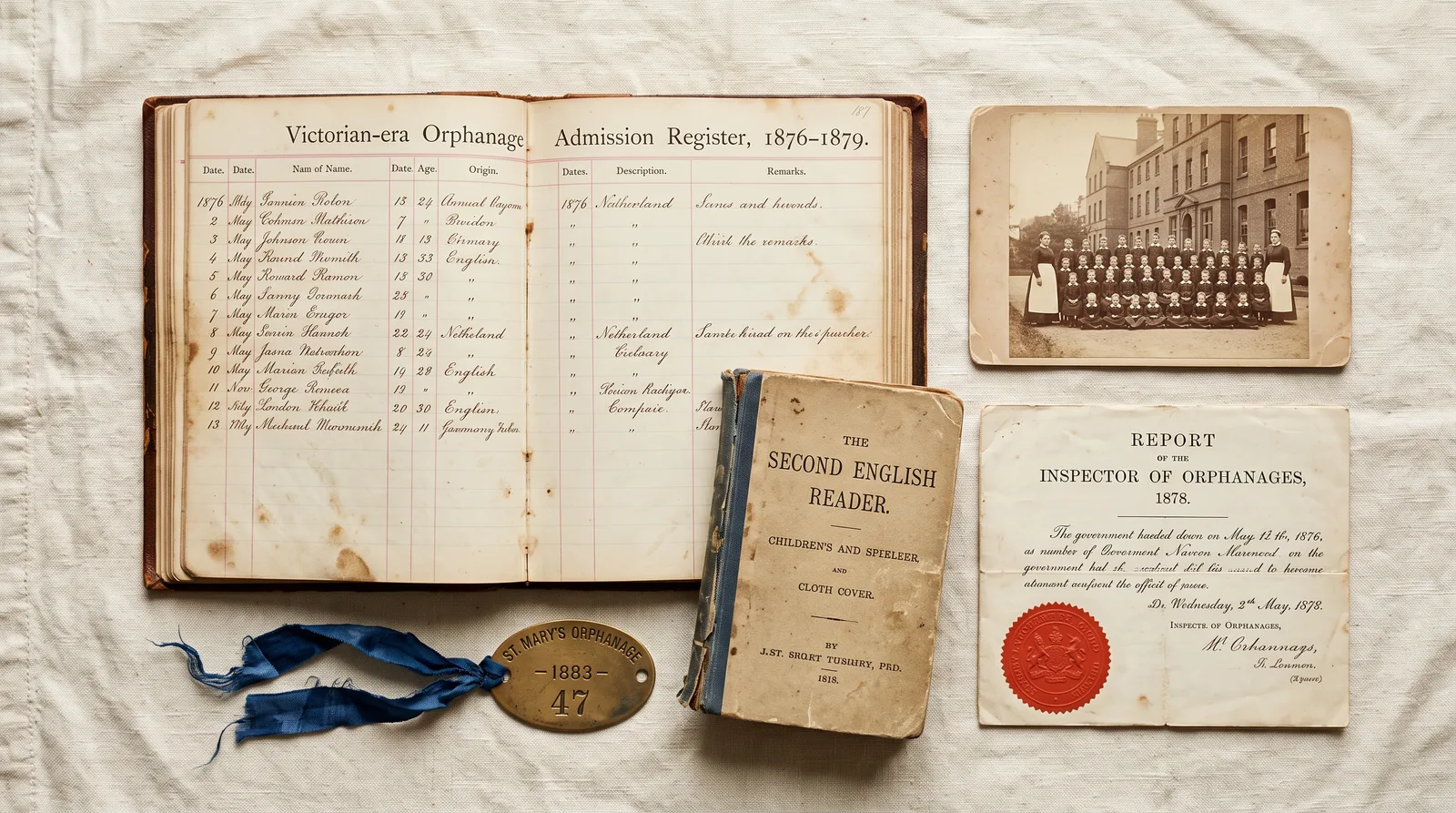
- Critically evaluate primary sources such as admission registers, inspection reports, and survivor memoirs as historical evidence
- Connect historical institutional practices to present-day debates around foster care, family separation, and children's rights
- Conduct original research into local or family-linked orphanage history using archives, census records, and digitised institutional papers
How it works
A school that adapts to you
This isn't a set of static videos. Every lesson is generated live and tuned to where you actually are.
We learn your level
A quick placement check tailors your starting point so you're never bored or lost.
Lessons adapt as you go
Each lesson is written for your pace and your goal, adjusting as your skills grow.
Your AI coach keeps you moving
Checkpoints, feedback, and gentle nudges turn progress into a real result.
The curriculum
What's inside your school
6 modules · 27 lessons
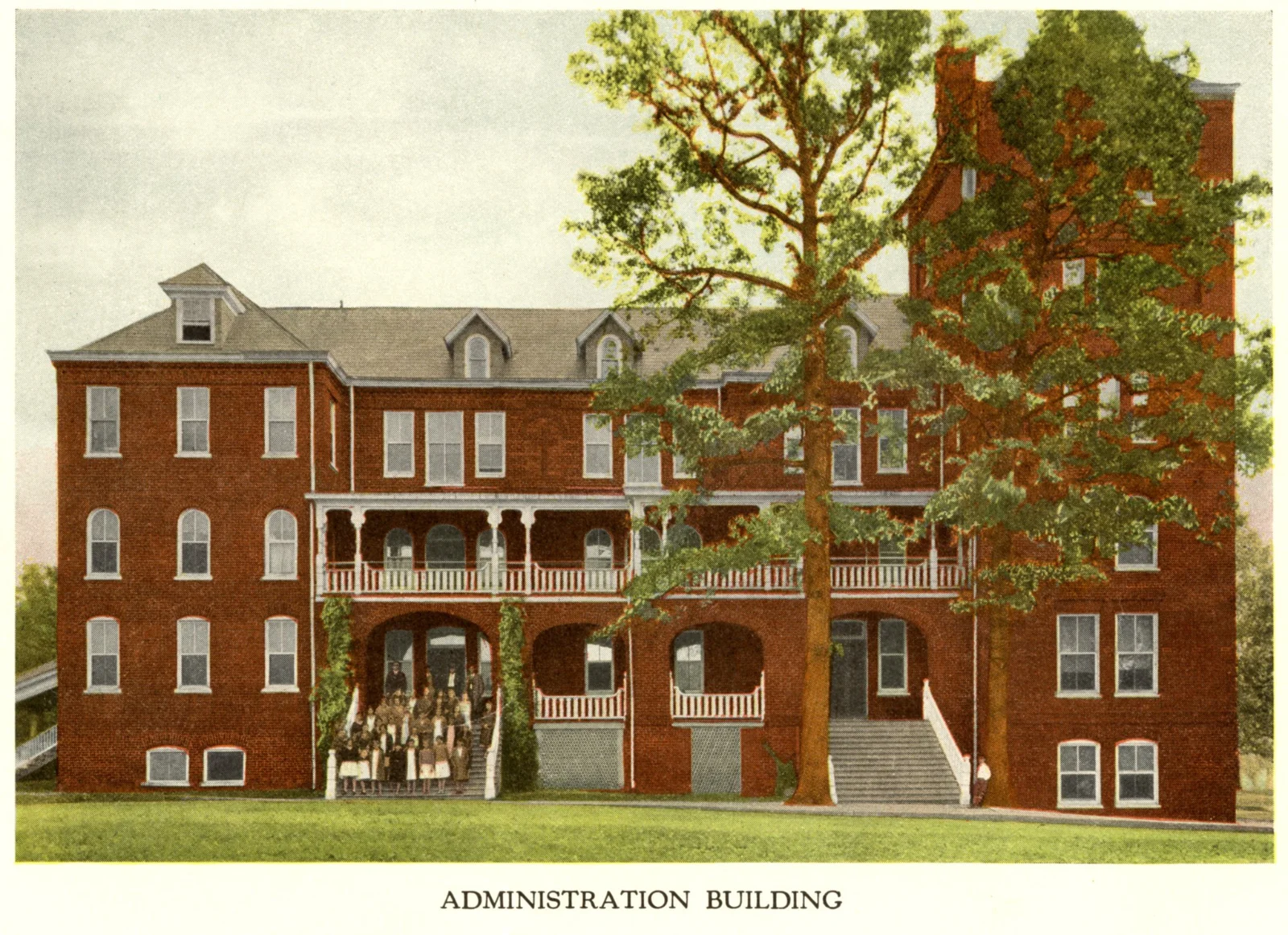
Foundations: Poverty, Childhood, and the Pre-Institutional World
Establishes the early modern context — almshouses, parish relief, and shifting ideas about childhood — that made the orphanage movement possible.
- 1.1What Is an Orphan? Definitions Across Time and CultureIncluded
- 1.2Poor Laws, Parish Relief, and the Almshouse TraditionIncluded
- 1.3Childhood Reimagined: Enlightenment Ideas and the 'Innocent Child'Included
- 1.4Foundling Hospitals and Early Institutional Experiments in EuropeIncluded
The Victorian Surge: Philanthropy, Religion, and the Great Age of the Orphanage
Examines the explosive growth of orphanages across the US, UK, and Europe in the nineteenth century, driven by industrialisation, religious charity, and imperial ideology.
- 2.1Industrialisation, Urbanisation, and the Child Welfare CrisisIncluded
- 2.2Evangelical Philanthropy and the Missionary OrphanageIncluded
- 2.3Barnardo's, the Children's Aid Society, and the Architects of Mass InstitutionalisationIncluded
- 2.4Orphan Trains and Child Migration Schemes: Empire, Race, and ResettlementIncluded
- 2.5Inside Victorian Institutions: Daily Life, Labour, and DisciplineIncluded
Voices from Within: Primary Sources and the Evidence of Experience
Builds critical skills in locating, reading, and evaluating the documentary record left by orphanages and the children who passed through them.
- 3.1Reading Admission Registers: What the Data Reveals — and HidesIncluded
- 3.2Inspection Reports and the Regulatory GazeIncluded
- 3.3Survivor Memoirs as Historical Evidence: Promise and PerilIncluded
- 3.4Photographs, Floor Plans, and Material Culture: Reading the Institutional ArchiveIncluded
Reform, Resistance, and the Road to Deinstitutionalisation
Traces the long campaign — led by reformers, psychologists, survivors, and legislators — that dismantled the large-scale orphanage across the twentieth century.
- 4.1Progressive Era Reforms and the First Challenges to Institution-BuildingIncluded
- 4.2Psychology, Attachment Theory, and the Scientific Case Against OrphanagesIncluded
- 4.3Key Reformers and Legislators: Profiles in Child Welfare AdvocacyIncluded
- 4.4Survivor Activism and the Politics of TestimonyIncluded
- 4.5Deinstitutionalisation in Practice: The US, UK, and European TransitionsIncluded
Legacies, Ruptures, and Present-Day Debates
Connects the history of the orphanage movement to live contemporary controversies around foster care, family separation, and children's rights.
- 5.1From Orphanage to Foster Care: Continuities and RupturesIncluded
- 5.2Intercountry Adoption and the Global Orphanage IndustryIncluded
- 5.3Family Separation, Indigenous Children, and State PowerIncluded
- 5.4Children's Rights Law and the UN Convention: Promise vs. RealityIncluded
Doing the Research: Archives, Genealogy, and Local Orphanage History
Equips students with practical methods to conduct original research into specific institutions using digitised archives, census records, and local collections.
- 6.1Mapping the Institutional Landscape: Finding Your OrphanageIncluded
- 6.2Census Records, Electoral Rolls, and Cross-Referencing Children's FatesIncluded
- 6.3Digitised Archives, Newspaper Databases, and Online Finding AidsIncluded
- 6.4Oral History and Community Memory: Interviewing Survivors and DescendantsIncluded
- 6.5Presenting Your Research: From Archive to ArgumentIncluded
Who it's for
Is this you?

Social history enthusiasts
They've long been drawn to the lives of ordinary people at history's margins — and this course puts the forgotten children of the institutional era squarely at the centre of the story.

Genealogists on institutional trails
When a family tree leads to an orphanage admission register or a child migration scheme, this course provides both the historical context and the practical archival tools to follow that thread with rigour.

Graduate students in history or sociology
The curriculum's grounding in primary source analysis, comparative institutional history, and research methodology makes it directly relevant to dissertation work in childhood studies, social history, or welfare policy.

Social work professionals
Understanding the institutional origins of modern child welfare systems gives practitioners a sharper, more historically informed lens on the policies and structures they work within every day.

Child welfare policy researchers
Tracing the arc from Victorian institution-building to contemporary foster care, intercountry adoption, and children's rights law, this course supplies the historical depth that policy analysis too often lacks.

Educators and public historians
Teachers and museum professionals working on histories of poverty, childhood, or social reform will find both rigorous content and a model for connecting archival evidence to living public debate.
Questions
Frequently asked
Your teacher
A note from your teacher

Robert J. Day
If you've come to this page, I suspect you already feel the pull of this subject — maybe a name in a census record that stopped you cold, a client's case file that seemed to echo something much older, or simply a persistent sense that the history of how societies have treated their most vulnerable children is not, in fact, history at all.
I designed The Orphanage Archive for exactly that feeling. Not to satisfy it cheaply, but to give it the rigorous, sustained attention it deserves.
What you will find here is a course that takes its subject seriously on every level. We begin where the story actually begins — not with Barnardo's or the orphan trains, but with the conceptual and legal architecture that made mass institutionalisation thinkable: the Poor Laws, the reimagining of childhood in Enlightenment thought, the foundling hospitals of early modern Europe. History is always longer than it first appears, and understanding the orphanage means understanding what it replaced and what ideas it embodied. From there, we move through the full arc — the Victorian philanthropic surge, the internal world of institutions as their residents actually experienced it, the slow scientific and political dismantling of the institutional model, and the deeply uneven landscape of what came after.
Throughout, we work with primary sources. Not as illustration, but as evidence to be interrogated. An admission register can tell you who entered an institution — but also, if you read it carefully, who was being defined as an orphan for purposes that had as much to do with poverty and social order as with the actual death of parents. An inspection report reflects a regulatory gaze with its own assumptions and blind spots. A survivor memoir is an extraordinary historical document and a deeply partial one. Learning to hold all of that at once — to take evidence seriously without taking it at face value — is one of the core skills this course develops.
I also believe that this history has to be connected to the present, and the final strand of the curriculum does that work without shortcuts. The debates around foster care, intercountry adoption, family separation, and children's rights are not new — they are the latest iteration of arguments that have been running, in various forms, since the first Poor Law commissioners sat down to decide what to do about destitute children. Knowing that history doesn't resolve those debates. But it changes the terms on which we engage with them.
If you are a graduate student building a research project, a genealogist who has hit an institutional wall in a family tree, a social worker trying to understand the system you work within, or simply a reader who believes that forgotten children deserve to be remembered with precision and care — this course was made for you. I invite you to begin.
— Robert J. Day
Start your journey today
Join get instant access — learn at your own pace with an AI coach in your corner.
$5/mo
Recurring billing · cancel anytime
Secure checkout · Instant access
- 6 modules, 27 lessons
- AI-adaptive lessons tuned to your level
- Quizzes & checkpoints to lock in progress
- Your own AI learning coach
- Learn on any device, at your pace
- Full access for as long as you're subscribed