
Primary Social Sciences
Growing Zimbabwe brings the ZIMSEC Grade 5–7 Agriculture syllabus to life with short, practical lessons your child can try in their own garden — so they understand farming deeply and walk into exams ready to shine.
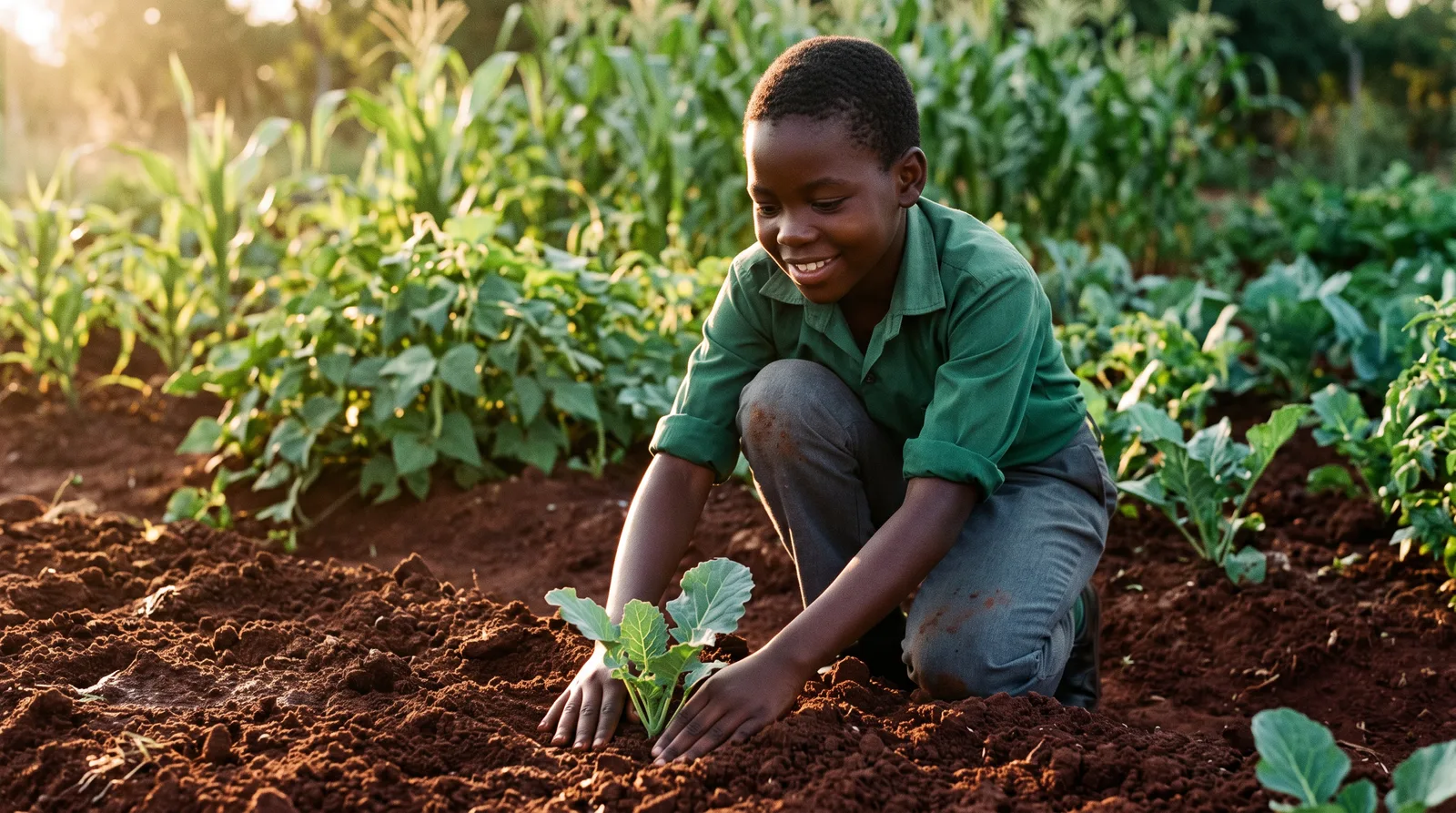
"I want every pupil to read an exam question and think, 'I know this' — not because they memorised it, but because they truly understand it."
— Renstay College
What you'll learn
What you'll be able to do
- Identify and describe the main types of soils found in Zimbabwe and explain how soil fertility affects crop growth.
- Explain the stages of crop production — from land preparation and planting to weeding, harvesting, and storage.
- Name common field crops, vegetables, and fruit trees grown in Zimbabwe and describe their basic cultivation requirements.
- Describe how to care for common farm animals (cattle, goats, poultry) including feeding, housing, and disease prevention.
- Apply simple conservation practices such as contour ridging, mulching, and crop rotation to protect the land.
- Answer ZIMSEC-style examination questions on Agriculture with confidence and score higher in end-of-term and Grade 7 national assessments.
How it works
A school that adapts to you
This isn't a set of static videos. Every lesson is generated live and tuned to where you actually are.
We learn your level
A quick placement check tailors your starting point so you're never bored or lost.
Lessons adapt as you go
Each lesson is written for your pace and your goal, adjusting as your skills grow.
Your AI coach keeps you moving
Checkpoints, feedback, and gentle nudges turn progress into a real result.
The curriculum
What's inside your school
20 modules · 167 lessons

Soils of Zimbabwe
Explores the main soil types found across Zimbabwe and shows how soil fertility directly influences what crops can grow and how well they thrive.
- 1.1What Is Soil and Why Does It Matter?Included
- 1.2Types of Soils Found in ZimbabweIncluded
- 1.3Soil Fertility and Crop GrowthIncluded
- 1.4Testing and Improving Your SoilIncluded
Conservation Farming Practices
Teaches pupils how to protect Zimbabwe's soils and water through practical conservation techniques they can observe or try locally.
- 2.1Soil Erosion — Causes and EffectsIncluded
- 2.2Contour Ridging and TerracingIncluded
- 2.3Mulching and Cover CropsIncluded
- 2.4Crop Rotation and Its BenefitsIncluded
- 2.5Water Conservation on the FarmIncluded
Crop Production — From Seed to Store
Walks pupils through every stage of growing a crop, from choosing and preparing land right through to safe harvesting and storage.
- 3.1Land Preparation MethodsIncluded
- 3.2Seed Selection and PlantingIncluded
- 3.3Crop Management — Weeding, Fertilising, and Pest ControlIncluded
- 3.4Harvesting and ThreshingIncluded
- 3.5Crop Storage and Post-Harvest CareIncluded
Field Crops, Vegetables, and Fruit Trees
Introduces the main crops grown in Zimbabwe — maize, groundnuts, cotton, common vegetables, and fruit trees — and their key cultivation needs.
- 4.1Major Field Crops of ZimbabweIncluded
- 4.2Growing Common VegetablesIncluded
- 4.3Fruit Trees — Planting and CareIncluded
- 4.4Garden Layout and Bed PreparationIncluded
Livestock Farming
Covers the care, housing, feeding, and health management of cattle, goats, and poultry — the most common farm animals in Zimbabwe.
- 5.1Importance of Livestock in ZimbabweIncluded
- 5.2Housing and Shelter for Farm AnimalsIncluded
- 5.3Feeding and Watering LivestockIncluded
- 5.4Common Livestock Diseases and PreventionIncluded
- 5.5Breeding and Basic Animal HusbandryIncluded
Exam Readiness and ZIMSEC Practice
Builds pupils' confidence to tackle Agriculture questions in end-of-term tests and the Grade 7 national examination through targeted revision and exam technique.
- 6.1Understanding the ZIMSEC Agriculture ExamIncluded
- 6.2Key Terms and Definitions RevisionIncluded
- 6.3Diagrams, Labels, and SketchesIncluded
- 6.4ZIMSEC-Style Practice Questions — Soils, Crops, and ConservationIncluded
- 6.5ZIMSEC-Style Practice Questions — Livestock and Mixed FarmingIncluded
IDENTITY
- 7.1Roles of the family in the communityIncluded
- 7.2Roles of institutions in shaping one’s identityIncluded
- 7.3Community gatherings and eventsIncluded
- 7.4Purpose of the totem systemIncluded
- 7.5Languages in ZimbabweIncluded
- 7.6Community contribution to the familyIncluded
- 7.7Cultural values of motherhood and fatherhood in the pre-colonial eraIncluded
- 7.8Different ethnic groups of Zimbabwe and their culturesIncluded
- 7.9Possible ways to preserve cultural identityIncluded
- 7.10Marital relationshipsIncluded
- 7.11Conflict managementIncluded
- 7.12Family disintegrationIncluded
NATIONAL HISTORY, SOVEREIGNTY AND GOVERNANCE
- 8.1The pre-colonial kingdomsIncluded
- 8.2Effects of first contact with EuropeansIncluded
- 8.3Roles of village head , headman, chief and councillorIncluded
- 8.4Local GovernmentIncluded
- 8.5Systems of governanceIncluded
- 8.6Structures and functions of central governmentIncluded
- 8.7Colonisation of ZimbabweIncluded
- 8.8First ChimurengaIncluded
- 8.9Second ChimurengaIncluded
- 8.10Independence and selfgovernanceIncluded
- 8.11The land reform programmeIncluded
- 8.12Zimbabwe as a member of other regional and international organisationsIncluded
HERITAGE
- 9.1Rites of passage for boys and girlsIncluded
- 9.2Indigenous ways of marriage and ceremoniesIncluded
- 9.3Natural strategic reservesIncluded
- 9.4Courtship practices of different cultural groupsIncluded
- 9.5Age of consent to sex and marriageIncluded
- 9.6Heirship in the familyIncluded
- 9.7Indigenous courtship and marriage counsellorsIncluded
- 9.8Globalisation, courtship and marriageIncluded
- 9.9Preservation of heritage sitesIncluded
- 9.10Indigenous and contemporary ways of preserving foodIncluded
WORK AND LEISURE
- 10.1Enterprise skillsIncluded
- 10.2Work and leisure in the past and presentIncluded
- 10.3Productive use of leisure timeIncluded
- 10.4Sport, Arts and Cultural activitiesIncluded
- 10.5Employment creation in ZimbabweIncluded
- 10.6Tourism in ZimbabweIncluded
- 10.7Responsibility at workIncluded
- 10.8Human Capital development in ZimbabweIncluded
- 10.9Self-reliance and Employment CreationIncluded
- 10.10Tourism in Southern African Development Community (SADC) countriesIncluded
TRANSPORT AND COMMUNICATION
- 11.1Development of transport and communicationIncluded
- 11.2Transportation of goods by rail, road, air and seaIncluded
- 11.3Road ports, sea ports and airports linked to ZimbabweIncluded
- 11.4Responsible use of communication systemsIncluded
- 11.5Riding, leading and herding animalsIncluded
- 11.6Importance of transport,communication and ICTsIncluded
- 11.7Modes of transport and communicationIncluded
National events/ celebrations
- 12.1The pre-colonial kingdomsIncluded
- 12.2Systems of governanceIncluded
- 12.3Independence and selfgovernanceIncluded
- 12.4Road signs, signals and markingsIncluded
- 12.5Transport and communication links with other countriesIncluded
- 12.6Factors that influence choice of mode and communicationIncluded
- 12.7Importance of upto-date maps and charts for travelling purposesIncluded
- 12.8Hazards and disasters in the transport and communication industryIncluded
SHELTER
- 13.1Shelter and heritage sitesIncluded
- 13.2Health and safety in shelter designsIncluded
- 13.3Special building designs for disaster prone areasIncluded
- 13.4Development of settlements in ZimbabweIncluded
- 13.5Siting of shelter in rural and urban areasIncluded
- 13.6Disaster and risk managementIncluded
- 13.7Solutions to shortage of shelterIncluded
- 13.8Factors that influence shelter siting and designIncluded
- 13.9Ways of acquiring accommodationIncluded
GLOBAL ISSUES
- 14.1PovertyIncluded
- 14.2Pandemic diseasesIncluded
- 14.3PollutionIncluded
- 14.4Disaster and risk managementIncluded
- 14.5Information and communication technology developmentIncluded
- 14.6DesertificationIncluded
SOCIAL ETIQUETTE
- 15.1Ubuntu/Unhu/VumunhuIncluded
- 15.2Norms and valuesIncluded
- 15.3Acceptable behaviour at the work placeIncluded
- 15.4Communication and assertive skillsIncluded
ENTITLEMENTS /RIGHTS AND RESPONSIBILITIES
- 16.1Citizen rights and responsibilitiesIncluded
- 16.2Violation of citizen rightsIncluded
- 16.3Prevention and management of incidents of bullyingIncluded
- 16.4Help and support for the abusedIncluded
- 16.5Law making processes in ZimbabweIncluded
- 16.6Gender stereo types and rightsIncluded
- 16.7Equity at the work placeIncluded
- 16.8Consumer rightsIncluded
- 16.9Ownership of propertyIncluded
- 16.10InheritanceIncluded
- 16.11Indigenous institutions and domestic legislation on gender equityIncluded
HEALTH
- 17.1Drug and Substance abuseIncluded
- 17.2Communicable diseasesIncluded
- 17.3HIV and AIDSIncluded
- 17.4First AidIncluded
- 17.5Environmental hygieneIncluded
- 17.6Sexually Transmitted InfectionsIncluded
- 17.7Non-communicable diseasesIncluded
- 17.8Sexual Transmitted Infections (STIs)Included
- 17.9Communicable and non-communicable diseasesIncluded
CAREER GUIDANCE AND FINANCIAL LITERACY
- 18.1Career pathwaysIncluded
- 18.2Financial literacyIncluded
- 18.3Career guidanceIncluded
- 18.4Study skillsIncluded
- 18.5Choosing a careerIncluded
RELIGION
- 19.1Key teachings in Indigenous religionIncluded
- 19.2Religious artefacts in Indigenous religionIncluded
- 19.3Attire in Indigenous religionIncluded
- 19.4Key teachings in ChristianityIncluded
- 19.5Religious artefacts in ChristianityIncluded
- 19.6Attire in ChristianityIncluded
- 19.7Key teachings in IslamIncluded
- 19.8Religious artefacts in IslamIncluded
- 19.9Attire in IslamIncluded
- 19.10Sacred places in Indigenous religionIncluded
- 19.11Food laws in Indigenous religionIncluded
- 19.12Symbols in Indigenous religionIncluded
- 19.13Sacred places in ChristianityIncluded
- 19.14Food laws in ChristianityIncluded
- 19.15Symbols in ChristianityIncluded
- 19.16Sacred places in IslamIncluded
- 19.17Food laws in IslamIncluded
- 19.18Symbols in IslamIncluded
- 19.19Sacred places in JudaismIncluded
- 19.20Food laws in JudaismIncluded
- 19.21Symbols in JudaismIncluded
- 19.22Religious festivals and ceremonies in Indigenous religionIncluded
- 19.23Sacred days in Indigenous religionIncluded
- 19.24Religious festivals and ceremonies in ChristianityIncluded
- 19.25Sacred days in ChristianityIncluded
- 19.26Religious festivals and ceremonies in IslamIncluded
- 19.27Sacred days in IslamIncluded
- 19.28Religious festivals and ceremonies in JudaismIncluded
- 19.29Sacred days in JudaismIncluded
SOCIAL SERVICES AND VOLUNTEERISM
- 20.1People and organisations involved in voluntary work, in the past and present at local and national levelIncluded
- 20.2Local voluntary organisations that empower the vulnerableIncluded
- 20.3Provision of social services in ZimbabweIncluded
- 20.4Government departments and institutionsIncluded
- 20.5Participation in voluntary workIncluded
- 20.6People involved in voluntary work in the past and presentIncluded
- 20.7Voluntary and humanitarian organisations in the countryIncluded
Who it's for
Is this you?

Grade 7 exam candidates
Pupils preparing for the ZIMSEC national assessment who need structured revision on every Agriculture topic — from soils to livestock — and plenty of exam-style practice.

Grade 5 & 6 learners
Younger upper-primary pupils who want to build a strong Agriculture foundation early, with fun, hands-on lessons they can try in their school garden or at home.

Home-study parents
Parents supporting their children's studies at home who need a clear, curriculum-aligned resource they can follow together — even without an Agriculture background themselves.

Primary school teachers
Teachers looking for a well-structured companion to the ZIMSEC syllabus — with ready-made topic breakdowns, key terms, diagrams, and practice questions for class use.

Young garden enthusiasts
Curious 10–13-year-olds who love being outside and want to understand why plants grow the way they do — and how real Zimbabwean farmers care for crops and animals.

Rural & peri-urban learners
Pupils in farming communities who see agriculture every day but want the knowledge and vocabulary to connect what they observe at home to what their examiners will ask.
Questions
Frequently asked
Your teacher
A note from your teacher

Renstay College
Hello, and welcome to Growing Zimbabwe. I am really glad you found us.
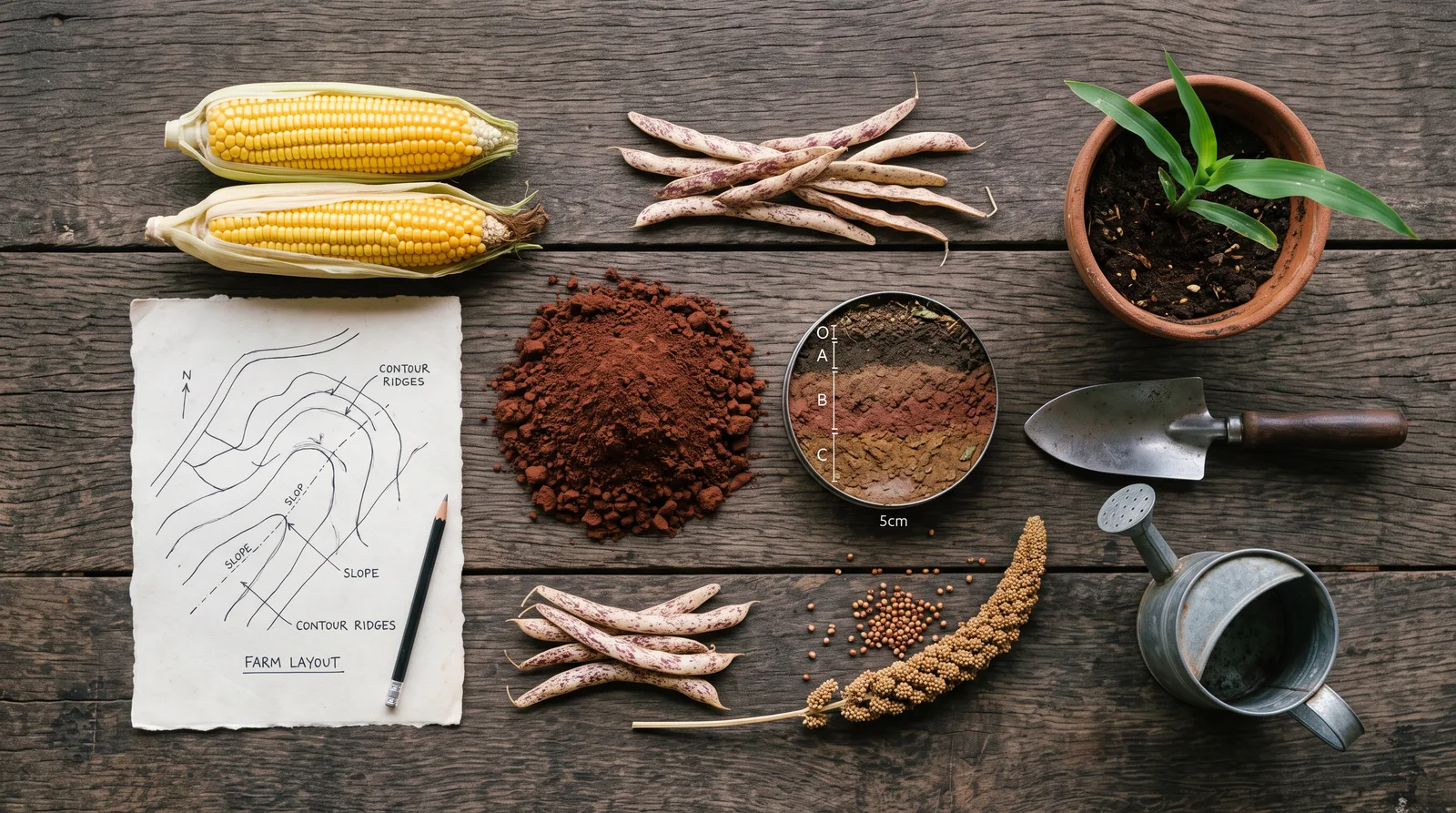
I know what it feels like to sit in an Agriculture lesson and wonder, "But what does this actually look like on a real farm?" The textbook talks about soil horizons and contour ridges, and you nod along — but when the exam paper arrives, those words feel far away from anything you have touched or seen. That gap between the page and the field is exactly what Growing Zimbabwe is here to close.
This school was built around one simple idea: a child who understands agriculture — who has tested their soil, thought about why you rotate crops, worked out how to store maize so it does not spoil — will always outperform a child who has only memorised definitions. Understanding sticks. Memorising fades. So every lesson in Growing Zimbabwe connects the ZIMSEC syllabus to something real and visible: the red clay in your school garden, the chickens your neighbour keeps, the maize crop you see growing along the road every rainy season.
We cover everything the examiners expect. Soils — what they are, how to tell them apart, how to improve them. Conservation farming — contour ridging, mulching, crop rotation, and water conservation, explained in plain language with practical steps. Crop production — from preparing the land and choosing your seed, all the way through to harvesting, threshing, and safe storage. Field crops, vegetables, and fruit trees that Zimbabweans actually grow. And livestock — cattle, goats, poultry — their housing, feeding, diseases, and care. Then, when the content is solid, we spend dedicated time on the ZIMSEC exam itself: how to answer questions, how to draw and label diagrams correctly, and how to use key terms in a way that earns marks.
I want every pupil who comes through Growing Zimbabwe to walk into their end-of-term test or their Grade 7 national assessment feeling prepared — not anxious. I want them to read a question about soil erosion or poultry housing and think, "I know this. I understand this." That confidence is what we are building together, one lesson at a time.
If you are a parent or teacher joining us to support a learner in your life — thank you. Your involvement makes an enormous difference, and these lessons are written so that you can follow along and guide your child even if Agriculture was never your strongest subject.
Come and grow with us. The garden is ready.
— Renstay College
Start your journey today
Get instant access — learn at your own pace with an AI coach in your corner.
$5/mo
Recurring billing · cancel anytime
Enrolling a child? Sign up as a parent — you'll add your student right here after.
Secure checkout · Instant access
- 20 modules, 167 lessons
- AI-adaptive lessons tuned to your level
- Quizzes & checkpoints to lock in progress
- Your own AI learning coach
- Learn on any device, at your pace
- Full access for as long as you're subscribed