
Make Science Click — for Every Zimbabwean Child
Sci-Tech Explorer covers every Grade 5–7 ZIMSEC Science & Technology topic through hands-on experiments, everyday Zimbabwean examples, and exam-ready practice — so your child walks into that hall feeling prepared, curious, and completely confident.
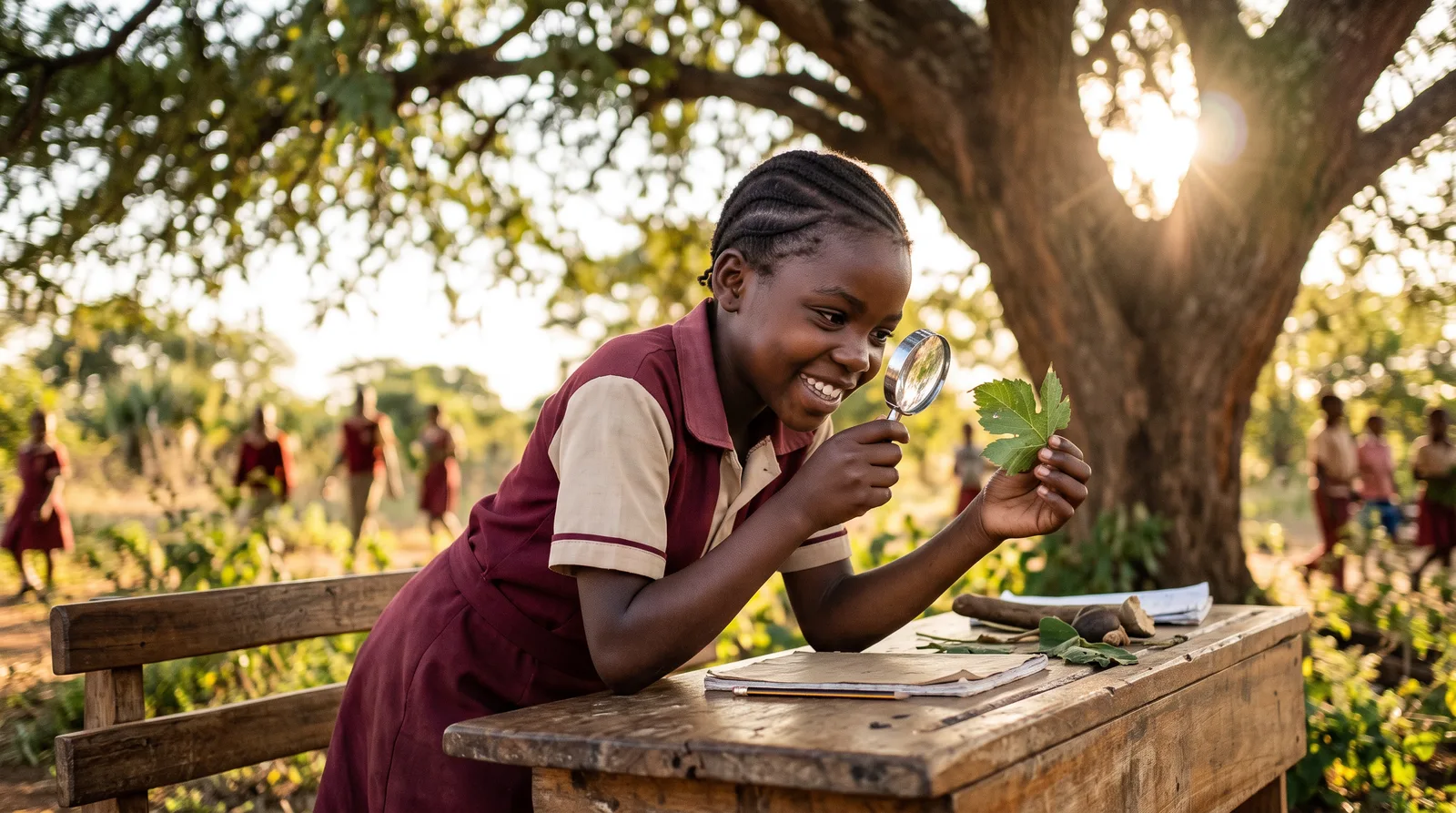
Science is already happening in your child's world every single day — my job is simply to help them see it, name it, and own it.
— Renstay College
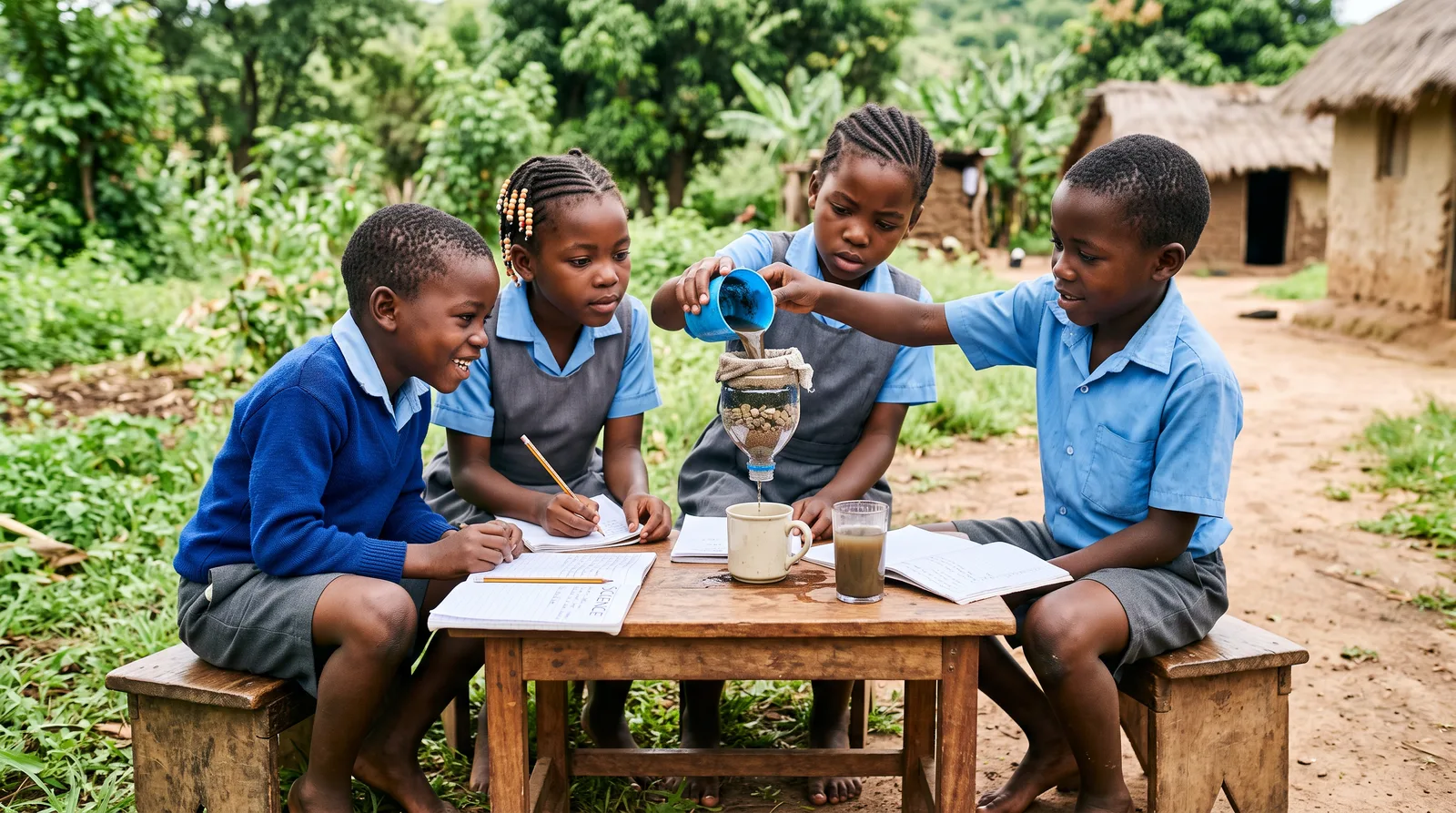
What you'll learn
What you'll be able to do
- Explain core ZIMSEC Grade 5–7 Science & Technology concepts — matter, energy, living things, and technology — in their own words with confidence
- Design and carry out simple experiments at home using everyday materials to test scientific ideas
- Read and draw labelled diagrams of plants, animals, and simple machines as required by the ZIMSEC syllabus
- Apply scientific reasoning to real-life Zimbabwean contexts, such as agriculture, water sources, and local ecosystems
- Solve structured Science & Technology questions in the ZIMSEC exam format, managing time and marks effectively
- Demonstrate responsible use of technology and an understanding of how innovations affect health, the environment, and everyday life in Zimbabwe
How it works
A school that adapts to you
This isn't a set of static videos. Every lesson is generated live and tuned to where you actually are.
We learn your level
A quick placement check tailors your starting point so you're never bored or lost.
Lessons adapt as you go
Each lesson is written for your pace and your goal, adjusting as your skills grow.
Your AI coach keeps you moving
Checkpoints, feedback, and gentle nudges turn progress into a real result.
The curriculum
What's inside your school
14 modules · 129 lessons

Matter & Materials
Explores the properties, states, and changes of matter using everyday Zimbabwean materials and simple home investigations.
- 1.1States of MatterIncluded
- 1.2Properties of MaterialsIncluded
- 1.3Changes of StateIncluded
- 1.4Mixtures & Separation TechniquesIncluded
- 1.5Acids, Bases & IndicatorsIncluded
Living Things & Life Processes
Covers the characteristics, classification, and life processes of plants and animals in Zimbabwean ecosystems.
- 2.1Characteristics of Living ThingsIncluded
- 2.2Classifying Plants & AnimalsIncluded
- 2.3Plant Parts & Their FunctionsIncluded
- 2.4Photosynthesis & RespirationIncluded
- 2.5Human Body SystemsIncluded
Ecosystems, Agriculture & the Environment
Connects science to Zimbabwe's local ecosystems, farming practices, water sources, and environmental responsibility.
- 3.1Habitats & EcosystemsIncluded
- 3.2Soil & AgricultureIncluded
- 3.3Water Sources & the Water CycleIncluded
- 3.4Pollution & Environmental CareIncluded
- 3.5Adaptation & SurvivalIncluded
Energy & Forces
Investigates different forms of energy, forces, and their practical applications in everyday Zimbabwean life.
- 4.1Forms of EnergyIncluded
- 4.2Sources of Energy in ZimbabweIncluded
- 4.3Forces & MotionIncluded
- 4.4Simple MachinesIncluded
- 4.5Heat TransferIncluded
Technology, Health & Innovation
Examines how technology works, its impact on health and the environment, and responsible innovation in a Zimbabwean context.
- 5.1What Is Technology?Included
- 5.2Electricity & Simple CircuitsIncluded
- 5.3Communication & Information TechnologyIncluded
- 5.4Technology, Health & the EnvironmentIncluded
- 5.5Responsible Use of TechnologyIncluded
ZIMSEC Exam Skills & Confidence
Builds structured exam technique, scientific reasoning, and confidence for tackling ZIMSEC Science & Technology questions.
- 6.1Understanding the ZIMSEC Exam FormatIncluded
- 6.2Reading & Drawing Scientific DiagramsIncluded
- 6.3Answering Structured QuestionsIncluded
- 6.4Applying Science to Real-Life ScenariosIncluded
- 6.5Full Revision & Mock PracticeIncluded
Health and Hygiene Practices
- 7.1• Digestive system - mouth - stomach - intestines - anusIncluded
- 7.2Eating disorders - obesity - bulimia - anorexiaIncluded
- 7.3• Environmental hygiene - water pollution - causes - pollutants - effects - reduction measuresIncluded
- 7.4Emotional health - signs - influencing factorsIncluded
- 7.5• Sexually transmitted infections - signs and symptoms - preventionIncluded
- 7.6• Human reproductive system - female and male organs - puberty - personal hygieneIncluded
- 7.7Food borne diseases - salmonella - botulism - E-coli infectionIncluded
- 7.8• Environment hygiene - land pollution - causes - pollutants - effects - reduction measuresIncluded
- 7.9Emotional intelligence - self-awareness - self-regulationIncluded
- 7.10• HIV and AIDS - transmission - prevention - managementIncluded
- 7.11• Respiratory system - nose - trachea /wind pipe - lungs - diaphragm - diseasesIncluded
- 7.12• Circulatory system - heart - blood vesselsIncluded
- 7.13• Food safety - importance - safety practicesIncluded
- 7.14• Environment al health - noise pollution - causes - pollutants - effects - reduction measuresIncluded
- 7.15• Emotional intelligence - empathy - social skills - motivationIncluded
- 7.16• Chronic diseases - tuberculosis - hypertension - cancer - kidney failure - diabetesIncluded
- 7.17Epidemic diseasesIncluded
Food and Nutrition
- 8.1• Food nutrients - deficiency - nutrient excessIncluded
- 8.2Food preservation - indigenous methods - modern methods - contaminationIncluded
- 8.3Meal planning and budgetingIncluded
- 8.4Balanced diet - indigenous diet - benefitsIncluded
- 8.5• Packaging and storage - indigenous - modern - importanceIncluded
- 8.6
- indigenous meal
- 8.7Cultural and social influences on food choicesIncluded
- 8.8Food storage and hygiene - granaries - silosIncluded
- 8.9Food preparation - contem porary mealIncluded
Crops, Plants and Animals
- 9.1• Plant reproduction - flowering - non-floweringIncluded
- 9.2• Plant nutrients - absorption of nutrientsIncluded
- 9.3• Animal reproduction - mating - gestation periodIncluded
- 9.4Food pyramidsIncluded
- 9.5rmination - conditionsIncluded
- 9.6• Nutrient deficiency - phosphorou s - nitrogen - potassiumIncluded
- 9.7Animal nutrition - nutrients - importance of nutrients - animal dietIncluded
- 9.8Predator- prey relationshipsIncluded
- 9.9Photosynthesis - factors - word equationIncluded
- 9.10Uses of plants • medicinal • ecological • socio economic • aestheticIncluded
- 9.11Uses of animals - food - clothing - transport - petsIncluded
Environmental Awareness and Conservation
- 10.1Weather conditions - Measuring - recordingIncluded
- 10.2omponent of an ecosystem - importance of soil organisms • uses of soilIncluded
- 10.3Water conservation methodsIncluded
- 10.4Land use - commercialIncluded
- 10.5Conservation of natural resourcesIncluded
- 10.6
- Natural resources conservation methods - Importance of conservation
- 10.7Weather patternsIncluded
- 10.8Soil erosion - types - agents - effects - preventionIncluded
- 10.9Ground water - conservation - extractioIncluded
- 10.10Natural Land use • Recreation - Forest - Mountain - Lakes - wildlife reservesIncluded
- 10.11Natural resourcesIncluded
- 10.12Climate change - causes - effects - mitigationIncluded
- 10.13weathering - types - effectsIncluded
- 10.14water scarcity - effects - conservationIncluded
- 10.15Land use - miningIncluded
Tools, Equipment and Implements
- 11.1Tools - kitchen - garden and landscaping Safety and storageIncluded
- 11.2Measuring tools - temperature - massIncluded
- 11.3Digital devices • communication devices - smartphone - desktop - tablets - two-way radiosIncluded
- 11.4storage - input/outputIncluded
- 11.5Digital tools - publisher - flyers - certificatesIncluded
- 11.6Career opportunities - Desktop publisher - Document designer - Web publisher - print designerIncluded
- 11.7Machine designs and modelsIncluded
- 11.8Functions of machinesIncluded
- 11.9Measuring tools - temperature - volume -Included
- 11.10• Digital devices • creative devices • digital camera - creative tasks - music - video editing - graphics • featuresIncluded
- 11.11Digital tools - spreadsheets - structure - formulasIncluded
- 11.12Career opportunities - Data analyst - Data scientist - Statistical analyst - accountantIncluded
- 11.13• Farm implements - safety - maintenanceIncluded
- 11.14Measuring tools - time - volumeIncluded
- 11.15Digital devices • types of servers - web servers - mail servers - file servers - print screen serversIncluded
- 11.16• purposes - word processing - desktop publishing - database Management System (DBMS)Included
- 11.17global positioning systems (GPS)Included
- 11.18Digital tools - database - tables - forms - reportsIncluded
- 11.19Career opportunities - Web developer - Database administrator - Software developer - Network engineerIncluded
Energy and Fuels
- 12.1Forms of energy - solar • safety precautionsIncluded
- 12.2Fuels - renewable - non-renewable fuelsIncluded
- 12.3Forms of energy - heat - light - electrical • Electrical circuitsIncluded
- 12.4Fuels - sustainable use of fuelsIncluded
- 12.5Forms of energy • Sound • Energy conversionIncluded
- 12.6Impact of fuels on the environment - methods of putting out fire - prevention of fireIncluded
Disaster risk management and resilience
- 13.1Hazards - natural hazards - safety measures - mitigationIncluded
- 13.2Safety and evacuation - importance - mitigationIncluded
- 13.3Emergency professionals - responders - rolesIncluded
- 13.4Psycho-emotional support - impact - servicesIncluded
- 13.5Hazard - PreparednessIncluded
- 13.6Evacuation map - route - assembly pointIncluded
- 13.7Emergency professionals - responders - rolesIncluded
- 13.8Psycho emotional support - impact - servicesIncluded
- 13.9Disasters - types of disasters - impact - resilienceIncluded
- 13.10Safety and Evacuations - earthquake - floods - dangerous animal invasionIncluded
- 13.11Emergency professionals - responders - rolesIncluded
- 13.12Psycho emotional support - impact - servicesIncluded
Educational technology and innovation
- 14.1Research using different search enginesIncluded
- 14.2Robotics and coding - design process - game development - careersIncluded
- 14.3Cyber security - Cyber wellness - Surfing the internet - Best practicesIncluded
- 14.4Use of Artificial intelligence - applications - impactIncluded
- 14.5Robotics and coding - Designing, robotics and coding - text based programming - simple scripts - game developmentIncluded
- 14.6yber security - hacking - types of hackers - Black hat - White hat - Grey hat - Hacking prevention - Firewall - EncryptionIncluded
- 14.7Use of Artificial Intelligence (AI) - applications - impactIncluded
- 14.8AI - powered devicesIncluded
- 14.9Robotics and coding - designing, robotics and coding - mobile application development - game development ethicsIncluded
- 14.10Cyber security - Data protection laws - Firewalls - antivirusIncluded
Who it's for
Is this you?

The Grade 7 Exam Candidate
Preparing for ZIMSEC Grade 7 exams and needs structured, syllabus-perfect revision that builds real confidence before the big day.

The Curious Grade 5 Learner
Just starting upper primary and loves asking 'why' — this school channels that natural curiosity into proper scientific thinking from the very beginning.

The Supportive Parent
Wants to help with homework but needs clear, jargon-free explanations and home-friendly activities that don't require lab equipment.

The Primary School Teacher
Looking for a reliable ZIMSEC-aligned supplement to enrich classroom lessons, assign for home study, or use during revision weeks.

The Home-Schooling Family
Following the ZIMSEC curriculum at home and needs a complete, structured Science & Technology programme that covers every topic end to end.

The Grade 6 Learner Who Finds Science Hard
Struggles with concepts like photosynthesis or forces, and needs warm, step-by-step explanations using familiar Zimbabwean examples to make it all click.
Questions
Frequently asked
Your teacher
A note from your teacher
Renstay College
Hello, and welcome — I'm so glad you found this school.
I know what it feels like to sit in a science lesson and have that sinking thought: "I just don't get it." Maybe your child comes home with a worksheet about photosynthesis and stares at it like it's written in a foreign language. Maybe they understand things fine in class but panic the moment they see an exam paper. Or maybe they're actually curious — they love watching how things work — but nobody has ever shown them that that curiosity is exactly what science is made of. I built Sci-Tech Explorer because every one of those children deserves better.
This school covers the full ZIMSEC Grade 5–7 Science & Technology syllabus — matter and materials, living things, ecosystems, energy, forces, technology, and health — but it doesn't just dump information on your child. Every concept is introduced through something familiar: the maize cob on the kitchen table, the borehole in the village, the bicycle your child rides to school. We use those everyday Zimbabwean moments as the doorway into the big scientific ideas that ZIMSEC needs them to know. Once a child sees that science is already happening in their world, everything changes.
I also know that most families don't have a laboratory at home, and most parents don't have a science degree. That's why every experiment in this school uses simple household materials, and every explanation is written to be clear enough for a parent to read along and actually help. You don't need anything fancy. You need curiosity — and we'll supply the rest.
The part of this school I'm most proud of is the Exam Skills & Confidence section. Knowing the content is vital, but ZIMSEC also rewards learners who can communicate their knowledge clearly — labelled diagrams drawn the right way, structured answers that follow the mark scheme, real-life scenarios handled with scientific reasoning. We practise all of that, with mock questions and full revision, so that when exam day arrives, your child walks in prepared rather than anxious.
Science is not a subject for "clever kids only." It is for every child who has ever wondered why the sky is blue, why plants need sunlight, or how a torch works. That child is your child. Come and explore with us — I genuinely cannot wait to see what they discover.
— Renstay College
Start your journey today
Get instant access — learn at your own pace with an AI coach in your corner.
$5/mo
Recurring billing · cancel anytime
Enrolling a child? Sign up as a parent — you'll add your student right here after.
Secure checkout · Instant access
- 14 modules, 129 lessons
- AI-adaptive lessons tuned to your level
- Quizzes & checkpoints to lock in progress
- Your own AI learning coach
- Learn on any device, at your pace
- Full access for as long as you're subscribed