Never get sold the wrong HVAC system again
Learn to run — or audit — a proper Manual J load calculation, match a unit to your verified numbers using Manual S, and confirm the installation is actually right. This is the process licensed engineers use, taught in plain English for homeowners who refuse to just trust the sales pitch.
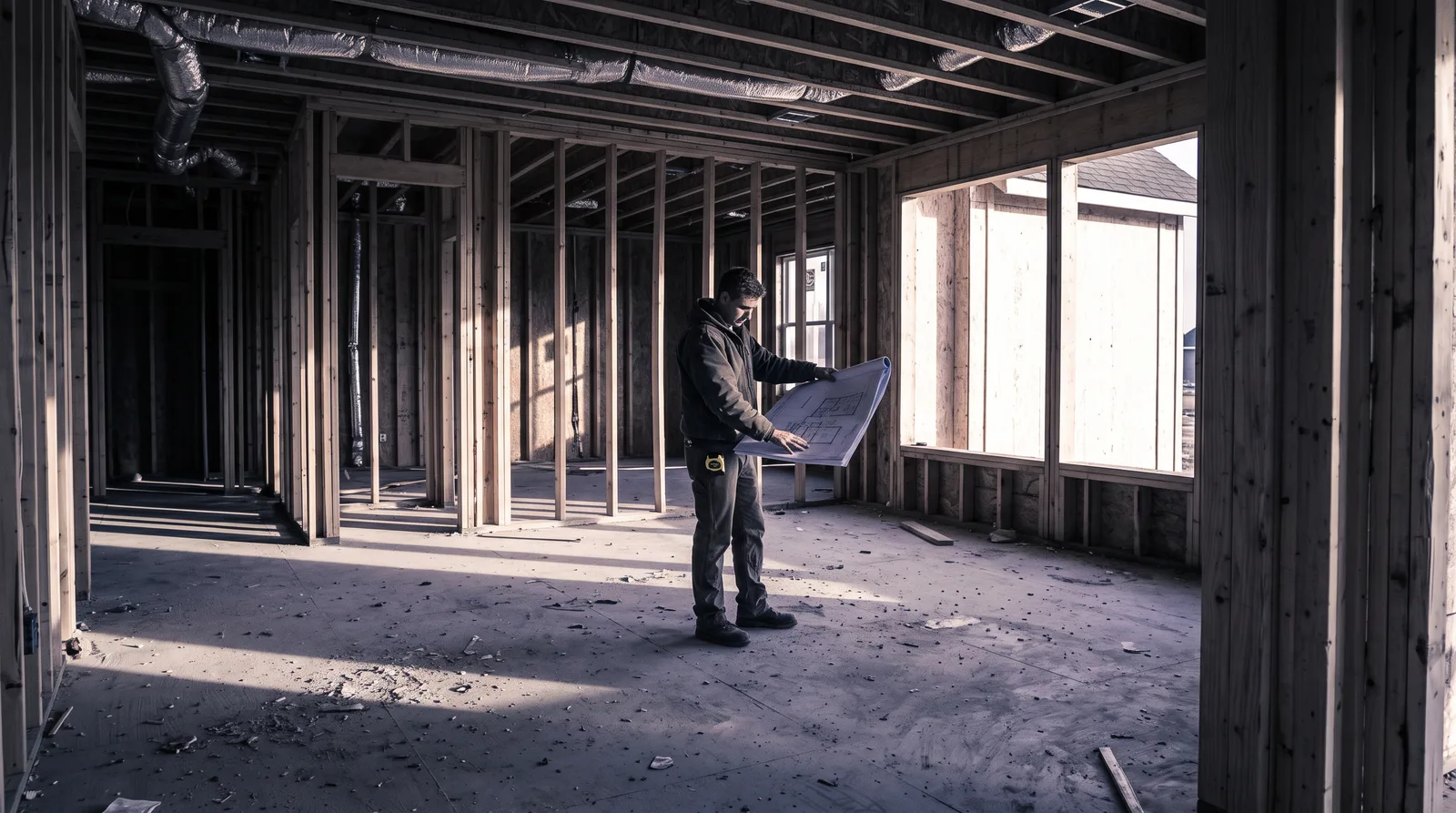
"I won't ask you to just trust me — I'll give you the process so you can verify everything yourself."
— Straight from the Slab with Duane Holloway
What you'll learn
What you'll be able to do
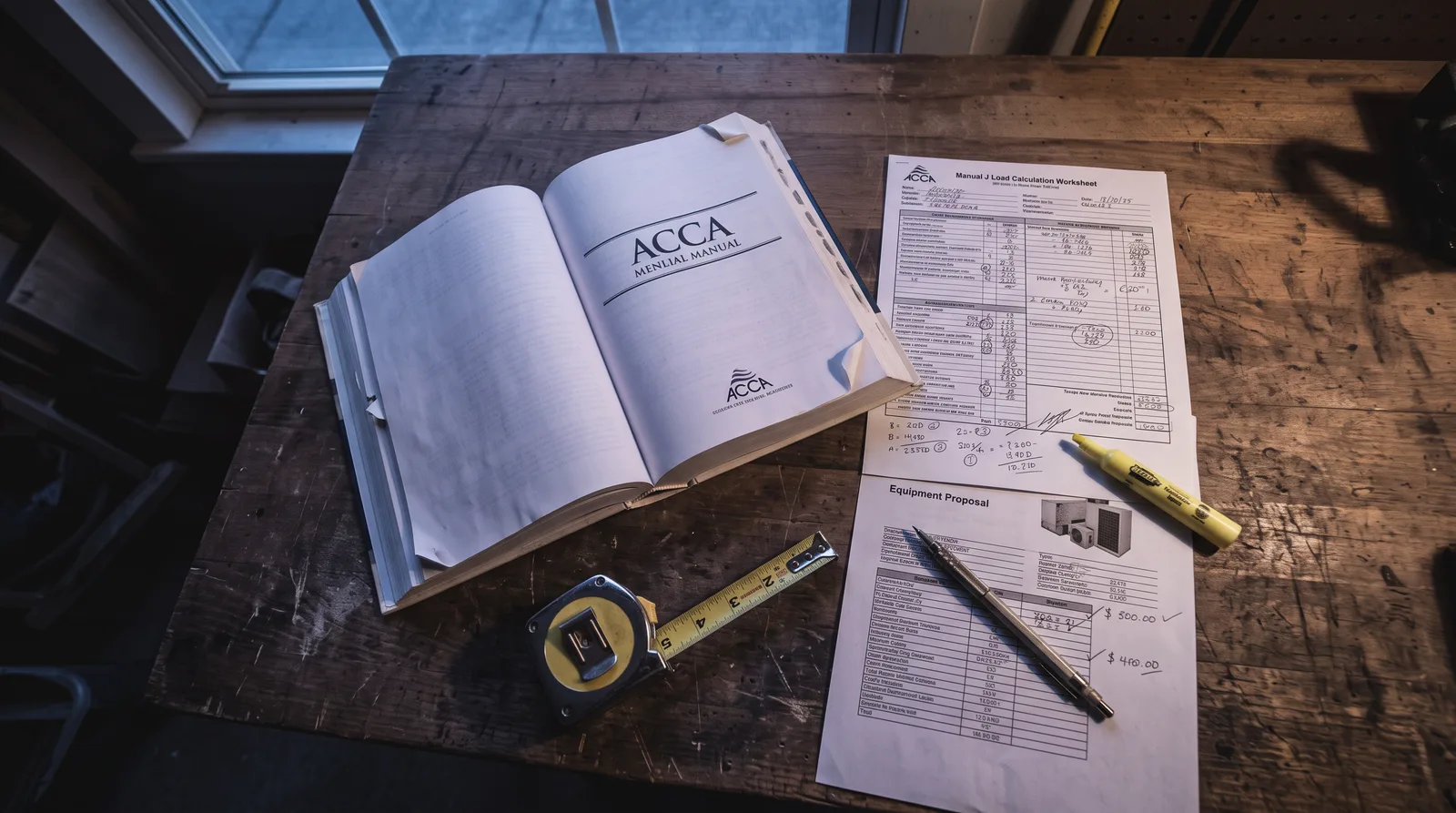
- Perform a Manual J load calculation (or audit a contractor's version) to determine the true heating and cooling load of any home.
- Identify the key home factors — insulation, windows, orientation, climate zone, and square footage — that drive HVAC sizing decisions.
- Decode contractor bids and equipment spec sheets so you can spot an oversized or undersized system before it's installed.
- Apply the ACCA Manual S equipment selection process to match a correctly sized unit to your verified load calculation.
- Conduct a post-installation verification check — airflow, static pressure, and temperature split — to confirm your new system is performing as specified.
- Avoid the most common and costly HVAC sizing mistakes: short-cycling, humidity problems, hot/cold spots, and premature equipment failure.
How it works
A school that adapts to you
This isn't a set of static videos. Every lesson is generated live and tuned to where you actually are.
We learn your level
A quick placement check tailors your starting point so you're never bored or lost.
Lessons adapt as you go
Each lesson is written for your pace and your goal, adjusting as your skills grow.
Your AI coach keeps you moving
Checkpoints, feedback, and gentle nudges turn progress into a real result.
The curriculum
What's inside your school
6 modules · 26 lessons

Why Size Matters: The Real Cost of Getting It Wrong
Establishes why correct HVAC sizing is critical by showing the real-world consequences of oversized and undersized systems.
- 1.1The Oversized Trap: Short-Cycling, Humidity, and Early FailureIncluded
- 1.2The Undersized Mistake: Endless Runtime and Hot/Cold SpotsIncluded
- 1.3Why the 'Square Footage Rule' Is a Dangerous ShortcutIncluded
- 1.4How the Right-Sizing Process Works: Your RoadmapIncluded
Know Your Home: The Factors That Drive HVAC Load
Covers every home characteristic that influences heating and cooling demand, giving students a complete picture before calculations begin.
- 2.1Climate Zones Explained: How Your Location Sets the BaselineIncluded
- 2.2Insulation, Air Sealing, and the Building EnvelopeIncluded
- 2.3Windows and Doors: Orientation, Glazing, and Solar GainIncluded
- 2.4Internal Gains: Occupants, Appliances, and LightingIncluded
- 2.5Duct Systems and Attic Locations: Hidden Load MultipliersIncluded
Manual J Load Calculation: Do It or Audit It
Walks students through the ACCA Manual J methodology so they can either run their own load calculation or rigorously verify a contractor's version.
- 3.1Manual J 101: What It Is, What It Produces, and Who Should Run ItIncluded
- 3.2Gathering Your Inputs: Measurements, Specs, and Site DataIncluded
- 3.3Running a Manual J with Free and Low-Cost Software ToolsIncluded
- 3.4Auditing a Contractor's Manual J: Red Flags and Sanity ChecksIncluded
Manual S Equipment Selection: Matching the Unit to the Load
Applies the ACCA Manual S process to translate a verified load calculation into a correctly specified equipment choice.
- 4.1Reading Equipment Performance Data: Capacity Tables and AHRI RatingsIncluded
- 4.2Sensible vs. Latent Cooling: Why Humidity Capacity MattersIncluded
- 4.3Applying Manual S: Sizing Limits and the Acceptable Capacity RangeIncluded
- 4.4Decoding Contractor Bids and Equipment ProposalsIncluded
- 4.5Special Cases: Variable-Speed Systems, Heat Pumps, and ZoningIncluded
New Build vs. Replacement: Applying the Process to Your Situation
Tailors the right-sizing process to the two distinct scenarios homeowners face — designing for a new home or replacing an aging system.
- 5.1Right-Sizing a New Build: Working with Builders and HVAC Subs EarlyIncluded
- 5.2Right-Sizing a Replacement System: Auditing What You Already HaveIncluded
- 5.3Home Upgrades That Change Your Load: What to Recalculate After RenovationsIncluded
- 5.4Getting Competitive Bids the Right Way: Your Specification DocumentIncluded
Post-Installation Verification: Confirm Your System Is Performing
Equips students to conduct or oversee key field tests after installation to confirm the system actually delivers what was specified.
- 6.1Temperature Split Testing: The Quickest Performance CheckIncluded
- 6.2Airflow and Static Pressure: What the Numbers Mean for Your SystemIncluded
- 6.3Spotting Post-Installation Red Flags: Noise, Humidity, and Uneven RoomsIncluded
- 6.4How to Escalate: Contractor Callbacks, ACCA Standards, and Your Warranty RightsIncluded
Who it's for
Is this you?

New build planners
He's finalizing plans with his builder and wants to make sure the HVAC sub is specifying the system correctly from the start — before anything is framed in.

Replacement system shoppers
She's getting three bids on a new AC and furnace and has no way to tell if the tonnage recommendations are actually right or just the easiest upsell.

First-time homebuyers
He just bought his first house and the inspector flagged the aging HVAC — he wants to understand what he actually needs before calling a contractor.

DIY-minded homeowners
She handles most of her own home maintenance and wants to understand the load calculation process well enough to audit any professional quote she receives.

Post-renovation recalculators
He just finished adding insulation and replacing all his windows and suspects his current system is now oversized — he wants to verify the numbers before replacing it.

Comfort troubleshooters
She's had hot and cold rooms, high humidity, and two contractor visits that solved nothing — she wants to understand if a sizing problem is the real culprit.
Questions
Frequently asked
Your teacher
A note from your teacher

Straight from the Slab with Duane Holloway
The most expensive HVAC mistakes aren't installation errors — they're sizing errors that happen before a single wire is run. I put this course together so you can either run the calculation yourself or audit the one your contractor hands you. Either way, you walk in with numbers and walk out with the right system.
— Straight from the Slab with Duane Holloway
Start your journey today
Get instant access — learn at your own pace with an AI coach in your corner.
$39/mo
Recurring billing · cancel anytime
Secure checkout · Instant access
- 6 modules, 26 lessons
- AI-adaptive lessons tuned to your level
- Quizzes & checkpoints to lock in progress
- Your own AI learning coach
- Learn on any device, at your pace
- Full access for as long as you're subscribed