
Master Shona — and walk into your ZIMSEC exam with confidence
Shona Ya Tariro gives Grades 5–7 learners step-by-step, ZIMSEC-aligned lessons in reading, writing, grammar, and oral skills — all built around the stories, language, and culture you already know.
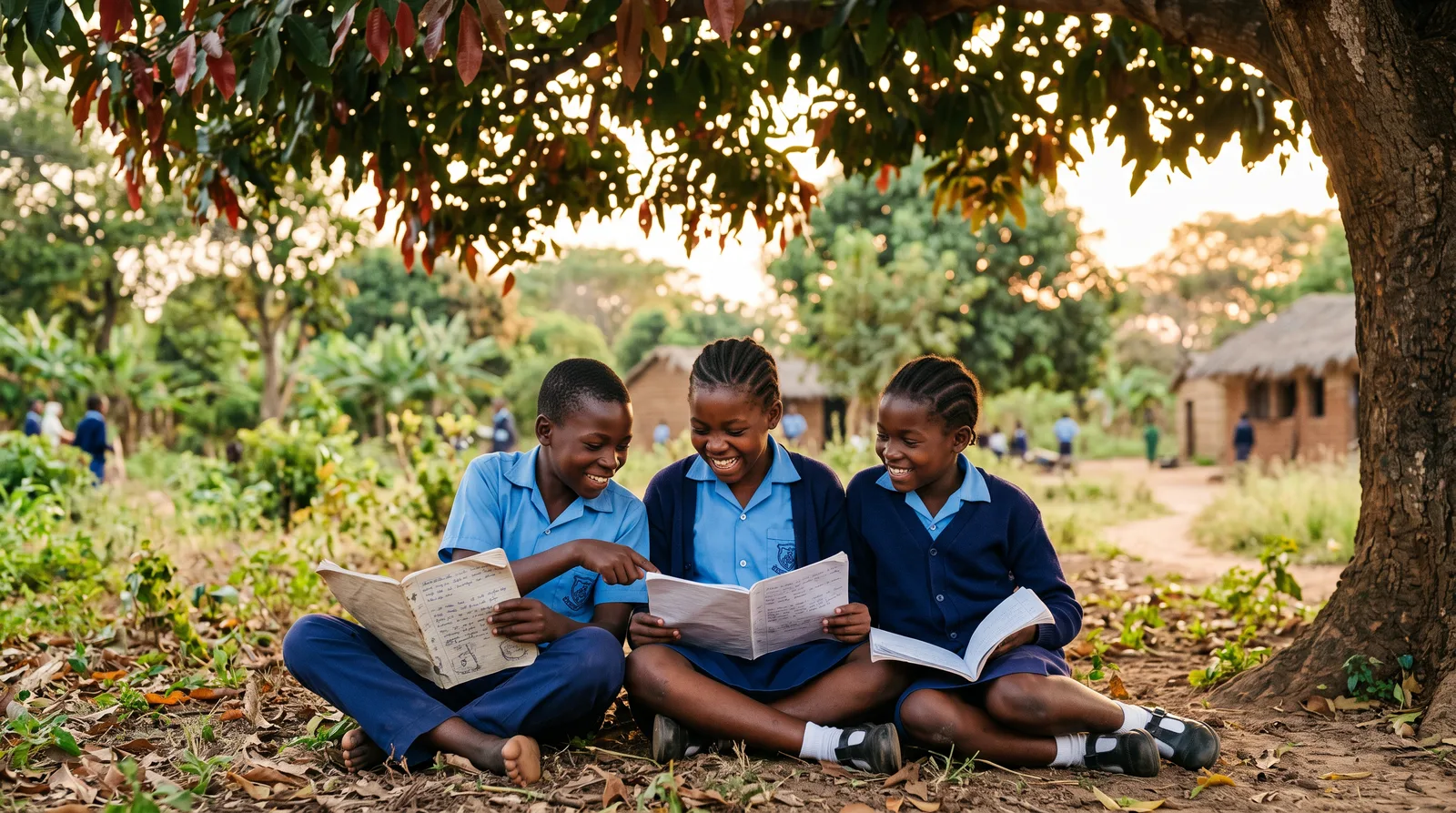
"Every child who speaks Shona at home already has the foundation — I am just here to show them how to let it shine on the page and in the exam room."
— Renstay College
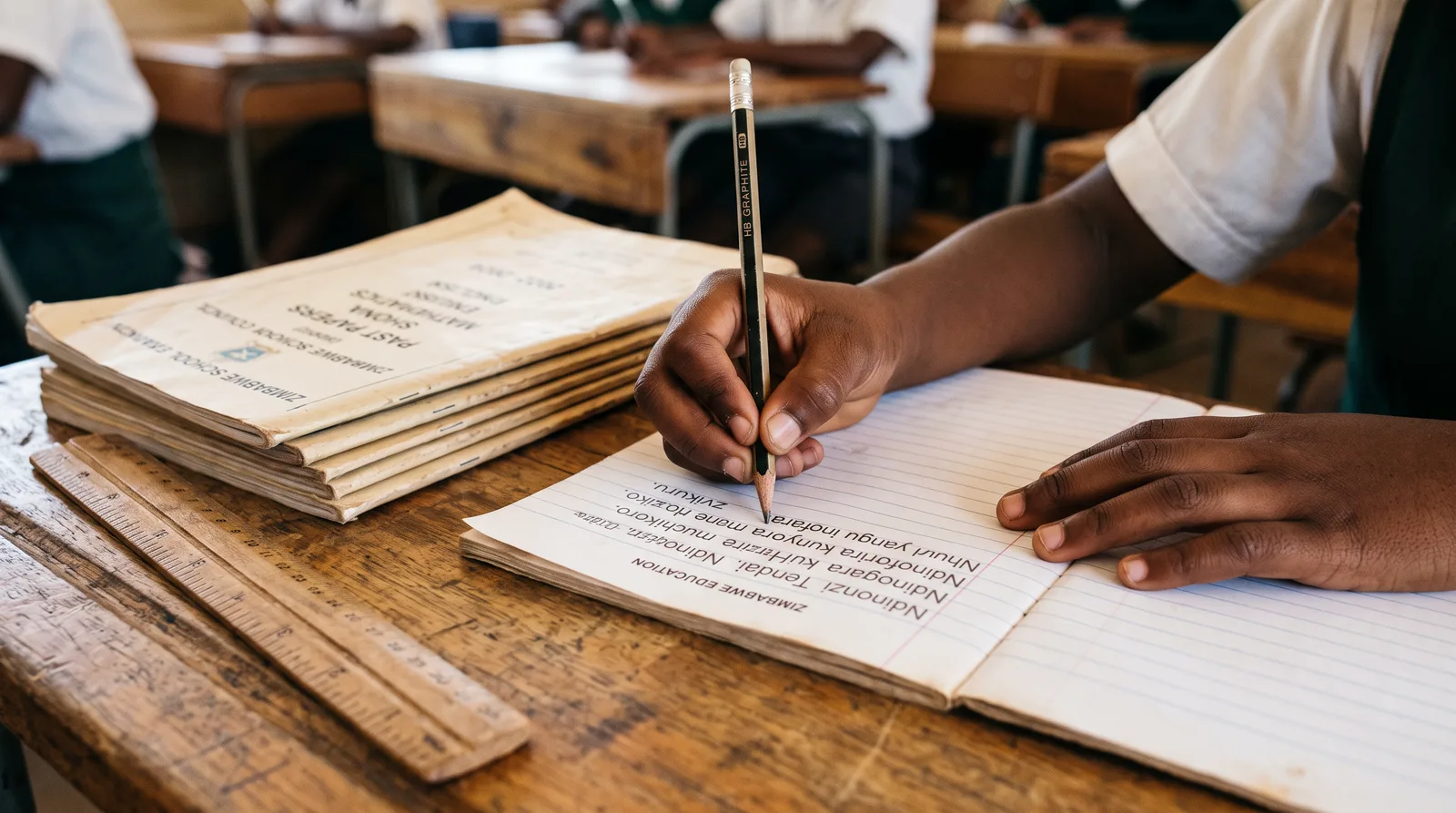
What you'll learn
What you'll be able to do
- Read and comprehend Shona prose and poetry passages at ZIMSEC Grades 5–7 standard
- Write grammatically correct Shona compositions, letters, and short essays using proper idhiom and register
- Identify and correctly use core Shona grammar concepts including noun classes (izita), verb tenses, and concords
- Deliver clear and confident oral Shona — reciting poems, telling stories, and participating in structured nduri and nhaurirano exercises
- Analyse set Shona literary texts and answer structured comprehension questions in the ZIMSEC exam format
- Apply correct Shona spelling, punctuation, and vocabulary to score higher marks across all three ZIMSEC Shona paper sections
How it works
A school that adapts to you
This isn't a set of static videos. Every lesson is generated live and tuned to where you actually are.
We learn your level
A quick placement check tailors your starting point so you're never bored or lost.
Lessons adapt as you go
Each lesson is written for your pace and your goal, adjusting as your skills grow.
Your AI coach keeps you moving
Checkpoints, feedback, and gentle nudges turn progress into a real result.
The curriculum
What's inside your school
11 modules · 55 lessons
Kushandisa Mutauro: Sarudzo Yemashoko neMatauriro
Builds core Shona vocabulary, spelling, and punctuation so learners can use the language accurately across all written and oral tasks.
- 1.1Tsanangudzo Yemashoko: Kukura kweDuramazwiIncluded
- 1.2Masvomhu neMagwaro AkaruramaIncluded
- 1.3Mapurawira neMichinjiko muChishonaIncluded
- 1.4Zita neMagwaro: Idhiom neRejistaAIncluded
Gramaticha yeChishona: Izita, Zviitwa, neConcord
Covers the core ZIMSEC grammar concepts — noun classes, verb tenses, and subject-object concords — with structured practice.
- 2.1Makirasi eZita (Noun Classes) neNhamba DzawoIncluded
- 2.2Concord: Kuwirirana kweMashoko muMutsetseIncluded
- 2.3Zvikamu zveZviitwa: Tenses muChishonaIncluded
- 2.4Zvidimbu zveMutauro: Maumbirwo eMitsaraIncluded
- 2.5Magumo neMasimba eMashoko: Zvichapupu zveGramatichaIncluded
Kuverenga nokuNzwisisa: Purozha neNduri
Develops reading comprehension skills in both Shona prose and poetry passages to the ZIMSEC Grades 5–7 standard.
- 3.1Maitiro ekuVerenga Purozha neManzwisisiroIncluded
- 3.2Mibvunzo yeNzwisiso: Mhinduro dzeMutauro ChaiyeIncluded
- 3.3Kuverenga Nduri neKunzwisisa Zvirevo zvayoIncluded
- 3.4Ongororo yeMabhuku eZIMS EC: Mibvunzo neMhinduroIncluded
Kunyora muChishona: Compositions, Tsamba, neEsei
Guides learners through the different ZIMSEC written tasks — compositions, formal and informal letters, and short essays.
- 4.1Kunyora Composition: Kugadzira Nyaya YakarongwaIncluded
- 4.2Tsamba Yepachena neyaKhanzuru: Mafomu neMagwaroIncluded
- 4.3Kunyora Esei Pfupi: Maonero neMitumbiIncluded
- 4.4Kushandisa Idhiom neRejistaAkarurama muKunyoraIncluded
- 4.5Kugadzirisa nokuOngorora Zvakanyorwa: Self-EditingIncluded
Kutaura nokuUraya: Nhaurirano, Nduri, naNharigu
Builds oral Shona confidence through structured storytelling, poem recitation, and formal discussion exercises aligned to ZIMSEC oral assessment.
- 5.1Kuudza Nharigu: Maitiro ekuTaura NyayaIncluded
- 5.2Kuridza Nduri: Kutaura Nhetembo neManzwiroIncluded
- 5.3Nhaurirano: Kuita Hurukuro YakarongwaIncluded
- 5.4Kuteerera nokuPindura: Listening and Response SkillsIncluded
Kuzvigadzirira Bvunzo: ZIMSEC Exam Preparation
Consolidates all skills through timed ZIMSEC-format practice papers, mark-scheme guided feedback, and exam technique coaching.
- 6.1Kuongorora Zvikamu zveBvunzo: Paper 1, 2 ne3Included
- 6.2Bvunzo yeKuedzwa: Paper 1 — KunyoraIncluded
- 6.3Bvunzo yeKuedzwa: Paper 2 — Nzwisiso neGramatichaIncluded
- 6.4Kugadzirira Pamutauro: Oral Exam PracticeIncluded
- 6.5Zano reBvunzo: Exam Tips, Time Management, neKuvimbaIncluded
COMPREHENSION AND SUMMARY
- 7.1News, folktales, stories, songs, poems, cartoons, letters and reportsIncluded
- 7.2Graphs and chartsIncluded
- 7.3Instructions questions and answersIncluded
- 7.4Summary of 35 wordsIncluded
- 7.5News,stories, folktales,poems, dialogue,letters reports and impromptu speechesIncluded
- 7.6Graphs, tables,and chartsIncluded
LANGUAGE USAGE
- 8.1Figurative Language - proverbs - idioms - similes - idiophones - riddles - sayingsIncluded
- 8.2Time - times of the day - months of the yearIncluded
- 8.3Numbers in indigenous language up to 100Included
- 8.4Punctuation - capital letter - full stop - question mark - comma - exclamation mark - opening and closing inverted commasIncluded
- 8.5ense relations - synonyms - antonyms - homographsIncluded
- 8.6Figurative Language - proverbs - idioms - similes - idiophones - riddles - metaphors - sayingsIncluded
- 8.7Numbers in indigenous language up to 1000Included
- 8.8Punctuation - capital letter - full stop - question mark - comma - exclamation mark - opening and closing inverted commas - apostrophe - diacriticIncluded
- 8.9Sense relations - synonymsIncluded
- 8.10antonyms - homographsIncluded
LANGUAGE STRUCTURE
- 9.1ord categories - nouns - pronouns - plurals - verbs - adjectives - prepositions - conjunctivesIncluded
- 9.2Concordial agreementIncluded
COMPOSITION
- 10.1Words, sentences and paragraphsIncluded
- 10.2Composition structure - introduction - body - conclusionIncluded
- 10.3Different types of compositions - descriptive - narrative - dialogue - speeches - informal letter - formal lettersIncluded
- 10.4Different types of compositions - descriptive - narrative - dialogue - speeches - poems - reports - informal letterIncluded
- 10.5HeritageIncluded
CULTURAL ASPECTS
- 11.1Tangible heritage - lineages - monumentsIncluded
- 11.2Intangible heritage - songs - poems - quiz and riddles - news, folktales and storiesIncluded
- 11.3Registers - greetings - polite requests - cultural etiquette - directionsIncluded
- 11.4Intangible heritage - songs - myths - dances - taboos - legends - poems - quiz and riddles - news, folktales and storiesIncluded
- 11.5Registers - greetings - polite requests - cultural etiquette - directionsIncluded
Who it's for
Is this you?

The Grade 7 Exam Candidate
Facing ZIMSEC assessments soon and needs focused, paper-by-paper practice to turn good spoken Shona into confident written exam answers.

The Grade 5 Foundation Builder
Just starting upper primary and wants to build strong Shona grammar, spelling, and vocabulary habits early before the work gets harder.

The Struggling Grade 6 Learner
Understands Shona in conversation but loses marks on compositions and comprehension — needs step-by-step writing and grammar support.

The Supportive Parent
Wants to understand exactly what the ZIMSEC Shona syllabus requires so they can guide and encourage their child's revision at home.

The Primary School Teacher
Looking for well-structured, curriculum-aligned Shona lessons to supplement classroom teaching and give learners reliable revision resources.

The Oral Skills Avoider
Strong on paper but dreads nduri recitation and nhaurirano — needs a safe, guided space to build spoken Shona confidence before the oral exam.
Questions
Frequently asked
Your teacher
A note from your teacher
Renstay College
I see you — maybe you are a learner sitting with your Shona textbook, reading the same paragraph three times and still not sure how to answer the comprehension question. Or maybe you are a parent watching your child struggle to write a tsamba correctly, knowing the exam is coming and wishing there was a clearer way to help. Perhaps you are a teacher looking for something organised, curriculum-matched, and actually engaging to use in class or to recommend to your learners for home revision.
Wherever you are coming from, I want you to know this: Shona is not a difficult language. But the way it has sometimes been taught — rushing through grammar rules, skipping the oral work, giving a composition topic without showing learners how to build one — has left too many bright young people feeling like they are bad at their own mother tongue. That breaks my heart, and it is why Shona Ya Tariro exists.
This school was built with care, lesson by lesson, to follow the ZIMSEC Grades 5–7 syllabus faithfully. We start with language — building vocabulary, learning how to use idhiom and the right register, understanding how spelling and punctuation work in Shona. We move into grammar the right way: noun classes that actually make sense, concords explained with real sentences, verb tenses practised until they feel natural. We read prose and poetry together, the way a good teacher reads with a class — slowly, with questions, with meaning. We write compositions, formal letters, and short essays with structure and purpose. We practise speaking Shona out loud, because the oral paper matters and confidence in kutaura does not come from silence.
And then, when you are ready, we walk through the exam together — paper by paper, question type by question type, tip by tip — so that when the day comes, you are not guessing. You are prepared.
I believe every Zimbabwean child who speaks Shona at home has the ability to excel at Shona on paper too. The gap is not talent — it is guidance. Shona Ya Tariro is that guidance. I am so glad you found it. Come in, settle in, and let us get started — tariro haisvibisi.
— Renstay College
Start your journey today
Get instant access — learn at your own pace with an AI coach in your corner.
$5/mo
Recurring billing · cancel anytime
Enrolling a child? Sign up as a parent — you'll add your student right here after.
Secure checkout · Instant access
- 11 modules, 55 lessons
- AI-adaptive lessons tuned to your level
- Quizzes & checkpoints to lock in progress
- Your own AI learning coach
- Learn on any device, at your pace
- Full access for as long as you're subscribed