
Master Canada's place in a volatile world order if the 21C!
A PhD-colloquium-level seminar that moves from Arctic sovereignty disputes and continental asymmetries to multilateral alliance trade-offs — equipping you to think, write, and argue like a strategic analyst of Canadian foreign and economic policies.
"I will not let you stop at what Canada does — we are here to rigorously interrogate why, under what constraints, and at what cost."
— Val (Valdas) Samonis
What you'll learn
What you'll be able to do
- Analyze Canada's grand strategy as a mid-power and articulate the structural constraints and opportunities it faces in the international system.
- Evaluate Canada's principal foreign policy instruments — diplomacy, development aid, defence, and trade — and how they are wielded in concert.
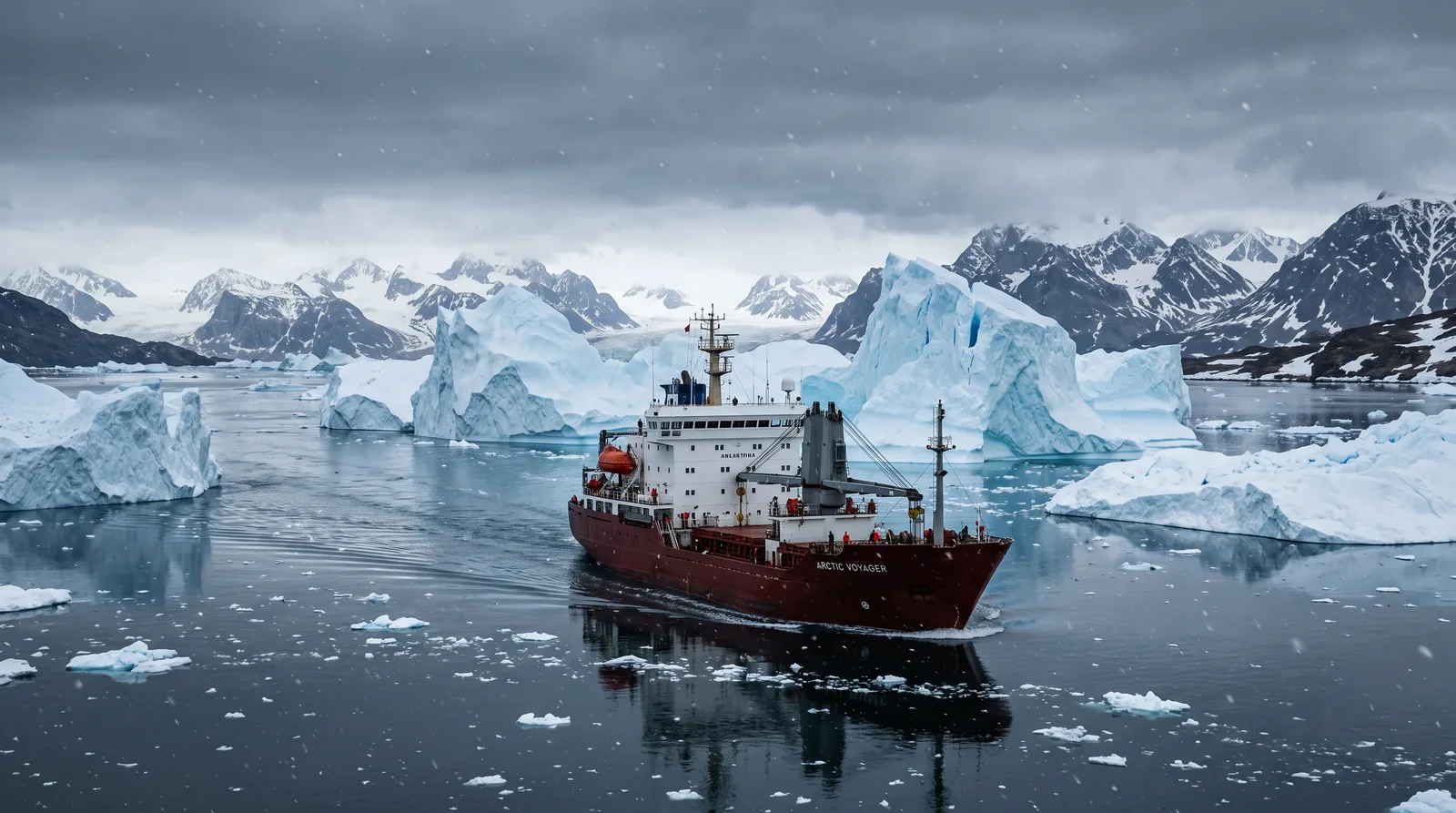
- Assess Arctic sovereignty disputes and Canada's evolving strategy for the circumpolar North in the context of climate change and great-power competition.
- Deconstruct Canada–US relations, including the mechanics of continental integration, border management, and the asymmetries of economic dependence.
- Critically examine Canada's multilateral commitments — UN, NATO, G7, WTO — and the trade-offs between alliance loyalty and independent positioning.
- Produce a structured policy brief on a current Canadian statecraft challenge, applying realist, liberal, and constructivist frameworks as analytical lenses.
How it works
A school that adapts to you
This isn't a set of static videos. Every lesson is generated live and tuned to where you actually are.
We learn your level
A quick placement check tailors your starting point so you're never bored or lost.
Lessons adapt as you go
Each lesson is written for your pace and your goal, adjusting as your skills grow.
Your AI coach keeps you moving
Checkpoints, feedback, and gentle nudges turn progress into a real result.
The curriculum
What's inside your school
6 modules · 30 lessons

Canada in the International System: Power, Identity, and Grand Strategy
Establishes the theoretical and historical foundations for understanding Canada as a mid-power with distinctive structural constraints and strategic culture.
- 1.1What Is Grand Strategy? Applying the Concept to a Mid-PowerIncluded
- 1.2Canada's Strategic Culture: Myths, Narratives, and National IdentityIncluded
- 1.3Structural Constraints and Opportunities: Geography, Demography, and ResourcesIncluded
- 1.4Theoretical Lenses: Realism, Liberalism, and Constructivism in Canadian ContextIncluded
- 1.5Historical Arc: From Colony to Mid-Power — Key Inflection PointsIncluded
The Instruments of Canadian Statecraft
Evaluates how Canada deploys diplomacy, development assistance, defence, and trade policy as interlocking instruments of foreign policy.
- 2.1Diplomacy and the Foreign Service: Capacity, Reach, and InfluenceIncluded
- 2.2Defence Policy and the Canadian Armed Forces: Commitments Versus CapabilitiesIncluded
- 2.3International Development and Humanitarian Assistance as Strategic ToolsIncluded
- 2.4Trade Policy and Economic Statecraft: From CUFTA to the CUSMA EraIncluded
- 2.5Whole-of-Government Integration: Aligning Instruments for Strategic EffectIncluded
Canada and the United States: Continental Integration and Asymmetric Interdependence
Deconstructs the defining bilateral relationship — its economic depth, security entanglement, border architecture, and the management of power asymmetry.
- 3.1The Architecture of the Relationship: History, Institutions, and NormsIncluded
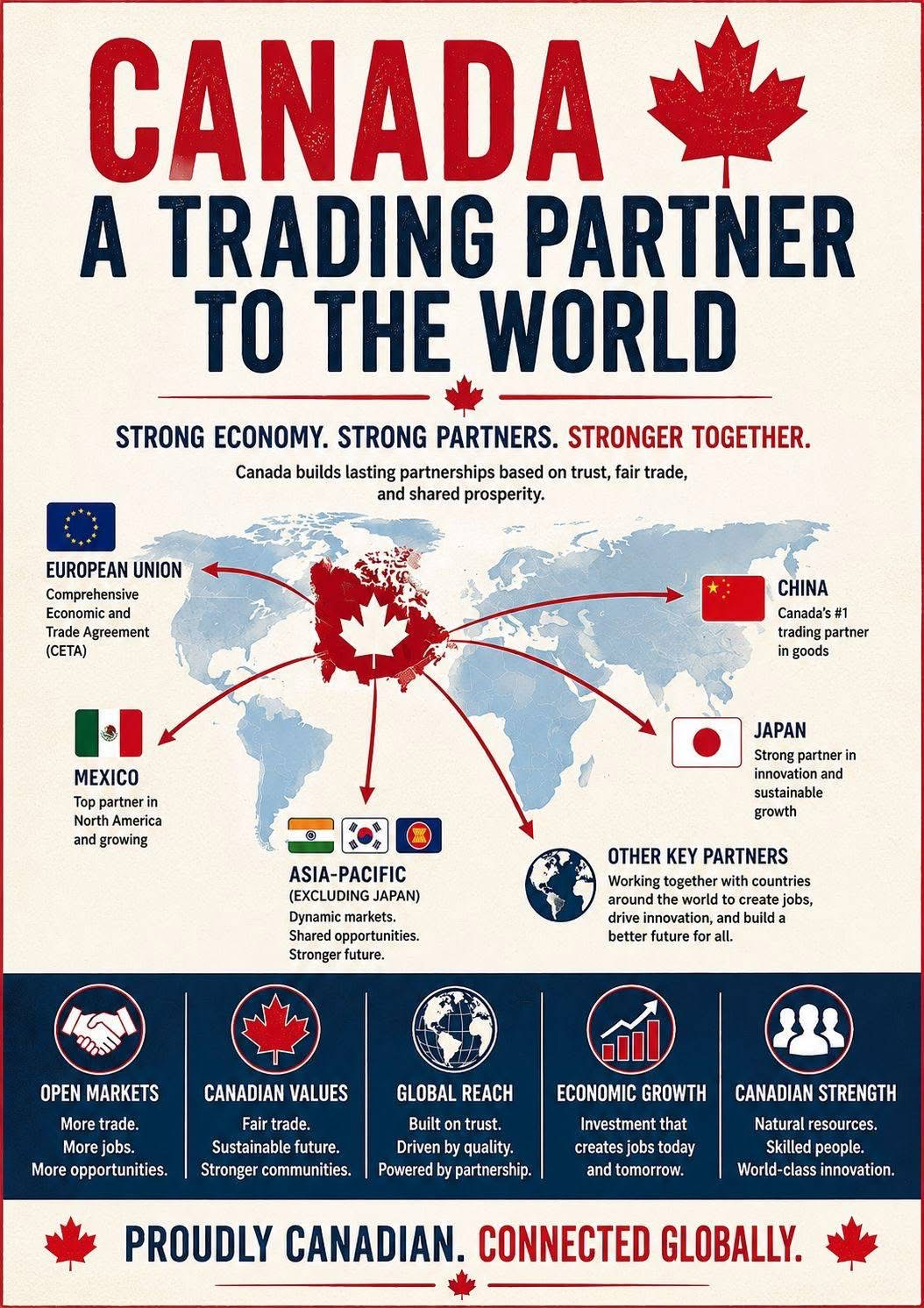
- 3.2Economic Dependence and Diversification: The 75-Percent ProblemIncluded
- 3.3Continental Security: NORAD, Defence Cooperation, and Sovereignty Trade-offsIncluded
- 3.4Border Management, Migration, and Safe Third Country DynamicsIncluded
- 3.5Managing the Elephant: Canadian Strategies for Influence in WashingtonIncluded
Arctic Sovereignty, Climate, and the Circumpolar North
Assesses Canada's legal claims, strategic posture, and governance challenges in the Arctic as climate change and great-power competition intensify.
- 4.1Legal Foundations: UNCLOS, the Northwest Passage Dispute, and Sector ClaimsIncluded
- 4.2Arctic Strategy and Sovereignty: Stewardship, Presence, and ControlIncluded
- 4.3Climate Change as a Geopolitical Force in the ArcticIncluded
- 4.4Great-Power Competition in the Circumpolar North: Russia, China, and NATOIncluded
- 4.5Indigenous Rights, Self-Determination, and the Arctic Governance GapIncluded
Multilateralism, Alliances, and the Limits of Middle-Power Diplomacy
Critically examines Canada's engagement in multilateral institutions and the strategic trade-offs between alliance solidarity and independent positioning.
- 5.1Canada and the UN: Peacekeeping Legacy, Security Council Bids, and ReformIncluded
- 5.2NATO Membership: Burden-Sharing, Eastern Flank Commitments, and the 2% DebateIncluded
- 5.3The G7 and G20: Summit Diplomacy and Agenda-Setting by a Mid-PowerIncluded
- 5.4Trade Multilateralism: WTO, CPTPP, and Canada's Rules-Based Order StakeIncluded
- 5.5Independent Positioning Versus Alliance Loyalty: Case Studies in TensionIncluded
Contemporary Challenges and the Policy Brief Practicum
Applies all seminar frameworks to live statecraft challenges and culminates in the structured production and peer critique of a professional policy brief.
- 6.1Canada–China Relations: Engagement, Decoupling, and Strategic AmbiguityIncluded
- 6.2Emerging Threats: Cyber, Disinformation, and Economic CoercionIncluded
- 6.3Canada's Indo-Pacific Strategy: Pivoting Toward a New TheatreIncluded
- 6.4Policy Brief Workshop: Framing the Problem and Structuring the ArgumentIncluded
- 6.5Peer Critique and Seminar Synthesis: Canada's Grand Strategy in a Volatile World OrderIncluded
Who it's for
Is this you?

Graduate students in IR or political science
Provides the theoretical rigour and Canada-specific case depth needed to produce defensible dissertation chapters and qualifying exam answers.

Government policy analysts
Builds the structured analytical framework — and the policy brief skill set — that translates strategic complexity into actionable government argument.

Diplomats and foreign service officers
Offers a systematic dissection of Canadian statecraft instruments, alliance commitments, and sovereignty trade-offs directly relevant to their daily work.

Foreign policy journalists
Equips reporters to move past press releases and name the structural constraints and strategic logic shaping Canadian decisions.

Defence and security researchers
Delivers serious engagement with NORAD, NATO burden-sharing, Arctic security, and emerging cyber and coercion threats in the Canadian context.

Informed citizens and engaged professionals
For those who follow Canada's role in world affairs closely and want evidence-based analytical tools rather than punditry or talking points.
Questions
Frequently asked
Your teacher
A note from your teacher

Val (Valdas) Samonis
If you have spent time watching Canadian foreign policy coverage and felt that something essential is missing — that the analysis rarely gets beneath the press release, rarely names the structural constraint, rarely explains why Canada ends up in the position it does — then I suspect you already know what this seminar is designed to do.
Canada is a genuinely fascinating strategic case in the 21C world. A mid-power with vast geography, enormous and very diverse resources, and a deeply integrated relationship with the world's pre-eminent state — and yet Canadian grand strategy is rarely analysed with the rigour it deserves. Most commentary treats Canada's foreign policy as a series of discrete decisions rather than what it actually is: the ongoing management of structural constraints, competing institutional loyalties, and a strategic culture that is itself contested. A political refugee in Canada, I built this seminar to change that, and to give serious students the analytical terminology to change it too.
What you will find here is a seminar organized around the logic of a working strategist rather than a textbook survey. We move through theory not as an academic exercise but as a practical toolkit: realism helps you name the power asymmetries; liberalism helps you account for the institutional architecture; constructivism helps you interrogate the national identity narratives that shape what Canadian decision-makers even believe is possible. All three lenses are in play throughout — on the 70-percent economic dependency problem with the sunsetting United States, on the Northwest Passage huge opportunity but also some legal dispute, on the NATO burden-sharing debate, on the Indo-Pacific pivot, on the EU pivot. The goal is structured analytical pluralism, not ideological commitment to any single theoretical framework or model.
I also want to be direct about what this seminar asks of you. The material is dense indeed. The sessions are designed to challenge you to think structurally, to resist the comfort of easy narratives, and to hold complexity without trying to resolve it prematurely. The policy brief practicum at the end is not a formality — it is the test of whether you can take everything the seminar has built and produce an argument that would survive scrutiny at a real policy table. That is a high bar; and I set it deliberately.
If you are a graduate student, a policy analyst, a diplomat, a journalist, or simply a serious citizen who believes that understanding Canada's place in the 21C world order matters — and that understanding it well requires more than good intentions — then this seminar was built for you. Come prepared to argue, to be challenged, and to leave with sharper analytical tools than you arrived with. The world is not getting less volatile. Canada needs people who can think clearly about its position in it. I hope you will be one of them.
— Val (Valdas) Samonis
Start your journey today
Get instant access — learn at your own pace with an AI coach in your corner.
$50/mo
Recurring billing · cancel anytime
Secure checkout · Instant access
- 6 modules, 30 lessons
- AI-adaptive lessons tuned to your level
- Quizzes & checkpoints to lock in progress
- Your own AI learning coach
- Learn on any device, at your pace
- Full access for as long as you're subscribed