Learn to live safely through extreme heat — starting tonight
As extreme heat events reshape daily life worldwide, this school teaches you how to radically rethink your routines, your home, and your community to stay safe, cool, and resilient — drawing bold lessons from how the world adapted during COVID-19.
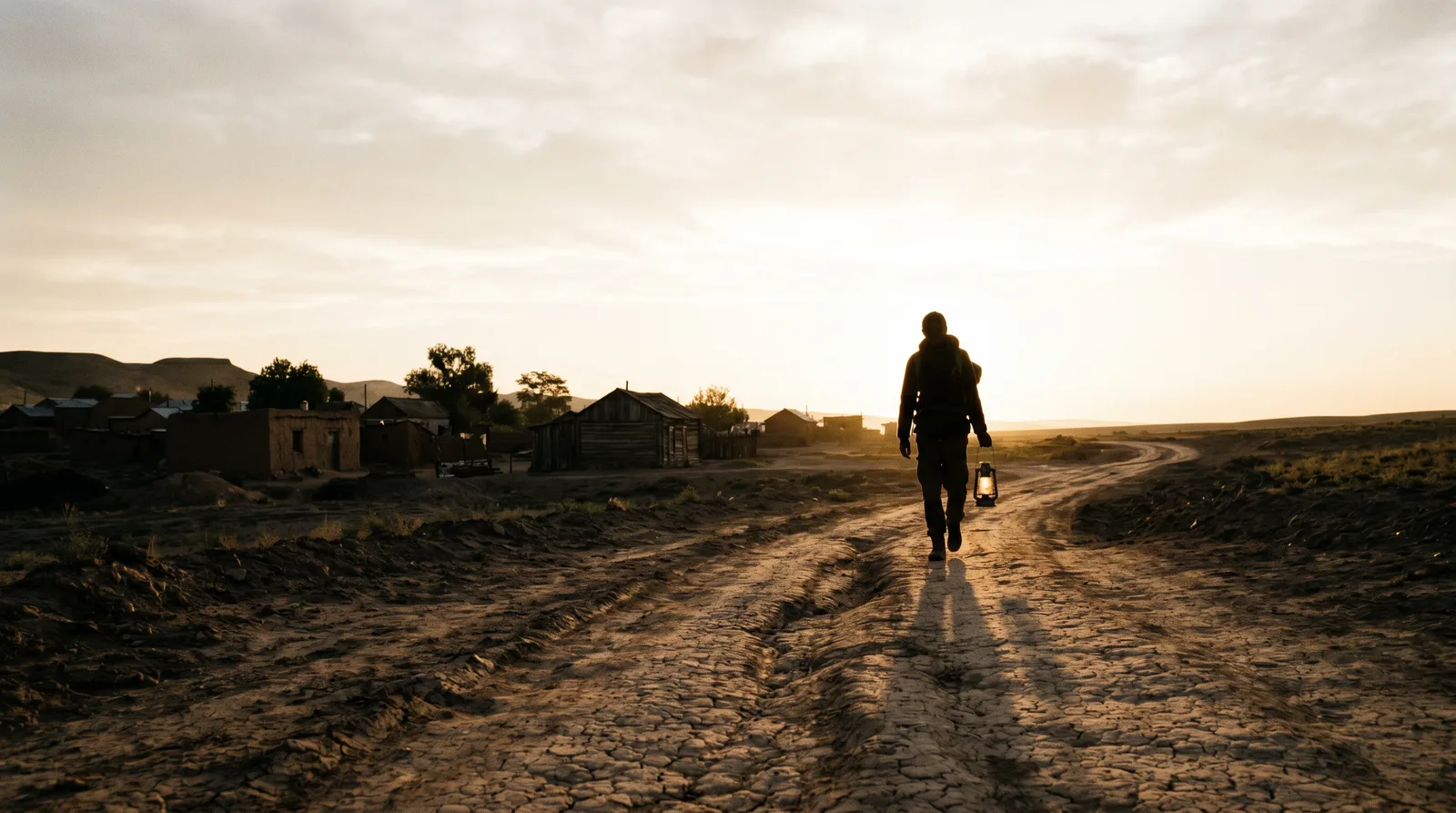
"The heat is not waiting for a perfect plan — so I built this school to give you a good one, right now."— David Clilverd
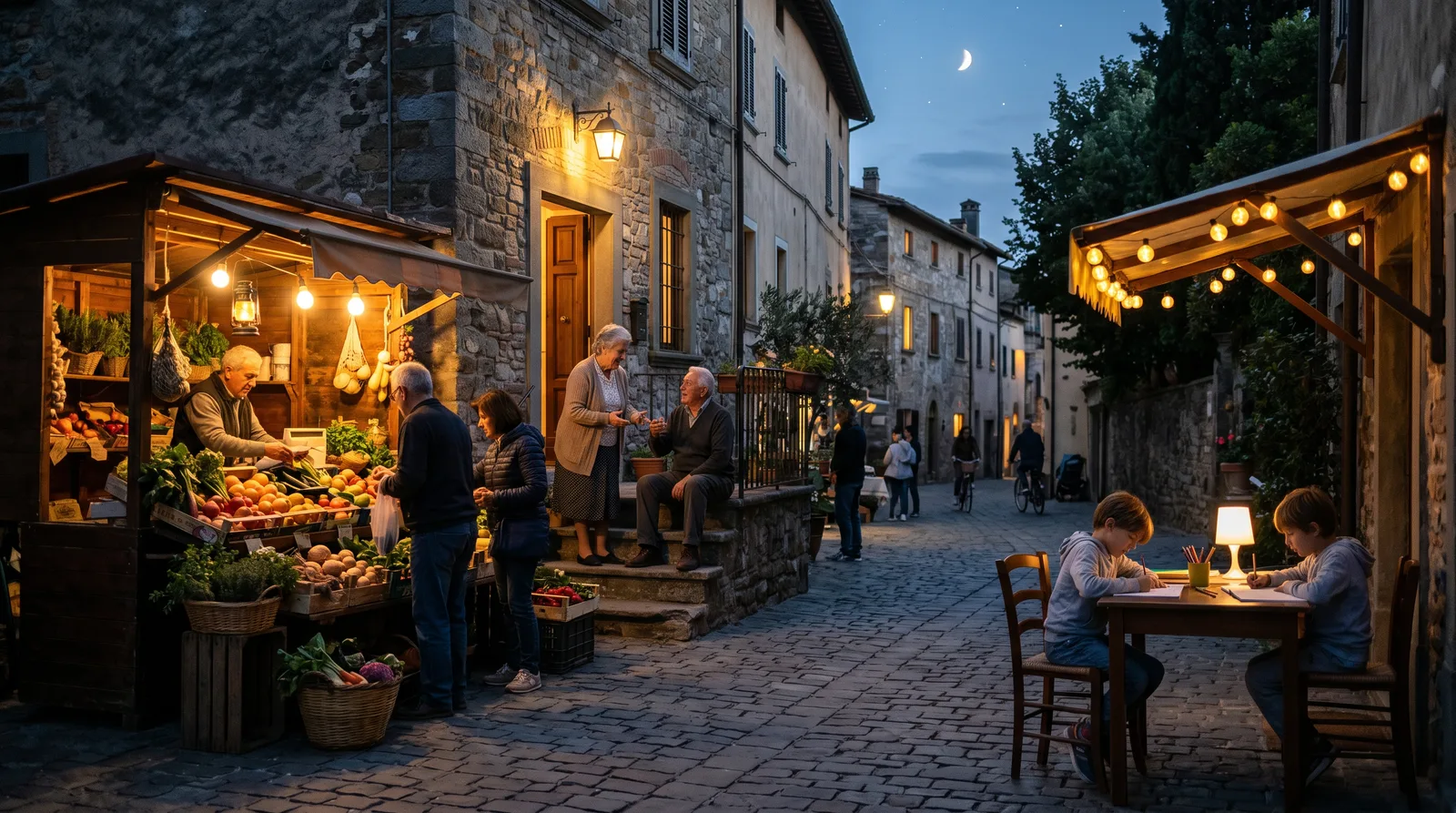
What you'll learn
What you'll be able to do
- Redesign your daily schedule — flipping to nocturnal routines — to avoid peak heat hours and maintain productivity and wellbeing
- Identify and implement practical home cooling measures that require little or no technology, cutting indoor temperatures without air conditioning
- Advocate confidently for night-shifted services in your community — shops, schools, and care homes — using a structured community action template
- Protect the most vulnerable people in your care (elderly relatives, young children) with a personalised heat-safety plan modelled on pandemic-era welfare protocols
- Understand the direct links between fossil fuel use, rapid population growth, deforestation, and accelerating heat events — and communicate them persuasively to others
- Apply a COVID-style collective-action framework to the heat crisis: from lobbying local government for emergency support funds to organising neighbourhood cool-hour networks
How it works
A school that adapts to you
This isn't a set of static videos. Every lesson is generated live and tuned to where you actually are.
We learn your level
A quick placement check tailors your starting point so you're never bored or lost.
Lessons adapt as you go
Each lesson is written for your pace and your goal, adjusting as your skills grow.
Your AI coach keeps you moving
Checkpoints, feedback, and gentle nudges turn progress into a real result.
The curriculum
What's inside your school
6 modules · 19 lessons

Understanding the 2026 Heat Crisis
Establishes the scientific and social foundation for everything that follows. Learners build a shared vocabulary of climate emergency, understand why 2026 is a tipping-point year, and begin to see the heat crisis through the same collective-action lens later applied to pandemic-era responses. This module is intentionally placed first so that every practical skill in subsequent modules rests on solid, evidence-based understanding.
- 1.1El Niño, Climate Change, and Why 2026 Is DifferentIncluded
- 1.2The Human Footprint: Fossil Fuels, Deforestation, and Population GrowthIncluded
- 1.3Heat as a Global Crisis: Learning the Language of EmergencyIncluded
Flipping the Clock — Designing a Nocturnal Routine
Translates the crisis framing into the most radical and immediate personal action: inverting the daily schedule to avoid peak daytime heat. Learners first understand the physiological and environmental science behind nocturnal living, then build and stress-test their own personalised timetables. Placed before the home-cooling module because a working schedule is the frame into which all other practical measures are slotted.
- 2.1The Science of the Night Shift — Why Darkness Is Your AllyIncluded
- 2.2Building Your Personal Nocturnal ScheduleIncluded
- 2.3Nocturnal Life in Practice — Meals, Exercise, Social Wellbeing, and Mental HealthIncluded
Cooling Your Home Without Technology
Equips learners with a full toolkit of low-cost, low-tech passive cooling strategies so that the daytime sleep essential to the nocturnal schedule is genuinely restful and safe. Placed after the schedule module because learners now know exactly which hours they need to keep cool and for whom. This module directly delivers the outcome on cutting indoor temperatures without air conditioning.
- 3.1The Home Heat AuditIncluded
- 3.2Passive Cooling Strategies — Shade, Airflow, and Thermal MassIncluded
- 3.3Preparing the Sleep Space for Daytime RestIncluded
Protecting the Most Vulnerable — Elderly People and Children
Zooms in on the two groups most at risk from extreme heat: older adults (especially those in care homes) and young children (especially during school hours). Learners develop personalised, evidence-based safety plans modelled on pandemic-era welfare protocols. Placed here — after home cooling — because safe shelter is the prerequisite for any vulnerability protocol. This module directly delivers the outcome on personalised heat-safety planning.
- 4.1Heat Risk in Older Adults — Physiology, Warning Signs, and Daily ProtocolsIncluded
- 4.2Children and Heat Safety — Adapted School Hours, Play, and the Nocturnal School ModelIncluded
- 4.3Building a Personalised Heat-Safety Plan for Those in Your CareIncluded
Reshaping Community Services — Shops, Schools, Care Homes, and Night-Time Infrastructure
Scales up from individual and household action to community-level change: advocating for night-shifted services, lobbying government for emergency financial support (as in COVID), and organising neighbourhood networks. Placed after the vulnerability module because learners now have concrete examples (care homes, schools) to anchor their advocacy. This module directly delivers the community advocacy and collective-action outcomes.
- 5.1The COVID Blueprint — What Collective Emergency Response Looks LikeIncluded
- 5.2Advocating for Night-Shifted Services in Your CommunityIncluded
- 5.3Lobbying for Emergency Government SupportIncluded
Rethinking Growth, Consumption, and the Long Game
Zooms out from immediate survival strategies to the systemic changes needed to prevent the next crisis: challenging growth-driven economies, ending fossil fuel subsidies, halting deforestation, and addressing population growth through universal access to contraception. Also synthesises the entire curriculum into a personal Heat Resilience Action Plan. Placed last because systemic advocacy is most effective when grounded in lived experience of the crisis — which all previous modules have built.
- 6.1Beyond Growth — Questioning the Economy That Is Cooking the PlanetIncluded
- 6.2Stopping Deforestation and the Fossil Fuel PipelineIncluded
- 6.3Population, Contraception, and a Sustainable Human FutureIncluded
- 6.4Your Heat Resilience Action Plan — Pulling It All TogetherIncluded
Who it's for
Is this you?

Worried parent
Wants concrete, child-specific heat-safety guidance and a daily routine that keeps the family safe through brutal summers.

Adult carer of elderly relatives
Needs to understand heat risk in older adults and build a personalised safety plan before the next dangerous event strikes.

Community organiser
Ready to mobilise neighbours and advocate for night-shifted services, and needs a structured framework to make it happen.

Local councillor or policymaker
Wants the evidence and language to lobby for emergency heat funds and redesign community services around the new climate reality.

Primary school teacher or educator
Needs to understand the nocturnal school model and protect children during extreme heat while communicating the crisis to parents and staff.
Climate-aware professional
Already convinced the crisis is real and wants actionable personal, household, and community strategies — not more statistics.
Questions
Frequently asked
Your teacher
A note from your teacher
David Clilverd
If you are reading this, you have probably already felt it — a summer that went on too long, a night that never cooled down enough to sleep, a moment when you looked at a forecast and felt something shift in your stomach. You are not being dramatic. The heat is genuinely getting worse, and the official advice — stay indoors, drink water, check on your neighbours — is not enough anymore.
I made this school because I kept seeing the same gap. People understand, in a general way, that extreme heat is dangerous and getting more frequent. But very few of us have been given practical, honest tools for actually living through it — restructuring our days around it, protecting the people we love, and working with our communities to build something more resilient. That gap is what this school tries to close.
The curriculum draws on a simple but powerful insight: we have done this before. When COVID-19 arrived, communities around the world changed their behaviour, reorganised their services, and supported their most vulnerable members faster than anyone thought possible. That was not magic. It was collective action, driven by clear information and a shared sense of responsibility. Extreme heat deserves the same response — and this school gives you a framework for making it happen, from your own bedroom and kitchen all the way to your local council chamber.
You will not find jargon here, or lectures that talk down to you, or false comfort. What you will find is a calm, honest reckoning with what is happening, and a serious set of practical strategies — redesigning your daily schedule, cooling your home without expensive technology, building a personalised safety plan for elderly relatives or young children, and learning how to advocate for night-shifted services in your community. The last module asks the harder questions about growth, consumption, and the kind of future we are building — because resilience that only goes as far as your own front door is not enough.
The heat is not waiting. Neither should you. I am glad you are here.
— David Clilverd
Start your journey today
Join get instant access — learn at your own pace with an AI coach in your corner.
$19/mo
Recurring billing · cancel anytime
Secure checkout · Instant access
- 6 modules, 19 lessons
- AI-adaptive lessons tuned to your level
- Quizzes & checkpoints to lock in progress
- Your own AI learning coach
- Learn on any device, at your pace
- Full access for as long as you're subscribed