Understand the population crisis before it's too late
A data-driven, unflinching school on overpopulation, climate collapse, and the bold global solutions — including universal contraception access — that could still turn the tide.
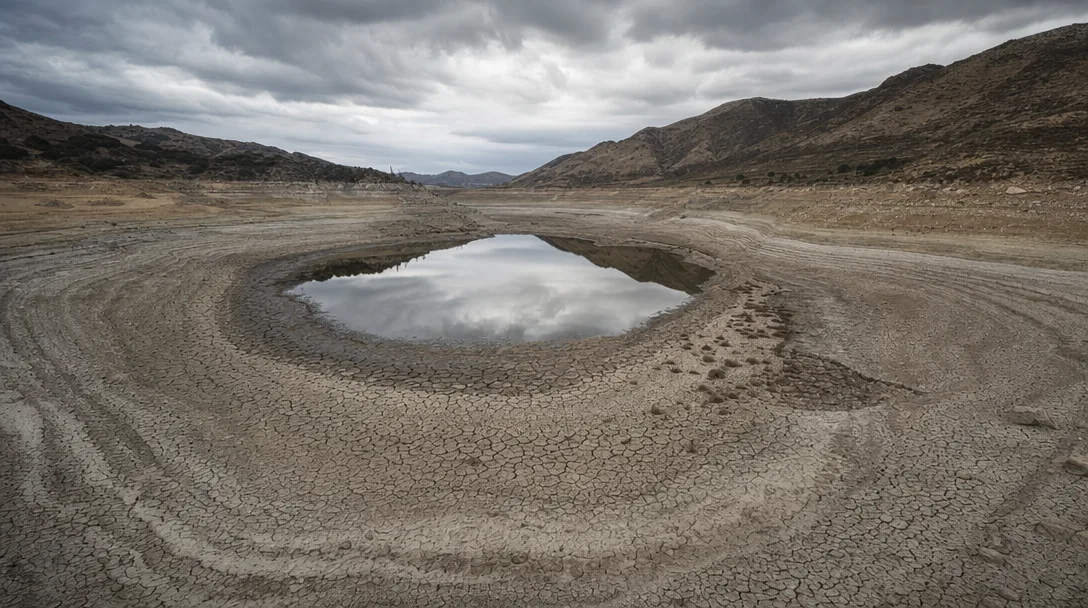
"The pond is dying — but we have the medicine; we just need the courage to use it."— David Clilverd
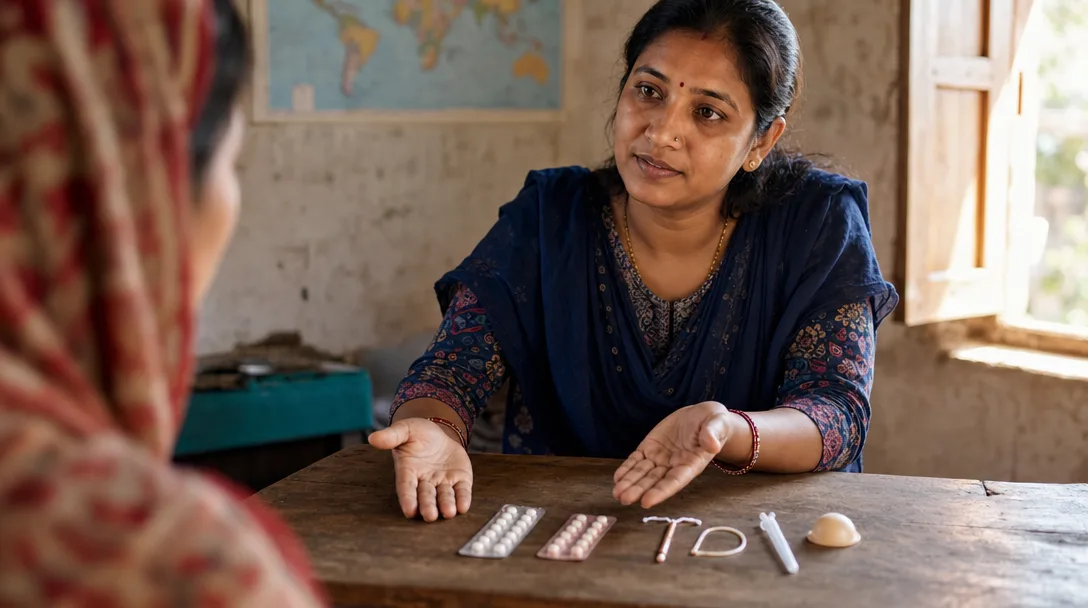
What you'll learn
What you'll be able to do
- Explain the direct causal links between population growth, resource depletion, and accelerating climate breakdown using real data from 1970 to today
- Critically assess the political, cultural, and religious forces that have suppressed population policy from mainstream climate debate
- Make a confident, evidence-based case for universal free contraception as a humanitarian and ecological intervention
- Read and interpret key demographic indicators — fertility rates, carrying capacity, ecological footprint — and apply them to current events
- Identify the regions and communities most acutely at risk from the intersection of high fertility rates and climate vulnerability
- Engage constructively in one of the most sensitive conversations of our time — without resorting to coercion, alarmism, or eco-fascism
How it works
A school that adapts to you
This isn't a set of static videos. Every lesson is generated live and tuned to where you actually are.
We learn your level
A quick placement check tailors your starting point so you're never bored or lost.
Lessons adapt as you go
Each lesson is written for your pace and your goal, adjusting as your skills grow.
Your AI coach keeps you moving
Checkpoints, feedback, and gentle nudges turn progress into a real result.
The curriculum
What's inside your school
6 modules · 17 lessons

The Pond in Numbers: Population Growth and Planetary Limits
Establish the empirical foundation of the course. Students confront the raw data of human population growth from 1970 to 2026 — from 3.5 billion to 8.5 billion — and map it against the planet's measurable carrying capacity. This module builds the quantitative literacy needed for every argument that follows.
- 1.15 Billion to 8.5 Billion: What the Numbers Actually MeanIncluded
- 1.2Carrying Capacity: How Many People Can Earth Actually Hold?Included
- 1.3Reading the Dashboard: Fertility Rates, Replacement Level, and Demographic MomentumIncluded
The Dying Pond: Population Growth Meets Climate Collapse
Draw direct, evidence-based causal lines between population growth, resource depletion, and climate breakdown. Students move beyond correlation to mechanism — understanding precisely how more people, consuming more, at accelerating rates, is destabilising the planetary systems on which all life depends.
- 2.1More People, More Carbon: Tracing the Emission PathwaysIncluded
- 2.2Water, Food, Land: The Resource Depletion CascadeIncluded
- 2.3The Front Lines: Which Regions Bear the Heaviest Burden?Included
The Silenced Debate: Why Population Is the Climate Conversation No One Will Have
Critically examine the political, cultural, religious, and historical forces that have kept population from the centre of climate and sustainability policy. Students engage honestly with the reasons this conversation is avoided — including its dark history — and develop the analytical tools to reopen it responsibly.
- 3.1The Ghost of Eugenics: Why Population Policy Became ToxicIncluded
- 3.2Religion, Nationalism, and the Pro-Natalist PushbackIncluded
- 3.3Why Climate Movements Have Avoided the Population QuestionIncluded
The Contraception Solution: Evidence, Access, and Advocacy
Make the affirmative, evidence-based case for universal free contraception as both a humanitarian right and an ecological intervention. Students move from critique to solution — understanding the data on unmet contraceptive need, the cost-effectiveness of family planning investment, and what a truly voluntary global programme would look like.
- 4.1The Unmet Need: 218 Million Women and the Contraception GapIncluded
- 4.2Girls in School, Women in Power: The Demographic Transition in ActionIncluded
- 4.3Free Contraception for All: What a Global Programme Would Actually Look LikeIncluded
Talking About the Unspeakable: Ethics, Language, and Advocacy
Equip students to engage in this conversation with precision, ethical clarity, and rhetorical skill — without sliding into coercion, alarmism, or eco-fascism. This module is about intellectual integrity and the practice of difficult public discourse.
- 5.1The Language Minefield: Words That Open Doors and Words That Close ThemIncluded
- 5.2Eco-Fascism, Coercion, and the Lines That Must Never Be CrossedIncluded
- 5.3Making the Case: Confident, Evidence-Based, and PersuasiveIncluded
What Comes Next: Policy, Movement-Building, and Personal Action
Translate understanding into agency. Students survey the existing policy landscape, identify the levers that could actually move the needle on population and climate, and leave the course with a concrete personal action plan — as advocates, voters, professionals, or citizens.
- 6.1The Policy Landscape: What Exists, What Works, What's MissingIncluded
- 6.2From Awareness to Action: Your Role in the ConversationIncluded
Who it's for
Is this you?

The Alarmed Activist
An environmental campaigner who suspects population is the missing variable in every climate conversation they're having.

The Policy Student
A university student in politics, geography, or development studies who needs rigorous demographic grounding for their thesis or career.

The Reproductive Rights Advocate
A healthcare or NGO worker who wants the ecological evidence to strengthen the case for universal contraception access.

The Concerned Parent
A parent who looks at the world their children will inherit and wants honest answers, not reassuring platitudes.

The Science Educator
A teacher or science communicator searching for a responsible, data-led framework to bring population ecology into the classroom.

The Deep Thinker
A philosophically minded reader of the e-book who wants to go further than the pages and engage with the data and debates interactively.
Questions
Frequently asked
Your teacher
A note from your teacher
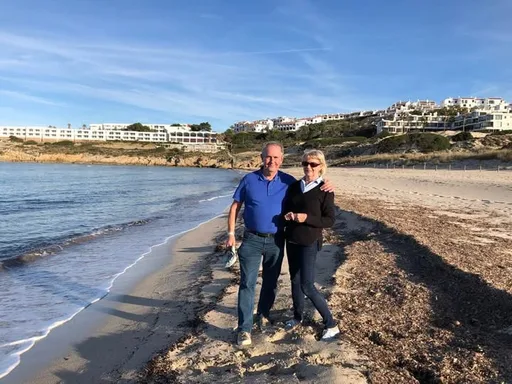
David Clilverd
If you've picked up this page, there's a good chance you already feel it — that low, persistent unease when you read about wildfires, dying reefs, collapsing fisheries, and record heat. You care. You recycle, maybe you've gone plant-based, maybe you march. And yet the numbers keep getting worse.
I wrote The Dying Pond because I couldn't find a single book that looked the population question squarely in the eye without either flinching into vagueness or lurching into something ugly and coercive. The data is not subtle: in 1970 we were 3.5 billion people. In 2026 we are 8.5 billion. Every resource curve, every extinction curve, every temperature curve bends in the same direction at the same time. That is not a coincidence.
But here's what the doom-and-gloom crowd gets wrong: this is solvable. Not with authoritarianism. Not with cruelty. With contraception. Freely available, universally accessible contraception — combined with girls' education and women's economic empowerment — has brought birth rates down in every single country where it has been seriously deployed. We are not short of a solution. We are short of the political will to implement it.
That's what this school is really about. Not panic. Not guilt. Clarity. I want you to leave here able to hold this conversation at a dinner table, in a council chamber, or in a lecture hall — with evidence, with nuance, and with genuine hope for the living world.
This is not comfortable material. But I promise it is necessary — and I'll be with you every step of the way.
— David Clilverd
Start your journey today
Join get instant access — learn at your own pace with an AI coach in your corner.
- 6 modules, 17 lessons
- AI-adaptive lessons tuned to your level
- Quizzes & checkpoints to lock in progress
- Your own AI learning coach
- Learn on any device, at your pace
- Full access for as long as you're subscribed