Learn to read the hidden language the world is always speaking
Unlock the hidden language of symbols — through tarot, dreams, runes, and myth — and learn to read meaning everywhere life speaks in images. A grounded, Jungian-inspired practice for curious beginners.
"I won't tell you what your symbols mean — I'll teach you how to ask better questions of them."
— Carla Paton
What you'll learn
What you'll be able to do
- Distinguish universal archetypes from personal symbols and explain why the difference matters in interpretation
- Read a tarot card intuitively using observation and archetypal thinking — without rote memorisation
- Keep a structured symbol journal that tracks dreams, images, and tarot draws as a living personal document
- Decode the symbolism in a dream sequence using Jungian active-imagination techniques
- Interpret the core meanings of the Elder Futhark runes and apply them to reflective writing prompts
- Assemble a personalised Symbol Dictionary that integrates tarot, runes, dreams, and mythology into a coherent lifelong practice
How it works
A school that adapts to you
This isn't a set of static videos. Every lesson is generated live and tuned to where you actually are.
We learn your level
A quick placement check tailors your starting point so you're never bored or lost.
Lessons adapt as you go
Each lesson is written for your pace and your goal, adjusting as your skills grow.
Your AI coach keeps you moving
Checkpoints, feedback, and gentle nudges turn progress into a real result.
The curriculum
What's inside your school
6 modules · 24 lessons

What Is a Symbol?
Establishes the conceptual and psychological foundation for the entire course. Students learn the difference between universal archetypes and personal symbols — a distinction they will apply in every subsequent module — and discover why symbolic language is the shared grammar of myths, stories, dreams, tarot, and runes. This module must come first: all later interpretive work depends on these definitions.
- 1.1Universal vs. Personal SymbolsIncluded
- 1.2Jung and the ArchetypesIncluded
- 1.3Why Symbolic Language? Stories, Myths, Dreams, Tarot, and RunesIncluded
- 1.4Exercises in Everyday Symbolic ThinkingIncluded
Reading Images
Builds the core interpretive skill — careful, layered observation — before any formal symbolic system is introduced. Students learn to sit with an image, resist premature meaning-making, and then apply archetypal thinking as a structured lens. The symbol journal, introduced here, will be used continuously through every remaining module. This module bridges abstract concepts (Module 1) to the first concrete system (Module 3: Tarot).
- 2.1How to Observe Before You InterpretIncluded
- 2.2Symbol Journaling: Building the PracticeIncluded
- 2.3Working with Public-Domain ArtworkIncluded
- 2.4Introduction to Archetypal Thinking as an Interpretive MethodIncluded
Tarot as a Symbolic System
Introduces the tarot deck as a structured, learnable symbolic language rather than a fortune-telling tool. Students discover the deck's architecture, trace the Fool's Journey as a map of archetypal experience, and — crucially — practise reading cards through observation and archetypal thinking rather than memorised keywords. Every skill from Modules 1 and 2 is applied here. The public-domain Rider–Waite–Smith deck is used throughout so students can legally reproduce and annotate images.
- 3.1The Architecture of the Tarot DeckIncluded
- 3.2The Major Arcana and the Fool's JourneyIncluded
- 3.3Reading Cards Without Memorising MeaningsIncluded
- 3.4Building a Personal Tarot Reading PracticeIncluded
Dreams and Active Imagination
Turns the student's own unconscious material into primary source text. Students learn to capture, map, and decode dream symbols using Jungian active-imagination techniques — entering an image rather than only analysing it from the outside. The personal associations vs. archetypal meanings distinction (Module 1) is tested here against the student's most intimate symbolic material. Dream journal entries feed directly into the Symbol Dictionary in Module 6.
- 4.1Capturing and Mapping Dream SymbolsIncluded
- 4.2Personal Associations vs. Archetypal Dream MeaningsIncluded
- 4.3Active Imagination: Entering the ImageIncluded
- 4.4Reflective Journaling and Creative Response to DreamsIncluded
Introduction to Runes
Introduces the Elder Futhark as both a historical writing system and a rich symbolic language. Students learn the cultural and mythological context that gives the runes meaning, study all 24 runes systematically without rote memorisation, and apply them through journaling and creative writing. The same observation-and-association method used with tarot cards is applied here, reinforcing transferable interpretive skills. Directly delivers the 'interpret Elder Futhark runes and apply them to reflective writing' outcome.
- 5.1Historical and Mythological BackgroundIncluded
- 5.2The Elder Futhark: Symbolism of the 24 RunesIncluded
- 5.3Rune Journaling PracticeIncluded
- 5.4Rune-Inspired Creative WritingIncluded
Creating Your Personal Symbol Dictionary
The capstone module: students assemble everything generated across the course — tarot annotations, dream journal entries, rune reference sheets, active-imagination records, mythological notes, and public-domain image collections — into a coherent, personalised Symbol Dictionary. This is not a glossary but a living document: a lifelong interpretive companion. The module addresses both the craft of building it and the reflective practice of sustaining it after the course ends. Directly delivers the final course outcome.
- 6.1Gathering and Organising Your Symbolic MaterialIncluded
- 6.2Writing Your Dictionary EntriesIncluded
- 6.3Integrating Tarot, Runes, Dreams, and Mythology into One PracticeIncluded
- 6.4Building a Lifelong Symbolic PracticeIncluded
Who it's for
Is this you?

The Curious Journaller
You've kept notebooks for years and want a structured, intellectually serious framework for turning your reflective writing into genuine symbolic practice.
The Intuitive Tarot Beginner
You own a deck, feel drawn to the imagery, and want to learn to read it through observation and archetypal thinking rather than memorising keyword lists.
The Dream-Watcher
Your dreams are vivid and persistent, and you want practical Jungian tools — active imagination, symbolic mapping — to actually work with them.
The Mythology Enthusiast
You've always loved myths, folklore, and runes, and you're looking for a framework that connects that passion to a meaningful daily inner practice.
The Lapsed Psychologist
You have some background in psychology or self-development and want to explore the Jungian, archetypal dimension you never got in formal study.
The Meaning-Seeker
You've felt that life speaks in patterns and images, and you want a grounded, non-dogmatic practice for learning to listen and respond.
Questions
Frequently asked
Your teacher
A note from your teacher
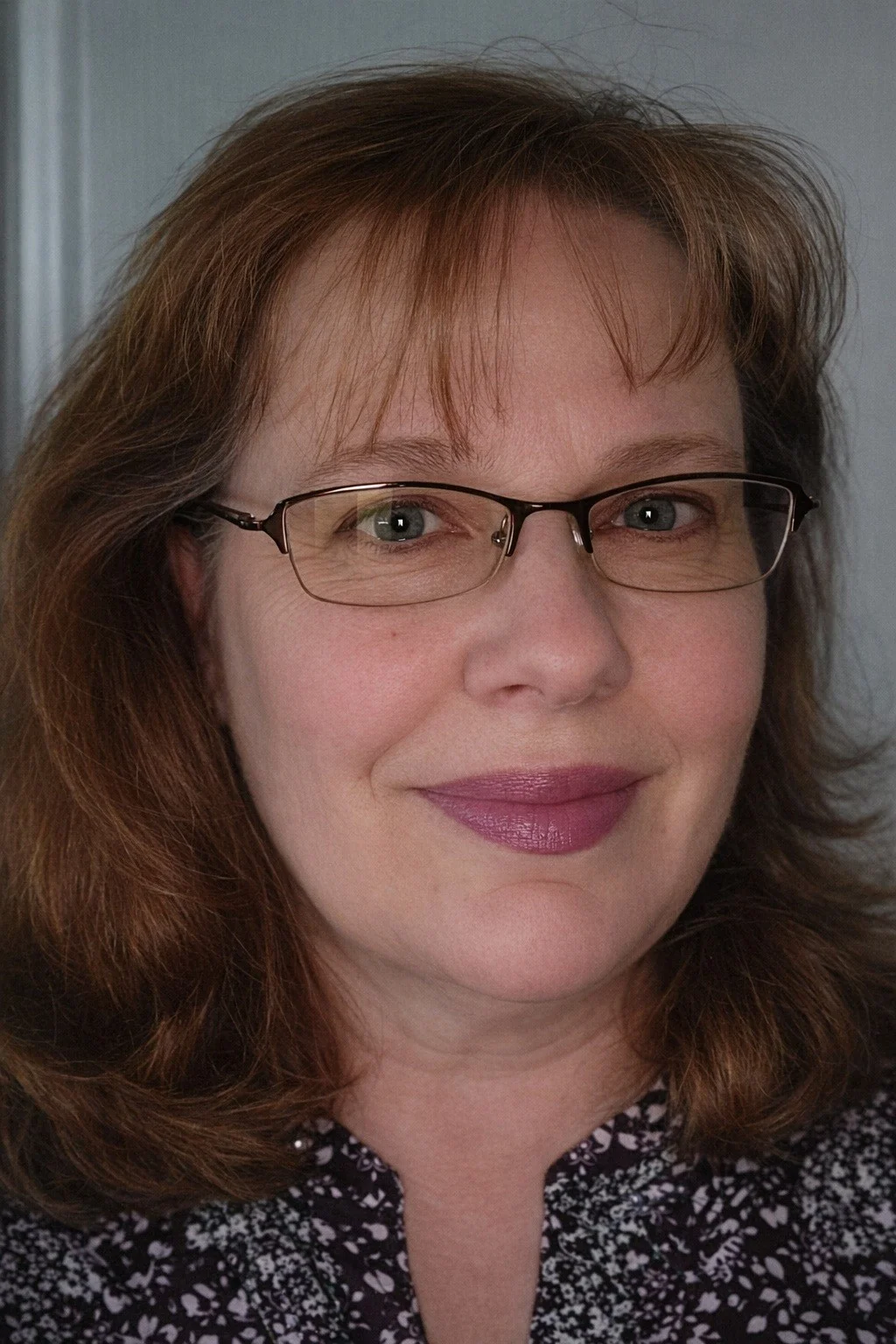
Carla Paton
Maybe you've had a dream that stayed with you for days — vivid, strange, clearly about something — and you didn't know what to do with it except let it fade. Or you've been drawn to tarot without quite being able to explain why, sensing there's a depth to the imagery that a quick keyword guide doesn't touch. Or you've found yourself noticing the same symbol appearing in a book, a conversation, a piece of art — and wondered whether that repetition means something, or whether you're just pattern-matching into thin air.
If any of that sounds familiar, I want you to know: that pull you're feeling is real, and it's worth following. The reason those experiences feel significant is that symbolic language is genuinely one of the oldest and most sophisticated ways human beings have ever made sense of inner life. Jung spent decades mapping it. Myths encoded it for thousands of years before that. The tarot, the runes, the dream — these aren't superstitions. They're technologies of reflection, and learning to use them changes how you see.
What this course gives you is a framework — grounded, non-dogmatic, and built for people who take ideas seriously without needing them to be rigidly systematic. We'll start at the foundation: what a symbol actually is, how archetypal patterns differ from personal associations, and why that distinction is the key that unlocks good interpretation. Then we'll move through tarot as a symbolic architecture, dream-work using Jungian active imagination, the Elder Futhark runes and their mythological roots, and finally the practice of building your own personalised Symbol Dictionary — a living document that integrates everything you've encountered.
I won't tell you what your symbols mean. What I'll do is teach you how to ask better questions of them — how to slow down, observe carefully, sit with ambiguity, and gradually build a relationship with your own symbolic language that no fixed keyword list could replicate. That's the practice, and it's one that genuinely deepens over a lifetime.
If you're ready to bring that same careful, curious attention you already give to books and ideas and the occasional haunting dream into an actual structured practice — I'd be glad to guide you through it. Everything you need to begin is already here.
— Carla Paton
Start your journey today
Get instant access — learn at your own pace with an AI coach in your corner.
$19/mo
Recurring billing · cancel anytime
Secure checkout · Instant access
- 6 modules, 24 lessons
- AI-adaptive lessons tuned to your level
- Quizzes & checkpoints to lock in progress
- Your own AI learning coach
- Learn on any device, at your pace
- Full access for as long as you're subscribed