Turn stress from a threat into a skill
Learn the modern science of stress — and apply a personalized, evidence-grounded toolkit drawn from clinical therapy, mindfulness, body-based techniques, and carefully evaluated complementary approaches — so chronic pressure stops running your life.

"I'll always tell you what the evidence actually says — and trust you to do something real with that knowledge."
— G. Timothy Marte, PsyM, CPLC, PGC

What you'll learn
What you'll be able to do
- Explain the physiology of stress — including the stress response, allostatic load, and how chronic stress drives physical and mental health risks.
- Identify your personal stress triggers, early warning signs, and modern stressors such as digital overload and eroded work-life boundaries.
- Apply core skills from CBT, ACT, Mindfulness-Based Stress Reduction (MBSR), and self-compassion practices in everyday situations.
- Use body-based regulation techniques — diaphragmatic breathing, progressive muscle relaxation, grounding, and HRV biofeedback — to calm the nervous system on demand.
- Critically evaluate complementary approaches — yoga, tai chi, acupuncture, massage, aromatherapy, and herbal supplements — weighing evidence quality, safety, and medication interactions.
- Build a personalized, adaptable Stress Management Toolkit with measurable goals, technology guidelines, and a clear plan for handling setbacks and knowing when to seek professional help.
How it works
A school that adapts to you
This isn't a set of static videos. Every lesson is generated live and tuned to where you actually are.
We learn your level
A quick placement check tailors your starting point so you're never bored or lost.
Lessons adapt as you go
Each lesson is written for your pace and your goal, adjusting as your skills grow.
Your AI coach keeps you moving
Checkpoints, feedback, and gentle nudges turn progress into a real result.
The curriculum
What's inside your school
6 modules · 27 lessons

Understanding Stress in the Modern World
Establishes the biological, psychological, and social foundations of stress so learners can explain what stress is, why it builds, and why today's pressures demand updated tools.
- 1.1The Stress Response: From Survival Circuit to Chronic BurdenIncluded
- 1.2Allostatic Load and the Long-Term Cost of Chronic StressIncluded
- 1.3Modern Stressors: Digital Overload, AI Disruption, and Blurred BoundariesIncluded
- 1.4Your Personal Stress Profile: Triggers, Patterns, and Early Warning SignsIncluded
Clinical Foundations: Cognitive and Acceptance-Based Therapies
Teaches learners to apply core CBT and ACT skills — thought challenging, cognitive reframing, defusion, and values clarification — to real-life stress situations.
- 2.1CBT Basics: Spotting and Challenging Stress-Fueling ThoughtsIncluded
- 2.2Behavioral Activation and Problem-Solving Under PressureIncluded
- 2.3Acceptance and Commitment Therapy: Defusion and Psychological FlexibilityIncluded
- 2.4Values Clarification and Committed ActionIncluded
- 2.5Self-Compassion as a Clinical SkillIncluded
Mindfulness-Based Approaches
Delivers the core skills of MBSR and related mindfulness practices, building a sustainable daily mindfulness habit grounded in honest evidence.
- 3.1What Mindfulness Is (and Isn't): Evidence and ExpectationsIncluded
- 3.2Formal Practices: Body Scan, Breath Awareness, and Sitting MeditationIncluded
- 3.3Informal Mindfulness: Weaving Awareness into Daily LifeIncluded
- 3.4Mindful Use of Digital TechnologyIncluded
Body-Based and Nervous System Regulation Techniques
Equips learners with somatic and physiological tools — breath, muscle relaxation, grounding, and biofeedback — to regulate the nervous system on demand.
- 4.1Breath as a Regulator: Diaphragmatic and Paced BreathingIncluded
- 4.2Progressive Muscle Relaxation and Body Scanning for Tension ReliefIncluded
- 4.3Grounding Techniques for Acute Stress and OverwhelmIncluded
- 4.4HRV Biofeedback: Using Your Heart Rate to Train ResilienceIncluded
Complementary and Traditional Approaches: Evidence, Safety, and Practice
Critically evaluates yoga, tai chi, acupuncture, massage, aromatherapy, and herbal and nutritional approaches — weighing evidence quality, safety, and real-world applicability.
- 5.1How to Read the Evidence: Evaluating Complementary Therapy ResearchIncluded
- 5.2Yoga and Tai Chi / Qigong: Movement-Based Stress RegulationIncluded
- 5.3Acupuncture and Massage Therapy: Touch-Based ApproachesIncluded
- 5.4Aromatherapy and Herbal Supplements: Promise, Limits, and SafetyIncluded
- 5.5Nutrition, Sleep, and Exercise as Stress ModulatorsIncluded
Technology, Personalization, and Your Long-Term Toolkit
Synthesizes everything into a personalized, adaptable Stress Management Toolkit — including thoughtful use of wearables and apps, setback planning, and knowing when to seek professional help.
- 6.1Wearables, Apps, and AI Tools: Benefits, Limits, and PrivacyIncluded
- 6.2Designing Your Personal Stress Management ToolkitIncluded
- 6.3Setting Measurable Goals and Tracking ProgressIncluded
- 6.4Planning for Setbacks: Relapse Prevention and Adaptive CopingIncluded
- 6.5When to Seek Professional Help: Recognizing Clinical ThresholdsIncluded
Who it's for
Is this you?

The burned-out professional
She's high-functioning on the outside and running on empty on the inside — and she needs a rigorous, practical framework, not another wellness platitude.
The digitally overwhelmed manager
Constant pings, back-to-back meetings, and zero recovery time have made him reactive and exhausted — the digital overload and nervous system regulation modules were made for him.

The curious self-improver
She's read about mindfulness and CBT but wants to understand the science behind them and build something more coherent than a patchwork of tips.

The wellness practitioner
A coach or yoga teacher who wants an evidence-literate framework — including how to evaluate complementary therapy research and recognize when to refer clients to clinical care.
The caregiver navigating chronic load
Years of putting others first have taken a quiet toll — she's ready to understand allostatic load, recognize her own warning signs, and build recovery into daily life.

The early-career professional
He's entering a high-pressure field and wants to build real stress skills now — before burnout becomes the lesson — rather than learning them the hard way.
Questions
Frequently asked
Your teacher
A note from your teacher
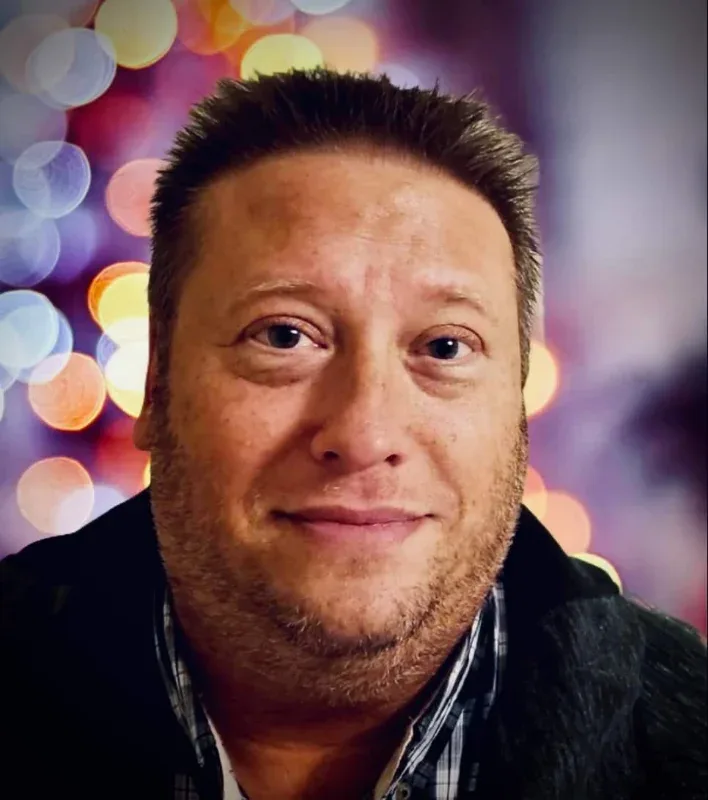
G. Timothy Marte, PsyM, CPLC, PGC
If you're reading this, chances are you already know something is off. Maybe it's the low-level hum of tension that never quite goes away. Maybe it's the 11 p.m. inbox checks you keep promising yourself you'll stop, or the way a difficult conversation at work can hijack the rest of your day. You've probably tried things — a meditation app, a productivity system, a weekend away — and found that the relief, when it came, didn't last.
I want to be honest with you about why that happens, because I think you deserve a real answer rather than another reassurance. Stress is a biological system with a logic of its own. When it becomes chronic — when the threat signals keep arriving faster than your nervous system can recover — it changes how you think, how you feel, and eventually how your body functions. No app or weekend is going to recalibrate that on its own. What does work is understanding the system and building a set of skills that address it at multiple levels simultaneously. That's what this school is designed to help you do.
Everything here is grounded in the clinical and scientific literature — and I mean that precisely. CBT, ACT, and Mindfulness-Based Stress Reduction are among the most well-studied behavioral interventions in existence, and you'll learn not just what to do with them but why the evidence supports them and how to apply the core techniques in your daily life. For body-based regulation — breathing, progressive muscle relaxation, HRV biofeedback — we go into the physiology, so the practice makes sense rather than just feeling like something you're supposed to do.
I'm equally committed to intellectual honesty about the areas where the evidence is thinner. Complementary approaches — yoga, acupuncture, herbal supplements, aromatherapy — are enormously popular, and some have meaningful support; others have real safety considerations that rarely get discussed clearly. I'll give you the tools to evaluate the research yourself, weigh the trade-offs, and make your own informed decisions. That's not skepticism for its own sake — it's respect for your ability to think critically about your own health.
By the time you finish, you won't just have a collection of techniques. You'll have a personalized, adaptive Stress Management Toolkit with measurable goals, a plan for technology use, and a clear framework for handling setbacks — because setbacks are part of any real resilience plan, not evidence that you've failed. And you'll know exactly what signs to watch for that indicate it's time to seek professional support rather than go it alone.
This isn't a course about thinking more positively or stressing less. It's about understanding stress more accurately, responding to it more skillfully, and building the kind of durable resilience that holds up in the actual pressures of modern life. I'd be glad to help you build that.
— G. Timothy Marte, PsyM, CPLC, PGC
Start your journey today
Get instant access — learn at your own pace with an AI coach in your corner.
$59/mo
Recurring billing · cancel anytime
Secure checkout · Instant access
- 6 modules, 27 lessons
- AI-adaptive lessons tuned to your level
- Quizzes & checkpoints to lock in progress
- Your own AI learning coach
- Learn on any device, at your pace
- Full access for as long as you're subscribed