Know what you're voting on — before you vote
West Virginia Informed gives every West Virginian plain-English explainers on the healthcare, education, economic, and social issues that actually shape your life — no party line, no spin, just the facts you need to vote with confidence.
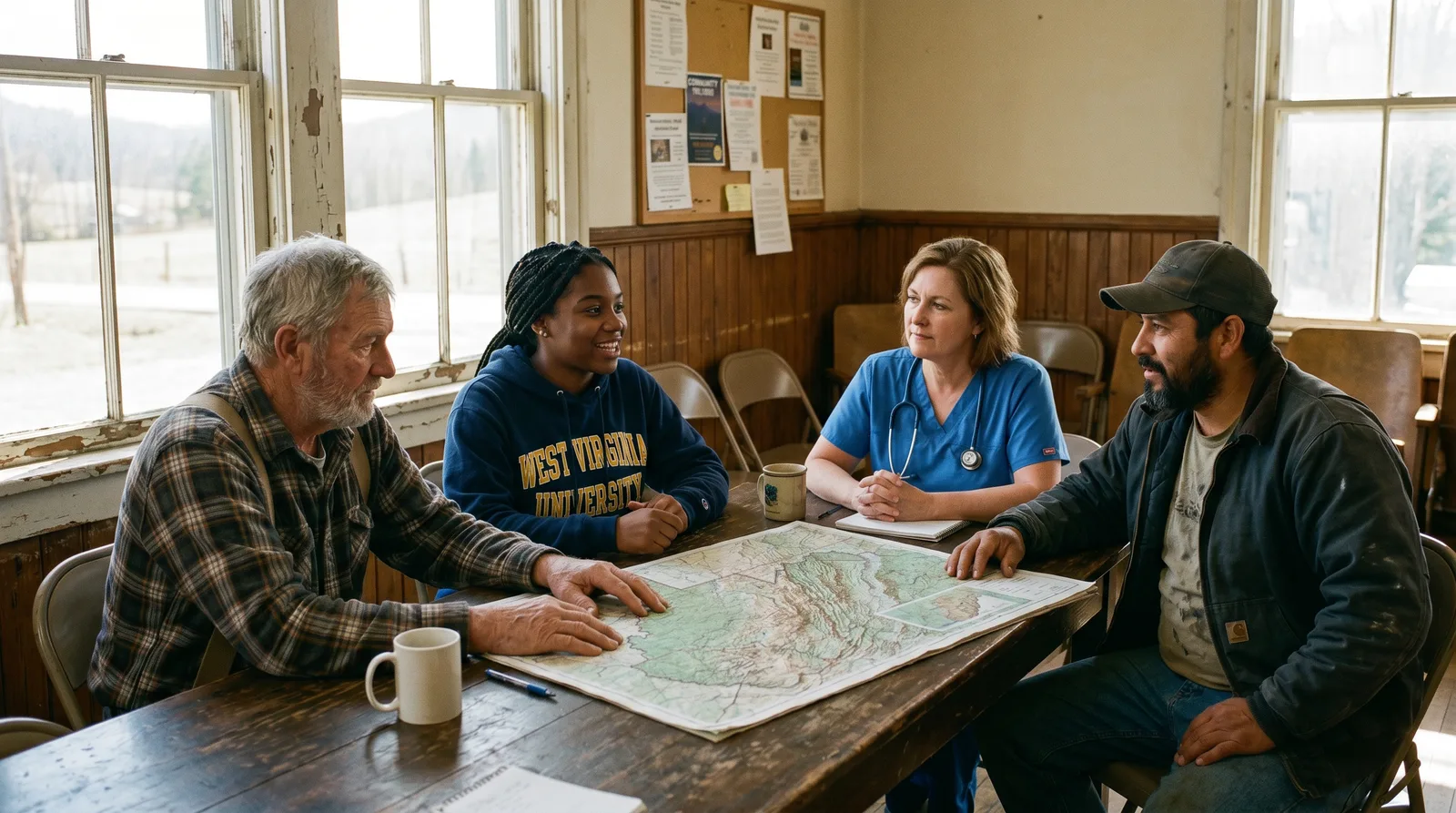
I built this because every West Virginian — no matter where they live or how busy their week is — deserves to walk into the voting booth knowing exactly what they're deciding.— Anthony Peter Dasaro
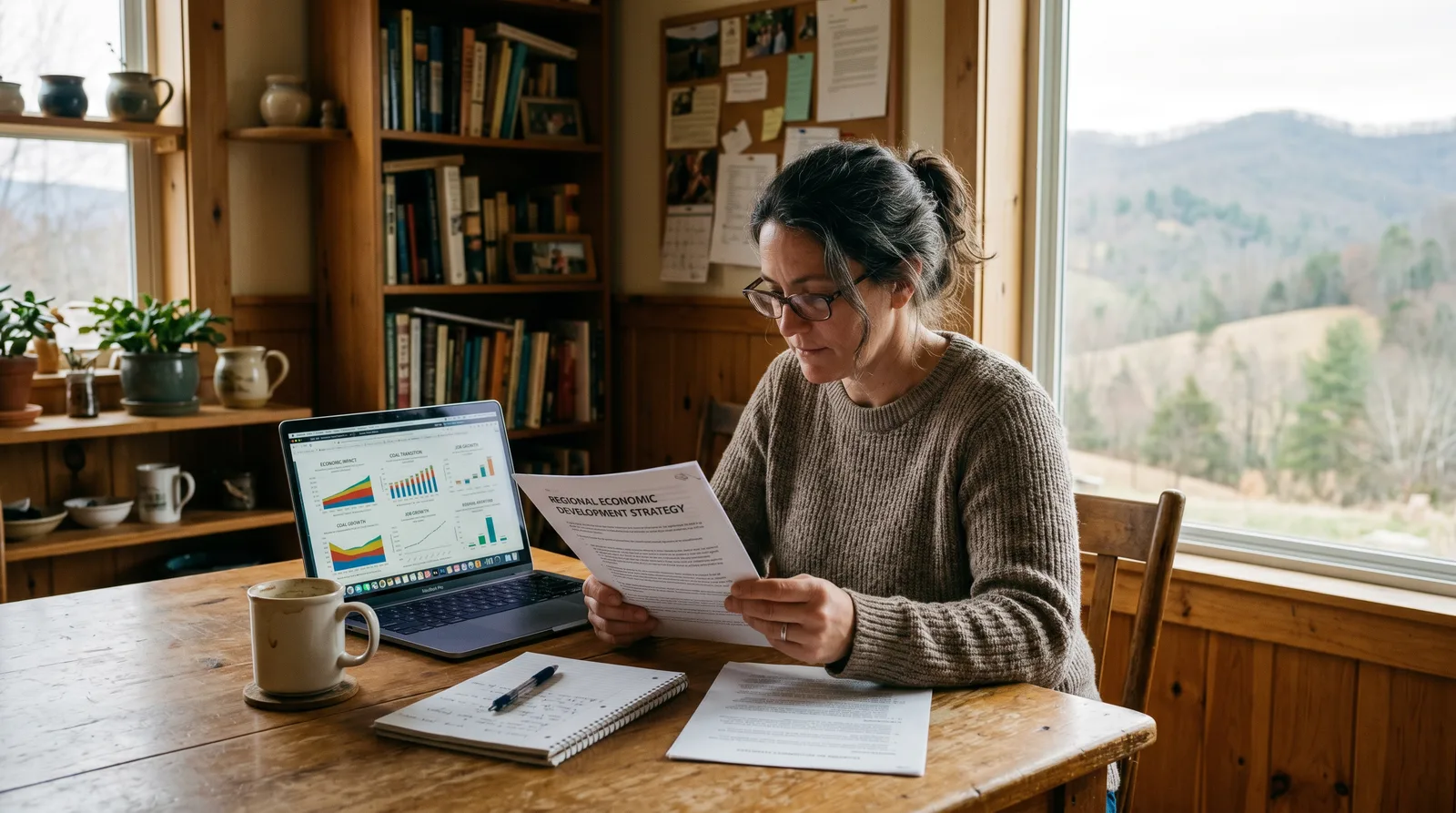
What you'll learn
What you'll be able to do
- Explain how West Virginia's healthcare system works — including affordability gaps, rural access deserts, available services, and the real-world impact of immunization policy — and identify where reform efforts stand today.
- Describe the forces driving school closings and teacher pay debates, assess the HOPE scholarship's actual effects on students and communities, and compare WV's educational benchmarks to neighboring states.
- Analyze the state's most pressing social challenges — water scarcity, crumbling infrastructure, housing insecurity, and food deserts — and understand what local, state, and federal levers exist to address them.
- Break down West Virginia's state budget, identify the sources of current deficits, and evaluate competing proposals for job creation, economic diversification, and cost-of-living relief on food, gas, and utilities.
- Assess the controversy surrounding data center development and high-voltage power line projects — weighing economic promises against environmental and community-control concerns — and understand who has decision-making authority.
- Recognize how state and federal policy affects the rights and daily lives of women, LGBTQ+ residents, and transgender West Virginians, and understand the mechanisms of local control that determine how those policies are implemented or resisted.
How it works
A school that adapts to you
This isn't a set of static videos. Every lesson is generated live and tuned to where you actually are.
We learn your level
A quick placement check tailors your starting point so you're never bored or lost.
Lessons adapt as you go
Each lesson is written for your pace and your goal, adjusting as your skills grow.
Your AI coach keeps you moving
Checkpoints, feedback, and gentle nudges turn progress into a real result.
The curriculum
What's inside your school
6 modules · 25 lessons

Your Vote, Your Voice: How West Virginia Policy Works
This foundational module establishes the civic and structural literacy every voter needs before engaging with any policy topic. It explains how laws are made, who holds real power at each level of government, and how to evaluate political claims critically. Placing this module first ensures that all subsequent policy discussions are grounded in an accurate understanding of process, power, and evidence — prerequisites for informed civic participation.
- 1.1How the West Virginia Legislature WorksIncluded
- 1.2Local Control vs. State Preemption — Who Really Decides?Included
- 1.3How to Read a Political Claim Without the SpinIncluded
Healthcare in West Virginia: Access, Affordability, and What's at Stake
West Virginia faces some of the nation's most acute healthcare challenges: high uninsured rates, rural hospital closures, persistent opioid crisis aftermath, mental health deserts, and contested immunization policy. This module moves from the structural (how the system is financed) to the geographic (where care is absent) to the service-specific (mental health and addiction) to the political (vaccine policy debates), building a complete picture of both the crisis and the reform landscape.
- 2.1How WV's Healthcare System Is StructuredIncluded
- 2.2The Affordability Crisis: Insurance, Costs, and the Medicaid LifelineIncluded
- 2.3Rural Access Deserts: When the Hospital Is 90 Miles AwayIncluded
- 2.4Healthcare Services, Mental Health, and the Opioid AftermathIncluded
- 2.5Immunization Policy: Public Health, Parental Rights, and the Debate in WVIncluded
Education in West Virginia: Schools, Teachers, and the Path Forward
Education is both a fundamental right and a flashpoint in WV politics — from the teacher strikes that made national headlines to the HOPE scholarship debate reshaping public school funding. This module examines the structural pressures driving school closings, the economics of teacher pay and retention, the real-world effects of school choice funding, and how WV students actually measure up on standardized benchmarks. Each lesson builds on the legislative and local-control foundations established in Module 1.
- 3.1How WV's Education System Is Funded and GovernedIncluded
- 3.2School Closings: Who Decides and Who Bears the CostIncluded
- 3.3Teacher Compensation: What WV Pays, What It Costs to StayIncluded
- 3.4The HOPE Scholarship: Promise, Reality, and Trade-offsIncluded
- 3.5Educational Benchmarks: How Are WV Students Actually Doing?Included
Social Challenges: Water, Housing, Food, Work, and Community
This module addresses the daily-life crises that shape the lived experience of West Virginians: unsafe and scarce water, crumbling infrastructure, housing instability, food deserts, wage stagnation, and workers' rights erosion. Each lesson examines the scope of the problem, its root causes, the policy tools available at local, state, and federal levels, and the gap between what is needed and what is currently being done. The module builds on the preemption and governance foundations from Module 1.
- 4.1Water Scarcity and Infrastructure: The Crisis Beneath the SurfaceIncluded
- 4.2Housing Insecurity and the Unhoused PopulationIncluded
- 4.3Food Insecurity, Food Deserts, and Nutrition PolicyIncluded
- 4.4Employment, Wages, and Workers' Rights in WVIncluded
The West Virginia Economy: Budget, Jobs, Energy, and the Data Center Debate
This module examines the structural forces shaping WV's economic future: a state budget heavily dependent on volatile severance taxes, competing visions for job creation and diversification, cost-of-living pressures on households, the rapidly emerging data center industry and its contested promises, high-voltage transmission line projects, and the long-term environmental and economic dimensions of the energy transition. This module intentionally follows the social challenges module so students can connect economic policy to the human costs already documented.
- 5.1The State Budget: Where the Money Comes From and Where It GoesIncluded
- 5.2Job Creation and Economic Diversification: What the Plans Actually SayIncluded
- 5.3Cost of Living: Food, Gas, and Electric Prices in WV HouseholdsIncluded
- 5.4Data Centers, Power Lines, and Who Controls WV's Energy FutureIncluded
- 5.5Environmental Issues: Land, Air, Water, and the Energy TransitionIncluded
Rights, Representation, and the Fight Over Who WV Policies Protect
This capstone module examines how state and federal policy shapes the legal rights and daily lives of specific WV populations — women, LGBTQ+ residents, and transgender West Virginians — and explores the mechanisms of local control through which communities can resist or reinforce those policies. Placed last so students can apply the full analytical toolkit developed across the curriculum: legislative process (Module 1), preemption (Module 1), critical evidence evaluation (Module 1), and the interconnections between healthcare, education, economic, and social policy examined in Modules 2–5.
- 6.1Women's Rights and Reproductive Policy in West VirginiaIncluded
- 6.2LGBTQ+ Rights and Transgender Policy: The Current WV Legal LandscapeIncluded
- 6.3Local Control, Preemption, and How Communities Push BackIncluded
Who it's for
Is this you?

First-time voters
You just registered and want to understand WV government, your ballot, and the issues before you vote for the first time.

Rural residents
You live far from the Statehouse and feel overlooked — this breaks down the hospital closures, water crises, and policy debates that hit your community hardest.

Working parents
You care deeply about schools, healthcare costs, and wages but don't have hours to dig through policy reports — this does the research so you don't have to.

Longtime residents frustrated by spin
You've voted for years but want to cut through the political noise and finally get fact-grounded answers on the budget, energy deals, and more.

Civically curious newcomers
You've recently moved to WV or are newly engaged in local issues and need a clear-eyed map of how decisions actually get made here.

Community advocates
You're already working on issues like housing, food access, or workers' rights and want solid policy grounding to strengthen your voice and conversations.
Questions
Frequently asked
Your teacher
A note from your teacher
Anthony Peter Dasaro
If you've ever read a political headline about West Virginia and thought, "But what does that actually mean for me?" — you're exactly who this is for.
I know how it feels to sit across from a ballot and wish someone had just explained the thing in plain terms. Not talking points. Not a party's version of events. Just: here's what's happening, here's why, here's who's affected, and here's what the debate is really about. That's what West Virginia Informed tries to be — the resource I wish existed every time I tried to cut through the noise on my own.
What you'll find here isn't commentary or advocacy. It's homework, done carefully and laid out clearly. We go through how the WV Legislature actually makes decisions — and where county commissions, school boards, and local communities have real say versus when the state can override them entirely. We walk through the healthcare picture: why Medicaid matters so much to so many families here, why mental health services are stretched thin, what the immunization debate is really about. We look at schools — the funding formulas that drive closures, what WV teachers are paid compared to neighbors like Virginia and Kentucky, and what the HOPE Scholarship has and hasn't delivered. We get into the budget, the data center deals, the power line controversies, the water crises that don't always make statewide news.
And we cover the issues that can feel hardest to talk about — reproductive rights, LGBTQ+ protections, transgender policy — with the same steady, factual approach. Not because these are easy topics, but because West Virginians of every background deserve clear information about what the laws actually say and how they're enforced.
I'm not here to change your vote. I'm here to make sure that when you cast it, you feel solid in what you know. West Virginia's challenges are real, and so is its potential. The more voters who walk in informed, the better the decisions we make together. I hope you'll dig in, ask questions, and share what you find with your neighbors. That's how this works.
— Anthony Peter Dasaro
Start your journey today
Join get instant access — learn at your own pace with an AI coach in your corner.
$5/mo
Recurring billing · cancel anytime
Secure checkout · Instant access
- 6 modules, 25 lessons
- AI-adaptive lessons tuned to your level
- Quizzes & checkpoints to lock in progress
- Your own AI learning coach
- Learn on any device, at your pace
- Full access for as long as you're subscribed