
Understand the architecture of World War 3 before the unimaginable happens
Three converging conflict theaters — Iran, Ukraine, and Taiwan — are escalating simultaneously and fast. This is the expert-level theory cum praxis framework for reading what the conflicting headlines can't tell you.
"Most people sense the world is at an inflection point — my job is to give you the theory cum praxis analytical framework to understand exactly why they're right."
— Val (Valdas) Samonis

What you'll learn
What you'll be able to do
- Identify the three interlocking conflict theaters — Iran, Ukraine, and Taiwan — and explain how their simultaneous escalation creates a polycrisis unlike any since 1939!
- Analyze the military, economic, and political fault lines within each theater and assess realistic escalation pathways
- Understand the role of tactical nuclear weapons in modern deterrence doctrine and why their potential use has fundamentally changed the risk calculus
- Evaluate NATO's strategic posture, cohesion, and red lines in the face of continuous Russian strikes on Ukrainian civilian infrastructure
- Decode China's naval encirclement strategy around Taiwan and distinguish signaling from genuine invasion preparation
- Apply a structured geopolitical & geoeconomic risk framework to future breaking events so you can assess new developments critically and independently
How it works
A school that adapts to you
This isn't a set of static videos. Every lesson is generated live and tuned to where you actually are.
We learn your level
A quick placement check tailors your starting point so you're never bored or lost.
Lessons adapt as you go
Each lesson is written for your pace and your goal, adjusting as your skills grow.
Your AI coach keeps you moving
Checkpoints, feedback, and gentle nudges turn progress into a real result.
The curriculum
What's inside your school
6 modules · 24 lessons
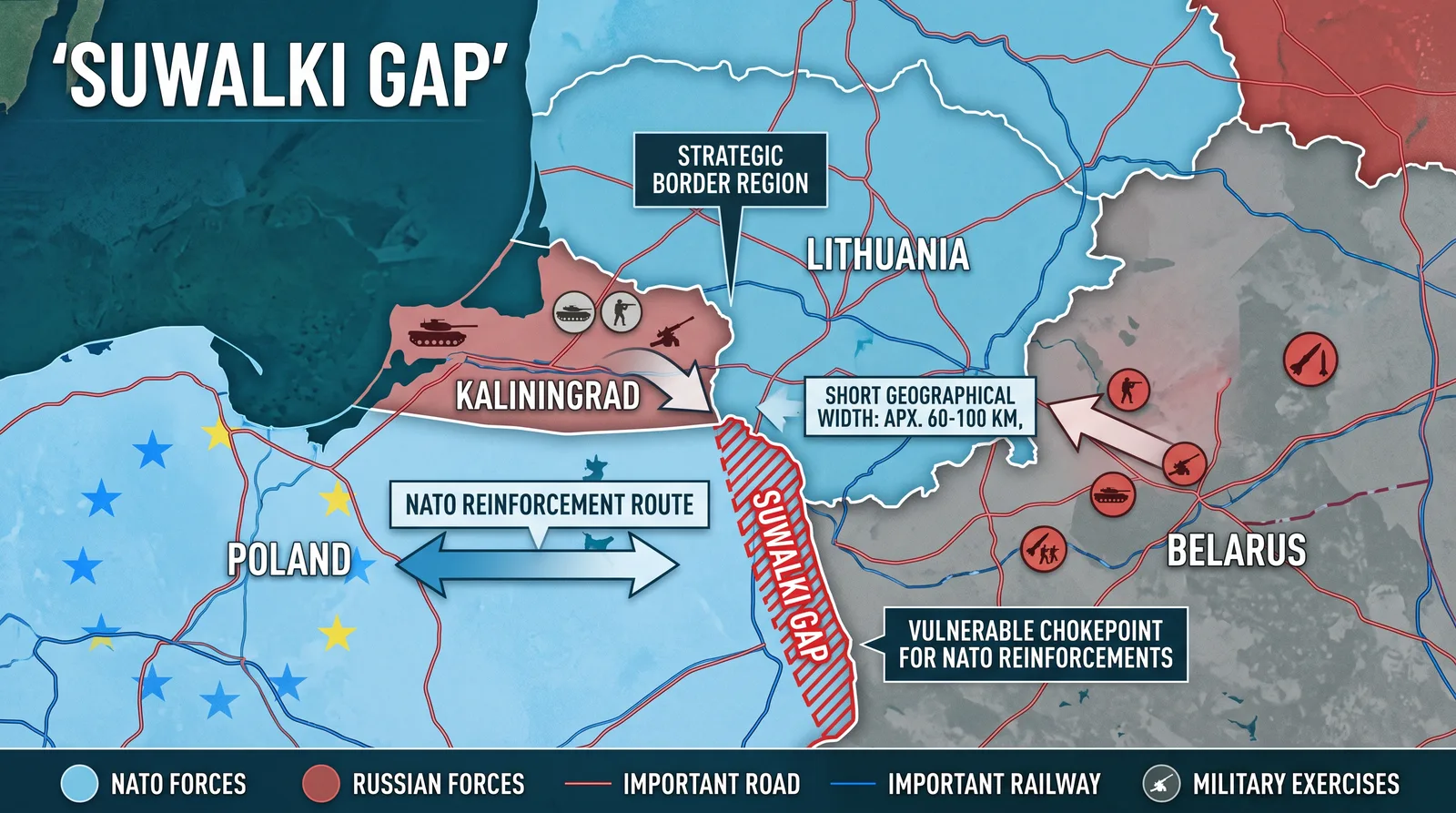
The Polycrisis Architecture: How Three Wars Became One
Establishes the conceptual framework for understanding how the Iran, Ukraine, and Taiwan theaters interconnect to form a single, compounding global crisis.
- 1.11939 and Now: Why This Moment Is DifferentIncluded
- 1.2Defining the Polycrisis: When Three Fires Share the Same OxygenIncluded
- 1.3The Actors, the Alliances, and the Fault LinesIncluded
- 1.4A Geopolitical Risk Framework for Breaking EventsIncluded
The Iran Theater: Escalation at the Edge of a Regional War
Examines the military, political, and proxy dimensions of the conflict with Iran and maps the realistic pathways toward broader regional or global escalation.
- 2.1Iran's Strategic Position: Proxies, Missiles, and Nuclear AmbitionIncluded
- 2.2The Flashpoints: Strait of Hormuz, Israel, and US Forces in the RegionIncluded
- 2.3Escalation Pathways: From Proxy Strike to Open WarIncluded
- 2.4Economic Shockwaves: Energy Markets and the Global Cost of an Iran WarIncluded
The Ukraine Theater: NATO on the Edge
Delivers a rigorous analysis of Russia's war on Ukraine, NATO's strategic posture and red lines, and the escalation risks posed by continuous strikes on civilian infrastructure.
- 3.1Russia's War Aims and the Logic of Continuous BombardmentIncluded
- 3.2NATO's Red Lines: What the Alliance Has Said, Done, and AvoidedIncluded
- 3.3Alliance Cohesion Under Pressure: Fault Lines Inside NATOIncluded
- 3.4Escalation Pathways: From Attritional War to NATO ConfrontationIncluded
The Taiwan Theater: China's Encirclement Strategy
Decodes China's naval and air strategy around Taiwan, distinguishes coercive signaling from genuine invasion preparation, and assesses the US and allied response calculus.
- 4.1Why Taiwan: The Strategic, Economic, and Symbolic StakesIncluded
- 4.2Encirclement vs. Invasion: Reading China's Naval SignalingIncluded
- 4.3The US Deterrence Posture and Strategic AmbiguityIncluded
- 4.4Escalation Pathways: Blockade, Miscalculation, and Great-Power WarIncluded
Tactical Nuclear Weapons and the New Risk Calculus
Examines how tactical nuclear weapons have re-entered mainstream deterrence doctrine and why their potential battlefield use has fundamentally altered the mathematics of escalation across all three theaters.
- 5.1Tactical vs. Strategic Nukes: What the Distinction Actually MeansIncluded
- 5.2Russia's Nuclear Doctrine and Signals in UkraineIncluded
- 5.3China, the US, and Nuclear Thresholds in the PacificIncluded
- 5.4The Escalation Ladder: From Conventional War to Nuclear UseIncluded
Integrated Analysis: Applying the Framework to What Comes Next
Synthesizes all three theaters and the nuclear dimension into a unified analytical practice, equipping students to independently assess future events as they unfold.
- 6.1Where the Three Theaters Intersect: Shared Actors and Feedback LoopsIncluded
- 6.2Wargaming the Polycrisis: How Simultaneous Escalation UnfoldsIncluded
- 6.3Applying the Geopolitical Risk Framework to Live Breaking NewsIncluded
- 6.4Pathways Away from World War III: Diplomacy, Deterrence, and Hard ChoicesIncluded
Who it's for
Is this you?

Policy & defense professionals
They need a structured, integrated view of how all three theaters interact — beyond the siloed briefings their day jobs provide.

Journalists & investigators
They cover one of these conflicts and want the strategic architecture that connects their beat to the bigger picture.
Veterans & military families
They understand the human cost of conflict and want rigorous, honest analysis of where these theaters could lead.

Politically engaged citizens
They follow the news closely but are tired of punditry and want the structural geopolitical logic underneath the headlines.

Graduate students & researchers
They're studying IR, security studies, or history and want a practitioner's framework to stress-test their academic models.

Investors & risk analysts
They need to understand how a Taiwan blockade, an Iran war, or NATO escalation would ripple through energy markets and global supply chains.
Questions
Frequently asked
Your teacher
A note from your teacher

Val (Valdas) Samonis
If you're here, you've probably had the unsettling experience of watching the news, sensing that something structural is shifting in the world, and finding that nothing you're reading quite explains why — or how bad it could actually get.
You're not wrong to sense it. The convergence happening right now across Iran, Ukraine, and Taiwan is not a coincidence, and it is not three separate conflict stories. It is a single architecture of risk, and most of the analysis available to the public either doesn't see it that way, or isn't willing to say so clearly. I built this course because I believe you deserve the same analytical framework that serious strategists use — not a simplified version of it, not a reassuring one, but the real thing.
What we're going to do together is take each theater apart with rigor. We're going to look at what Russia actually wants from the war in Ukraine — not what it says, but what its military behavior reveals. We're going to map Iran's proxy network and understand why the Strait of Hormuz is one of the most dangerous pressure points on earth. We're going to read China's naval exercises around Taiwan the way a naval planner reads them, distinguishing One China signaling from genuine war preparation. And then we're going to put all three theaters back together and examine how they interact — how a miscalculation in one can cascade into another. That is a real and present danger!
The section on tactical nuclear weapons is one I take particularly seriously. There is a great deal of loose talk about nuclear risk right now, and most of it is either dismissive or catastrophizing. Neither helps you think. What helps you think is understanding the escalation ladder — the specific thresholds, the doctrinal signals, the historical analogies — and that is exactly what we work through.
I want to be direct with you about what this course will not do. It will not give you certainty about the future. No serious analyst offers that! What it will give you is a structured way of reading uncertainty — a theory cum praxis learning framework you can apply to every breaking event that comes after you finish this course. When the next flashpoint erupts, you will know what questions to ask, what signals to look for, and what the realistic range of outcomes actually is. That kind of clarity, in a moment like this one, is not a small thing indeed! I hope you'll join me.
— Val (Valdas) Samonis
Start your journey today
Get instant access — learn at your own pace with an AI coach in your corner.
$39/mo
Recurring billing · cancel anytime
Secure checkout · Instant access
- 6 modules, 24 lessons
- AI-adaptive lessons tuned to your level
- Quizzes & checkpoints to lock in progress
- Your own AI learning coach
- Learn on any device, at your pace
- Full access for as long as you're subscribed