
Write fiction that gets under people's skin
Reverse-engineer Stephen King's craft — from bone-deep characters and visceral prose to the editing discipline that strips your draft down to pure propulsion. For writers who are done admiring King and ready to learn exactly how he does it.

"I will push you hard, tell you the truth about your draft, and not stop until your prose has teeth."
— Carla Paton
What you'll learn
What you'll be able to do
- Write propulsive scene-level prose that builds dread without relying on gore or cheap shock tactics
- Build deeply ordinary characters whose specific habits and fears make readers genuinely care — then put them in danger
- Construct a story's "situation" first and let plot emerge naturally, the way King describes in On Writing
- Use King's layered dialogue technique to reveal character, advance tension, and sound authentically human
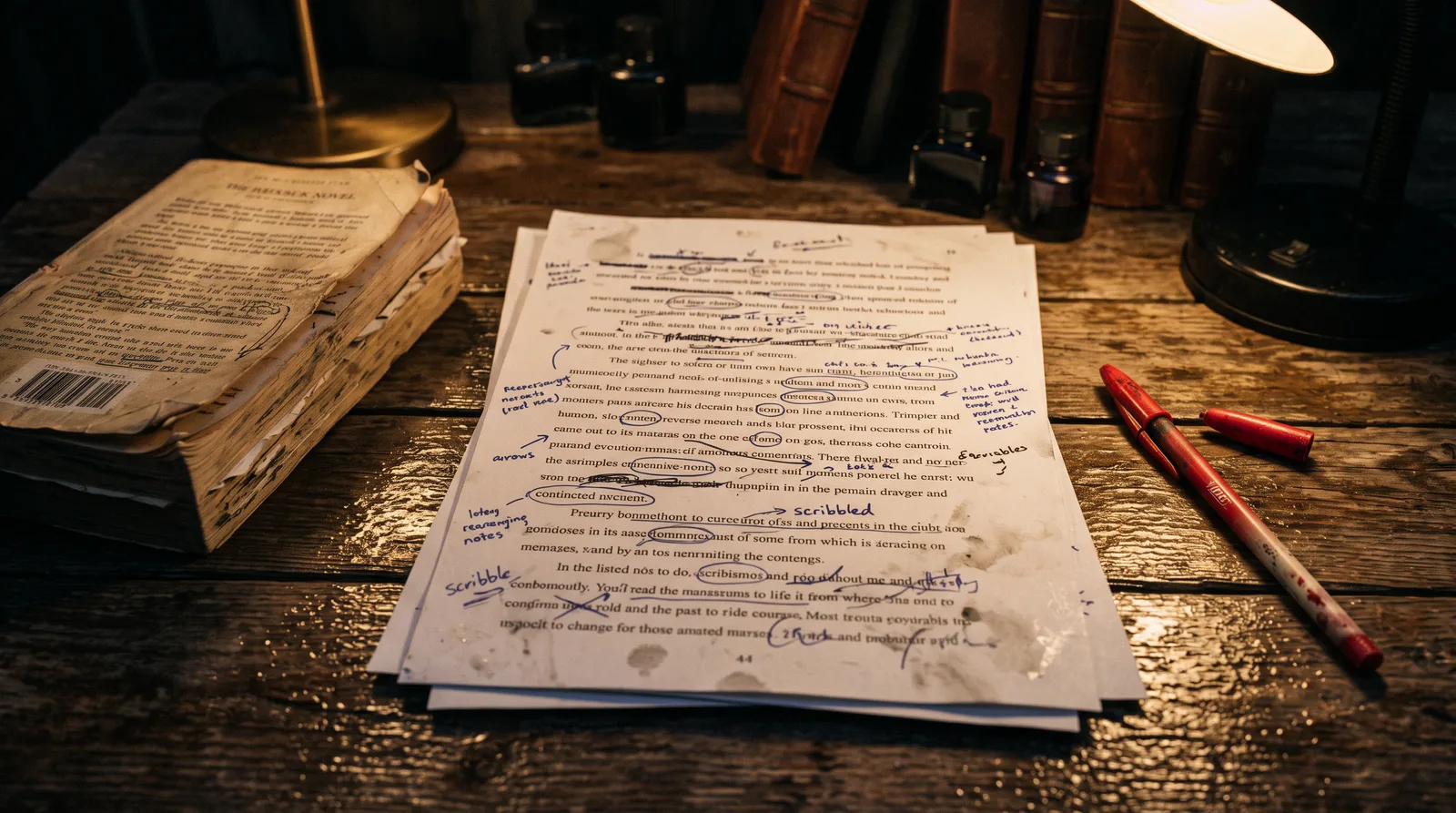
- Edit your own drafts with King's 'second-draft = first-draft minus 10%' discipline to cut dead weight ruthlessly
- Develop a consistent daily writing practice and defeat the blank-page paralysis that kills most fiction careers
How it works
A school that adapts to you
This isn't a set of static videos. Every lesson is generated live and tuned to where you actually are.
We learn your level
A quick placement check tailors your starting point so you're never bored or lost.
Lessons adapt as you go
Each lesson is written for your pace and your goal, adjusting as your skills grow.
Your AI coach keeps you moving
Checkpoints, feedback, and gentle nudges turn progress into a real result.
The curriculum
What's inside your school
6 modules · 29 lessons

King's Philosophy: Situation, Story, and the Writer's Life
Establishes King's foundational mindset — story emerges from situation, not plot — and builds the daily writing habit that sustains a fiction career.
- 1.1Ditch the Plot, Find the SituationIncluded
- 1.2The Reading-Writing Feedback LoopIncluded
- 1.3Building Your Daily Writing HabitIncluded
- 1.4Killing the Adverb and Trusting the VerbIncluded
Characters Who Feel Terrifyingly Real
Teaches King's method of grounding characters in hyper-specific ordinary detail so readers care deeply before the danger begins.
- 2.1The Ordinary Person as HeroIncluded
- 2.2Specificity Is CharacterIncluded
- 2.3Fear as a Character's Core TruthIncluded
- 2.4Supporting Characters Who Steal the SceneIncluded
- 2.5Putting People You Know on the PageIncluded
Prose That Moves: Pace, Dread, and the Addictive Sentence
Breaks down the sentence- and paragraph-level techniques that make King's prose feel propulsive and impossible to put down.
- 3.1Short Sentences, Long DreadIncluded
- 3.2Show the Body, Not the LabelIncluded
- 3.3The Power of the Telling DetailIncluded
- 3.4Building Dread Without GoreIncluded
- 3.5The Chapter-End HookIncluded
Dialogue That Sounds Like No One Ever Talks (But Exactly Like They Do)
Unpacks King's layered dialogue technique — the way conversation simultaneously reveals character, advances tension, and rings completely human.
- 4.1Dialogue as Character X-RayIncluded
- 4.2What People Don't SayIncluded
- 4.3Dialect, Slang, and the Ear TestIncluded
- 4.4Dialogue Tags and Action BeatsIncluded
- 4.5Tension in ConversationIncluded
Story Architecture: Letting the Situation Drive the Plot
Shows how to structure a complete story organically — from situation seed to escalating crisis — without a rigid outline strangling the narrative.
- 5.1From 'What If' to First SceneIncluded
- 5.2Escalation: Tightening the ViceIncluded
- 5.3The Monster Is Always PersonalIncluded
- 5.4Middles That Don't SagIncluded
- 5.5Endings That Earn the DreadIncluded
The Second Draft: Cutting to the Bone
Applies King's editing discipline — second draft equals first draft minus ten percent — to strip dead weight and reveal the story's true shape.
- 6.1The Drawer Method: Why Distance Is a Drafting ToolIncluded
- 6.2The Ten Percent CutIncluded
- 6.3Murdering Your DarlingsIncluded
- 6.4Pacing Audit: Scene by SceneIncluded
- 6.5Revision as RevelationIncluded
Who it's for
Is this you?

The obsessive King reader
He's devoured every King novel and finally wants to stop consuming and start creating — using the master's own method as his blueprint.

The stuck intermediate writer
She has drafts in a drawer but her prose feels flat and told rather than shown — she needs the specific craft tools to break through to visceral, propulsive writing.

The short story writer going longer
He can nail a flash piece but middles sag and endings feel unearned — this course's architecture lessons are exactly what he's been missing.

The NaNoWriMo survivor
She finished a messy first draft last November and has no idea how to revise it — the second-draft section alone is worth the price of admission.

The genre-hopper wanting darkness
He writes thrillers or dark fantasy and wants to inject the dread and character depth that makes King's work stick — without switching genres entirely.

The habitual non-finisher
She starts stories with enthusiasm and abandons them at page ten — the daily practice and blank-page paralysis curriculum will finally give her a system that holds.
Questions
Frequently asked
Your teacher
A note from your teacher

Carla Paton
I know where you are right now, because I've been there — reading a King novel at 1 a.m., slightly furious at how easily he makes you turn the page, wondering what the hell he's doing that you're not.
Here's the thing I want you to hear: it's not a gift. It's not some dark charisma that descended on Stephen King and skipped you. It's technique. It's specific, nameable, learnable technique — and King has been generous enough to explain a lot of it himself. My job in this school is to take that method apart piece by piece, show you exactly how each one works, and make you practice it until it becomes instinct.
What we cover is the full architecture of how King actually builds fiction. We start at the foundation: why you should throw your plot outline in the trash and find your situation first. We move through character — not the heroic, exceptional protagonist, but the deeply ordinary person with a specific bad habit and a recognizable fear, the kind of person you'd recognize at a gas station in rural Maine. We go into prose rhythm — how short sentences manufacture dread, how one telling physical detail does more work than three paragraphs of interior monologue. We work through dialogue, which is probably the most misunderstood craft element there is. And we get into revision, because the draft you write is not the story you publish — it's the raw material you cut until something lean and true emerges.
I'm not here to flatter you or tell you your first draft is great when it isn't. That would be a waste of your time and mine. What I will do is push you — hard, specifically, with a lot of black coffee and no patience for adverbs — toward fiction that actually grips people. The kind of story that someone finishes at midnight and then lies awake thinking about.
That's what this school is for. Let's get to work.
— Carla Paton
Start your journey today
Get instant access — learn at your own pace with an AI coach in your corner.
$39/mo
Recurring billing · cancel anytime
Secure checkout · Instant access
- 6 modules, 29 lessons
- AI-adaptive lessons tuned to your level
- Quizzes & checkpoints to lock in progress
- Your own AI learning coach
- Learn on any device, at your pace
- Full access for as long as you're subscribed