
Master ZIMSEC Heritage Studies — from Form 1 to 4
Master the full ZIMSEC Heritage Studies syllabus from Form 1 to Form 4 — covering identity, culture, governance, rights, and economics — through structured, exam-ready lessons built for Zimbabwean secondary students.
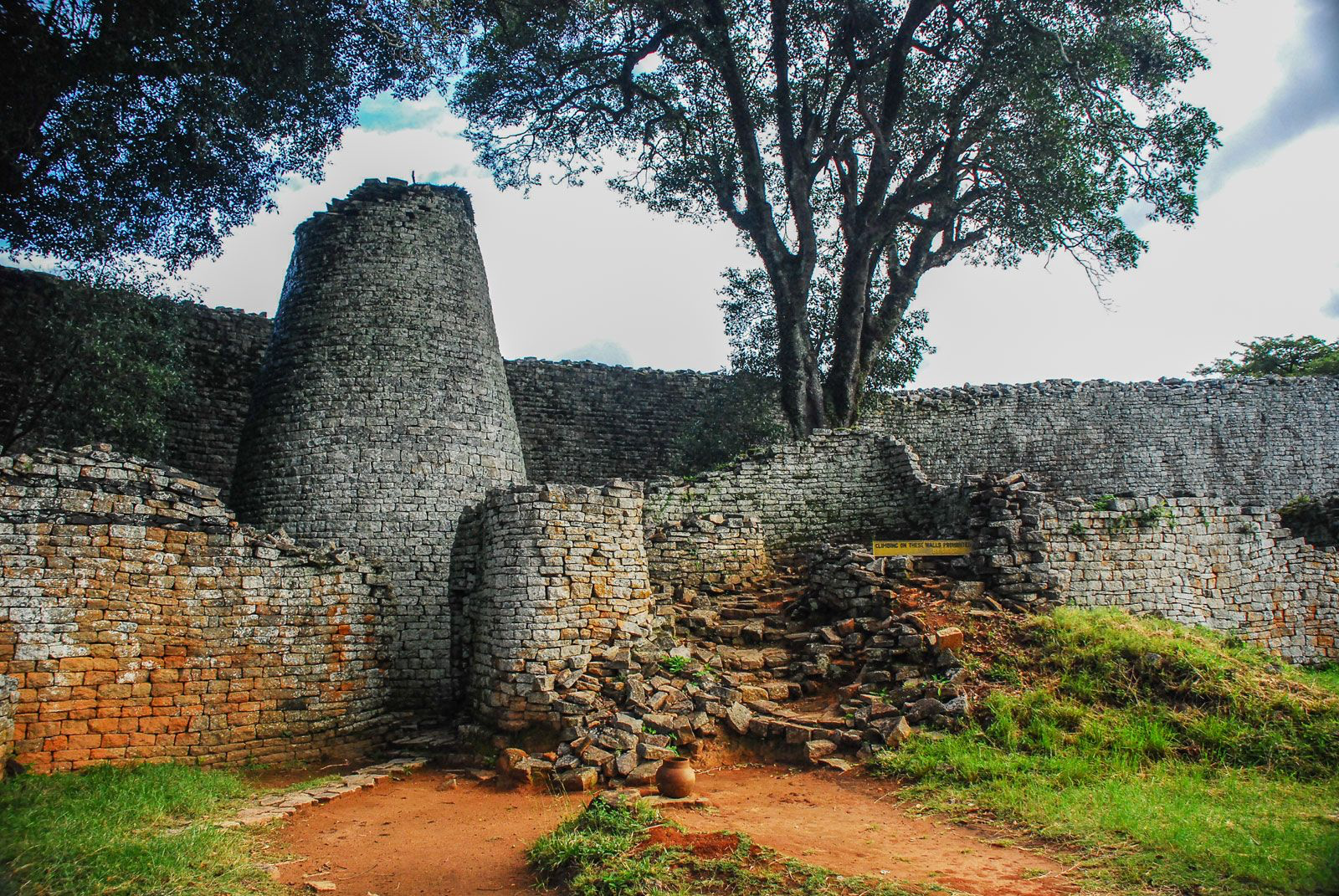
"Zimbabwe's history, culture, and constitution are not just exam topics — they are the story of who you are, and every student deserves to understand that story clearly and with pride."
— GCSE Courses
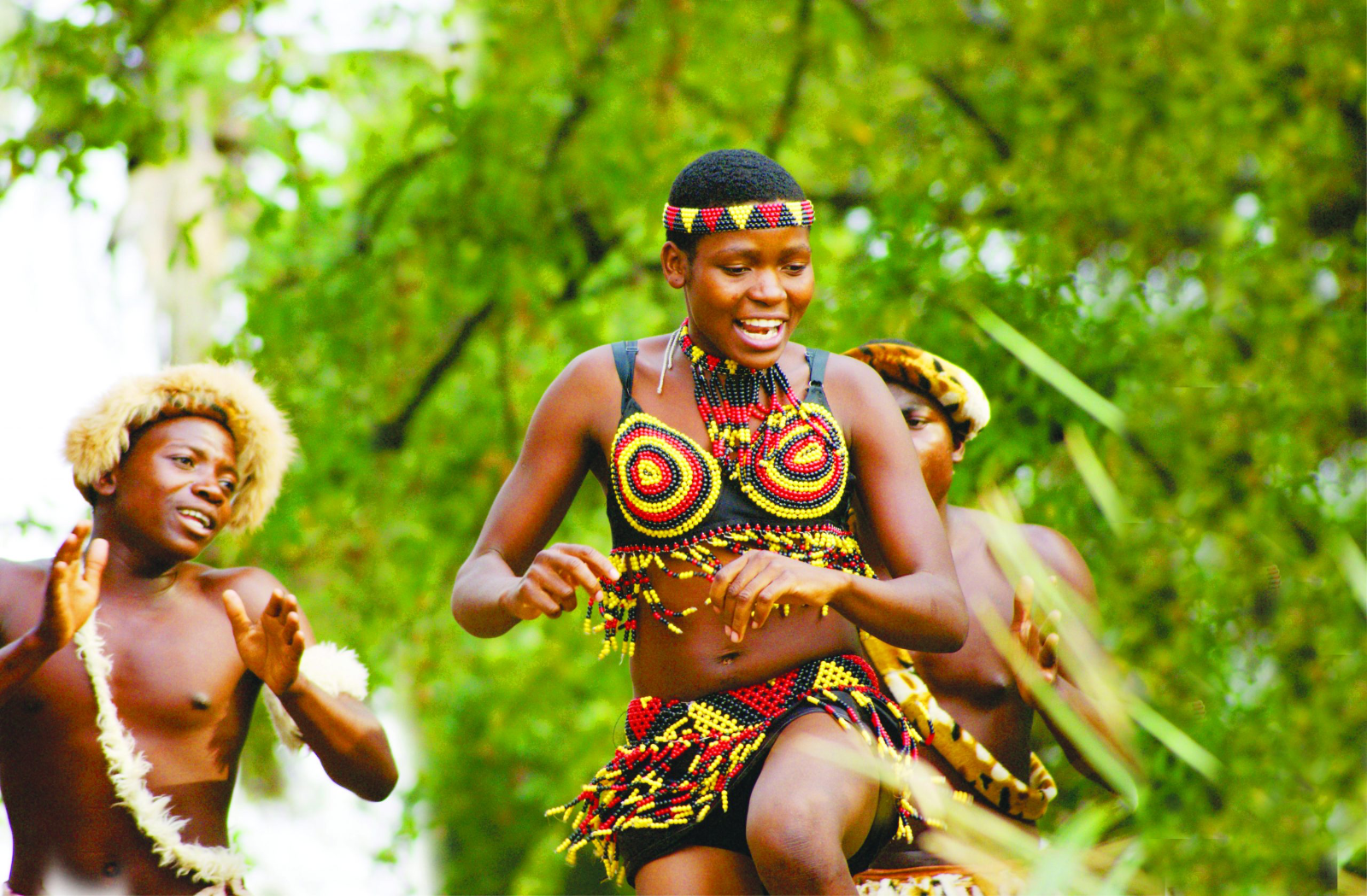
What you'll learn
What you'll be able to do
- Explain the process of socialisation and how family, school, and community shape a Zimbabwean learner's identity and values.
- Analyse Zimbabwe's national and cultural heritage, articulating the significance of norms, values, and traditions in everyday life.
- Describe Zimbabwe's national history, including pre-colonial, colonial, and post-independence sovereignty and governance structures.
- Interpret key provisions of the Constitution of Zimbabwe and apply the Bill of Rights to real-life civic situations.
- Evaluate citizens' rights and responsibilities and demonstrate understanding of how participation strengthens democratic society.
- Examine how production and distribution of goods and services functions locally and engage critically with selected global issues affecting Zimbabwe.
How it works
A school that adapts to you
This isn't a set of static videos. Every lesson is generated live and tuned to where you actually are.
We learn your level
A quick placement check tailors your starting point so you're never bored or lost.
Lessons adapt as you go
Each lesson is written for your pace and your goal, adjusting as your skills grow.
Your AI coach keeps you moving
Checkpoints, feedback, and gentle nudges turn progress into a real result.
The curriculum
What's inside your school
10 modules · 115 lessons
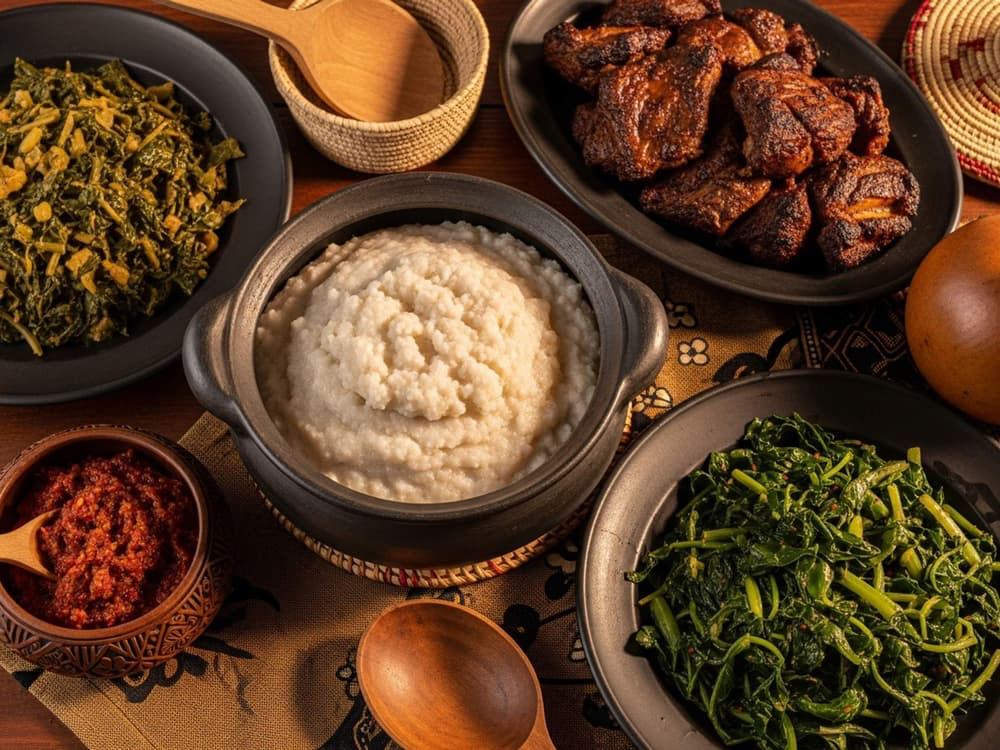
SOCIALISATION
- 1.1Socialisation in the homeIncluded
- 1.2Role of the school in socialisationIncluded
- 1.3Role of peers in socialisationIncluded
- 1.4Role of the media in socialisationIncluded
- 1.5Responsible use of the mediaIncluded
- 1.6Role of the community in socialisationIncluded
- 1.7Role of religious beliefs in socialisationIncluded
- 1.8Role of the media in socializationIncluded
- 1.9Information and Communication Technologies in socialisationIncluded
FAMILY, LOCAL AND NATIONAL IDENTITY
- 2.1Types of familiesIncluded
- 2.2Language and national identityIncluded
- 2.3Indigenous hunting and production toolsIncluded
- 2.4National identification documents: - Birth certificate - National identity - PassportIncluded
- 2.5Forms of personal identity:Included
- 2.6Totems, totem praises and genealogyIncluded
- 2.7Purpose of totem systemsIncluded
- 2.8Indigenous herbsIncluded
- 2.9Indigenous languages and cultures of the people of ZimbabweIncluded
- 2.10Family and the communityIncluded
- 2.11Indigenous community gatherings, ceremonies and eventsIncluded
- 2.12Indigenous marriages:Included
- 2.13Contemporary marriagesIncluded
- 2.14Indigenous wise sayings - proverbs - idiomsIncluded
- 2.15Indigenous religious practicesIncluded
CULTURAL HERITAGE: NORMS AND VALUES
- 3.1The concept of Unhu/Ubuntu/Vu- munhuIncluded
- 3.2Attributes of Unhu/Ubuntu/Vumun- huIncluded
- 3.3Norms and valuesIncluded
- 3.4Concept of inheritanceIncluded
- 3.5Norms and values in the communityIncluded
- 3.6Main features of the indigenous Zimbabwean cultureIncluded
- 3.7Inheritance and heirship practices of indigenous families and societiesIncluded
- 3.8Contemporary courtship practicesIncluded
- 3.9Norms and values at the workplaceIncluded
- 3.10Birth and Death rites and ceremoniesIncluded
- 3.11Inheritance and heirship practices in contemporary families and societiesIncluded
- 3.12Zimbabwean and foreign norms and valuesIncluded
- 3.13Threats to indigenous culture in ZimbabweIncluded
CULTURAL HERITAGE: NORMS AND VALUES CONTD
- 4.1Rites of passageIncluded
- 4.2Indigenous courtship practices of different ethnic groupsIncluded
- 4.3Indigenous entertainmentIncluded
- 4.4Indigenous marriage counsellorsIncluded
- 4.5Forms of indigenous entertainmentIncluded
- 4.6Indigenous and contemporary courtship practicesIncluded
- 4.7Indigenous marriage practicesIncluded
- 4.8Dance and dramaIncluded
- 4.9Men and women in marriageIncluded
- 4.10Sport, arts and cultureIncluded
NATIONAL HISTORY: SOVEREIGNTY AND GOVERNANCE
- 5.1Pre-colonial societies: - Hunter-gatherer communities - Social and econIncluded
- 5.2Indigenous Political StructuresIncluded
- 5.3Early Iron Age societiesIncluded
- 5.4Late Iron Age StatesIncluded
- 5.5Contribution of Iron Age communi- ties to contemporary societiesIncluded
- 5.6Missionaries, explorers, traders, concession seekers, adventurers and huntersIncluded
- 5.7ColonisationIncluded
- 5.8Anglo-Ndebele war (1893-94)Included
- 5.9First Chimurenga/ Umvukela (1896- 97)Included
- 5.10Heroes and heroines of the 1st Chimurenga/UmvukelaIncluded
- 5.11Expropriation of resources in colo- nial ZimbabweIncluded
- 5.12Liberation Struggle/Second Chimurenga/Umvukela (1966-79)Included
: NATIONAL HERITAGE
- 6.1National symbols, monuments and shrinesIncluded
- 6.2National Schools PledgeIncluded
- 6.3Natural resourcesIncluded
- 6.4National events and celebrationsIncluded
- 6.5Participation in and commemoration of national eventsIncluded
- 6.6National Schools PledgeIncluded
- 6.7Natural resourcesIncluded
- 6.8National shrines, monuments and world heritage sitesIncluded
- 6.9National Schools PledgeIncluded
- 6.10Natural resourcesIncluded
- 6.11Heritage sitesIncluded
- 6.12National Schools PledgeIncluded
- 6.13Natural resourcesIncluded
CONSTITUTION OF ZIMBABWE
- 7.1Constitution of ZimbabweIncluded
- 7.2Declaration of Rights in ZimbabweIncluded
- 7.3Zimbabwean citizenshipIncluded
- 7.4Rules and laws of ZimbabweIncluded
- 7.5Constitution of ZimbabweIncluded
- 7.6Constitution of ZimbabweIncluded
RIGHTS AND RESPONSIBILITIES
- 8.1Indigenous entitlementsIncluded
- 8.2Rights and responsibilitiesIncluded
- 8.3Children`s rights and responsibili- ties at schoolIncluded
- 8.4Participation in voluntary communi- ty activitiesIncluded
- 8.5Roles and responsibilities of Zimba- bwean citizensIncluded
- 8.6Rights and responsibilitiesIncluded
- 8.7Civic responsibilities at community and national levelIncluded
- 8.8Entitlements of men and women in the indigenous societiesIncluded
- 8.9Gender equity and equality in contemporary ZimbabweIncluded
- 8.10Voluntary community activitiesIncluded
PRODUCTION, DISTRIBUTION OF GOODS AND SERVICES
- 9.1Factors of productionIncluded
- 9.2Concept of industryIncluded
- 9.3The informal sectorIncluded
- 9.4Storage of indigenous and contem- porary foodsIncluded
- 9.5Types of industriesIncluded
- 9.6The informal sectorIncluded
- 9.7Indigenous conservation and man- agement of resourcesIncluded
- 9.8Contemporary methods of manu- facturing goodsIncluded
- 9.9Land ownership in ZimbabweIncluded
- 9.10Constraints to the informal sectorIncluded
- 9.11National strategic reservesIncluded
- 9.12Factors of productionIncluded
- 9.13Factors inhibiting productionIncluded
- 9.14Enterprise skills and employment creationIncluded
- 9.15Conservation and preservation of resourcesIncluded
GLOBAL ISSUES
- 10.1Environmental issuesIncluded
- 10.2PollutionIncluded
- 10.3Hazards, risks and disastersIncluded
- 10.4Human traffickingIncluded
- 10.5Climate changeIncluded
- 10.6DisastersIncluded
- 10.7Land degradationIncluded
- 10.8PollutionIncluded
- 10.9Pandemics and chronic illnessesIncluded
- 10.10Human traffickingIncluded
- 10.11Waste managementIncluded
- 10.12Child labourIncluded
Who it's for
Is this you?

Form 1 Starters
Brand-new to Heritage Studies and needs clear, friendly lessons that build confidence from the very first topic — socialisation, identity, and what it means to be Zimbabwean.

Form 4 Exam Candidates
Preparing for ZIMSEC examinations and needs structured, syllabus-complete revision covering everything from the Constitution and Bill of Rights to global issues and economic production.

Heritage Studies Teachers
Wants a reliable, curriculum-aligned resource to support lesson planning, classroom explanations, and ensuring all nine syllabus units are covered thoroughly.

Supportive Parents
Wants to understand what their child is studying so they can offer meaningful help at home, especially for topics like the Constitution, rights, and national history.

Independent Learners
Studying outside a classroom setting and needs a self-paced, complete course that guides them through every topic without assuming prior knowledge.

Forms 2 & 3 Students Building Up
Past the basics but not yet at exam stage — ready to deepen understanding of cultural heritage, governance, civic rights, and Zimbabwe's national history with growing analytical skill.
Questions
Frequently asked
Your teacher
A note from your teacher

GCSE Courses
If you are a Form 1, 2, 3, or 4 student sitting in front of a Heritage Studies textbook wondering where to start — or staring at a past paper and feeling like the answers are just out of reach — I want you to know that feeling is completely normal. Heritage Studies covers a wide range of topics, from your own personal identity all the way to global issues like climate change and migration. Without a clear, structured guide that speaks your language and respects your context, it can feel overwhelming. That is exactly why Zimbabwe Heritage Academy was built.
This school takes the entire ZIMSEC Heritage Studies syllabus and breaks it into manageable, well-sequenced lessons that grow with you. We start where every student should start — with you. Who are you? How did your family, school, and community shape the person you are becoming? What does it mean to be Zimbabwean? From there, we move outward: to our shared cultural heritage, our norms and values, the concept of ubuntu and unhu, our national history from the great pre-colonial states through the liberation struggle and independence, and then into the structures of governance and the Constitution that protect your rights today.
I know that many students worry about the more analytical topics — the Constitution, the Bill of Rights, economic production, or writing critically about global issues. Those topics are not out of your reach. Every lesson is written so that a Form 1 student can follow it clearly, and every lesson also builds the vocabulary and thinking habits that Form 4 examiners reward. By the time you reach the later units, you will not just be memorising facts — you will be able to explain, analyse, and evaluate, which is exactly what the ZIMSEC marking scheme asks you to do.
For teachers and parents: I see you too. Heritage Studies is a subject that deserves well-organised, curriculum-faithful resources — and this school is designed to support your work in the classroom or at home. Use it alongside your own teaching, use it for revision, or use it to ensure that no part of the syllabus is left uncovered. Every unit is here, structured and complete.
Come and study with us. Zimbabwe's history, culture, rights, and future belong to you — and understanding them starts here.
— GCSE Courses
Start your journey today
Get instant access — learn at your own pace with an AI coach in your corner.
$10/mo
Recurring billing · cancel anytime
Enrolling a child? Sign up as a parent — you'll add your student right here after.
Secure checkout · Instant access
- 10 modules, 115 lessons
- AI-adaptive lessons tuned to your level
- Quizzes & checkpoints to lock in progress
- Your own AI learning coach
- Learn on any device, at your pace
- Full access for as long as you're subscribed