What Is Lectio Divina? A Beginner's Step-by-Step Guide to the Ancient Practice
Carla Paton · July 28, 2026 · 5 min read
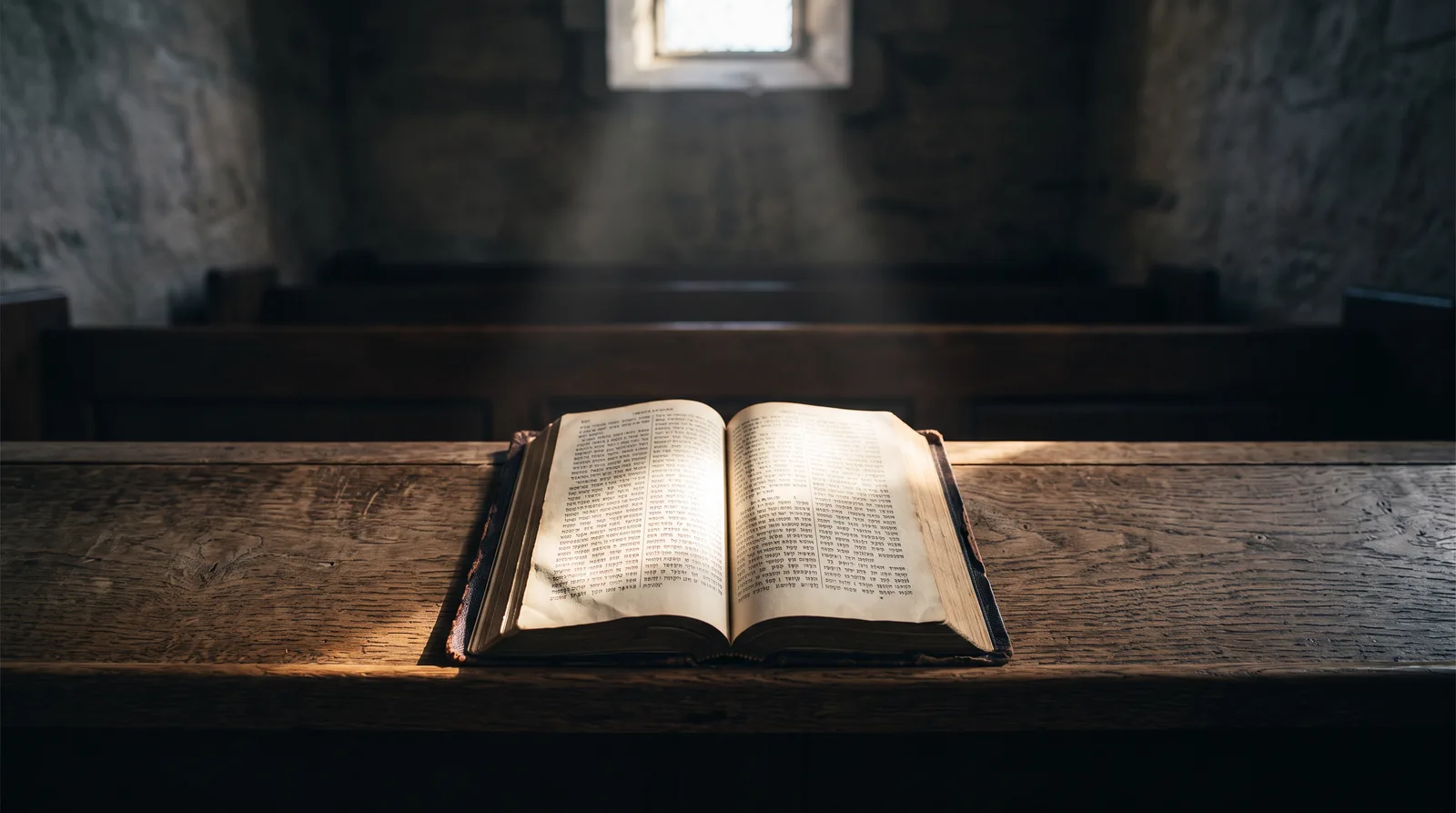
Somewhere around the sixth century, a monk named Benedict wrote down a simple instruction for his community: read. Not skim, not analyze, not take notes in the margins. Read slowly, with your whole self listening. That instruction became the backbone of a practice called lectio divina — Latin for sacred reading — and it has been quietly shaping contemplative life ever since.
I want to demystify it completely. Because despite its ancient roots and Latin name, lectio divina is one of the most accessible practices I know. You don't need a theology degree. You don't need to belong to a particular tradition. You need a short passage of Scripture, about twenty minutes, and a willingness to stop rushing.
Here's how it works — step by step, movement by movement.
The Four Movements
Lectio divina has a classic shape built from four Latin words: lectio (read), meditatio (meditate), oratio (pray), and contemplatio (contemplate). Think of them less as rigid stages and more as a slow, deepening spiral into the same text.
Lectio — Read
Choose a short passage. Short is important. A single psalm, a few verses from the Gospels, a brief prophetic fragment — something you can hold in your hands. Read it aloud if you can. The old monks believed the body participated in reading, that sound mattered.
Read it once. Then read it again, even more slowly. Let the words land as individual words, not as sentences you're racing to complete. You are not reading for comprehension in the academic sense. You are reading for encounter.
As you read, notice if a particular word or phrase catches — snags your attention the way a loose thread catches on a sleeve. Don't chase it yet. Just notice.
Meditatio — Meditate
This is where that word or phrase becomes your focus. The medieval concept of meditation was very different from what we often mean today. It wasn't visualization or mindfulness in the modern sense — it was rumination. Literally chewing. The way a cow returns to the same grass again and again.
Take the word or phrase that caught you. Repeat it quietly to yourself. Turn it over. Say it in different tones. Let it sit in your chest rather than your head. Ask gently: Why this word? What is it touching in me right now?
You're not forcing an interpretation. You're letting the text speak on its own terms. This is the part that slows most beginners down, because we're trained to extract meaning quickly and move on. Meditatio asks you to stay.
Oratio — Pray
At some point — and you'll feel when — the meditation naturally becomes response. This is oratio: speaking back to what you've received. It is prayer in its most unscripted form.
You're not constructing a formal petition. You're simply responding to whatever arose during your meditation. Maybe something surfaced that you need to lay down. Maybe a feeling of gratitude welled up unexpectedly. Maybe you find yourself asking a question out loud that you didn't know you were carrying.
Say it. Write it, if that helps. Oratio is the conversation that lectio divina opens between you and the text — and through the text, with the divine.
Contemplatio — Contemplate
This last movement is the hardest to describe, because it is the one where you stop doing anything at all. Contemplatio is resting in what you cannot fully articulate. It's sitting quietly after the conversation has said what it needed to say.
Give it a few minutes. Silence. No agenda. You are not reviewing what you learned. You are simply being present in the space the practice has opened.
If thoughts come — and they will — let them pass through without grabbing them. Return to the phrase. Return to the quiet. This is the movement most often skipped, and it's the one the whole practice is quietly building toward.
A Simple Way to Begin This Morning
You don't need a special setup. Here's a bare-bones version to try right now:
- Choose your passage. Psalm 46:10 is a good start for beginners: "Be still and know that I am God." Short, elemental, genuinely inexhaustible.
- Set a timer for twenty minutes. Divide it loosely: five minutes for lectio, seven for meditatio, four for oratio, four for contemplatio.
- Read aloud twice. Notice what catches.
- Repeat that word or phrase slowly for the meditatio period. Let it work on you.
- Respond honestly in oratio — a few sentences, spoken or written.
- Sit quietly for the final minutes. That's it.
You'll probably feel like you're doing it wrong. That feeling is almost universal for beginners, and it's almost always mistaken. There is no wrong way to arrive with attention.
What Lectio Divina Is Not
It's not Bible study, though it works beautifully alongside study. It's not therapeutic journaling, though it can move you deeply. It's not a technique for extracting spiritual insights on demand.
It is a practice of receptivity — which means its fruits come slowly, accumulated across many mornings, many passages, many quiet returns to the same inexhaustible texts.
That's exactly why I built my year-long course, Theoria: The Morning Scriptorium, around it. Lectio divina paired with contemplative writing gives the practice a place to land — on the page, in your own words, day after day. But this morning, none of that is necessary.
Just the passage. Just the four movements. Just twenty minutes of your full attention.
That's where it begins.