
GLP-1 Medications 101: What Semaglutide and Tirzepatide Actually Do in Your Body
HEHealth Experts · November 15, 2026 · 4 min read
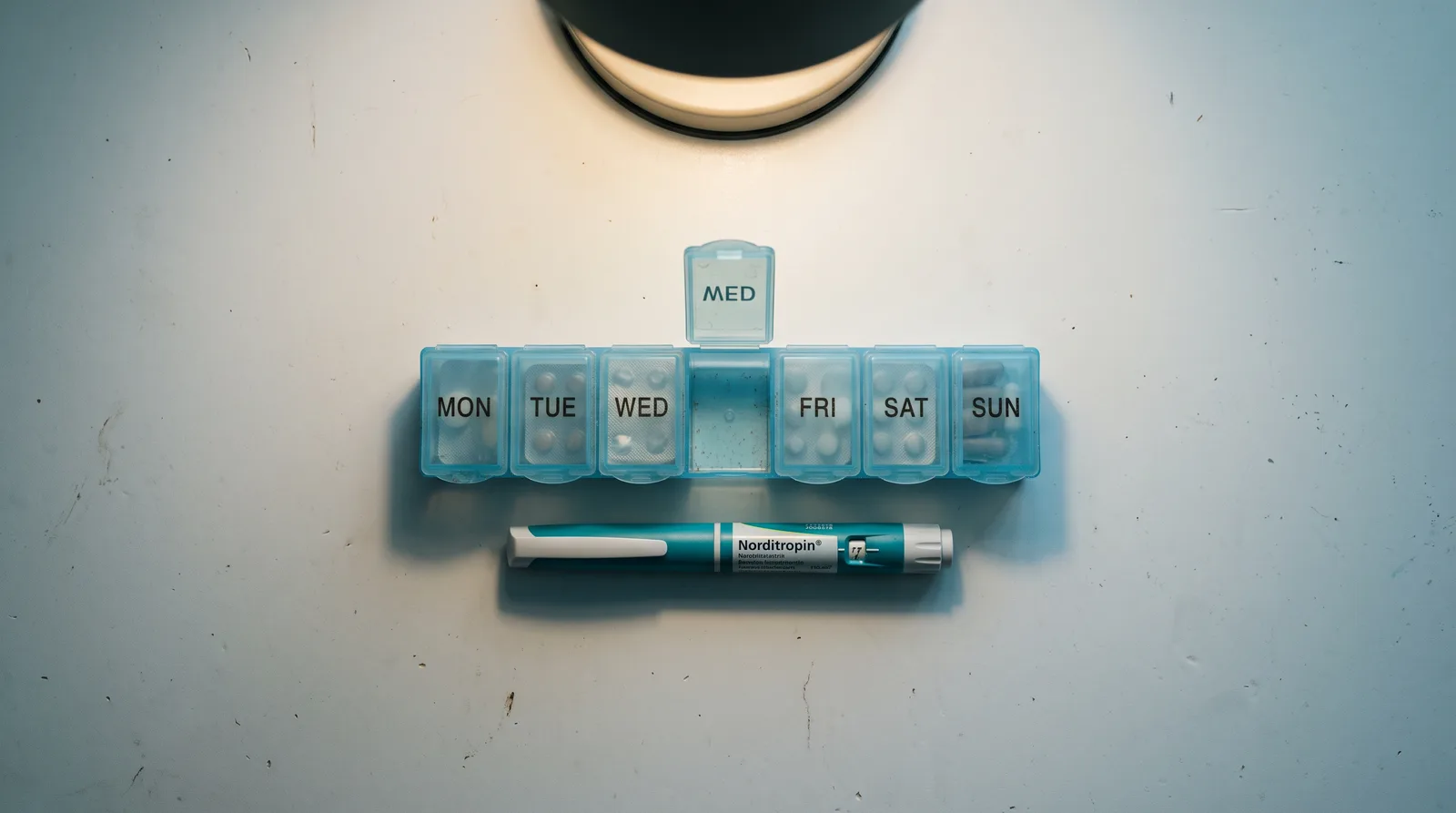
If you've just been prescribed semaglutide (Ozempic, Wegovy) or tirzepatide (Mounjaro, Zepbound), you've probably heard some version of the same explanation: it curbs your appetite so you eat less. That's not wrong, but it's so incomplete it can actually work against you. When you understand what these medications are genuinely doing inside your body, you stop waiting for the drug to do everything — and you start working with it in a way that makes the difference between temporary weight loss and a real metabolic reset.
Let's get into the actual science, in plain language.
Your Body Already Makes GLP-1 — The Drug Just Turns Up the Volume
GLP-1 stands for glucagon-like peptide-1. It's a hormone your gut naturally releases after you eat. Its job is to coordinate your body's response to incoming food — a kind of metabolic traffic controller.
Here's what it normally does in a matter of minutes after a meal:
- Signals your pancreas to release insulin (to move glucose out of your blood)
- Tells your pancreas to stop releasing glucagon (a hormone that raises blood sugar)
- Slows down how fast your stomach empties its contents into your small intestine
- Sends satiety signals to your brain
The problem is that natural GLP-1 breaks down in your bloodstream in just one to two minutes. The medication versions — semaglutide and tirzepatide — are engineered to last much longer. Semaglutide is active for roughly a week, which is why it's a once-weekly injection. That extended presence means all of those effects above are sustained, not just a brief post-meal blip.
Tirzepatide adds a second layer: it also activates GIP (glucose-dependent insulinotropic polypeptide) receptors, another gut hormone involved in insulin response and fat storage. That dual action is why tirzepatide is sometimes described as more potent — it's pulling two levers at once.
The Four Things These Medications Are Actually Doing
1. Slowing gastric emptying. Food physically lingers in your stomach longer. This isn't just an appetite trick — it blunts the spike in blood glucose that follows a meal, which matters enormously for insulin regulation and long-term metabolic health.
2. Recalibrating your brain's hunger and reward signals. GLP-1 receptors exist in your brain, not just your gut. The medication appears to quiet activity in the areas associated with food cravings and reward-driven eating. Many people describe food "noise" — the constant mental pull toward eating — going quiet for the first time. That's real, and it's neurological.
3. Improving insulin sensitivity over time. By reducing post-meal blood sugar spikes consistently, these medications give your pancreatic beta cells a break and can improve how efficiently your cells respond to insulin. This is part of why they're so relevant for prediabetes and Type 2 diabetes, not just weight loss.
4. Supporting fat loss over muscle loss — but only with the right inputs. Here's where most beginners miss something critical. The calorie deficit created by reduced appetite doesn't automatically know to pull from fat stores. Without adequate protein intake and resistance movement, a significant portion of the weight lost on GLP-1 medications can come from muscle mass. Muscle is metabolically active tissue — losing it slows your resting metabolism, which makes long-term weight maintenance harder.
Why the Medication Is Not the Whole Plan
Understanding the mechanism makes this obvious: the drug creates conditions for change. It slows digestion, quiets cravings, and smooths out blood sugar swings. But it doesn't decide what goes into your stomach, how much protein you're eating, whether you're moving in ways that preserve muscle, or how you're sleeping (poor sleep raises hunger hormones independent of GLP-1 activity).
This is exactly why people who treat these medications as a purely passive intervention often hit a plateau — or regain weight when they stop — while people who build real nutrition and lifestyle habits during their medication window tend to hold on to their results.
The window matters. Your appetite suppression may be strongest in the first several months. That's your highest-leverage period to build the patterns — the protein-first eating, the consistent movement, the sleep and stress habits — that will carry you forward regardless of what happens with your prescription.
The One Question Worth Asking Yourself Right Now
Not how much weight will I lose? but: What habits am I building while the medication is making change easier?
That reframe is the difference between using GLP-1 medication as a tool and simply being along for the ride.
If you want to go deeper — specific protein targets, meal timing strategies, movement approaches that protect muscle mass, and the mindset work that makes all of it stick — that's exactly what my GLP-1 Weight Reset program is built around. The science is real. So is the work. And knowing both is how you make this last.

Want to go deeper than a blog post?
GLP-1 Weight Reset
Master your GLP-1 medication journey with the nutrition, habits, and mindset strategies that turn a prescription into lasting weight loss. Science-backed guidance built specifically for people on semaglutide, tirzepatide, and similar medications.
Start learning — $15/mo