
The DASH Diet vs. the Mediterranean Diet for High Blood Pressure: Which One Should You Follow?
HEHealth Experts · November 15, 2026 · 4 min read
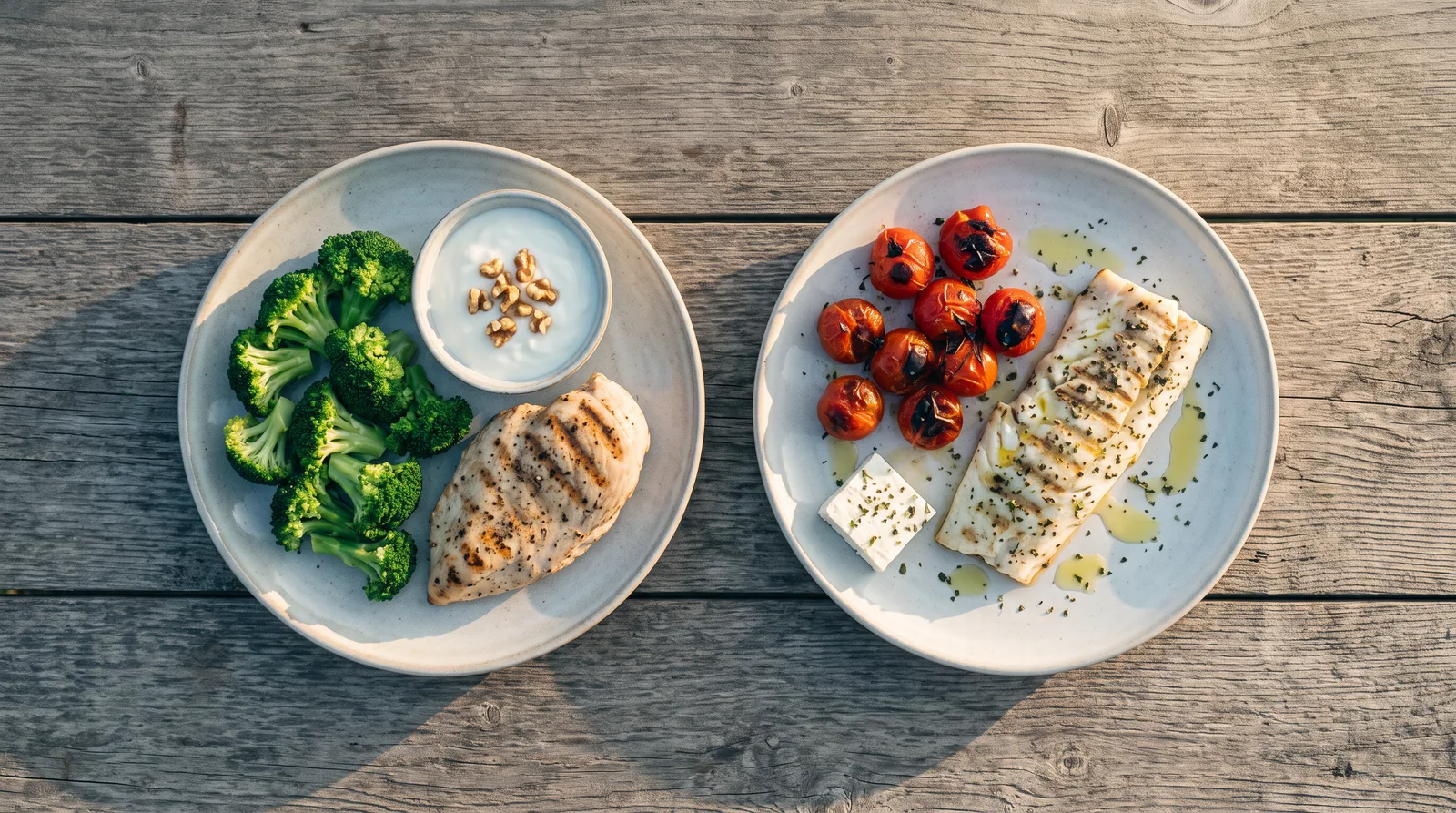
Your doctor says "eat better for your blood pressure," and two names keep coming up: the DASH diet and the Mediterranean diet. Both have solid research behind them. Both get recommended by cardiologists, dietitians, and major health organizations. So why do they feel like completely different animals when you start digging in?
Because they are. And knowing the real difference between them — not the magazine-headline version — is what helps you pick the one you'll actually stick with. That's the one that will actually lower your numbers.
Let me break it down.
What the DASH Diet Actually Is
DASH stands for Dietary Approaches to Stop Hypertension. It was designed specifically for blood pressure — that's its entire job. The core mechanism is simple: dramatically reduce sodium and increase potassium, magnesium, and calcium, the three minerals that help your blood vessels relax.
Here's what DASH looks like in practice:
- Sodium cap: 2,300 mg per day (the standard version), or 1,500 mg for the more aggressive version
- Lots of: fruits, vegetables, low-fat dairy, whole grains, beans, and lean protein
- Limited: red meat, full-fat dairy, added sugars, and alcohol
- Measured portions of specific food groups each day
The low-fat dairy piece is a big deal — it's one of the main ways DASH delivers calcium, and it's also one of the things that surprises people. DASH isn't a low-carb plan. It's not a Mediterranean-style plan either. It's structured, it has specific daily targets, and it asks you to track.
Who tends to do well with DASH: People who like clear rules. If you do better with a defined framework — here's exactly how many servings of what — DASH rewards that mindset.
What the Mediterranean Diet Actually Is
The Mediterranean diet wasn't designed in a lab to fix a specific condition. It's a pattern of eating that researchers observed in populations with low rates of heart disease, then studied backward. That's an important distinction — it's a lifestyle framework, not a clinical protocol.
The hallmarks:
- Olive oil as the primary fat (not butter, not vegetable oil blends)
- Abundant vegetables, legumes, whole grains, and fruit
- Fish and seafood several times a week
- Moderate wine (typically with meals — optional, and not a reason to start if you don't drink)
- Limited red meat and processed food
- Full-fat dairy in moderation — yogurt and cheese, yes; glasses of milk, not really
There's no official sodium target. There's no portion-counting framework. The Mediterranean diet trusts you to build a plate from quality ingredients and eat until satisfied.
Who tends to do well with Mediterranean: People who resist rigid rules but love food. If being told you can't eat full-fat cheese makes you want full-fat cheese, the Mediterranean approach gives you a framework with far more flexibility and culinary pleasure baked in.
Head to Head: The Key Differences
| DASH | Mediterranean | |
|---|---|---|
| Designed for blood pressure? | Yes, explicitly | No — but research supports it |
| Sodium rules? | Yes — strict caps | No explicit limit |
| Dairy? | Low-fat, emphasized | Full-fat, moderate |
| Fat philosophy? | Lower fat overall | High healthy fat (olive oil) |
| Alcohol? | Discouraged | Moderate wine allowed |
| Tracking required? | Helpful, often needed | Not required |
| Flexibility? | Lower | Higher |
Which One Actually Works Better?
For pure blood pressure reduction in clinical trials, DASH has the edge — particularly the low-sodium version. If your doctor has told you that your numbers are high enough that every point matters, DASH's structured sodium control gives you a more direct lever to pull.
But here's the thing about diets: the best one is the one you follow. The Mediterranean diet's flexibility means more people maintain it long-term, and long-term is where blood pressure improvements actually live. A perfect DASH plan you abandon in six weeks does less for you than a Mediterranean-style approach you sustain for years.
There's also good news for the indecisive: they overlap significantly. Both emphasize vegetables, fruits, whole grains, legumes, and cutting processed food. If you eat closer to either pattern — genuinely closer — you're moving in the right direction.
A Practical Way to Decide
Ask yourself two honest questions:
-
Do I need a rulebook, or do I need a compass? If you want to know exactly what to eat each day, DASH. If you want principles that guide your choices without a scorecard, Mediterranean.
-
What's my relationship with sodium right now? If you eat a lot of restaurant food, processed food, or packaged snacks, the Mediterranean diet won't automatically fix that — you'll need to be intentional about sodium regardless of which framework you choose. DASH makes that explicit; Mediterranean leaves it to you.
Neither diet is magic. Both are asking you to eat more whole food, less processed food, and more plants than you probably do right now. The structure around that core truth is what differs — and structure is personal.
If you want help figuring out how to apply these principles to your specific situation — your labs, your medications, your daily routine — that's exactly what I dig into in the Blood Pressure Blueprint. Because knowing which diet is right for you is just the beginning.

Want to go deeper than a blog post?
Blood Pressure Blueprint
Take control of your blood pressure through science-backed lifestyle strategies — no confusing jargon, just clear, actionable steps that fit your real life.
Start learning — $15/mo