Anthropology and the Loss of Communal Holding
Robert J. Day · July 27, 2026 · 2 min read
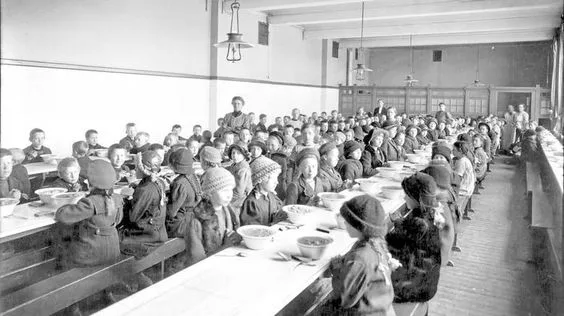
Anthropologists have noted that orphanhood often becomes a societal mirror—it reveals not only personal grief, but the fracture of a culture’s caregiving logic. In societies with strong kinship networks, the orphan is not a solitary figure; care is communal, and no one is ever truly parentless. But in more bureaucratic or fractured systems, orphanhood becomes not just a loss, but a label.
South African researcher Linda Richter puts it plainly: An orphan is not just a child without parents. An orphan is a signal that a society’s kinship system is under strain.
This observation reframes orphanhood not only as a private sorrow but as a structural indicator. It suggests that the orphan is not simply a vulnerable person to be pitied—but a prophetic presence, revealing where relational bonds have failed and where community has forgotten how to hold.
In many Indigenous cultures, the word for orphan carries layers of meaning that mirror, and even expand, the theological depth found in Scripture. Among the Lakota, the orphan is not defined by who is missing, but by who must now step in. The child is seen not as abandoned, but as one whom the community is summoned to claim. In Navajo thought, an orphan has lost not only parental care but spiritual anchoring—cut off from clan, land, and ceremony. In the Andes region, the Quechua may call an orphan wawa ch’usaq—“empty child”—a life needing to be refilled with presence, identity, and connection. For the South African Xhosa, the word inkedama implies not just parental loss, but being left behind socially, a condition meant to be answered by communal embrace.
In these languages, as in Scripture, orphanhood is not primarily a legal designation. It is a relational rupture, a spiritual condition, and a call to communal restoration. These cultures affirm what theology proclaims: that to be orphaned is to be vulnerable, but also to be sacredly seen—and to be drawn back, not just into safety, but into story.
Your orphanhood—if you carry it—may not be visible in status or legal form. But it is no less real. And in the biblical story, it is no less sacred.