How to Validate a Business Idea Before You Spend a Single Dollar
Val (Valdas) Samonis · August 12, 2026 · 4 min read
The most expensive mistake an online entrepreneur can make isn't a bad ad campaign or a clunky website. It's spending months — and thousands of dollars — building something the market never asked for.
Validation is how you avoid that. And the good news is that genuine validation costs almost nothing. What it requires is discipline: the willingness to test your assumptions against reality before you fall in love with your solution.
Here's the framework I use and teach. Work through these steps in order, and you'll know whether your idea deserves your money before you spend a single dollar of it.
Step 1: Write Down the Problem You're Actually Solving
Not your product. Not your course, your app, your service. The problem.
A sharp problem statement sounds like this: "Freelance graphic designers lose billable hours every week because they have no system for tracking client feedback across multiple revision rounds."
Notice what that sentence does — it names a specific person, a specific pain, and a specific cost. Vague problem statements ("people need better productivity") produce vague products that nobody searches for and nobody buys.
Write yours in one sentence. If you can't, you don't understand the problem well enough yet.
Step 2: Find Where the Problem Already Lives Online
Before you talk to anyone, do a listening tour. Search Reddit, Quora, Facebook Groups, and YouTube comment sections for language people use when they're frustrated with this problem. You're not looking for compliments for your idea — you're looking for evidence that the pain is real and recurring.
Paste the phrases people use into a document. These become your market's own words — the vocabulary your future sales page, emails, and content should mirror back to them.
If you can't find anyone complaining about the problem you're solving, that's a signal worth taking seriously.
Step 3: Talk to Five Real People — With One Rule
Reach out to five people who match your target profile and ask if they'd be willing to spend 20 minutes on a call. No selling. Just questions.
The one rule: never describe your solution during the call. The moment you pitch, people stop telling you the truth and start being polite.
Instead, ask things like:
- "Walk me through the last time this was a problem for you."
- "What have you already tried?"
- "What did that cost you — in time, money, or frustration?"
Listen for frequency (does this happen often?), intensity (how much does it hurt?), and spend (have they already paid something to solve it?). That last one is gold. If someone has already spent money attempting a solution, you have confirmed demand.
Step 4: Build the Smallest Possible Proof of Value
Here's where most aspiring entrepreneurs skip ahead to branding, domain names, and logo colors. Resist that completely.
Instead, build what I call a Minimum Viable Promise — the smallest thing you can offer that delivers real value and lets a real person say yes or no with their behavior (not just their words).
This could be:
- A free 45-minute workshop delivered over Zoom to a small group
- A one-page PDF guide sent to your email list or a relevant online community
- A presale page with a clear offer and a "join the waitlist" button — before the product exists
You are not looking for applause. You are looking for a specific signal: someone taking an action they didn't have to take. Signing up. Sharing it. Replying to ask when it launches. Putting down a deposit.
Polite enthusiasm from friends doesn't count. Unsolicited action from strangers does.
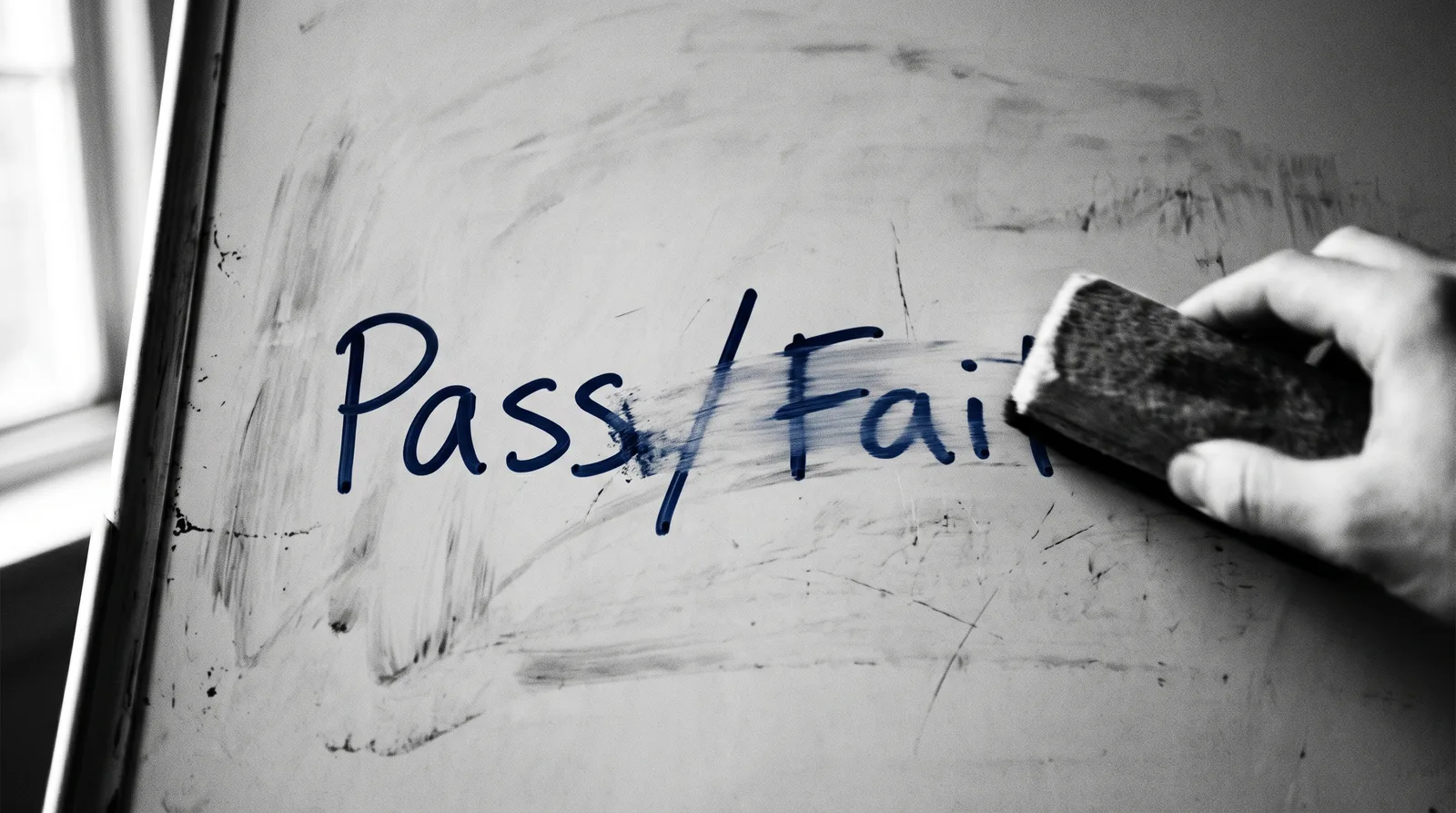
Step 5: Set a Clear Pass/Fail Threshold Before You Begin
This is the step most people skip, and it's the most important one.
Before you run any test, decide what success looks like in concrete terms. Not "I'll see how it goes." Something like: "If 10 people sign up for the free workshop within 72 hours of me posting about it, I'll move forward. If fewer than 5 do, I'll revisit the problem statement."
A threshold set in advance protects you from two failure modes: quitting too early when things feel slow, and rationalizing your way past bad signals because you're already emotionally invested.
Write the number down. Hold yourself to it.
Validation Is Not Pessimism — It's Respect
Running this framework isn't an act of doubt. It's an act of respect — for your own time, your own money, and the people you're hoping to serve. A business that exists because real humans confirmed they need it is fundamentally stronger than one built on a founder's optimism alone.
The entrepreneurs who launch on their own terms — on their schedule, within their budget, without nasty surprises — are almost always the ones who validated first.
If you want a structured way to move through every stage of launching an online business with this kind of rigor built in from the start, that's exactly what Launch On Your Terms is designed to give you.