Profit vs. Cash Flow: Why a Profitable Business Can Still Go Broke
Val (Valdas) Samonis · August 12, 2026 · 4 min read
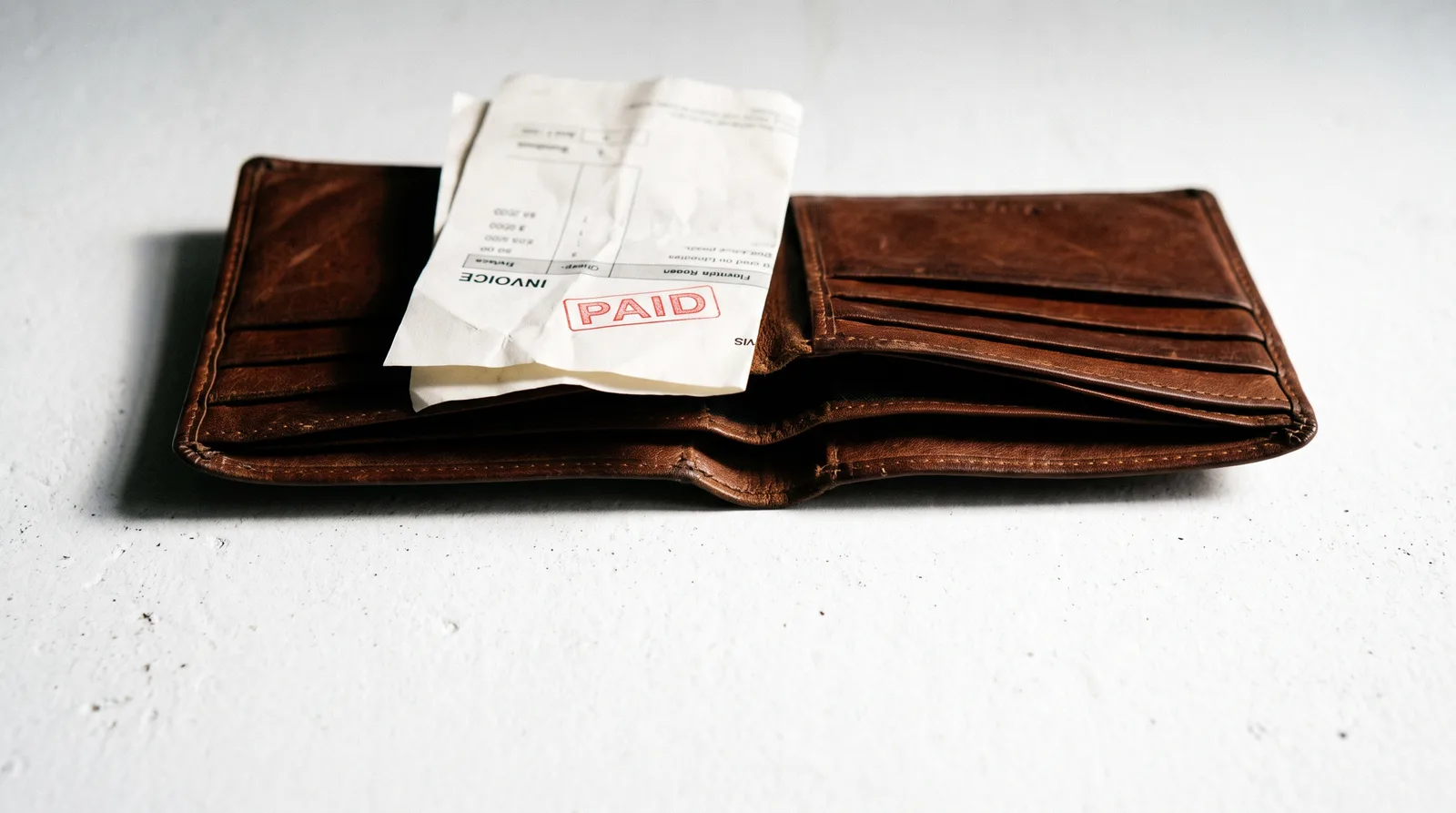
One of the most dangerous misconceptions in business is this: if I'm profitable, I'm fine.
It sounds logical. You earned more than you spent — that's the whole game, right? But every year, businesses that are genuinely profitable on paper run out of cash and shut their doors. Not because they failed at business. Because they didn't understand the difference between profit and cash flow.
Let me fix that for you right now.
What "Profit" Actually Means
When an accountant calculates your profit, they're working on something called the accrual basis. That means revenue is recorded when it's earned — not when the money actually hits your bank account. Expenses are recorded when they're incurred — not when you write the check.
So if you complete a $10,000 project in December and send the invoice, your books show $10,000 in revenue for December. Your profit looks great. But if your client pays in February, your bank account in December looks very different from your income statement.
That gap — between when you earn and when you collect — is where businesses get into trouble.
A Simple Example That Makes It Click
Imagine you run a small catering company. In March, you land three big corporate events worth $30,000 total. You buy the food, rent equipment, and pay your staff — spending $18,000 upfront. Your profit: $12,000. Solid.
But here's the catch. The corporations you catered for have Net-60 payment terms, meaning they'll pay 60 days after the invoice. Your suppliers and staff needed to be paid immediately.
Your income statement for March: +$12,000 profit. Your bank account in March: –$18,000.
You're profitable and you're out of cash. If rent is due, if another opportunity requires a deposit, or if anything unexpected comes up — you're stuck. This is called a cash flow problem, and it can sink a profitable business just as surely as losing money can.
The Three Places Cash Hides (or Disappears)
Understanding cash flow means understanding where your money actually goes. There are three main culprits:
1. Accounts Receivable Money owed to you by customers. It's income on your books, but it isn't in your hands. The longer your collection cycle, the bigger the gap between profit and cash.
2. Inventory If you buy products to resell, that inventory represents cash you've already spent — sitting on a shelf. It only converts back to cash when it sells and when the customer pays.
3. Debt Repayment Paying down a loan principal doesn't show up as an expense on your income statement — it doesn't affect profit at all. But every principal payment absolutely drains your cash. A business can be profitable while hemorrhaging cash to loan repayments.
The Document That Shows You the Truth
Your income statement tells you whether you made money. Your cash flow statement tells you whether you can survive.
The cash flow statement tracks actual dollars moving in and out of the business during a period — regardless of when those transactions were officially "earned" or "incurred." It's divided into three sections: operating activities, investing activities, and financing activities.
If you only ever look at one financial document, it should probably be this one — especially in your first few years. Profit is a destination. Cash flow is the fuel that gets you there.
What You Can Do About It Right Now
You don't need to be an accountant to protect yourself. A few practical habits make a real difference:
- Track your cash position weekly, not just your profit monthly. Know what's in the bank today and what's coming in or going out in the next 30 days.
- Shorten your collection cycle. Invoice immediately. Offer a small discount for early payment. Follow up before invoices are overdue, not after.
- Negotiate payment terms with suppliers. If you can pay vendors in 45 days but collect from customers in 30, your cash flow improves automatically.
- Build a cash reserve. Even one to two months of operating expenses in a separate account gives you breathing room when timing works against you.
The Bigger Picture
Profit tells you if your business model works. Cash flow tells you if your business works. You need both — but most beginners only watch one.
This distinction sits at the heart of real financial literacy, and it's one of the first things I dig into in the 21C School of Management. Because understanding frameworks like this one isn't just academic — it's the difference between a business that grows and one that quietly runs out of runway.
If this clicked for you, you're already thinking like someone who builds businesses that last.