
Car Servicing: The Complete Guide to Keeping Your Car Reliable, Safe, and Saving Thousands in Repair Costs
GCSE Courses · July 24, 2026 · 6 min read
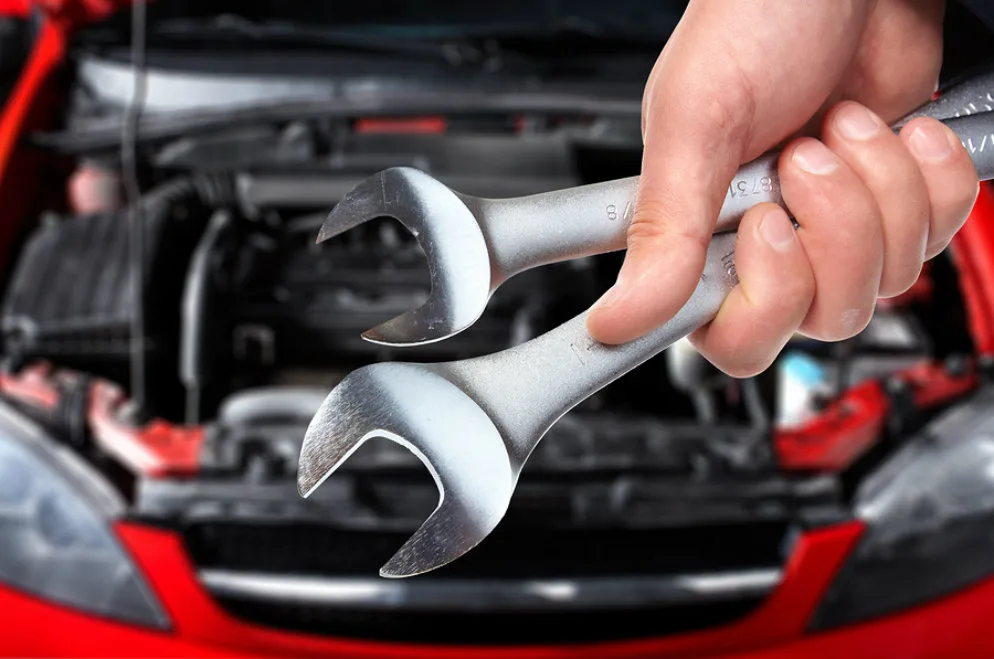
Every year, thousands of vehicle owners spend hundreds or even thousands of dollars on repairs that could have been prevented through regular car servicing.
A neglected oil change can destroy an engine.
A worn brake pad can damage expensive brake discs.
Ignoring a coolant leak can lead to a blown head gasket.
The good news? Most of these costly problems are entirely preventable.
Whether you own a small hatchback, family SUV, pickup truck, luxury sedan, or commercial vehicle, understanding car servicing is one of the smartest investments you can make.
If you’ve ever wondered what mechanics actually do during a service—or even considered becoming a professional automotive technician—this guide will explain everything.
What is Car Servicing?
Car servicing is the scheduled inspection, maintenance, adjustment, testing, and replacement of vehicle components to keep the vehicle operating safely, efficiently, and reliably.
Unlike repairing a breakdown, servicing focuses on preventing problems before they become expensive failures.
A properly serviced vehicle will:
- Start reliably
- Consume less fuel
- Produce lower emissions
- Perform better
- Last much longer
- Be safer to drive
- Retain a higher resale value
Think of servicing as a health check-up for your vehicle.
Why Regular Car Servicing Matters
Many drivers only visit a workshop when something breaks.
Professional mechanics know this is the most expensive way to own a vehicle.
Routine servicing helps prevent:
- Engine failure
- Overheating
- Brake failure
- Transmission damage
- Suspension wear
- Steering problems
- Electrical faults
- Battery failure
- Excessive tyre wear
Preventive maintenance always costs far less than major repairs.
Signs Your Car Needs Servicing
Watch for these warning signs:
Engine Warning Light
Modern vehicles monitor hundreds of systems.
Never ignore warning lights.
Poor Fuel Economy
If your car suddenly uses more fuel than usual, it may indicate:
- Dirty air filter
- Worn spark plugs
- Faulty sensors
- Low tyre pressure
- Dirty fuel injectors
Strange Noises
Listen for:
- Squealing brakes
- Knocking engine
- Grinding sounds
- Clicking CV joints
- Humming wheel bearings
These usually indicate worn components.
Vibrations
Unusual vibrations may come from:
- Wheel imbalance
- Suspension damage
- Brake disc problems
- Engine mounts
- Tyres
Difficulty Starting
Possible causes include:
- Weak battery
- Faulty starter motor
- Charging system issues
- Fuel delivery problems
Smoke from the Exhaust
Different smoke colours indicate different faults.
- Blue = Oil burning
- White = Coolant entering combustion chamber
- Black = Excess fuel
What Happens During a Car Service?
Professional servicing includes a complete inspection of major systems.
Engine Oil Change
Fresh oil lubricates moving parts and reduces wear.
Old oil loses its protective properties.
Ignoring oil changes is one of the quickest ways to destroy an engine.
Oil Filter Replacement
The oil filter removes contaminants from engine oil.
A blocked filter reduces lubrication efficiency.
Air Filter Inspection
The engine requires clean air.
A dirty filter causes:
- Reduced power
- Poor fuel economy
- Increased emissions
Brake Inspection
Mechanics inspect:
- Brake pads
- Brake discs
- Brake shoes
- Brake fluid
- Brake hoses
- Calipers
Your brakes are your most important safety system.
Coolant Check
Coolant prevents overheating.
Mechanics inspect:
- Coolant level
- Coolant quality
- Radiator
- Water pump
- Hoses
- Thermostat
Battery Testing
A healthy battery is essential.
Technicians check:
- Battery voltage
- Cranking performance
- Charging system
- Terminal corrosion
Tyre Inspection
Tyres are checked for:
- Tread depth
- Pressure
- Damage
- Uneven wear
- Sidewall cracks
Steering and Suspension
Mechanics inspect:
- Shock absorbers
- Ball joints
- Bushes
- Steering rack
- Tie rods
These affect comfort and vehicle control.
Lights
Every exterior light should function correctly.
Including:
- Headlights
- Indicators
- Brake lights
- Reverse lights
- Fog lights
Windshield System
Checks include:
- Wipers
- Washer pump
- Washer fluid
- Windshield condition
Types of Car Servicing
Interim Service
Usually every 6 months.
Ideal for high-mileage drivers.
Full Service
Typically once every year.
Includes a comprehensive inspection.
Major Service
Performed every two years or according to manufacturer recommendations.
Includes replacement of additional wear components.
Common Service Items
A professional service may include replacing:
- Engine oil
- Oil filter
- Air filter
- Cabin filter
- Fuel filter
- Spark plugs
- Brake fluid
- Transmission fluid
- Coolant
- Drive belts
- Timing belt (when scheduled)
How Often Should You Service Your Car?
Always follow the manufacturer’s maintenance schedule.
Generally:
- Oil: Every 5,000–15,000 km (depending on vehicle and oil type)
- Full service: Every 12 months or recommended mileage
- Brake fluid: Every 2 years
- Coolant: Every 2–5 years
- Transmission fluid: Manufacturer recommendation
- Spark plugs: Depending on plug type
Driving conditions may require more frequent servicing.
Benefits of Professional Car Servicing
Regular servicing provides:
Lower Fuel Costs
A well-maintained engine burns less fuel.
Increased Reliability
Serviced vehicles are less likely to break down unexpectedly.
Higher Resale Value
Buyers prefer vehicles with documented service histories.
Better Safety
Regular inspections identify dangerous faults before accidents occur.
Longer Engine Life
Proper lubrication dramatically reduces engine wear.
Lower Repair Costs
Preventive maintenance avoids catastrophic failures.
Can You Service Your Own Car?
Basic maintenance can be learned, including:
- Oil changes
- Air filter replacement
- Cabin filter replacement
- Battery maintenance
- Tyre pressure checks
- Fluid inspections
However, modern vehicles require specialist knowledge, diagnostic equipment, and manufacturer procedures for many servicing tasks.
Professional mechanics understand:
- Electronic control systems
- Computer diagnostics
- Torque specifications
- Safety procedures
- Hybrid and electric vehicle precautions
The Future of Car Servicing
Today’s vehicles are becoming increasingly advanced.
Modern mechanics now work with:
- Computer diagnostics
- Electronic control modules
- Hybrid systems
- Electric vehicles
- ADAS (Advanced Driver Assistance Systems)
- Digital service records
- AI-assisted diagnostics
Automotive technology continues to evolve, creating strong demand for highly skilled technicians.
Is Automotive Mechanics a Good Career?
Absolutely.
Qualified mechanics are in demand worldwide.
Career opportunities include:
- Automotive technician
- Workshop mechanic
- Fleet maintenance engineer
- Mobile mechanic
- Diagnostic specialist
- Service advisor
- Workshop manager
- Technical trainer
- Business owner
With experience, many mechanics build successful workshops or mobile repair businesses serving hundreds of customers each year.
Learn Professional Car Servicing Online
Imagine being able to confidently inspect, service, diagnose, and repair modern vehicles using the same techniques trusted by professional technicians.
Whether your goal is to:
- Start a new career
- Improve your workshop skills
- Save money by servicing your own vehicles
- Build a profitable automotive business
- Become a certified professional mechanic
the right training can accelerate your journey.
Join the GCSE Courses Automotive Motor Mechanics Online Course
Our comprehensive online programme is designed for beginners through to aspiring professionals and combines theory with practical workshop skills.
You’ll learn how to:
- Perform complete vehicle servicing
- Change engine oil and filters correctly
- Inspect and repair braking systems
- Diagnose engine and electrical faults
- Use professional diagnostic scan tools
- Service cooling, steering, suspension, and transmission systems
- Understand modern petrol, diesel, hybrid, and electric vehicles
- Build real-world troubleshooting skills used in professional workshops
What you’ll receive:
- Step-by-step video lessons
- Practical demonstrations
- Quizzes and assessments
- Downloadable learning resources
- Self-paced online learning
- Instructor support
- Industry-focused automotive training
Whether you dream of working in a dealership, running your own garage, or becoming the trusted mechanic everyone relies on, this course provides the knowledge and practical foundation to help you get there.
Start learning today and turn your passion for cars into a valuable lifelong skill—or even a rewarding career.