
Repairing latest Electrical Vehicles and Hybrid vehicles professionally.
GCSE Courses · July 24, 2026 · 7 min read
Repairing the Latest Electric Vehicles (EVs) and Hybrid Vehicles Professionally: The Skills That Will Define the Next Generation of Auto Technicians
The automotive industry is undergoing its biggest transformation in more than a century.
Electric Vehicles (EVs) and Hybrid Electric Vehicles (HEVs) are rapidly becoming a common sight on roads across the world. From Tesla and BYD to Toyota, BMW, Mercedes-Benz, Ford, Hyundai, Kia, Nissan, Volvo, and many other manufacturers, nearly every major automotive brand is investing heavily in electric mobility.
While this shift is exciting for drivers, it presents a major challenge—and opportunity—for automotive technicians.
The mechanics who only understand petrol and diesel engines may find themselves left behind. On the other hand, technicians with professional EV and hybrid repair skills are becoming some of the most sought-after specialists in the industry.
If you’re passionate about cars and want to future-proof your career, learning to professionally diagnose, service, and repair electric and hybrid vehicles is one of the smartest investments you can make.
The Rise of Electric and Hybrid Vehicles
Electric mobility is no longer a concept for the future—it is already here.
Governments around the world are introducing stricter emissions regulations, manufacturers are expanding their electric vehicle ranges, and businesses are electrifying their fleets to reduce operating costs and environmental impact.
As more EVs and hybrids reach the road, they also require regular servicing, diagnostics, maintenance, and repairs.
That means one thing:
The demand for skilled EV and hybrid technicians is growing rapidly.
What Is the Difference Between an EV and a Hybrid Vehicle?
Understanding the difference is the first step toward becoming an EV specialist.
Electric Vehicles (EVs)
Electric vehicles are powered entirely by electricity stored in high-voltage battery packs.
They have:
- No petrol or diesel engine
- High-voltage lithium-ion battery
- Electric traction motor
- Inverter
- Onboard charger
- Regenerative braking system
- Advanced electronic control systems
Examples include fully electric passenger cars, SUVs, vans, and commercial vehicles.
Hybrid Electric Vehicles (HEVs)
Hybrid vehicles combine:
- Internal combustion engine
- Electric motor
- High-voltage battery
- Intelligent energy management system
The vehicle automatically switches between electric power and the engine to maximise efficiency.
Plug-in Hybrid Electric Vehicles (PHEVs)
Plug-in hybrids can be charged externally while also operating using petrol or diesel.
They combine the benefits of:
- Long driving range
- Reduced fuel consumption
- Lower emissions
- Electric-only driving for shorter journeys
Why EV and Hybrid Repairs Require Specialised Skills
Unlike conventional vehicles, EVs contain electrical systems operating at hundreds of volts.
Without proper training, working on these systems can be extremely dangerous.
Professional technicians understand how to:
- Safely isolate high-voltage systems
- Verify zero voltage before repairs
- Use insulated tools correctly
- Wear appropriate personal protective equipment (PPE)
- Follow manufacturer-approved procedures
- Prevent electrical shock hazards
- Protect battery systems from damage
Safety is always the first priority.
Essential Systems Every EV Technician Must Understand
Professional EV repair goes far beyond replacing batteries.
Modern technicians need expertise in multiple vehicle systems.
High-Voltage Battery Systems
The battery is the heart of every EV.
Technicians learn to:
- Assess battery health
- Diagnose battery faults
- Replace damaged modules
- Balance battery cells
- Test battery performance
- Understand battery management systems (BMS)
Electric Drive Motors
Electric motors convert electrical energy into mechanical motion.
Training includes:
- Motor operation
- Motor cooling
- Bearing inspection
- Rotor and stator diagnostics
- Torque characteristics
- Performance testing
Battery Management System (BMS)
The BMS continuously monitors:
- Cell voltages
- Battery temperature
- Charging rates
- State of charge (SOC)
- State of health (SOH)
Diagnosing BMS faults is a key skill for modern technicians.
Power Electronics
Every EV relies on sophisticated electronic systems including:
- Inverters
- DC-DC converters
- Onboard chargers
- Power distribution units
- High-voltage relays
Understanding these systems is essential for accurate diagnostics.
Charging Systems
Professional technicians inspect and repair:
- AC charging systems
- DC fast charging
- Charging ports
- Charging cables
- Charging communication systems
- Home charging equipment
Common EV and Hybrid Repairs
Although EVs have fewer moving parts than conventional vehicles, they still require regular servicing and repairs.
Common workshop jobs include:
- High-voltage battery diagnostics
- Cooling system maintenance
- Brake servicing
- Suspension repairs
- Steering repairs
- Wheel alignment
- Air conditioning servicing
- Software updates
- Charging system diagnosis
- Electrical fault finding
Many traditional workshop skills remain important, while new electrical expertise becomes essential.
The Importance of Computer Diagnostics
Modern EVs are essentially computers on wheels.
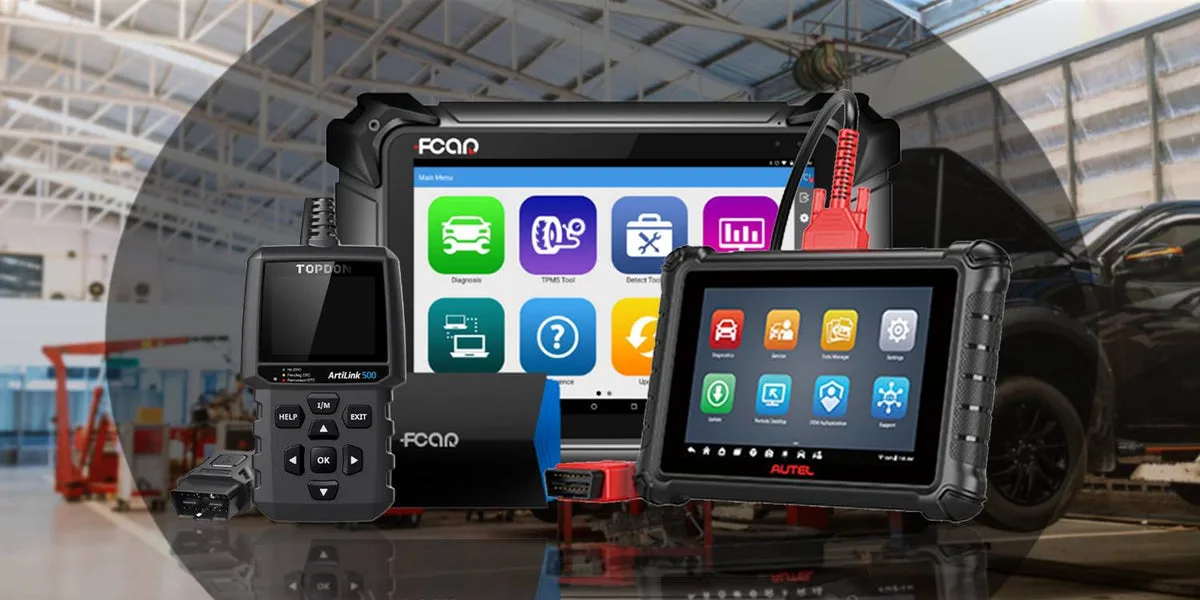
Professional technicians use advanced diagnostic tools to:
- Read fault codes
- Monitor live sensor data
- Update vehicle software
- Calibrate electronic systems
- Perform guided diagnostics
- Test communication networks
Accurate diagnostics reduce repair time and improve customer satisfaction.
Safety Equipment Every EV Technician Needs
Professional workshops use specialised safety equipment such as:
- High-voltage insulated gloves
- Face shields
- Insulated hand tools
- Lockout and tagout kits
- High-voltage warning signs
- CAT-rated multimeters
- Insulation resistance testers
- Rescue hooks
- Fire safety equipment
Working safely is just as important as working efficiently.
Career Opportunities in EV and Hybrid Technology
As the automotive industry evolves, skilled technicians have access to exciting career paths.
These include:
- Electric vehicle technician
- Hybrid vehicle specialist
- High-voltage systems technician
- Diagnostic technician
- Dealership service technician
- Fleet maintenance engineer
- EV charging infrastructure technician
- Technical trainer
- Workshop manager
- Automotive entrepreneur
Businesses that invest in EV expertise today are preparing for tomorrow’s automotive market.
Why Learn EV Repairs Now?
The number of electric and hybrid vehicles on the road continues to increase every year.
That means workshops everywhere will need technicians who can confidently:
- Diagnose electrical faults
- Service high-voltage systems
- Repair battery systems
- Perform software diagnostics
- Maintain electric drivetrains
- Follow international safety procedures
Those who develop these skills early will be well positioned for future opportunities.
Build Your Future with the Renstay College (UK) Automotive Motor Mechanics Diploma
The future of automotive technology belongs to technicians who understand both conventional vehicles and the latest electric and hybrid systems.
The Renstay College (UK) IQA Automotive Motor Mechanics Diploma has been developed to prepare students for this new era of vehicle technology.
Whether you’re a complete beginner, an experienced mechanic looking to upskill, or someone planning to start an automotive business, our online programme provides practical, industry-focused training.
What You’ll Learn
Our comprehensive curriculum covers:
- Automotive electrical and electronic systems
- High-voltage safety procedures
- Hybrid and electric vehicle technology
- Battery management systems
- Electric drive motors
- Computerised vehicle diagnostics
- CAN Bus and vehicle communication networks
- Charging systems and infrastructure
- Fault finding and troubleshooting
- Vehicle servicing and preventive maintenance
- Petrol, diesel, hybrid, and electric vehicle repair
You’ll also develop the diagnostic mindset and systematic approach used by professional technicians worldwide.
Why Choose Renstay College (UK)?
When you enrol, you’ll benefit from:
- 100% online, flexible learning
- Self-paced study with up to 12 months to complete
- Step-by-step video lessons
- Practical workshop demonstrations
- Downloadable study materials
- Real-world case studies
- Quizzes and assessments
- Expert learner support
- Career-focused automotive training
- Coverage of both traditional and emerging vehicle technologies
Future-Proof Your Automotive Career
The automotive industry is changing—but opportunity has never been greater.
The technicians who thrive in the coming years will be those who embrace new technologies, understand advanced electrical systems, and continue developing their skills.
If you want to become a professional mechanic capable of servicing today’s petrol and diesel vehicles while confidently diagnosing tomorrow’s electric and hybrid cars, now is the time to invest in your future.
Enrol Today in the Renstay College (UK) IQA Automotive Motor Mechanics Diploma
Learn from anywhere in the world, study at your own pace, and gain the knowledge and practical skills needed to work confidently on modern vehicles.
The future of automotive repair is electric. Start your journey with Renstay College (UK) today and become the technician every workshop wants to hire.