
French for Beginners: Your Step-by-Step Roadmap to Traveling France Without Stress
PLParlioVox Learning · July 27, 2026 · 4 min read
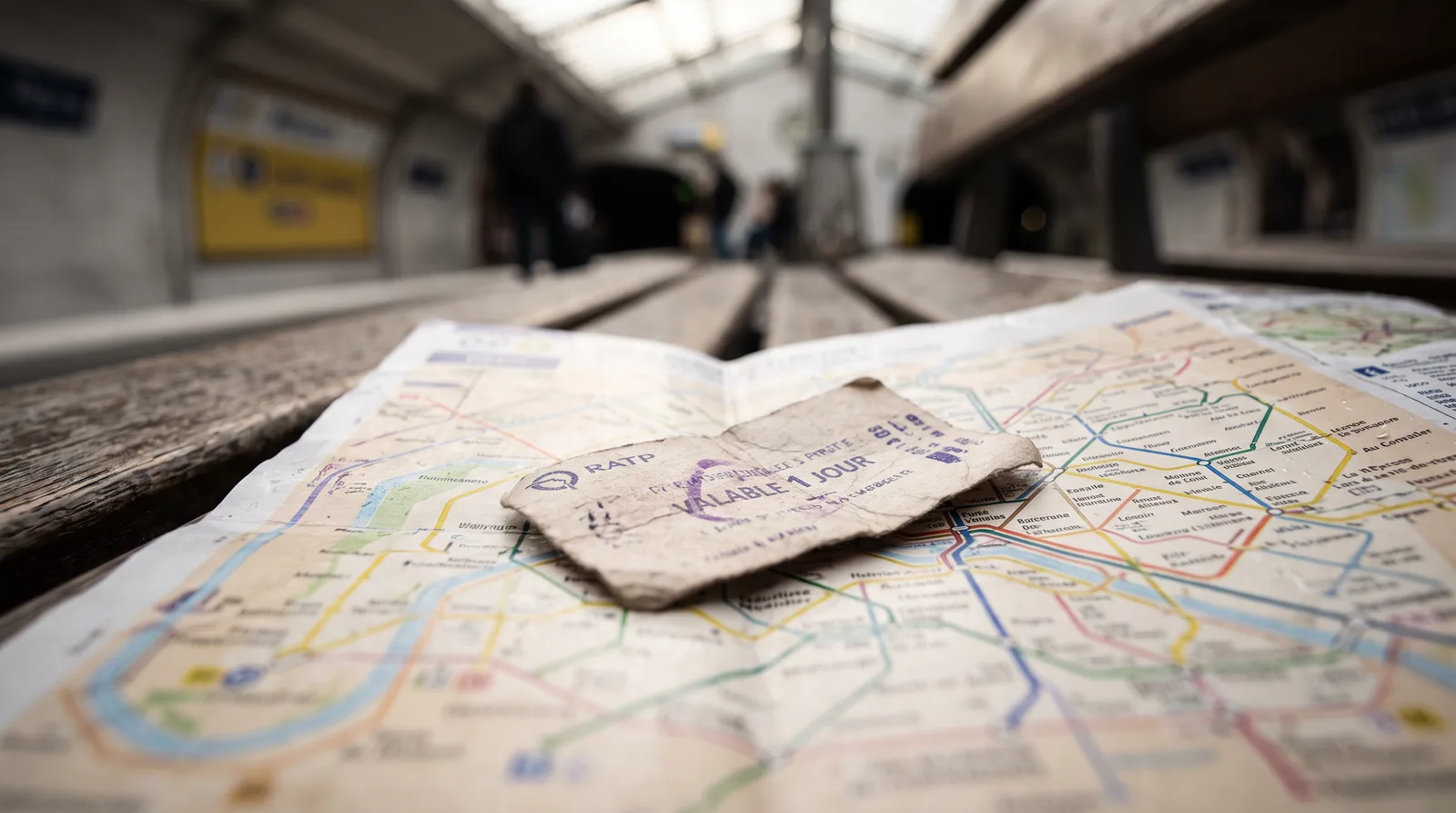
France rewards the traveler who tries. Even a single bonjour or s'il vous plaît dropped at the right moment shifts the entire energy of an interaction. But "just try speaking French" isn't a plan — it's a hope. What actually reduces stress is knowing which French to learn first and why that order matters.
Here's the step-by-step roadmap I give every first-time traveler to France.
Step 1: Master the Social Glue First
Before you learn to order a crêpe or ask for directions, learn the phrases that open every door in France. French culture places enormous value on greeting and addressing people properly, and skipping this step is the single most common mistake English-speaking travelers make.
Learn these in Week 1:
- Bonjour / Bonsoir — Good morning/afternoon / Good evening. Use bonjour every single time you walk into a shop, bakery, or restaurant. Every time.
- S'il vous plaît / Merci — Please / Thank you.
- Excusez-moi — Excuse me (to get attention politely).
- Parlez-vous anglais ? — Do you speak English? (Yes, you need this. Asking in French earns enormous goodwill.)
- Je ne comprends pas. — I don't understand.
- Pouvez-vous répéter, s'il vous plaît ? — Can you repeat that, please?
That last two are magic. They signal effort and humility — and native speakers almost always slow down in response.
Step 2: Navigate Arrivals and Transport
Once you've landed at Charles de Gaulle or Marseille-Provence, the clock is ticking. Learn transport vocabulary before you need it under pressure.
At the airport and train stations:
- Où est… ? — Where is…? (Plug in: les toilettes, la sortie (exit), le taxi)
- Un billet pour [city], s'il vous plaît. — A ticket to [city], please.
- Aller simple / aller-retour — One-way / round trip.
- À quelle heure part le train ? — What time does the train leave?
On the Paris Métro:
- Quelle ligne pour… ? — Which line for…?
- C'est direct ? — Is it direct?
The RER and Métro signs are largely visual, which helps — but being able to ask a station agent these questions confidently takes an enormous weight off your shoulders.
Step 3: Check In and Settle at Your Hotel
Hotel interactions are beautifully predictable, which makes them excellent practice ground.
- J'ai une réservation au nom de… — I have a reservation under the name of…
- À quelle heure est le petit-déjeuner ? — What time is breakfast?
- La chambre est très bien, merci. — The room is great, thank you.
- Il y a un problème avec… — There's a problem with… (followed by pointing — entirely acceptable)
- Pouvez-vous appeler un taxi ? — Can you call a taxi?
Step 4: Eat and Drink Like You Belong There
Cafés and restaurants are where travelers spend most of their time — and most of their anxiety. These phrases handle 90% of what you'll need.
- Une table pour deux, s'il vous plaît. — A table for two, please.
- La carte, s'il vous plaît. — The menu, please.
- Je voudrais… — I would like… (safer and more polite than Je veux, which can sound abrupt)
- C'est quoi, ça ? — What is that? (Great for pointing at mystery dishes on a chalkboard menu)
- Sans [ingredient], s'il vous plaît. — Without [ingredient], please.
- L'addition, s'il vous plaît. — The check, please. (Waitstaff in France will not bring it until you ask.)
- C'était délicieux ! — That was delicious! (Always worth saying.)
Step 5: Shop, Explore, and Handle the Unexpected
Markets, boutiques, and attractions each have their own mini-vocabulary — but these phrases stretch across all of them.
- C'est combien ? — How much is it?
- Vous acceptez les cartes de crédit ? — Do you accept credit cards?
- Où sont les toilettes ? — Where are the restrooms? (You will use this constantly.)
- Je cherche… — I'm looking for…
- Appelez la police / une ambulance, s'il vous plaît. — Please call the police / an ambulance.
That last one belongs in your phone's notes app right now, before you travel.
The One Rule That Ties It All Together
Every interaction in France should start with bonjour and end with merci or au revoir. That frame — greeting, request, thanks — is not just politeness. It is the cultural contract. When you follow it, even imperfectly, the French meet you more than halfway.
You don't need to nail the accent. You don't need flawless grammar. You need the right phrases in the right moments, and the confidence to use them.
That's exactly what Essential French for Travel is built to give you — structured, practical, and designed so that every phrase you learn is one you'll actually use the moment you land.
Want to go deeper than a blog post?
Essential French for Travel
Learn the French you actually need to travel confidently — from ordering croissants to navigating metros — without years of classroom study.
Start learning — $5/mo