
Mandarin vs. Cantonese: Which Chinese Language Should Your Child Learn First?
PLParlioVox Learning · July 27, 2026 · 4 min read
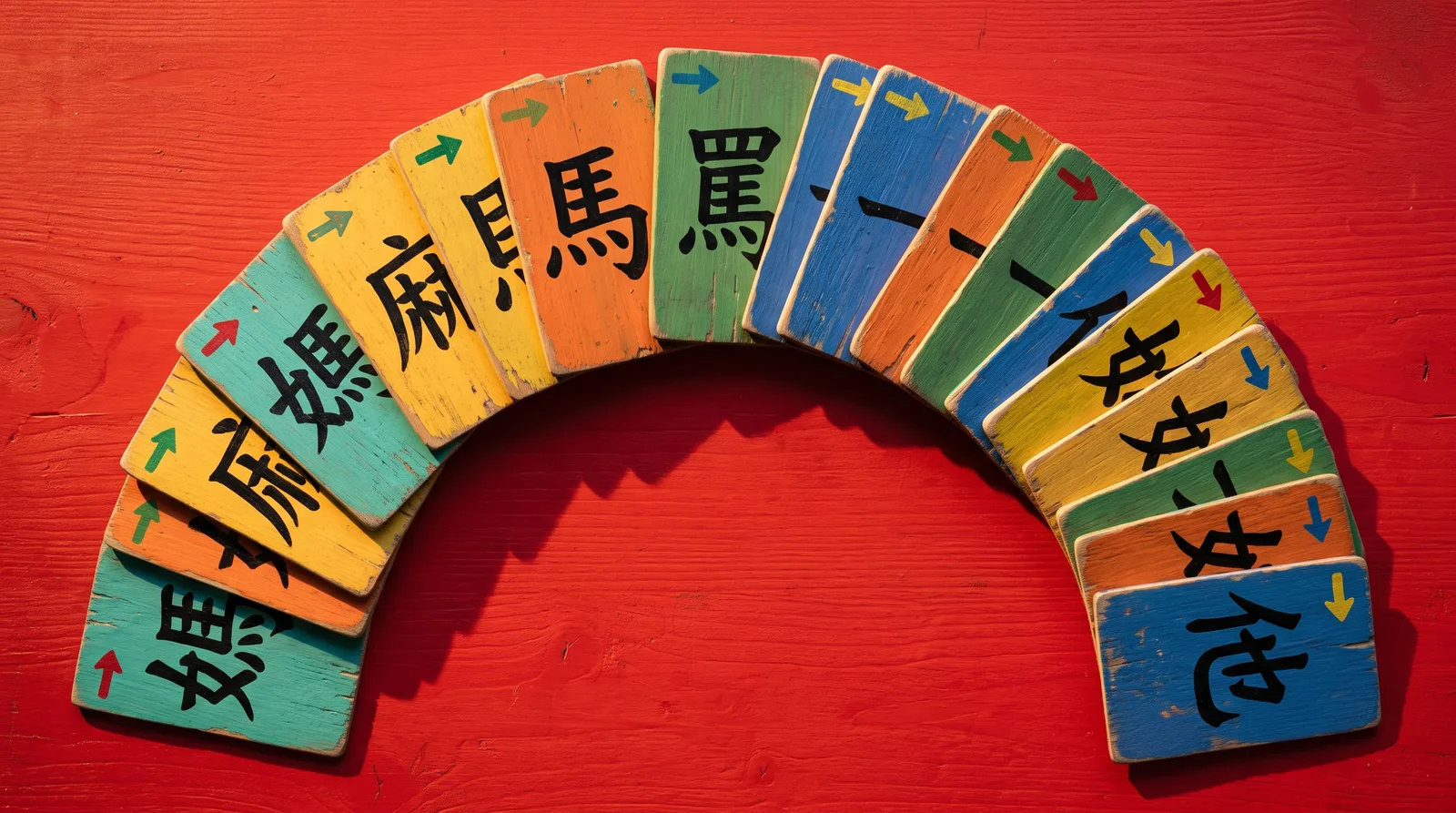
If you've ever typed "should my child learn Mandarin or Cantonese?" into a search bar at midnight, you're not alone. For parents who didn't grow up speaking either language, the question feels like standing at a fork in a road where both signs are written in a script you can't yet read.
Let's fix that. By the end of this post, you'll understand the real differences between the two languages — and feel confident making the right call for your child.
First, Are They Even the Same Language?
No — and this surprises a lot of parents. Mandarin and Cantonese are both Chinese languages, but they are not mutually intelligible. A native Mandarin speaker and a native Cantonese speaker cannot understand each other in conversation, any more than a Spanish speaker can follow along in Portuguese without study.
What does overlap is the written script. Both languages share Chinese characters (though Cantonese writing has some of its own characters, and the two can use different character sets). That shared writing system is part of why people sometimes assume the two are dialects of the same thing. Spoken, they are distinctly different — different vocabulary, different grammar patterns, and very different tones.
Mandarin has 4 tones (plus a neutral tone). Cantonese has 6 tones in everyday use (sometimes counted as 9 in formal linguistics). Both require tonal accuracy to be understood, but Cantonese is genuinely more complex on that front for a beginner.
Where Is Each Language Spoken?
This is one of the most practical questions you can ask.
Mandarin is the official language of mainland China, Taiwan, and Singapore. It's the language of government, education, national media, and business across a combined population of well over a billion people. It's also one of the six official languages of the United Nations.
Cantonese is spoken primarily in the Guangdong province of China (including Shenzhen and Guangzhou), Hong Kong, and Macau. It's also the dominant Chinese language in many overseas communities — particularly in older Chinese-American neighborhoods, parts of the UK, and Australia — because of historical immigration patterns.
So: if your child's goal is breadth of reach, Mandarin wins by an enormous margin. If your family has deep roots in Hong Kong or Guangdong, or you want your child to connect with a specific community, Cantonese has irreplaceable cultural and emotional value.
Which Is Easier for Kids to Pick Up?
Neither is easy by any measure, but Mandarin has a few advantages for young learners starting from zero:
- Fewer tones to master at the outset (4 vs. 6) means children can achieve communicative success faster, which keeps motivation high.
- More learning resources exist in Mandarin for kids — apps, songs, stories, games, and structured curricula are far more abundant.
- More speakers to practice with. Whether through a language exchange, a tutor, or a community class, finding a Mandarin conversation partner for your child is dramatically easier in most US cities than finding a Cantonese one.
- School reinforcement is more likely. Dual-language Mandarin programs exist in public schools across the US. Cantonese school programs are rarer and mostly concentrated in a handful of cities.
None of this means Cantonese is a bad choice — it's a beautiful, expressive language with a rich literary and pop-culture tradition. But for a child with no prior exposure to Chinese languages, Mandarin offers a clearer runway.
What About the Characters? Does That Change Things?
Here's the good news: learning Mandarin first does not lock your child out of Cantonese later. Because the two languages share a large core of written Chinese characters, a child who learns to read Mandarin (in simplified or traditional characters) has already built scaffolding that makes picking up Cantonese reading far less daunting down the road.
The reverse is also true, but Mandarin's written resources for kids — graded readers, illustrated storybooks, character workbooks — are simply more plentiful.
So, What's the Verdict?
For most families starting from scratch, Mandarin is the stronger first step. It offers wider reach, richer learning resources, and a gentler tonal entry point — all of which stack the odds in your child's favor for actually sticking with it.
That said, if Cantonese is the language of your family's history, your child's grandparents, or a community you deeply belong to, start there. Language learning is most powerful when it's personal.
One Practical Thing You Can Do Today
Before enrolling your child in anything, sit with them and watch five minutes of a Mandarin children's song on YouTube. Watch their face. Do their eyes light up? Do they try to mimic the sounds? That spark of curiosity is worth more than any curriculum decision you'll make — and it's the best signal that the time is right to begin.
If Mandarin feels like the right fit, we'd love to be part of that journey.
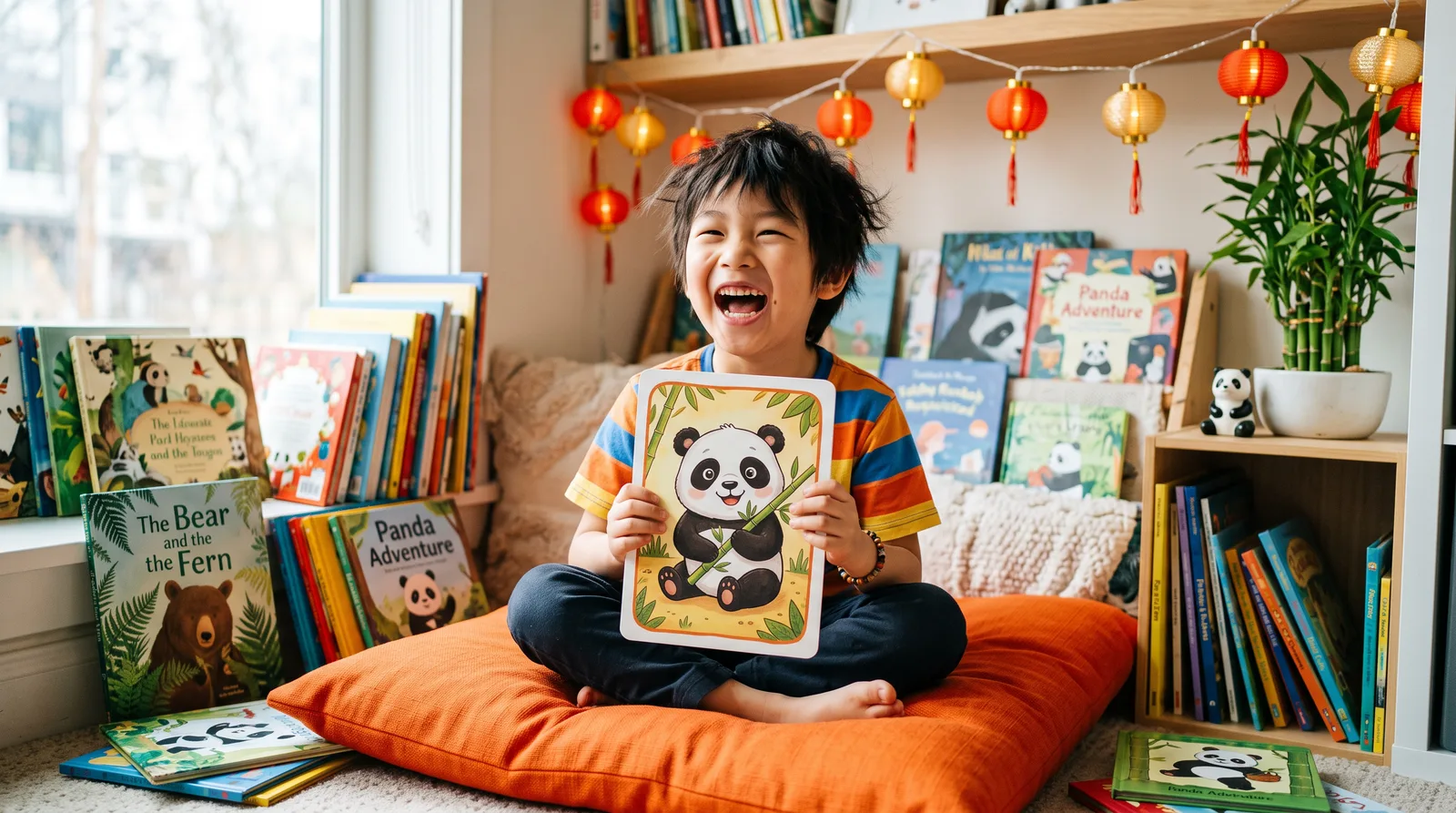
Want to go deeper than a blog post?
Mandarin Magic Kids
A whimsical, adventure-filled Mandarin Chinese school where kids ages 5–12 learn to speak, read, and write through colorful characters, silly songs, and playful stories. Every lesson feels like a game — so children beg to come back for more!
Start learning — $24.99/mo