
How to Book a Hotel Room in Spanish: The Exact Phrases You Need
PLParlioVox Learning · July 27, 2026 · 4 min read
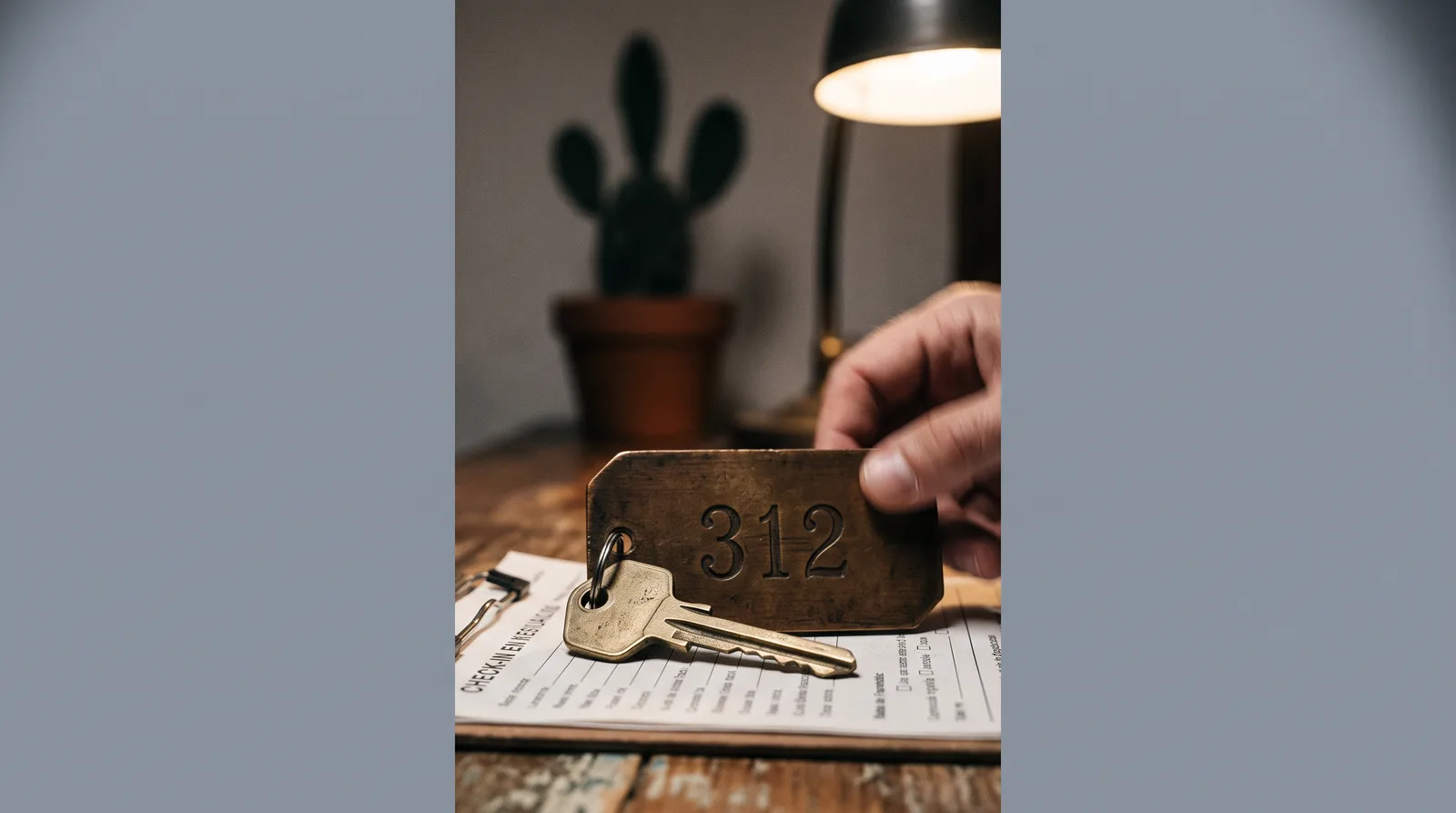
Walking up to a hotel front desk in a Spanish-speaking country can feel intimidating — but here's the truth: the conversation almost always follows the same script. Master a handful of key phrases and you'll glide through check-in, handle hiccups, and even impress the staff with your effort. That effort matters more than you think. A warm buenas tardes and a genuine attempt at Spanish opens doors — sometimes literally.
Let's walk through the whole hotel experience, phrase by phrase.
Arriving at the Front Desk
Your first move is a greeting. Spanish-speaking countries take greetings seriously, so don't skip straight to business.
- Buenos días — Good morning
- Buenas tardes — Good afternoon/evening
- Buenas noches — Good evening/night
Then introduce your reason for being there:
Tengo una reserva a nombre de [your name]. (I have a reservation under the name [your name].)
If you don't have a reservation and want to ask about availability:
¿Tienen habitaciones disponibles para esta noche? (Do you have rooms available for tonight?)
Specifying Your Room Type
Hotel staff will often ask what kind of room you need. It helps to know your options:
- una habitación individual — a single room
- una habitación doble — a double room (can mean one double bed or two singles — always clarify)
- una habitación con cama de matrimonio — a room with a queen/king bed
- una habitación con dos camas — a room with two beds
Use this frame to make your request:
Quisiera una habitación doble con cama de matrimonio, por favor. (I'd like a double room with a queen bed, please.)
"Quisiera" (I would like) is polite and natural — much better than the blunter "quiero" (I want) in a formal setting.
Asking About Inclusions and Amenities
A few questions that can save you money or morning panic:
¿El desayuno está incluido? (Is breakfast included?)
¿Hay wifi en la habitación? (Is there Wi-Fi in the room?)
¿Tienen estacionamiento? (Do you have parking?) — Note: in Spain you might hear aparcamiento instead of estacionamiento.
¿A qué hora es el check-out? (What time is checkout?)
That last one is worth asking at check-in so you're not caught off guard the next morning.
Handling Problems Like a Pro
Things go wrong. A phrase or two can fix them without stress.
If there's an issue with your room:
Hay un problema con mi habitación. (There's a problem with my room.)
Then describe it simply:
- No funciona el aire acondicionado. — The air conditioning isn't working.
- No hay agua caliente. — There's no hot water.
- La habitación huele raro. — The room smells strange.
- Necesito más toallas, por favor. — I need more towels, please.
If you'd like to change rooms:
¿Es posible cambiar de habitación? (Is it possible to change rooms?)
Checking Out
When it's time to leave, keep it simple:
Quisiera hacer el check-out, por favor. (I'd like to check out, please.)
¿Me puede dar la cuenta? (Can you give me the bill?)
If something on the bill looks off:
Creo que hay un error en la cuenta. (I think there's an error on the bill.)
You don't need to argue the details in Spanish — just flag it calmly, and staff will usually switch to English or pull up the breakdown for you to review visually.
One Phrase That Does a Lot of Work
If you're ever lost in a response and need help, this single sentence is your best friend:
¿Puede hablar más despacio, por favor? (Can you speak more slowly, please?)
No one will judge you. In fact, most front desk staff in tourist areas appreciate a traveler who's genuinely trying. Slowing down is a courtesy they're happy to extend.
Practice Makes Check-In Easy
Read these phrases out loud before your trip — even once or twice in the car or shower. The goal isn't perfection. It's familiarity. When the words feel slightly comfortable in your mouth, you'll reach for them naturally instead of freezing up.
These phrases are just the beginning of what you can do with focused, practical Spanish. If you want to go deeper — covering restaurants, transportation, shopping, and emergencies — Essential Spanish for Travel walks you through every real-world scenario you'll actually encounter, one confident conversation at a time.
¡Buen viaje!
Want to go deeper than a blog post?
Essential Spanish for Travel
Learn the Spanish you actually need to travel confidently — from booking hotels to ordering food and handling emergencies — no prior experience required.
Start learning — $5/mo