Every week I talk with parents who are genuinely curious about online school — and genuinely nervous about it. The nerves usually come from the same handful of beliefs that float around in parent Facebook groups, at school pickup, and in worried dinner-table conversations.
I get it. These myths sound reasonable. But when you look closely, most of them crumble fast. Let's go through the five I hear most often.
Myth 1: "Online school is easier — it's basically just watching videos."
This one is the most persistent, and the most wrong.
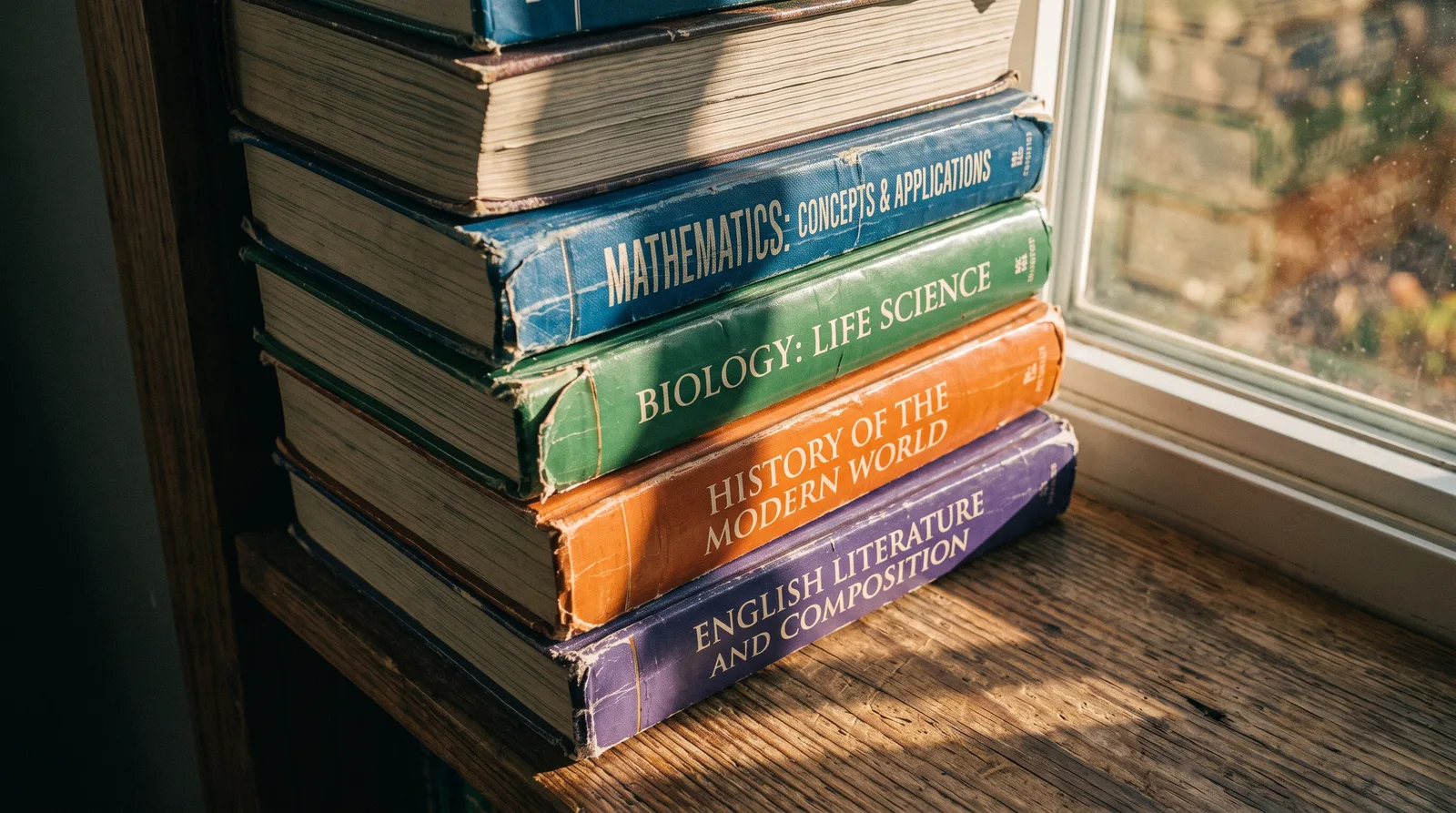
Quality online programs cover the exact same academic standards as traditional schools — including Advanced Placement courses that are evaluated by the College Board, not the online school itself. AP Calculus has the same syllabus and the same exam whether a student preps in a brick-and-mortar classroom or a virtual one.
What online school does change is the format. Instead of passively sitting in a 30-student classroom, a student might work through an interactive problem set, get targeted feedback, and then immediately move to the next concept — or loop back to fill a gap. That's not easier. In many ways, it demands more self-direction.
The honest question isn't "is it rigorous?" It's "does this specific program hold students to high standards?" That question applies equally to traditional schools.
Myth 2: "Kids who do online school miss out on social development."
Social skills don't come from sitting in a school building — they come from practicing communication, collaboration, and conflict resolution with other people. Online learners do that too: through live video sessions, group projects, discussion boards, community sports leagues, faith communities, co-ops, and family life.
In fact, some students in traditional schools spend their social hours managing anxiety, bullying, or peer pressure that has nothing to do with genuine relationship-building. Switching to online school can, for certain kids, actually free up energy for deeper, healthier connections.
The research literature on virtual learning consistently notes that social outcomes depend far more on the structures a family builds around learning than on the school building itself.
Myth 3: "Colleges won't take online school seriously."
Colleges evaluate transcripts, test scores, essays, and recommendation letters. An accredited online school produces all of those. What admissions officers are looking for is evidence that a student challenged themselves, built genuine skills, and can thrive in a college environment.
A student who completes rigorous coursework, earns strong AP exam scores, and demonstrates intellectual curiosity through their application is competitive — full stop. The school's physical address is not the deciding factor.
The practical step here: make sure any online program you choose is regionally or nationally accredited, so transcripts are universally recognized. That's a box worth checking for any school, virtual or not.
Myth 4: "Kids who do online school lack structure and discipline."
This is almost backwards. Traditional school provides a fixed external structure — bells, buses, and block schedules do the organizing for students. Online school requires students to build and maintain their own structure. That's not a weakness of the model. That's actually one of its greatest gifts.
Executive functioning — the ability to plan, prioritize, manage time, and follow through — is one of the most reliable predictors of long-term success in college and careers. Online learners practice these skills daily, by necessity.
Does it take time to develop? Absolutely. Is it a reason to avoid online school? No — it's a reason to choose a program that actively teaches those habits alongside academics.
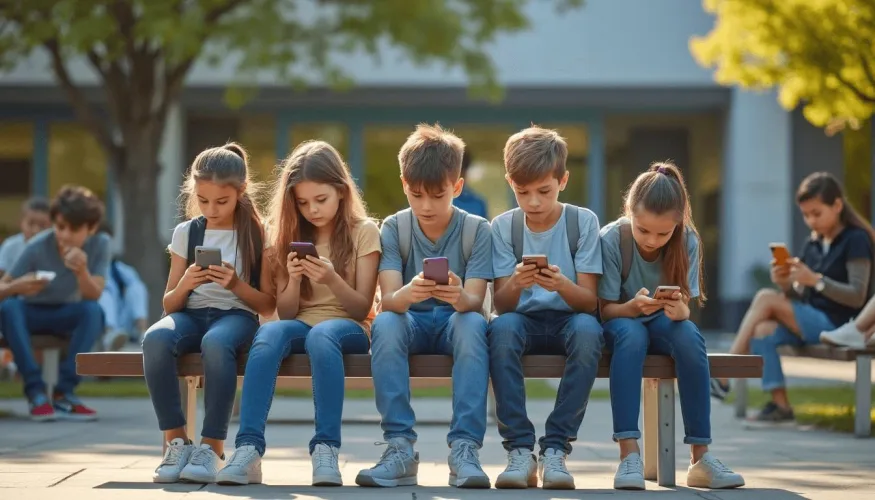
Myth 5: "Screen time in online school is harmful."
Not all screen time is equivalent. Watching passive entertainment for six hours is different from reading a digital text, discussing ideas in a live seminar, solving problems on an interactive platform, and writing a structured essay — all of which happen to involve a screen.
The research distinction that matters is between passive consumption and active, goal-directed learning. Online school, when well-designed, sits firmly in the second category. Families can also make intentional choices — outdoor breaks, physical activity, device-free mealtimes — that balance screen-based learning with everything else kids need.
What a High-Quality Virtual Academy Actually Looks Like
A genuinely rigorous online school has a few non-negotiables: accreditation, a clear curriculum aligned to national standards, qualified instructors (or well-designed adaptive learning tools), regular feedback and assessment, and structures that build student independence over time.
It also communicates honestly with families — not just about what's possible, but about what's required. Online school is a powerful option. It's not a magic shortcut, and it's not a last resort. For the right student with the right support, it's simply the best fit.
If you're exploring what that could look like for your child, I'd love to show you around what we've built at Neo AI Tutor Academy — personalized, rigorous, and designed to get students truly college-ready.